March 22, 2024

Security: Security flaw can open over 3 million door locks, mainly at hotels

PCMag

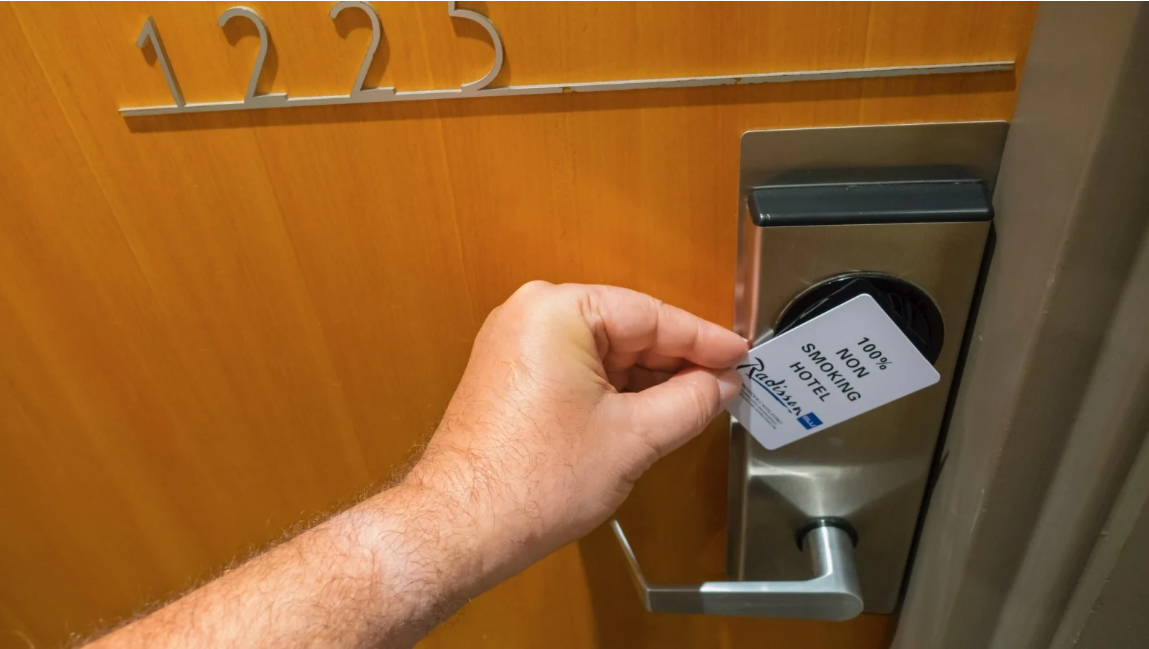
Security researchers have discovered a flaw that can be used to easily unlock keycard-powered door systems across numerous hotel properties. 


The vulnerability involves the Saflok door system from a Swiss company called Dormakaba. “Over three million hotel locks in 131 countries are affected,” according to the researchers, who note that the flaw has existed for the past 36 years.


According to Wired, the security experts uncovered the problem in August 2022 after attending a private event where they were invited to hack a Las Vegas hotel room. The group then disclosed the findings to Dormakaba, which started work on a patch in November 2023. Read More

Jeff Greenberg/Universal Images Group via Getty Images

Healthcare IT: After years of ransomware attacks, health-care defenses still fail

Pages from the United Healthcare website. (Patrick Sison/AP)

Washington Post

Federal officials and industry executives have known for years that the U.S. health-care system was one of the critical industries most vulnerable to hacking but failed to make the improvements that might have stopped attacks like the one that has crippled pharmacists and other medical providers for three weeks.


The danger was obvious in 2021, when ransomware gangs struck hospitals already overwhelmed by the covid-19 pandemic, forcing some to divert incoming emergency patients to other facilities and potentially contributing to deadly treatment delays.


But with private sector lobbyists opposing new security requirements, Congress and the regulatory wheels have ground slowly, mainly promoting best practices that hospitals can — and do — choose to ignore. Read More

Homeland Security: The tech apocalypse panic is driven by AI boosters, military tacticians, and movies

Homeland Security News Wire

From popular films like a War Games or The Terminator to a U.S. State Department-commissioned report on the security risk of weaponized AI, there has been a tremendous amount of hand wringing and nervousness about how so-called artificial intelligence might end up destroying the world. There is one easy way to avoid a lot of this and prevent a self-inflicted doomsday: don’t give computers the capability to launch devastating weapons. Read More

Transportation: DoorDash is expanding its partnership with Alphabet’s Wing to bring drone delivery to the U.S.

Fast Company

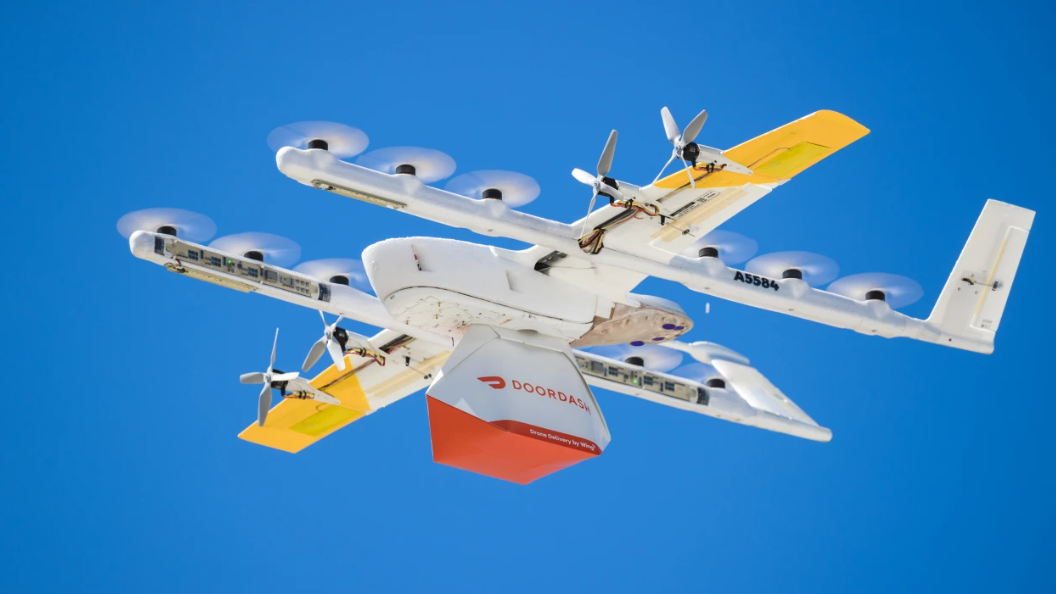
DoorDash is testing drone delivery in the U.S. after expanding its partnership with Alphabet’s autonomous drone delivery service Wing. 


Customers in Christiansburg, Virginia (a town of roughly 23,000 residents), can now order select Wendy’s menu items for drone delivery. Users with an eligible address who are placing an order from the Wendy’s on N. Franklin Street will see the option for drone delivery on the checkout page. The order is typically delivered in 30 minutes or less by Wing drone, DoorDash said. It wasn’t clear how many homes the pilot will actually serve. Read More

Photo: DoorDash

Human Resources: What defines a ‘highly successful’ learning program?

HR Dive

As a new era of artificial intelligence tools dawns, more employers seek the benefits of learning programs to ensure their workforces can meet the coming challenges. But with options for L&D broadening, what does a solid investment look like in practice?


UpSkill America and i4cp, a research organization focused on human capital, attempted to answer this question by looking at three of the biggest areas of upskilling: internal programming, apprenticeships or work-and-learn programs, and tuition assistance or reimbursement.


The study, published March 12, focused on the impact of these programs on front-line workers — those who may be especially vulnerable as AI potentially transforms a significant number of jobs. Read More

Business & Technology: How to protect intellectual property in the age of AI

Illustration by Carl Godfrey

Harvard Business Review

In 1998, a year after his return to Apple, Steve Jobs stated that his long-term strategy was to “wait for the next big thing.” In his characteristically terse response, the visionary innovator identified the core of any growth strategy — follow where the technology is going, ideally before your competitors do. As science fiction writer Frederik Pohl said, “The challenge is to predict not the automobile but the traffic jam.”


Today, most of the evidence suggests that AI is that next big thing, rippling through efficiency, new offerings, the promise of enhanced profits, and serving as an augmenting force for human skills. Amid predictions of another challenging — if not bleak — economic year, AI’s magnetism as a potential growth engine seems set to strengthen. Read More

The Triage Group | (202) 904-2344 | The Triage Group, LLC.
700 12th Street, NW, Suite 700, Washington, DC 20005 | www.triagegroup.com
Facebook  Twitter  Linkedin