Education

|
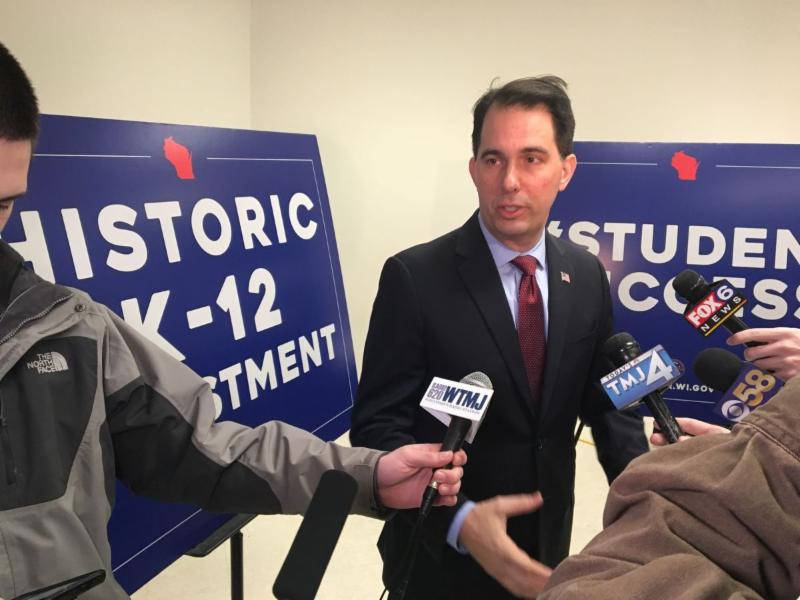
Scott Walker touts more funding for K-12 schools ahead of state of the state speech
Gov. Scott Walker plans next week during his annual state of the state address to lay out a proposal for how Wisconsin should use an unanticipated $137.5 million budget surplus, with some of the money covering a plan to increase funding for rural schools. Read more.
|
West Virginia House to create 100 districts of equal size
West Virginia's House voted overwhelmingly Monday to reorganize the state electoral map into 100 separate legislative districts, saying it will make each lawmaker more responsive and accessible. Critics say the change would cement more incumbents in office. Currently, the House's 100 members together represent 67 districts, and more densely populated areas have two, three, four or five delegates. The Republican-sponsored bill, which passed 72-25 with several Democratic votes, would have lawmakers represent about 18,000 constituents each after the 2020 Census, evenly dividing the state's nearly 1.8 million residents between them. Read more.
|
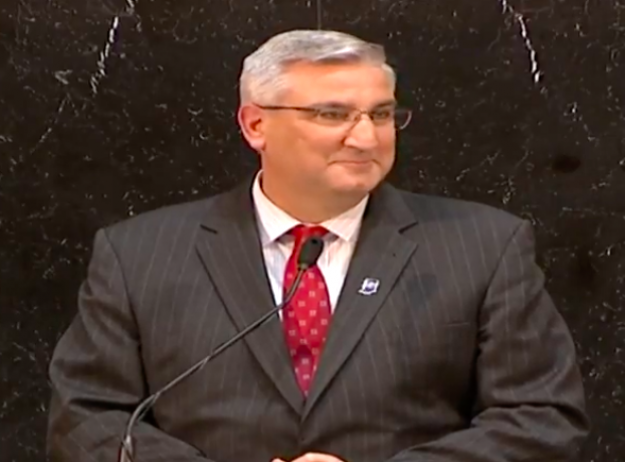
Eight governors join coalition to expand computer science education
With these new additions, the total membership of the Governors' Partnership for K-12 Computer Science has doubled.
Eight more governors have signed on to the Governors' Partnership for K-12 Computer Science, a coalition of state leaders committed to advancing computer science education. These recent additions bring the total membership to 16 governors, meaning that the Partnership, which launched in 2016 with the help of
Code.org
, has doubled since last month. The new members include Republicans Doug Burgum of North Dakota, Eric Holcomb of Indiana, Kay Ivey of Alabama, Matt Mead of Wyoming and Democrats Steve Bullock of Montana, David Ige of Hawaii, Ralph Northam of Virginia and Tom Wolf of Pennsylvania. Read more.
|
Governor's free community college proposal moving forward
Mississippi Gov. Phil Bryant's proposal for free tuition at community colleges is gaining traction. The state House on Tuesday passed House Bill 405 , known as the "Mississippi Career-Tech Scholars Program." It would establish scholarships to help people earn two-year degrees in fields identified as being in demand in the workforce. Read more.
|
Kim Reynolds announces new cyber training partnership
Gov. Kim Reynolds on Monday announced a new cyber training partnership between the state and SANS (SysAdmin, Audit, Network and Security) Institute to inspire the next generation of female cybersecurity professionals. State officials say GirlsGoCyberStart is a free online game of discovery that offers girls in grades 9-12 the opportunity to learn basic cybersecurity skills and test their cyber aptitude. Participants do not need any prior cybersecurity knowledge or IT experience. The only requirements are a computer and an internet connection.
Read more.
|
Charters and their effects on neighboring schools
Due to the size of its charter sector and the high-profile test score gains of some of its charter networks, New York City, with America's largest school district, has featured prominently in recent charter debates. A new study by Sarah Cordes in Education Next
examines how the city's charter schools affect the students of nearby district schools and finds that they performed better in math and reading on annual statewide tests after charters opened within one half mile. Read more.
|
Leveraging effective teachers to improve student outcomes
In 2009, Public Impact launched the Opportunity Culture initiative, which identified ways for effective teachers to take on roles that enable them to positively affect many more students. Earlier this month, CALDER released a working paper that found a strong correlation between these staffing models and student math achievement, but a more mixed relationship for reading. Read more.
|
Sununu touts school choice bill as 'life changing'
Gov. Chris Sununu says he wants to take New Hampshire where few other states have gone. Speaking in front of a large crowd of school choice advocates on Tuesday, Sununu made a push for a much battled over bill that would allow some parents to send their kids to private or religious schools, or home schooling, with state-taxpayer funded scholarships. Read more.
|
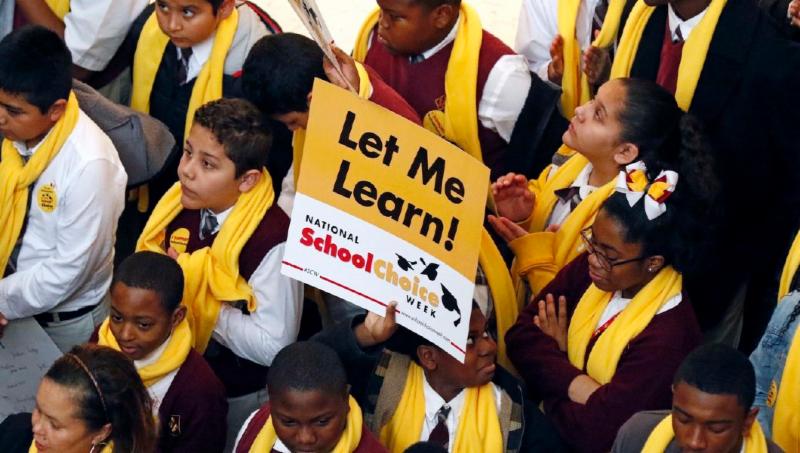
To celebrate school choice, expand federal support for charter schools
This week is National School Choice Week, a time to celebrate the importance of giving parents the freedom to select a school that meets their child's needs. A new poll from the American Federation for Children shows that school choice is highly prized by parents and voters. Read more.
|
Teacher Recruitment and Retention: It's Complicated
At a broad national level, statistics tell us there is no teacher shortage. In fact, the number of U.S. teachers has grown by 13 percent in four years, far outpacing the 2 percent rise in student enrollment during the same period.
Read more.
|
Energy
|
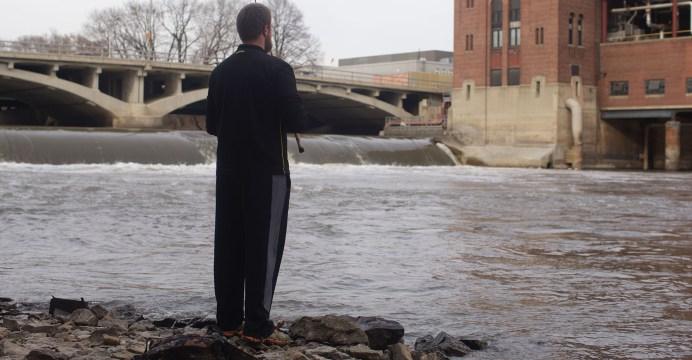
Gov. Reynolds to sign legislation aimed at improving water quality
The Iowa House of Representatives and Senate passed Senate File 512 on Tuesday - a water-quality bill that will allot $282 million to initiatives promoting water quality in the state. The bill, which passed in a 59-41 Senate vote, will be Gov. Kim Reynolds' first piece of legislation to sign as governor. In a Tuesday release from the Governor's Office, Reynolds said the bill will move the state closer to its goal of providing a long-term revenue source to help fund and scale practices through its Nutrient Reduction Strategy. Read more.
|
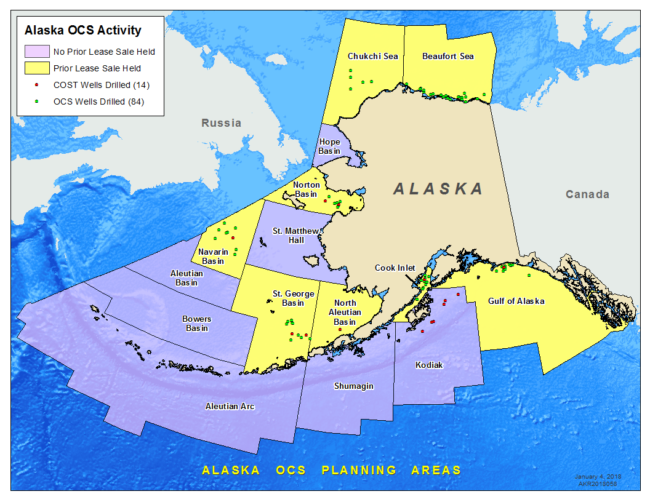
Governor asks Trump administration for more public meetings on offshore drilling proposal
A public meeting on a Trump administration draft proposal to open up more of Alaska's waters to oil drilling is being rescheduled, due to the brief government shutdown. The meeting was originally set to take place tomorrow in Anchorage. The federal Bureau of Ocean Energy Management hasn't yet settled on a new date. The Department of Interior is aiming to reverse Obama-era offshore drilling policy, which largely blocked oil development in the Beaufort and Chukchi Seas. Read more.
|
U.S. Crude Prices Climb After Data Shows Drop in Supplies
But fuel stockpiles are building up: gasoline, diesel inventories both rose last week, the EIA said
Oil prices steadied below a three-year high Wednesday, with expectations of a build in U.S. crude stocks weighing on the market. Read more.
|
Zinke on offshore drilling flip: Florida's 'coastal currents' are different
Interior Secretary Ryan Zinke defended his surprise decision to exempt Florida waters from the Trump administration's push for new offshore drilling, saying in an exclusive interview with CNN that the state's coastline is unique. Read more.
|
Cold Weather Heats Up Natural-Gas Market
Forecasts for a deep freeze spur a surge in futures prices
The threat of another blast of bitterly cold arctic air bearing down on the U.S. is sending natural-gas futures prices to their highest level in more than a year.
Read more.
|
Off-the-Shelf Nuclear Plants Could Soon Help Power Electric Cars
Demand for low-carbon electricity to power a future wave of electric vehicles could be provided by small, factory-built nuclear reactors. As Britain's old coal and nuclear stations shut from 2025, the nation faces a tough challenge in keeping a future fleet of electric cars powered and meeting the nation's clean energy goals when renewable sources like wind and solar aren't available. Read more.
|
Healthcare
|
Walker issues 2 executive orders to fight opioid abuse
Gov. Scott Walker has issued two executive orders to fight opioid abuse. The governor signed the orders Friday afternoon. One order creates the Governor's Commission on Substance Abuse Treatment Delivery. The commission will include the co-chairs of the Governor's Task Force on Opioid Abuse or their designees as well as representatives from the health care industry. The panel would study the feasibility of regional resource centers for addiction treatment and deliver recommendations by Nov. 30. Read more.
|
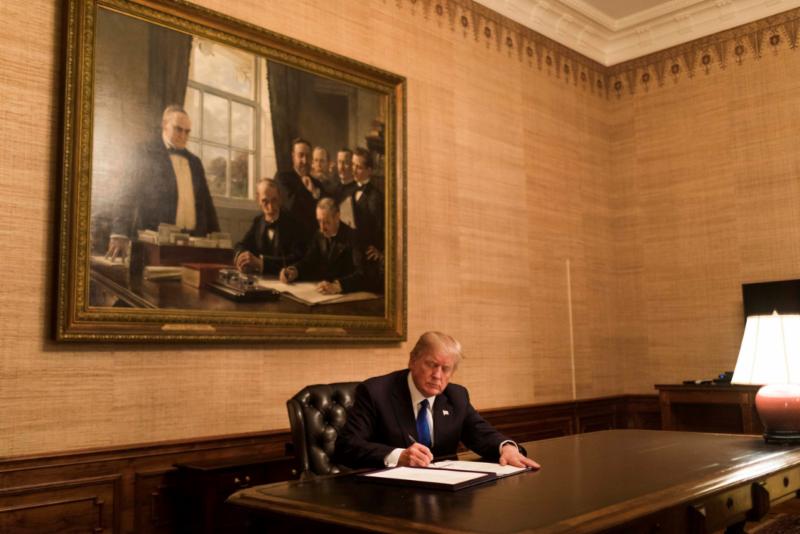
CHIP Renewed For Six Years As Congress Votes To Reopen Federal Government
A brief, partial shutdown of the federal government ended Monday, as the Senate and House approved legislation that would keep federal dollars flowing until Feb. 8, as well as fund the Children's Health Insurance Program for the next six years. Read more.
|
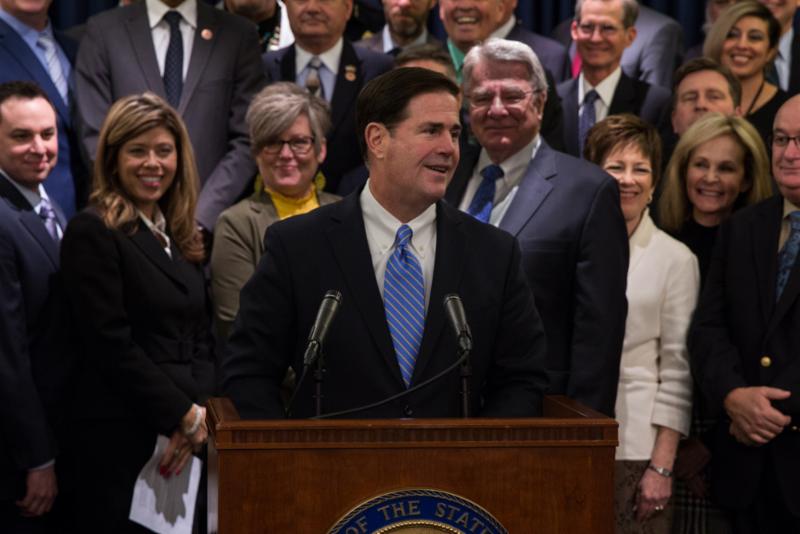
Ducey calls special session on opioid crisis
Gov. Doug Ducey on Monday called a special legislative session to battle the opioid epidemic in Arizona, asking lawmakers to fund and expand health care. The governor, under what he calls the Arizona Opioid Epidemic Act, is asking lawmakers to dedicate $10 million to improving health care access for uninsured or underinsured Arizonans, increase access of the overdose-reversal drug Naloxone and introduce a Good Samaritan law to encourage people to call 911 if they see someone suffering from an opioid overdose. Read more.
|
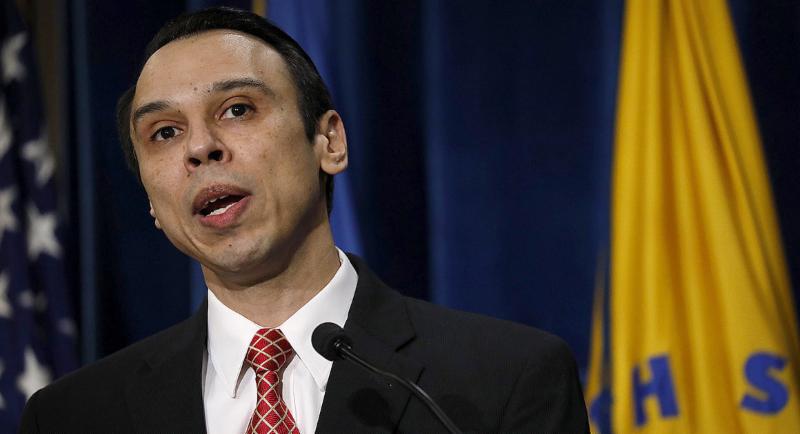
The religious activists on the rise inside Trump's health department
Critics fret some agency leaders are blurring the lines between church and state.
A small cadre of politically prominent evangelicals inside the Department of Health and Human Services have spent months quietly planning how to weaken federal protections for abortion and transgender care - a strategy that's taking shape in a series of policy moves that took even their own staff by surprise. Those officials include Roger Severino, an anti-abortion lawyer who now runs the Office of Civil Rights and last week laid out new protections allowing health care workers with religious or moral objections to abortion and other procedures to opt out. Read more.
|
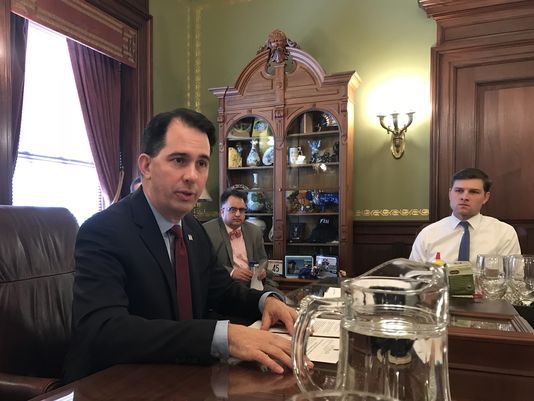
Wisconsin Gov. Scott Walker wants $200 million to strengthen Obamacare and hold down premiums
Stepping toward the political center in a difficult election year, Gov. Scott Walker proposed using $200 million in state and federal money to stabilize the state's Obamacare market and hold down rising insurance premiums. While Republicans nationally talk about tax cuts, Wisconsin's GOP governor has mixed in proposals on health care, the overhaul of a troubled youth prison and funding schools at levels proposed by a leading Democratic challenger. Read more.
|
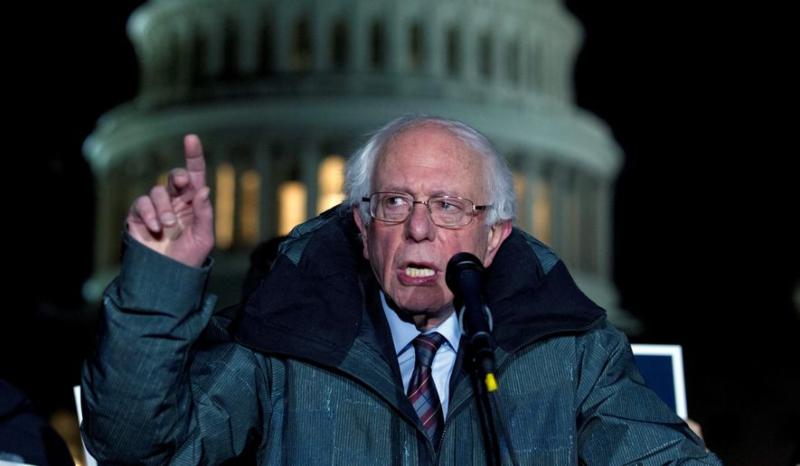
Sanders pitches 'Medicare for all' plan on Facebook
"Socialized medicine would be a $32 trillion disaster. As far-left Democrat leaders like Bernie Sanders and Elizabeth Warren continue to push for single-payer, red state Democrats will be stuck between a rabid liberal base and voters at home who want nothing to do with government-run health care," said National Republican Senatorial Committee spokesman Bob Salera. Read more.
|
Abbott asks Trump to approve federal funding for Texas women's health
Gov. Greg Abbott is asking President Donald Trump to approve millions of dollars in federal money for Texas to supplement women's health care. Abbott on Tuesday encouraged Trump to accept the state's application for a "1115 waiver" to help fund its Healthy Texas Women program. In 2011, Republican state leaders pushed Planned Parenthood clinics out of the women's health program, which violated a federal law allowing Medicaid users to see the provider of their choice. Read more.
|
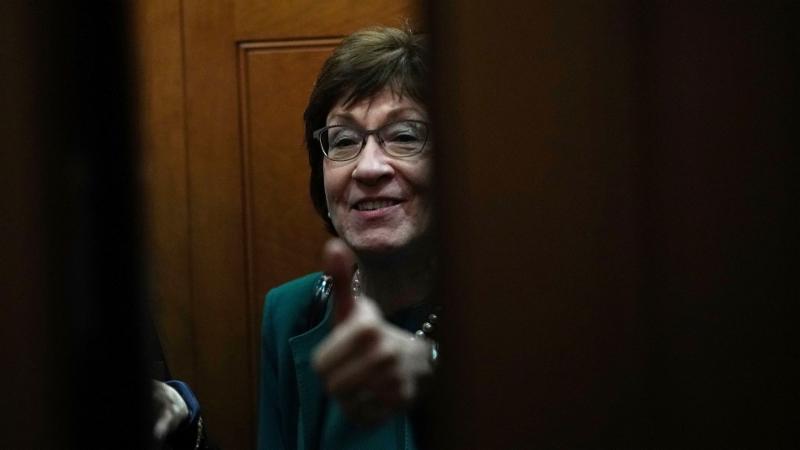
Congress's next health care waiting game: market stabilization
Now that Congress has passed a bill funding the Children's Health Insurance Program - more than three months after funding expired - the clock is ticking as lawmakers work at putting together a package to stabilize the individual insurance market. The bottom line: Congress and the Trump administration have taken several steps that will likely cause big premiums spikes for people who buy insurance on their own. Read more.
|
Paying more and getting less: As hospital chains grow, local services shrink
When most hospitals close, it's plain to see. Equipment and fixtures are hauled out and carted away. Doctors and nurses leave and buildings are shuttered, maybe demolished. Read more.
|
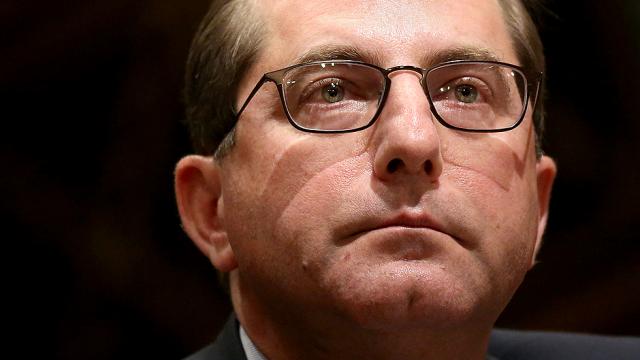
Senate advances Trump's health secretary nominee
The Senate
on Tuesday advanced the nomination of Alex Azar to be secretary of Health and Human Services over a key hurdle by a 54-43 vote.
Most Democrats voted against advancing Azar, but seven Democrats joined Republicans to move his nomination forward. A vote on final confirmation is expected to soon follow. Read more.
|
Work requirements may prompt more states to expand Medicaid
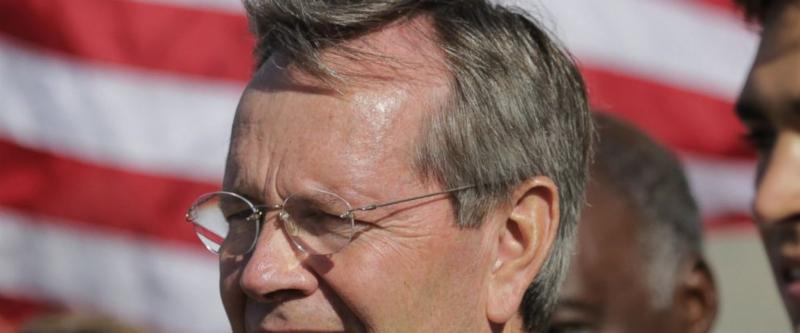
In an ironic twist, the Trump administration's embrace of work requirements for low-income people on Medicaid is prompting lawmakers in some conservative states to resurrect plans to expand health care for the poor. Read more.
|
Alex Azar Confirmed as Health and Human Services Secretary
Azar likely to be key figure in administration efforts to roll back Affordable Care Act
The Senate on Wednesday confirmed President Donald Trump's nomination of Alex Azar to serve as health and human services secretary, approving a former George W. Bush official who has criticized the Affordable Care Act to lead the agency that implements the law. Read more.
|
Arizona bill targeting opioid abuse passes first hurdle
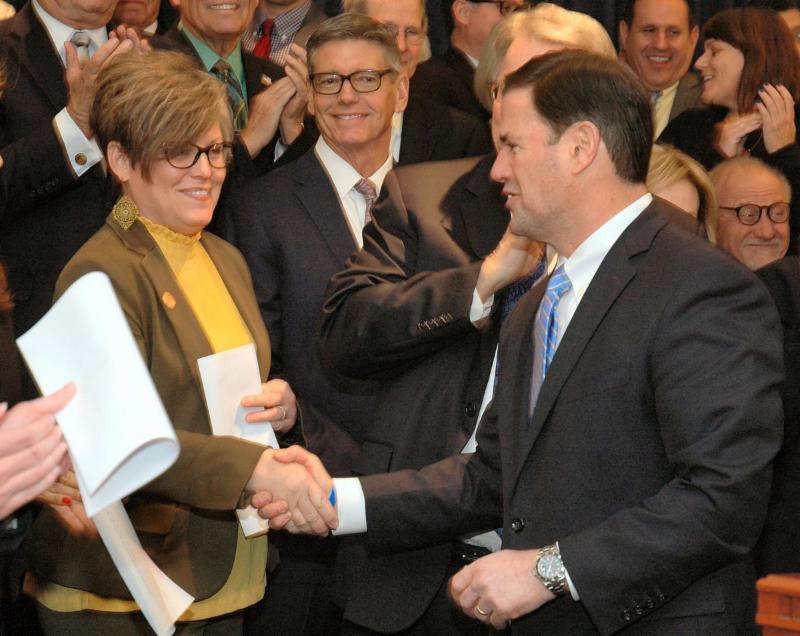
A far-reaching plan designed to put a dent in opioid abuse cleared its first legislative hurdle Tuesday as a pain-management physician encouraged lawmakers to proceed, but with caution. Dr. William Thompson told the House Health Committee that an increasing focus on the fact that chronic pain is a legitimate complaint has led to doctors who really "didn't know what they were doing" prescribing pain medications. Read more.
|
Tennessee Governor Sets up Panel in $30M Opioid Plan
Tennessee Gov. Bill Haslam has set up a commission on pain and addiction medicine education, marking one of the first moves in his $30 million plan to combat opioid abuse.
Tennessee Gov. Bill Haslam has established a commission on pain and addiction medicine education, marking one of the first moves in his $30 million plan to combat opioid abuse. A news release from the Republican governor Wednesday says he established the Tennessee Commission on Pain and Addiction Medicine Education by executive order. Read more.
|
"Scam" Opioid Addiction Pills Are Breaking The Law, The Feds Warn
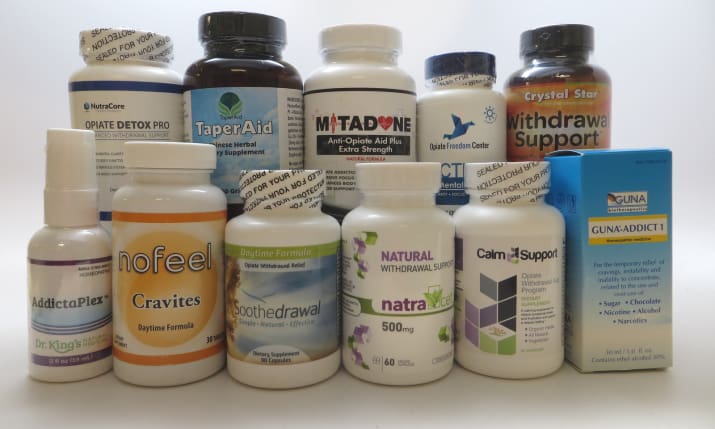
The FDA and FTC jointly warned 11 dietary supplement and homeopathy outfits to quit selling "illegal, unapproved" scam pills to treat opioid addiction.
US federal agencies on Wednesday told dietary supplement and homeopathy firms to stop peddling worthless "scam" pills to people desperate to end their addiction to deadly opioids. Overdoses of opioid painkillers, heroin, and fentanyl claimed more than 42,000 lives in 2016, a reflection of an addiction epidemic that was declared a national public health emergency last year. Read more.
|
McConnell tees up vote on 20-week abortion ban
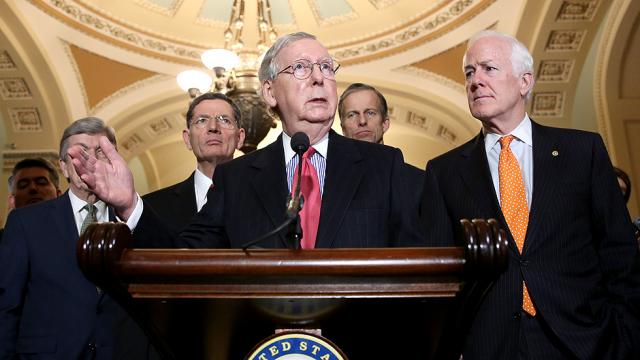
Senate Majority Leader Mitch McConnell (R-Ky.) is turning the Senate toward a fight over abortion next week. McConnell moved to bring up a 20-week abortion ban, paving the way for a procedural vote expected on Monday. Read more.
|
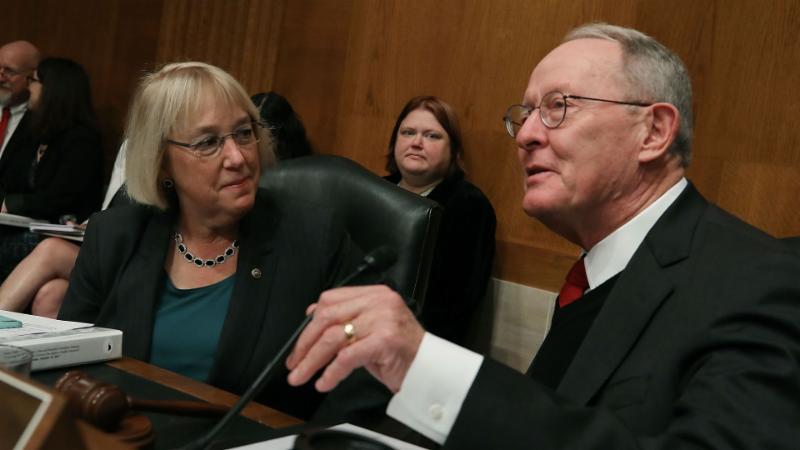
ACA stabilization bill is getting a serious second look
Senators from both parties are taking another look at efforts to stabilize the Affordable Care Act's individual market. Democrats are reassessing the initial bipartisan proposal, while Republicans seem increasingly open to new federal spending they once opposed. Read more.
|
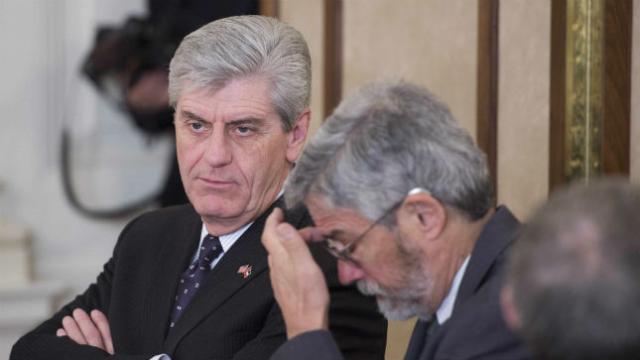
Mississippi pushes for Medicaid work requirements
Thousands of Medicaid recipients in Mississippi would be required to work to be eligible for the program if the Trump administration approves a controversial state waiver request that recently opened for public comment. The proposal is likely to set off a firestorm of criticism from Democrats and health advocates, who argue that work requirements, combined with Mississippi's strict Medicaid eligibility requirements, will result in thousands of people losing their coverage. Read more.
|
Tax Budget
|
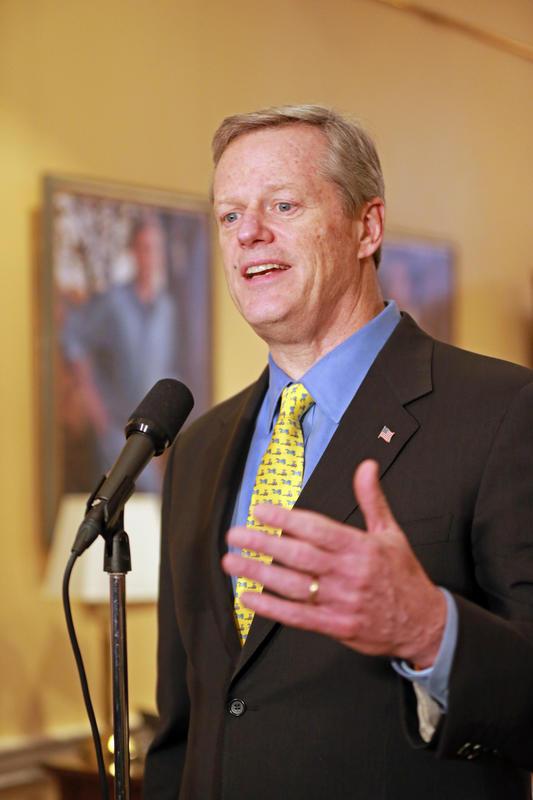
Legislators to maneuver cash with caution
The monthslong process of constructing a state budget begins anew Wednesday when Gov. Charlie Baker unveils his spending plan for the fiscal year starting July 1. While Massachusetts' economy is strong and unemployment low, the state's financial picture remains unsettled. Changes in federal health care policies and the fate of two prospective ballot questions are among factors that could have profound budgetary impacts for the state. Election year politics could also open Baker's budget proposal to greater scrutiny as he launches his bid for a second term. Read more.
|
 Gov. Phil Scott is asking lawmakers to consider imposing a cap on state education funding, which would force school districts to raise money through local taxes if they chose to spend more. Currently state funding for education includes property taxes from across the state as well as lottery money and money from other tax sources. Read more. |
States Grapple With Federal Tax Cut That May Raise State Taxes
State legislatures across the U.S. will be wrestling in coming months over how to respond to federal income-tax cuts that, paradoxically, could raise tax bills at the state level. Many states typically follow the federal government's rules for deductions, exemptions and other breaks. When federal rules change, as they did under the law passed late last year, state rules often do, too. State lawmakers must choose whether to conform their systems to the new federal rules, cut tax rates to prevent rising tax burdens or spend potential revenue windfalls. The outcomes will be determined in state legislative sessions now opening across the country. Read more.
|
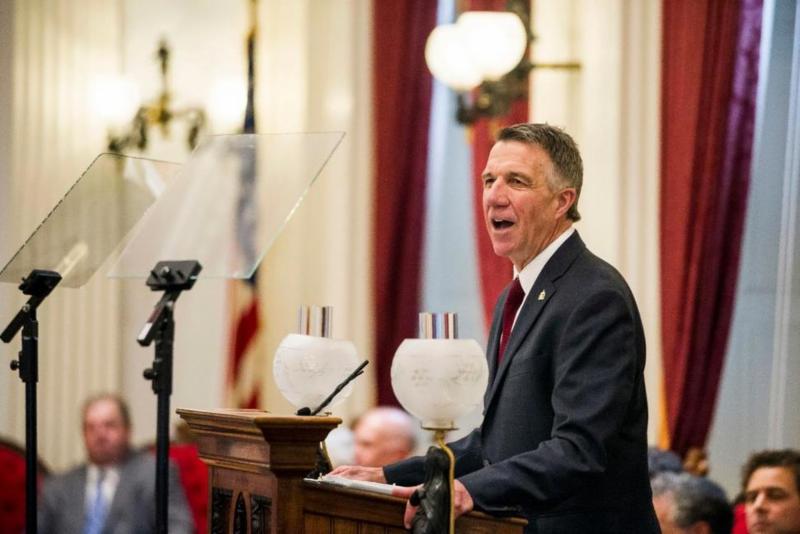
Governor Outlines 2019 Budget Calling for $82M More Spending
Republican Vermont Gov. Phil Scott asks lawmakers to approve 2019 budget that doesn't have any new taxes or fees and encourages people to move to the Green Mountain State.
Vermont Gov. Phil Scott is going to be outlining his plan for the state budget in his annual budget address to a joint session of the Legislature. The budget address is scheduled for Tuesday afternoon at the Statehouse in Montpelier. Scott, a Republican, has said he wants to make sure Vermont is affordable for Vermonters. He has said he will continue with his policy of not raising any new taxes or fees. Vermont is facing a number of budget challenges, including unclear state revenues, uncertainty due to the federal budget, rising education expenses and the need to fund the long-term clean-up of Lake Champlain, which could cost an estimated $2 billion over the next 20 years. Read more.
|
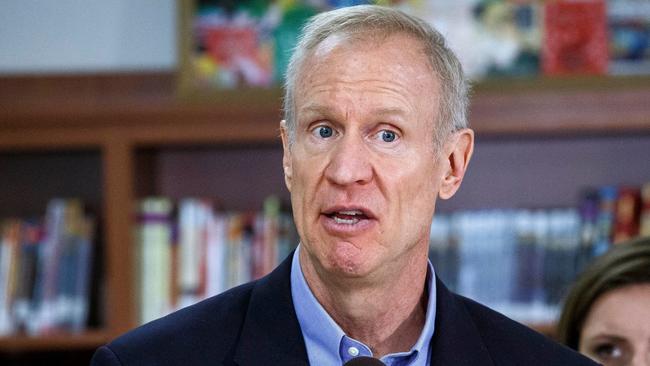
Rauner takes new jab at Madigan on property tax appeals
Gov. Bruce Rauner's executive order seeking to bar state lawmakers from representing clients before a board that hears property tax appeals is largely symbolic, state data suggest, revealing how limited the Republican governor's options are for changing the system. Vowing to end what he called a "clear conflict of interest," the governor cited the Tribune and ProPublica Illinois' "The Tax Divide" series in promising to follow up the order with legislation to reform the property tax system in Cook County, as well as across the state. Read more.
|
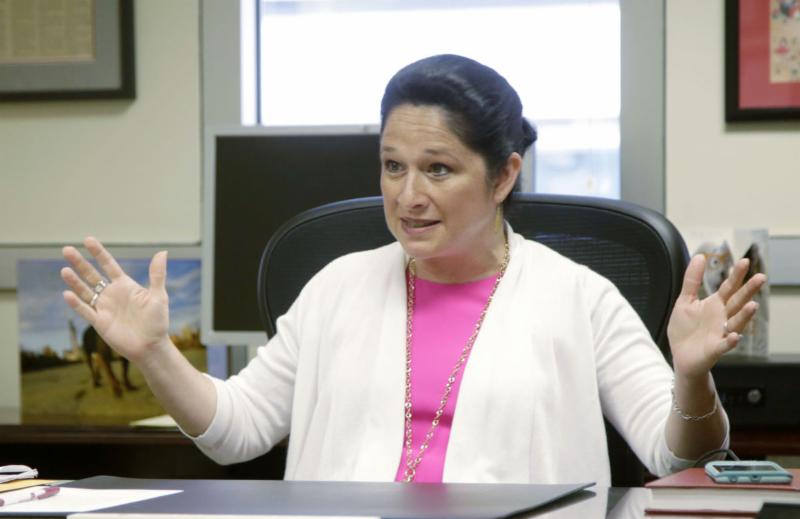
Rauner: Cut taxes, 'wasteful spending' to curb deficit
Gov. Bruce Rauner said Monday that he will propose rolling back last year's income tax increase in a "step-down" process over several years while also tackling a continuing deficit of billions of dollars. The Republican, who will propose a budget outline next month, revealed his plan to pare down the tax increase - a $5 billion-a-year revenue boost - in response to a report that the state spent $2 billion that lawmakers never approved. Read more.
|
Burgum: Only tap oil tax fund for long-term initiatives
Gov. Doug Burgum acknowledged Tuesday that earnings on a voter-approved oil tax savings account could be raided again to confront North Dakota's lingering budget challenges, but he insisted lawmakers only tap the fund for initiatives providing long-term benefits. The Republican's 90-minute State of the State address at Minot University was the first such speech by a governor in a non-legislative session year since John Hoeven in 2002. Read more.
|
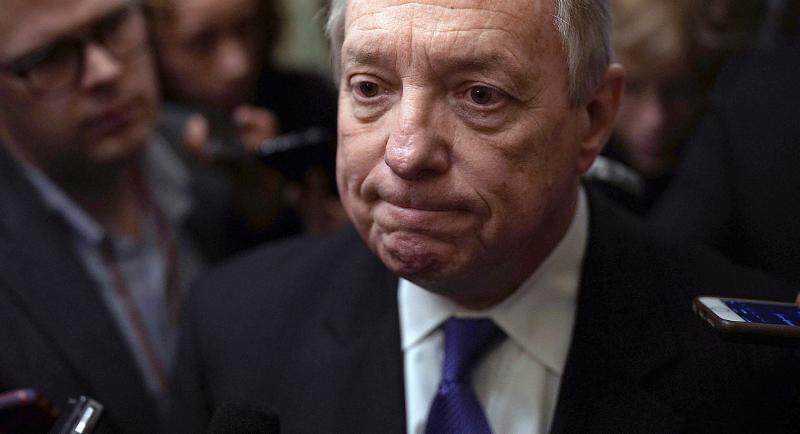
Budget talks progress, as Senate Dems drop Dreamer demand
But House Democrats may not support a spending deal that lacks relief for young undocumented immigrants.
Senate Democrats are willing to drop their demand that relief for Dreamers be tied to any long-term budget agreement - a potential boost for spending talks, but one that could face opposition from their House counterparts. The shift comes in response to the deal struck between Senate leaders Monday to reopen the government and begin debate on an immigration bill next month. Read more.
|
Trump Team Protectionist Talk Roils Dollar, Stocks: Markets Wrap
There was no respite for the dollar on Wednesday, with the greenback extending the decline that's taken it to the lowest level in three years. U.S. stock futures advanced as European equities nudged higher, and gold added to recent gains. Read more.
|
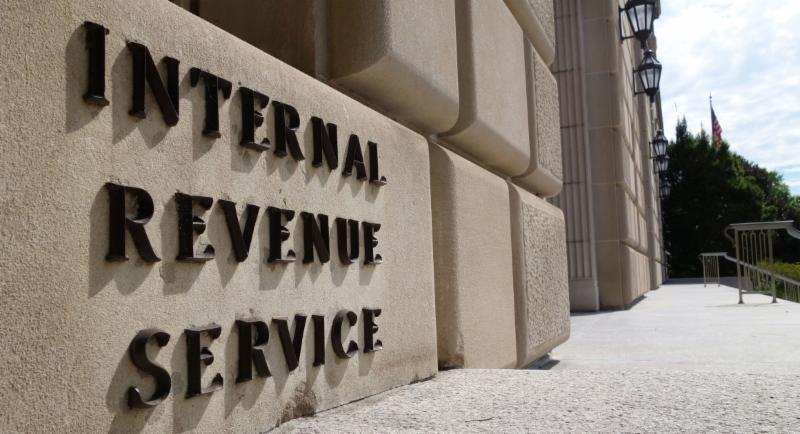
Trump picks tax lawyer as next IRS commissioner, sources say
President Donald Trump will nominate tax lawyer Charles "Chuck" Rettig to head the IRS, multiple sources with knowledge of the White House selection process told POLITICO on Tuesday night. If confirmed by the Senate, Rettig would join the agency at one of its most challenging times, as it implements a sweeping new tax law with limited resources and faces a possible restructuring by Congress. Read more.
|
Transportation & Economic Development
|
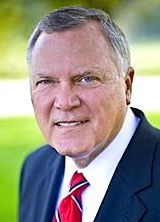
Gov. Nathan Deal says tourism has $60.8 billion impact on Georgia's economy
Tourism officials from around Georgia joined Gov. Nathan Deal at the state Capitol Tuesday as he announced the big impact visitors have
on the state. Deal said tourism has a $60.8 billion economic impact on the state. That figure includes $3.1 billion in state and local tax revenues. In addition to the tax revenues, the industry also fuels hundreds of thousands of jobs in Georgia, according to the governor. Read more.
|
Novelis Expands Automotive Aluminum Capabilities with Approximately $300 Million Investment in Kentucky
Novelis Inc., the world leader in aluminum rolling and recycling, today announced plans to build an approximately $300 million automotive aluminum sheet manufacturing facility in Guthrie, Kentucky. The greenfield facility, with an annual nameplate capacity of 200,000 metric tons, will include heat treatment and pre-treatment lines, which prepare aluminum for use in vehicle parts such as body-in-white, hoods, doors, lift gates and fenders. The company expects to break ground in early spring and create approximately 125 jobs at the new facility, which is slated to open in 2020. Read more.
|
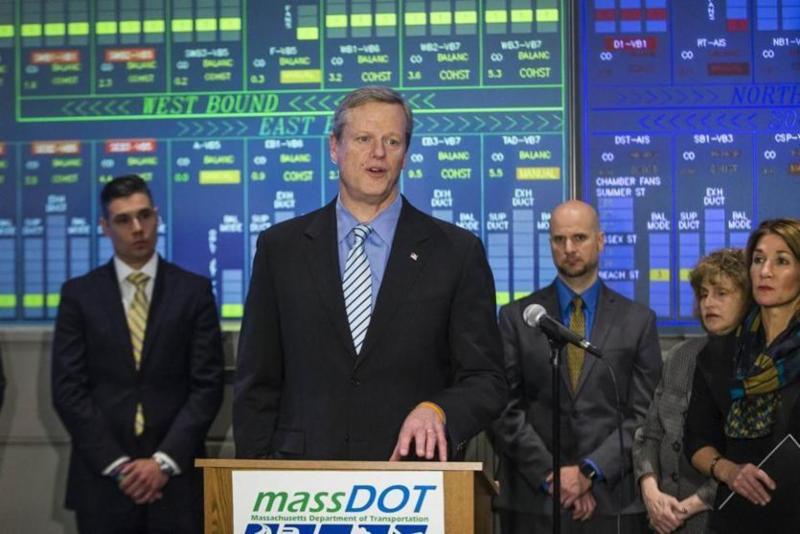
Baker launches commission to study transportation needs
Governor Charlie Baker has appointed an 18-member transportation panel after a report last year suggested Massachusetts is not financially prepared for changes to the climate and how people get around.
An 18-member panel appointed by Governor Charlie Baker will study the state's future transportation needs, after a report last year suggested Massachusetts is not financially prepared for changes to the climate and how people get around. The Commission on the Future of Transportation in the Commonwealth will report back by December, after looking into how an array of factors could affect transportation in the state between 2020 and 2040. Read more.
|
Trump Swings Into Action on Trade, Adds Edge to Nafta Talks
President Donald Trump's threat to scrap the North American Free Trade Agreement could take on a sharper edge now that he's pulled the trigger on new import tariffs. Trump took his first big step toward erecting trade barriers on Monday by slapping new "safeguard" duties on solar-panel and washing machine imports to protect U.S. industry. Read more.
|
Canada working hard to convince Trump on NAFTA: Trudeau
Canadian Prime Minister Justin Trudeau said on Tuesday Canada was working hard to convince U.S. President Donald Trump that the NAFTA trade agreement was in the interest of the United States as well as other countries. "We're working very hard to make sure that our neighbor to the south recognizes how good NAFTA is and that it has benefited not just our economy but his economy and the world economy," Trudeau said at the World Economic Forum in Davos, Switzerland. Read more.
|
A Dose of Accountability for the FDA
The public deserves to know more when the agency kills a new drug.
One welcome development last year was a productive Food and Drug Administration, which approved more than 1,000 generic drugs and dozens of novel therapies. But FDA rejections can also be important for patients and innovation, and Commissioner Scott Gottlieb can prioritize a project that would add more public accountability to the approval process. Read more.
|
Stossel: Saving Kids From Government Schools
Success Academy's Eva Moskowitz has demonstrated that more choice in education yields incredible outcome
It's school choice week!
What's that? It's a week about giving parents and kids a choice of schools, so they aren't stuck in failing, government-run schools.
John Stossel says amazing things happen at some of these alternatives. He visited one school where the kids like learning. Reading is "rockin' awesome," one kid tells John. Read more.
|
Agreement to Fund Government Delays Three Health Care-Related Taxes
Lawmakers in the Senate and the House have struck a deal on a
continuing resolution
to end a brief shutdown and fund the government through February 16, 2018. The continuing resolution also delays several taxes related to health care. Specifically, it addresses three taxes created by the Affordable Care Act: the medical device tax, the "Cadillac tax," and the health insurance tax. Read more.
|
Education reform is off track. Here's how to fix it.
A
blog post
by Kate Walsh, the longtime leader of the National Council on Teacher Quality, asks if the education reform movement has "lost its way." She's overtired of conferences where reformers "plead for forgiveness for our narrow-minded approach" and agree to "exchange our convictions for anything that will suggest just how broad-minded we now are-as long as we de-emphasize academic goals." Read more.
|
Political Commentary
|
Reynolds, Hubbell lead respective campaigns in fundraising
Reynolds, a Republican, raised $3.7 million, far exceeding her Republican rival, former Cedar Rapids Mayor Ron Corbett, who raised about $844,000. She ended the year with $4.1 million in the bank, compared with nearly $579,000 for Corbett. Reynolds got a big assist from the Republican Governors Association, which contributed $1.3 million to her campaign. Read more.
|
Chuck Schumer, Shut Down
Democrats running for President vote to keep the government closed.
Over in the department of futile and stupid gestures, the Senate on Monday voted 81-18 to end the government shutdown that Democrats had insisted on late last week. The politics apparently didn't turn out to be the winner the Democrats anticipated, so they bailed out and called retreat a victory.
Read more.
|
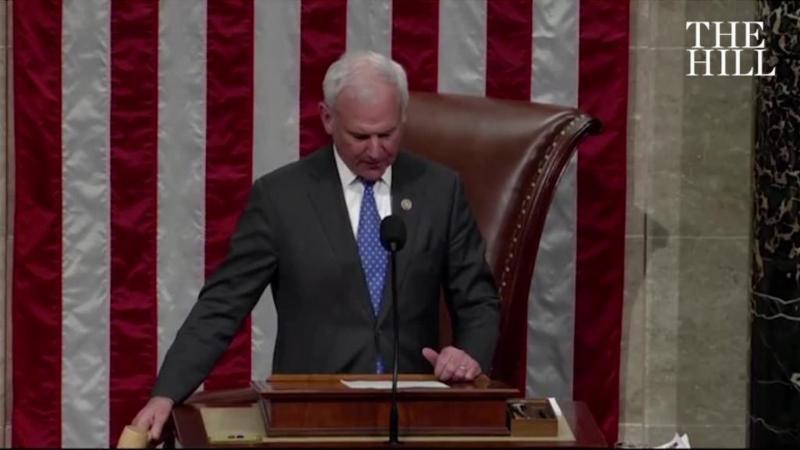
Winners and losers from the government shutdown
President Trump on Monday evening signed a government spending measure, ending a government shutdown that began at midnight on Friday.
The stopgap funding, which expires Feb. 8, passed both the Senate and House by large margins earlier in the day. Read more.
|
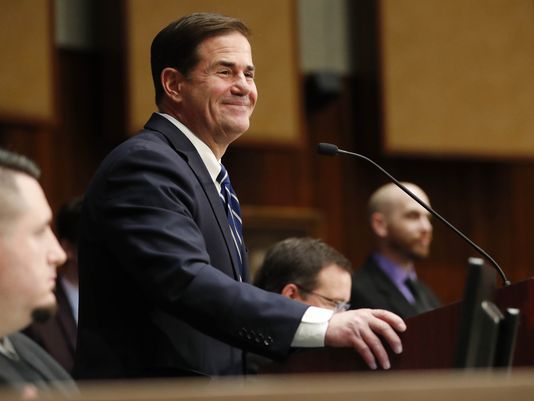
Ducey running away with the fundraising contest in race for Arizona governor
The first look at money raised by candidates who want to be Arizona's next governor shows a clear winner: Gov. Doug Ducey. So far, he is crushing his potential opponents in the fundraising portion of the 2018 race. In the newest campaign-finance reports, Ducey raised more than $2.8 million, and has 10 times the amount of money on-hand compared to his best-funded Democratic rival. The reports, filed with the Secretary of State on Friday,cover the period of Nov. 9, 2016, to Dec. 31, 2017, and give the first indication of the statewide fundraising prowess of Democrats compared to Ducey, a prolific money raiser. Read more.
|
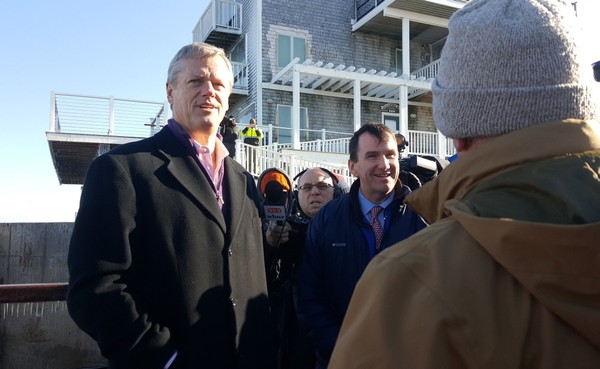
Gov. Charlie Baker has overwhelming fundraising advantage entering 2018 race
Gov. Charlie Baker has a massive cash advantage over his potential opponents as the election year gets underway. According to campaign finance data, Baker, a Republican, had $7.25 million in his campaign account at the end of 2017. Since he took office in 2015, Baker has raised a total of $9.5 million. Read more.
|
America's Most and Least Popular Senators
Almost all vulnerable senators ended 2017 less popular than they started
Eleven of the the 12 most vulnerable senators up for re-election in 2018 ended last year less popular among their constituents than at the start of the 115th Congress.
That's according to the new Morning Consult Senator Approval Rankings for the fourth quarter of 2017, based on more than 250,000 surveys with registered voters from Oct. 1 through Dec. 31.
Read more.
|
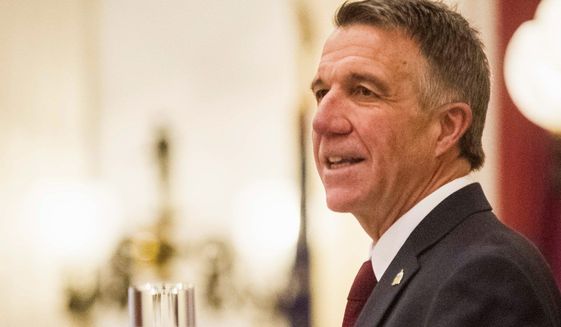
'Yankee independence' from Trump gives election boost to Republican governors
New England Republicans who can distance themselves from the more conservative elements that define the party in Washington have found success in recent years ..."Republican governors in blue states are able to win and govern effectively because they have created their own brand separate from Washington," said Jon Thompson, spokesman for the Republican Governors Association. "They work across the aisle, they focus on results, and voters have responded in kind by awarding them with high job approval ratings."... Democrats say they are energized in Maine and elsewhere in the Northeast. Read more.
|
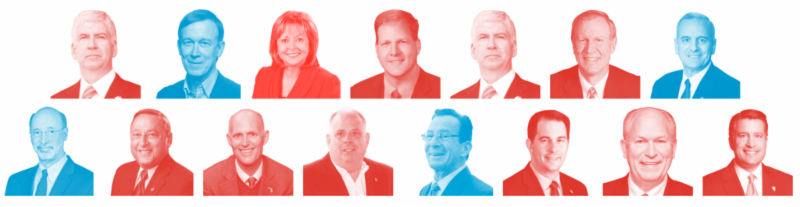
What's at Play in the 2018 Governors' Races
A breakdown of the 15 most competitive seats.
This year's gubernatorial races are especially critical, as Republicans now hold a record 26 state trifectas - meaning they control the executive branch and both state legislatures** - and governors will play a role in their state's congressional redistricting following the 2020 Census. Democrats have steadily lost ground in both federal and state elections over the last decade thanks in part to gerrymandering - a recent AP report found that Republicans hold up to 22 more House seats than they should based on the average vote share, which is nearly enough to close the 24-member gap in the chamber. Read more.
|
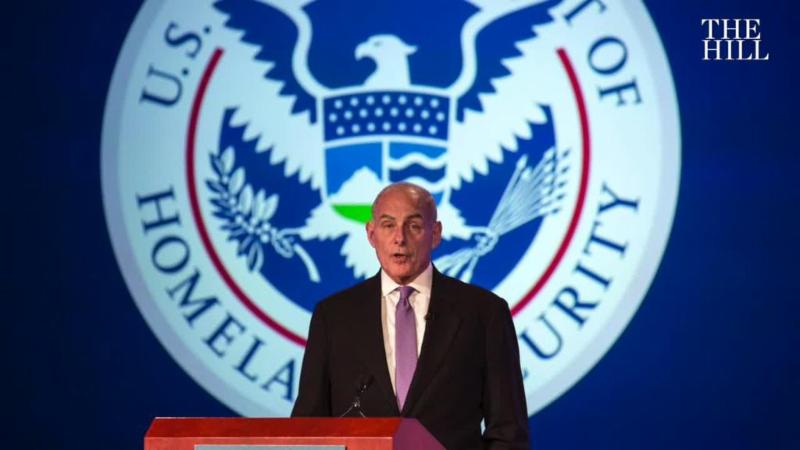
Six months in, Kelly emerges as policy force
When
John Kelly was brought in six months ago to be
President Trump's second chief of staff, his mission was clear: bring order to a White House plagued by infighting and leaks.
The four-star Marine general quickly established a new way of doing business in the West Wing, positioning himself as the chief gatekeeper to Trump.
Read more.
|
Elected Officials: Recent Policy Highlights
|
Chenault's campaign hasn't gained much traction and no one has yet filed to run for his house seat, so don't be surprised if he drops out of the race and just stays in the house. I just hope he keeps running these kinds of awesome ads. Word on the street is that the Republican Governors Association is eyeing Alaska and may spend a lot of money up here, depending on who wins the primary. Alaskan PR and ad agencies are definitely going to be competing for all that money. Read more.
|
Baker stresses pragmatism, bipartisanship in State of the Commonwealth speech
As he heads toward a reelection fight this fall, Governor Charlie Baker used his State of the Commonwealth address Tuesday night to further distance himself from President Trump's hard-line policies and harsh rhetoric, and argue that his nuts-and-bolts approach to fixing problems has produced tangible results for Massachusetts. Read more.
|
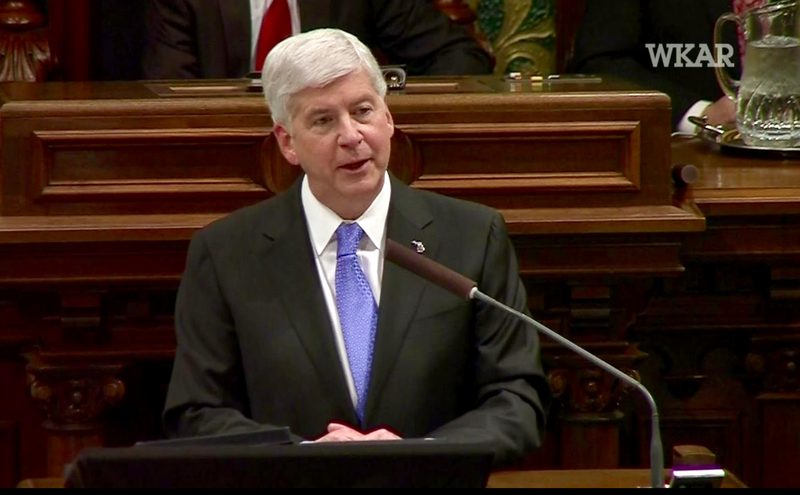
Governor Rick Snyder Gives Final State of the State Address
Gov. Rick Snyder on Tuesday touted Michigan's economic and fiscal gains under his watch, saying his tenure has had its "ups and downs" but that the state is in better shape than before he took office. In his eighth and final State of the State address, the Republican governor recapped many past initiatives but said he has an ambitious agenda for his last year in office, with a focus on infrastructure and the environment. Read more.
|
Gov. Burgum Emphasizes Innovation in His State of the State Address
THE GOVERNOR HOPES THE PEOPLE OF NORTH DAKOTA CAN FIND SOLUTIONS TO THE STATE'S CHALLENGES
Governor Doug Burgum took the governor's office one year ago and has been active in sharing his vision for North Dakota. Today, he delivered his second State of the State Address from the campus of Minot State. In his nearly 90-minute speech, Governor Burgum highlighted the challenges faced in 2017 and his vision for 2018. The governor's message was about allowing the people of North Dakota to find solutions to the challenges facing the state. Read more.
|
Brownback wins confirmation for Trump post as Pence breaks deadlock
Kansas Republican Sam Brownback, one of the most unpopular governors in the country, barely survived a key vote on his bid for a big Trump administration job on Wednesday, as Vice President Mike Pence broke a tie that kept his nomination alive. "I'm glad to have the vice president in my corner," Brownback told reporters seconds after Pence cast the tie-breaking vote. By the slimmest of margins, the dramatic party-line vote in the U.S. Senate on Wednesday cleared the way for Brownback's confirmation to an at-large ambassadorship for international religious freedom, based in Washington, D.C.
Read more.
|

Pence, the Anti-Trump, Takes Israel by Storm
The vice president parried the leaders of Egypt and Jordan, wowed the Knesset, and gave the Palestinians much to think about.
At the start of Mike Pence's four-day diplomatic mission to the Middle East, a cynical Israeli diplomat called it "a Seinfeld visit, a visit about nothing." The cynic was mistaken.
Read more.
|
|
|