|
|
|
@CardinalPolicy is pleased to provide our weekly newsletter including highlights
from the below topics:
|
|
Education

|
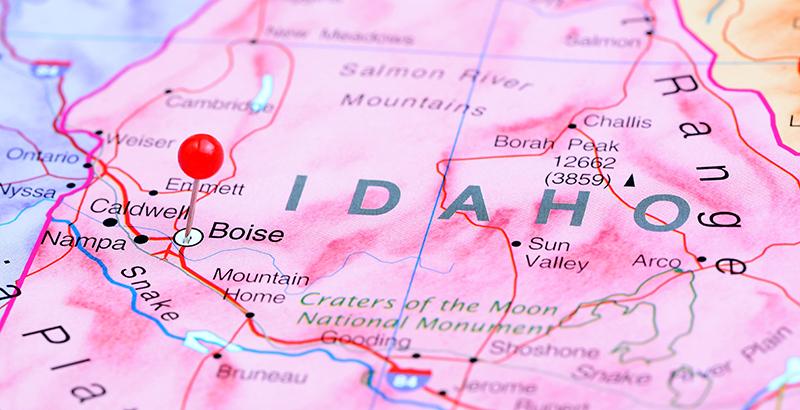
This Week's ESSA News: 17 States Receive ESSA Extensions, Idaho OKs Revised ESSA Plan After Feds Ask for More Info
Seventeen states received good news from the U.S. Department of Education this week: an extension on the deadline for their updated ESSA plans. Those states are Alabama, Alaska, California, Colorado, Florida, Idaho, Iowa, Kentucky, Mississippi, Nebraska, North Carolina, Oklahoma, Rhode Island, South Carolina, Texas, Utah, and Virginia.
Read more.
|
What to look for in the 2017 NAEP results
Scores from the 2017 National Assessment of Educational Progress (NAEP) will be released in the coming weeks. NAEP is often referred to as "the nation's report card," providing a reliably accurate estimate of national academic achievement every two years.
Read more.
|
The case for career-focused charter schools
It's no longer a matter only of how much education you have, but what skills you have acquired and how well they match up with what the economy requires.
Read more.
|

State ESSA plans embrace CTE, but there's still much work to be done
The movement to expand career readiness is growing across the country. After reviewing all fifty-one state Every Student Succeeds Act (ESSA) plans for our new joint brief, "Mapping Career Readiness in State ESSA Plans," we found that almost all include at least one strategy to advance this work.
Read more.
|
Workforce training and the American Dream
America once had a vigorous system of vocational education, apprenticeship, and workforce training, both in and out of schools. Other countries, like Germany, still do, but over recent decades we have disinvested in such programs. Part of the reason is the rise of the "college for all" mantra, reflecting the belief that a college degree is the ticket to success in the contemporary economy.
Read more.
|
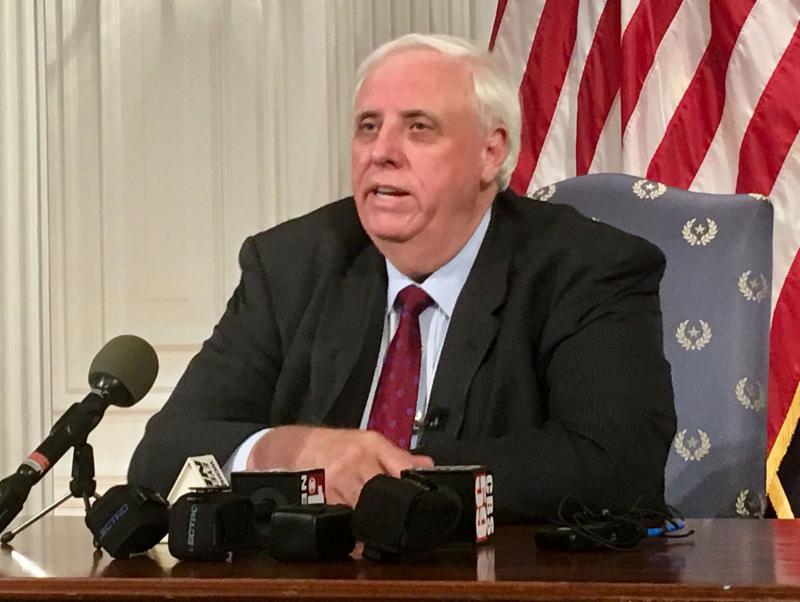
W.Va. governor to ask for teacher pay raise; teachers to return to school on Thursday
West Virginia Gov. Jim Justice announced Tuesday that he has asked lawmakers to give teachers, service personnel and state employees a larger pay raise this year as part of an effort to end a work stoppage by public-school teachers and service personnel a week after it began.
Read more.
|

To fix the gaming of graduation requirements, we need to overhaul high schools and our policies governing them
It's easy for us armchair-quarterbacks of education to cast stones at teachers and principals who give diplomas to students who didn't earn them. But a more constructive conversation would start with a mea culpa: We have made a complete hash of the policies governing high schools and what's expected of young people seeking to graduate from them. Until we fix that, we should expect the cheating and gaming to continue.
Read more.
|
Look beyond four-year graduation rates
The battery of questions in this year's Wonkathon prompt is a good one, and they are all deserving of consideration. But I think it overlooks a major consideration: Why four years?
Read more.
|
Tie high school graduation to student attendance and passing grades
A little over a decade ago, Chicago Public Schools began tracking the number of freshmen failing two or more classes who had a 10 percent absence rate or more than eighteen unexcused absences in a year. Data from the Consortium on Chicago School Research showed that, once students hit this threshold, their likelihood of dropping out skyrocketed.
Read more.
|
Education Policy Design: The High Stakes Business Of Educating Students
The American education system is experiencing vast transformation requiring schools to rethink how they teach students, evaluate the education marketplace, and exercise fiduciary responsibilities at the state and district levels. The net neutrality policy reversal from the Federal Communications Commission (FCC) and continuing implementation of the requirements associated with the Every Student Succeeds Act (ESSA) provide a sampling of the ever-expanding legislative canvas impacting education on a massive scale.
Read more.
|
Unpacking Teacher Shortages
One of the current news items I've been mulling over is the conversation around teacher shortages. At the beginning of each school year, teacher shortages are a common theme in the popular press. What exactly does it mean that we're having "teacher shortages"? At a very basic level, there are not enough teachers to fill available jobs. Shortages can also mean a lack of teachers certified in a subject area.
Read more.
|
Students gain workforce skills through part-time jobs
But teens sometimes struggle to balance school with being a 'reliable employee'
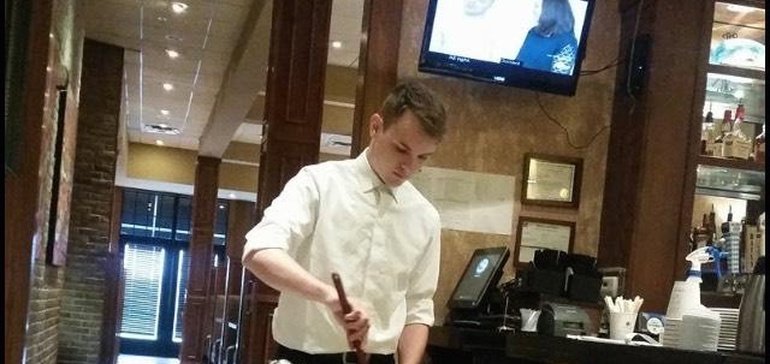
As soon as he turned 16, Jaden Deal took a job at a restaurant bussing tables and working as a host. Now a junior at Norwalk (IA) High School, southwest of Des Moines, he's taken a job as a server and works 15 to 20 hours a week.
Read more.
|
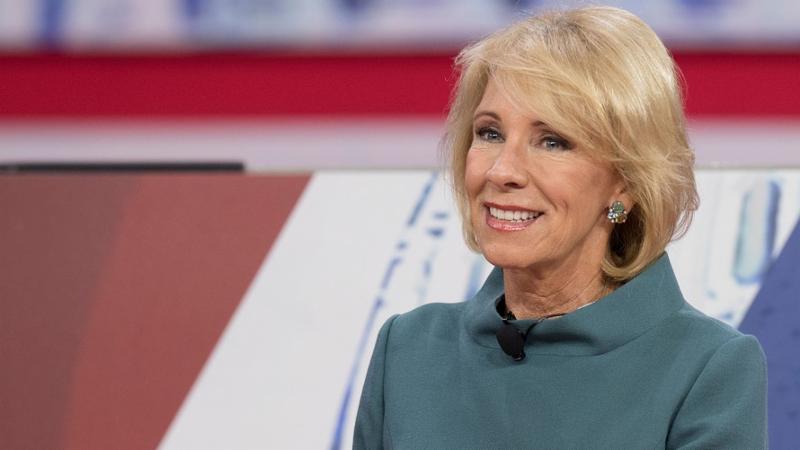
States to DeVos: We'll keep cracking down on student-loan companies
The Department of Education is reportedly planning to argue that federal law supersedes state regulations overseeing student-loan companies
A few years ago, Connecticut state representative Matt Lesser helped kick off a movement among state lawmakers across the country to regulate student loan firms. Now Lesser, a Democrat, and many of those officials are defending their efforts amid reported threats from the federal government.
Read more.
|
Energy
|
Wind to make up 50% of renewables generation by 2027
Analysis firm BMI Research forecasts solar to account for almost 46% of total renewables capacity, excluding hydropower, in ten years compared to wind-power's 45% share.
Read more.
|

State lawmakers on the fence about offshore drilling
South Carolina Governor Henry McMaster has come out strongly in opposition against a plan to open coastal waters to offshore drilling and exploration.
Read more.
|
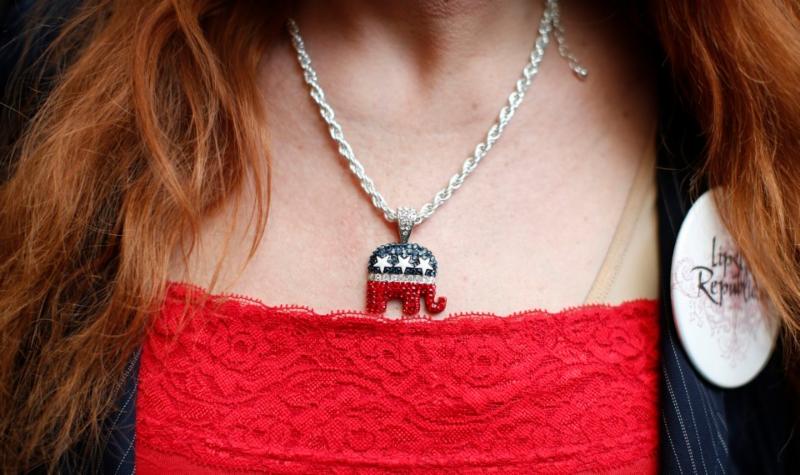
They're Here to Fix Climate Change! They're College Republicans.
"A lot of young conservatives are frustrated by the false choice between no climate action and a big government regulatory scheme."
On Wednesday, a coalition of 34 student groups from around the country - including 23 chapters of the College Republicans - announced the formation of Students for Carbon Dividends, a bipartisan group calling for national legislation to fight climate change.
Read more.
|
Healthcare
|

Baker wants more help in opioid battle
Gov. Charlie Baker on Thursday outlined a series of areas where he'd like to see the federal government and the pharmaceutical industry each get more "aggressive" in the fight against opioid addiction.
Read more.
|
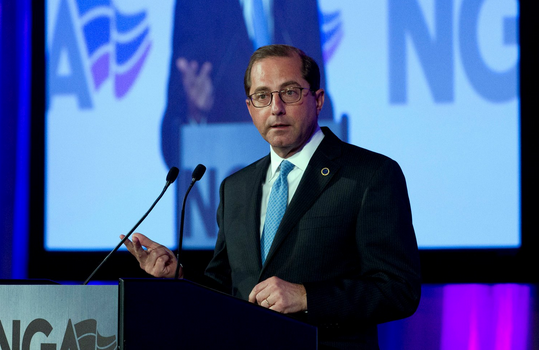
F.D.A. to Expand Medication-Assisted Therapy for Opioid Addicts
In an effort to encourage new treatments for opioid addiction, the Food and Drug Administration plans to begin permitting pharmaceutical companies to sell medications that help temper cravings, even if they don't fully stop addiction.
Read more.
|
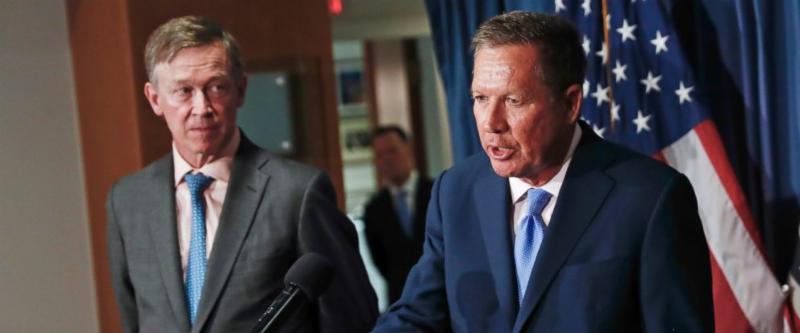
Governors push bipartisan national health care compromise
A bipartisan group of governors working to strike compromise on hot-button policy issues took on the question of health care on Friday.
Read more.
|
HHS Secretary: Short-term health insurance plans are an affordable option
The 21st century is a golden age of personalization. Whether it's customizing our smart phones with our favorite apps or ordering exactly what we need when we need it from Amazon, we increasingly expect a unique customer experience, not a one-size-fits-all model.
Read more.
|
What the Hospitals of the Future Look Like
In a shift away from their traditional inpatient facilities, health-care providers are investing in outpatient clinics, same-day surgery centers, free-standing emergency rooms and microhospitals, which offer as few as eight beds for overnight stays. They are setting up programs that monitor people 24/7 in their own homes. And they are turning to digital technology to treat and keep tabs on patients remotely from a high-tech hub.
Read more.
|
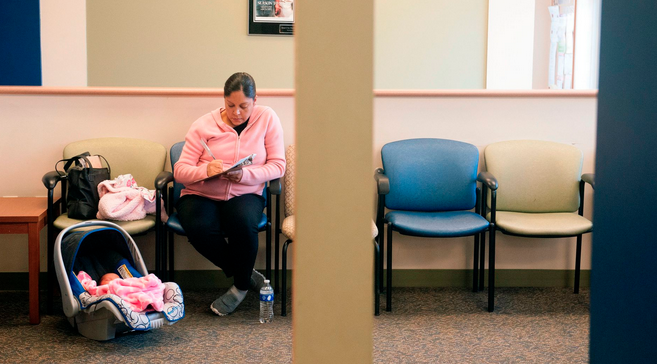
Trump's next health care target: HRAs
The Trump administration was set on three primary health insurance ideas when it released its health care executive order last October.
Read more.
|
Twenty states sue federal government, seeking end to Obamacare
A coalition of 20 U.S. states sued the federal government on Monday over Obamacare, claiming the law was no longer constitutional after the repeal last year of its requirement that people have health insurance or pay a fine.
Read more.
|
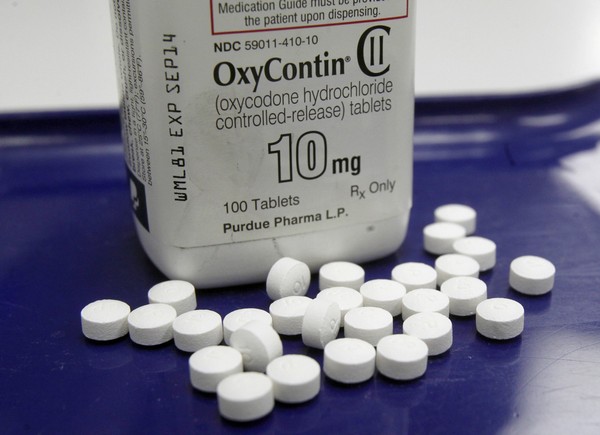
Ohio sues opioid distributors, says negligence flooded state with powerful painkillers
The state of Ohio sued four opioid distributors Monday, accusing them of engaging in unsafe practices that brought a glut of powerful painkillers into a state that is now struggling with an opioid epidemic.
Read more.
|
Walker to Sign Bill Designed to Lower Insurance Premiums
Gov. Scott Walker plans to sign into law a measure that's designed to lower health insurance premiums for people buying plans through the Affordable Care Act.
Read more.
|
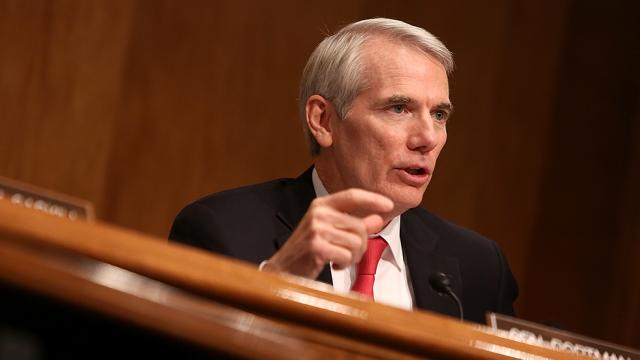
Senators unveil bipartisan bill to fight opioid epidemic
A bipartisan group of senators is introducing legislation Tuesday to address the opioid epidemic, framing it as a follow-up bill to the Comprehensive Addiction and Recovery Act (CARA) signed into law in 2016.
Read more.
|
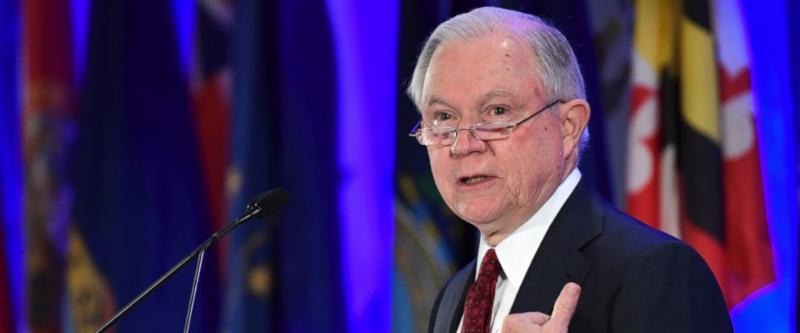
DOJ to support lawsuits against companies selling opioids
The Justice Department said Tuesday it will support local officials in hundreds of lawsuits against manufacturers and distributors of powerful opioid painkillers that are fueling the nation's drug abuse crisis.
Read more.
|
Red and Blue States Move Further Apart on Health Policy
Democratic and Republican states are moving in opposite directions on health policy, leaving Americans with starkly divergent options for care depending on where they live.
Read more.
|
Mississippi moves closer to banning abortions after 15 weeks
(Reuters) - Mississippi moved a step closer on Tuesday to passing the United States' most restrictive abortion law when a state Senate committee approved a bill banning most procedures after 15 weeks of gestation.
Read more.
|
NYC: Opioid Crisis Has Cost City $500 Million
Most of the expense has fallen on the city's financially strapped public-health system
Mayor Bill de Blasio offered few specifics when he said New York City litigation would seek about $500 million from opioid manufacturers and distributors to recover costs associated with abuse of the drugs.
Read more.
|
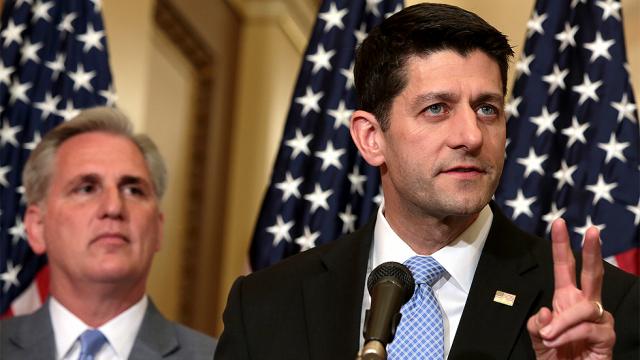
GOP eyes budget maneuver to pay for ObamaCare funds
Republicans are weighing whether to use a complicated budget maneuver to help pay for additional ObamaCare funding, sources say.
Read more.
|
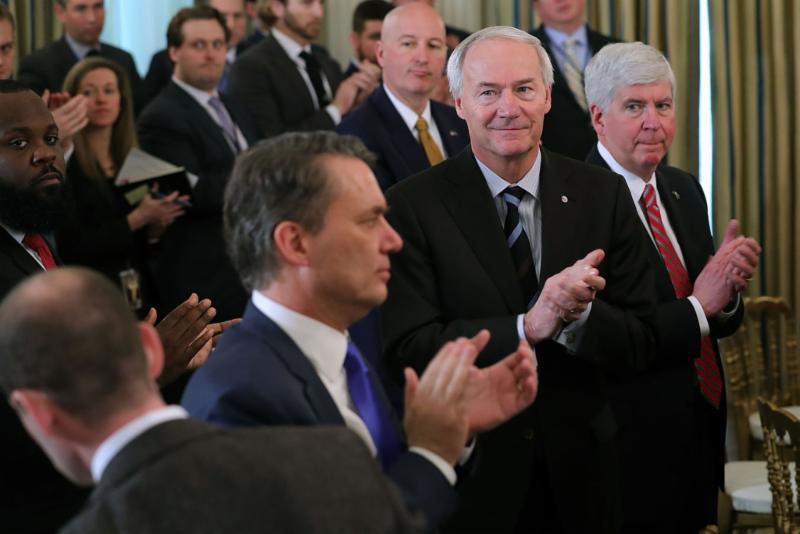
Tens of Thousands of Medicaid Recipients Skip Paying New Premiums
When Arkansas lawmakers debated in 2016 whether to renew the state's Medicaid expansion, many Republican lawmakers were swayed only if some of the 300,000 adults who gained coverage would have to start paying premiums.
Read more.
|
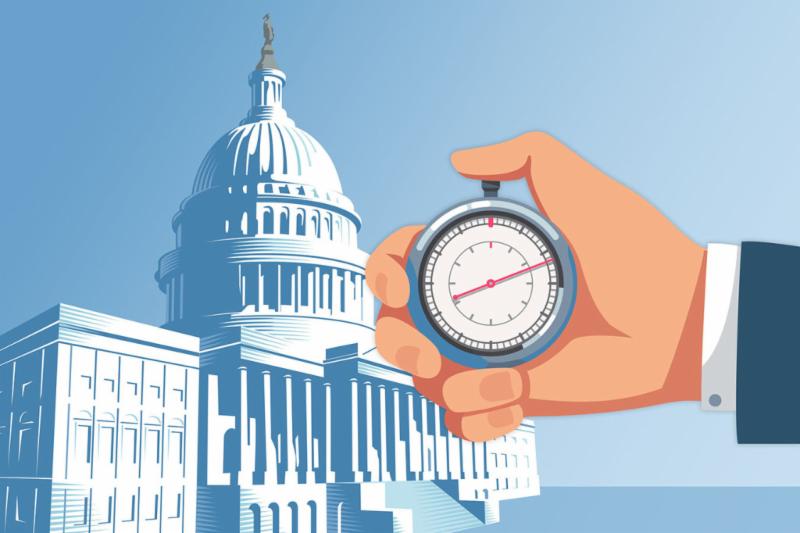
Congress Races The Clock In Quest To Bring Stability To Individual Insurance Market
Congress is running out of time if members want to come up with legislation to stabilize the individual insurance market.
Read more.
|
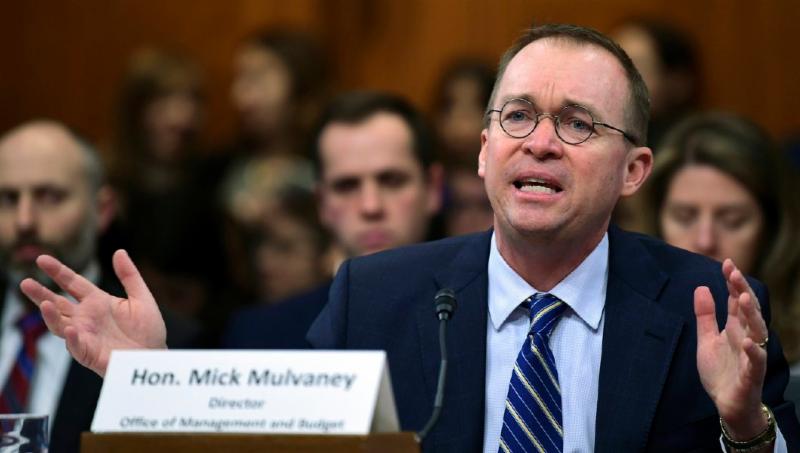
Trump administration weighs in on Medicaid expansion in Virginia, stirring confusion
President Trump's budget chief weighed in on Virginia's Medicaid expansion debate Thursday, expressing his disapproval for the potential move but also raising questions about whether the White House would reject state requests for expansion.
Read more.
|
Sen. Orrin Hatch calls Obamacare supporters 'stupidest, dumbass people'
Speaking about the massive GOP tax overhaul at the American Enterprise Institute on Thursday, the Utah Republican took some time to blast the Affordable Care Act, also known as Obamacare.
Read more.
|
Tax Budget
|
Businesses look to maximize tax breaks under GOP plan
Businesses are starting to evaluate how to minimize their tax bills as the GOP tax-reform plan takes effect.
Read more.
|
Governor Mary Fallin signs 2018 Fiscal Year budget bill
The $6.9 billion budget bill, House Bill 1020XX, covers the current fiscal year, which ends June 30.
Read more.
|
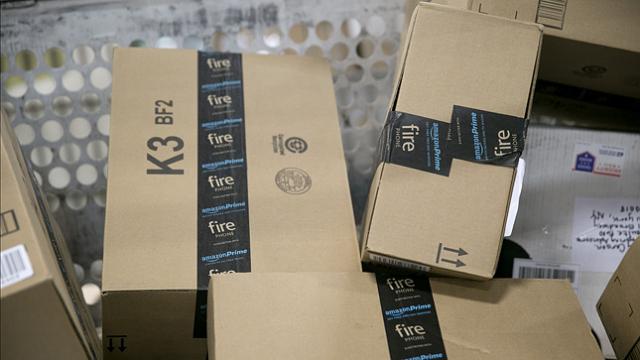
Conservative groups urge Congress to oppose online sales tax bill
A group of right-leaning organizations are urging members of Congress to reject bipartisan legislation that would require out-of-state online retailers to collect sales taxes.
Read more.
|
Senate confirms Trump's OMB deputy
The Senate
on Wednesday confirmed Russell Vought as deputy White House budget chief by a 50-49 vote after months of keeping the nomination in limbo.
Read more.
|
House, Senate budget bills differ on funding
The two chambers of the Wyoming Legislature concluded their budget writing Friday, setting up negotiations over visions that largely agree on spending but diverge sharply on the sources of funding.
Read more.
|
Cleaning Up the Cleaned Up Tax Code
A new carve-out for farm co-ops is a GOP embarrassment.
One risk for the political success of the GOP tax reform is that some businesses will manipulate a large new deduction that could reduce federal revenue and discredit the project. An early warning is a carve-out that benefits some farmers, a clunker that ought to be corrected.
Read more.
|
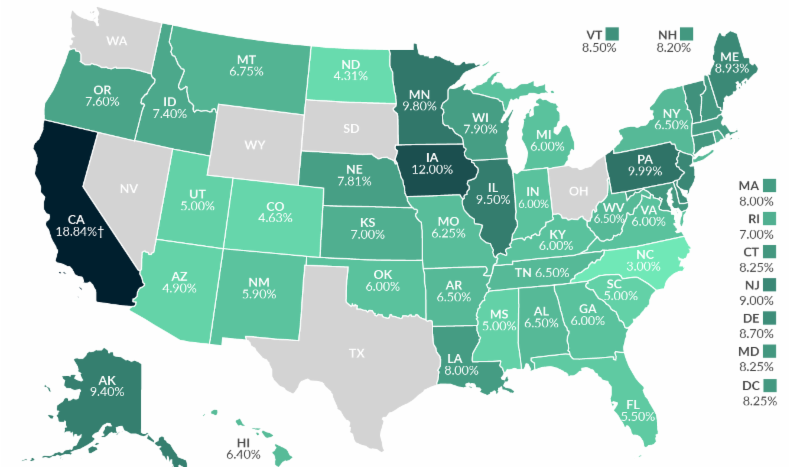
California's Corporate Income Tax Rate Could Rival the Federal Rate
A constitutional amendment (ACA-22) pending before the California General Assembly would more than double the state's corporate income tax rate, yielding the nation's highest rate-an astonishing 18.84 percent, up from the current rate of 8.84 percent. Assemblyman Kevin McCarty (D), one of the lead sponsors of the amendment, characterized it as "middle class tax justice" and argued that given federal rate reductions, corporations could afford to pay more in California taxes.
Read more.
|
Transportation & Economic Development
|
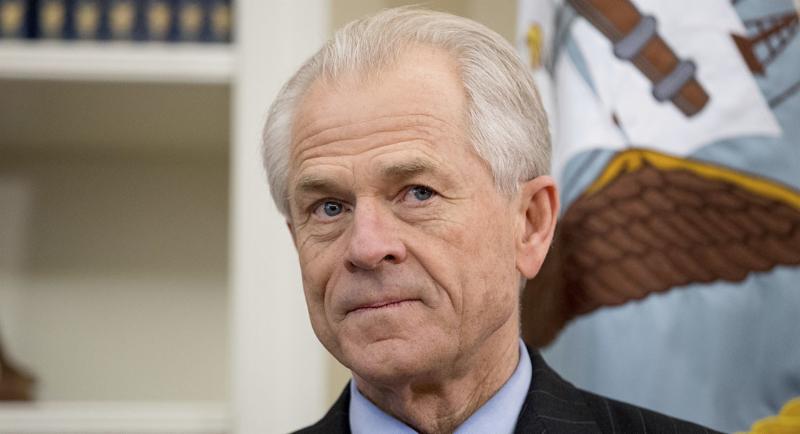
Promotion would give Navarro deeper influence over trade policy
White House trade adviser Peter Navarro, who was sidelined last year after repeatedly clashing with President Donald Trump's more moderate advisers, could soon be granted a title change that would give him more direct influence over the administration's trade agenda, according to three people familiar with the issue.
Read more.
|
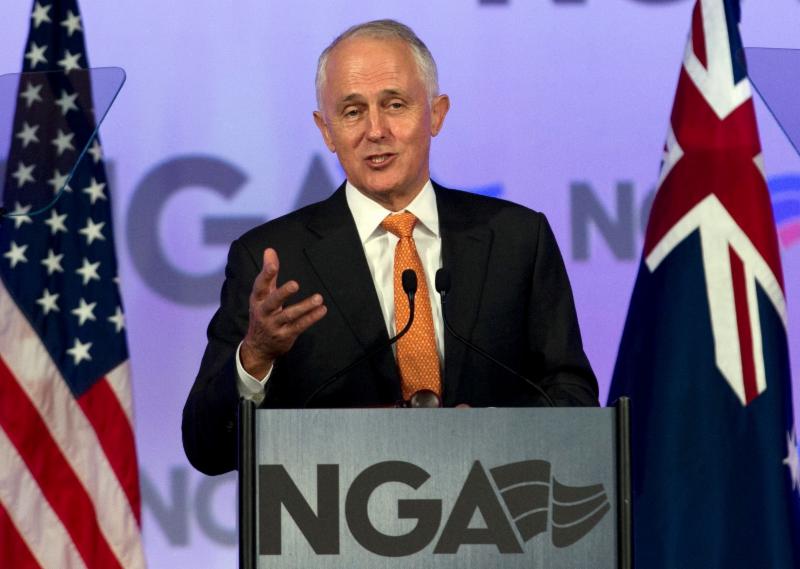
Australian prime minister delivers forceful defense of free trade
One day after meeting with President Trump, Australian Prime Minister Malcolm Turnbull delivered a forceful defense of the positive values of free-trade agreements and asserted that security and openness can coexist in free countries.
Read more.
|
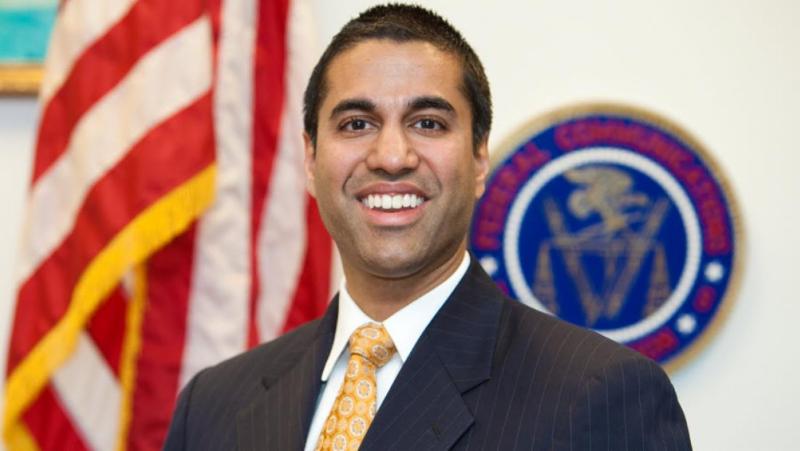
Pai Signals FCC to Start New Spectrum Auctions This Year
Says Congress must fix deposits issue by May to meet timeline
FCC chair Ajit Pai said the FCC will be holding two spectrum auctions in short order, which means next November and soon thereafter.
Read more.
|
Mick Mulvaney Promises Accounting for Business Costs in Rule-Making
WASHINGTON-The business cost of complying with rules will receive increased attention at a consumer-finance regulator, the agency's acting director said, faulting the Obama administration for not giving enough consideration to such factors.
Read more.
|
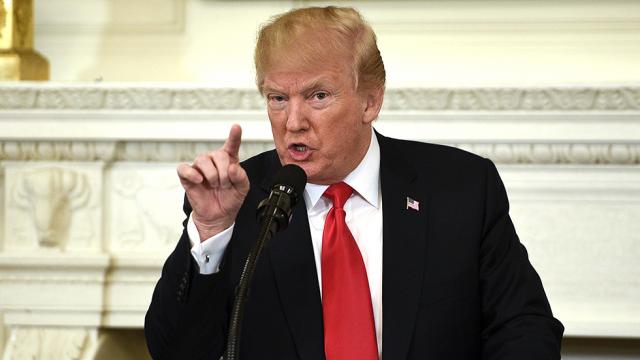
House GOP urges White House to complete NAFTA
House Republicans on Tuesday called on President Trump to
update the North American Free Trade Agreement (NAFTA) while urging caution on slapping tariffs on imports. Read more.
|
Wireless Companies to Start Small With 5G Rollouts
Verizon, AT&T, others expect to offer services this year, but most fall short of carriers' visions of what 5G ultimately will be
After a year of promising tests, wireless companies are finally setting deadlines for the rollout of the next wave of technology designed to revolutionize the way machines reach the internet.
Read more.
|
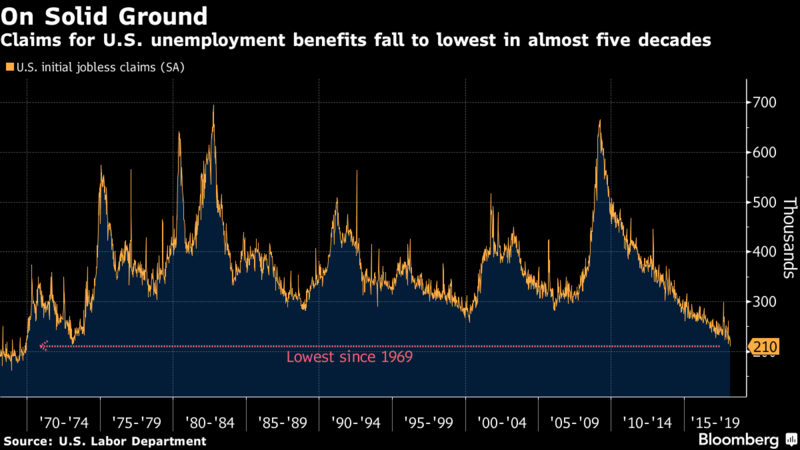
Jobless Claims in U.S. Drop to Lowest in Almost Five Decades
U.S. filings for unemployment benefits fell last week to the lowest level in almost five decades, indicating the job market remains tight, Labor Department figures showed Thursday.
Read more.
|
The Next Chapter of the Entrepreneur's Economy
Technology companies are in the spotlight. Internet platforms have entered uncharted territory, making the impossible possible and giving consumers more choice and access than ever before.
Read more.
|
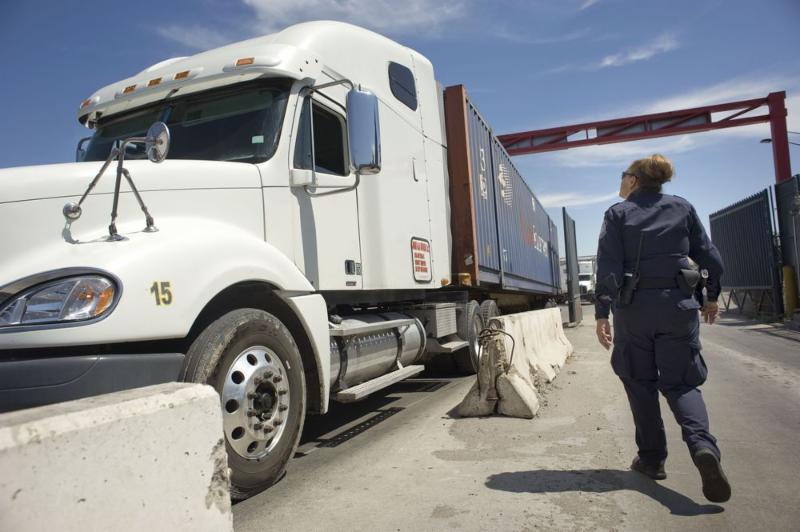
Nafta Negotiators Agree to Regulatory Best Practices, Source Says
Negotiators from the U.S., Canada and Mexico finished work on regulatory best practices for Nafta, the first official "chapter" completed in the latest talks in Mexico City, according to a person with knowledge of the process.
Read more.
|

NAFTA teams set to close telecom chapter as U.S. softens stance: sources
NAFTA negotiators paved the way for closing the telecommunications portion of the trade deal this weekend, as the United States has dropped a proposal to enshrine measures targeting Mexican billionaire Carlos Slim's America Movil, sources said. Read more.
|
Trump's steel shock drives wedge into sluggish NAFTA talks
Negotiators trying to rework the NAFTA trade deal on Thursday were hit by the prospect of conflict over U.S. steel tariffs that could complicate carmaking in North America, one of the most sensitive issues at the talks. Read more.
|

How will artificial intelligence affect employment and education?
I'm skeptical of arguments that technology will have severe detrimental effects on employment for many reasons. But one reason is this: If artificial intelligence (AI) turns out to be as powerful as the worriers say, won't it be good at finding new nonobvious tasks for humans and also training them for these new occupations?
Read more.
|

Making good on the apprenticeship promise will require major investment in states
Apprenticeships are all the rage. President Trump recently announced a doubling of federal funding for apprenticeship programs to $200 million in his next budget. This follows an investment by President Obama of $50 million in the outgoing months of his administration. In fact, this follows a major rewrite of the federal legislation governing job training in 2014.
Read more.
|

College isn't for everyone. Let's stop pretending it is.
It's an article of faith in the school-reform community that we should be striving to prepare all students for success in college-if not a four-year degree, then some other recognized and reputable post-secondary credential. The rationale is clear and generally compelling; as a recent Pew study reiterated, people who graduate from college earn significantly more than those who do not.
Read more.
|
New Study Shows United States Taxes Capital Income at Above-Average Rates
Saving serves a crucial economic function; it helps fund productive investments that drive economic growth, and it generates returns on those investments that allow individuals to build wealth and finance future consumption. However, in many cases, the tax code penalizes saving and investment by subjecting it to multiple layers of taxation.
Read more.
|
Anti-Fossil Fuel Movement Threatens U.S. Economic, National Security
Currently, the United States ranks third in the world in oil production, behind Saudi Arabia and Russia - a fact that 20 years ago would have had people laughing in disbelief. But due to breakthroughs in new technology, America is expected to reach its goal of energy independence by 2020 and has now set its sights on a new objective: energy dominance.
Read more.
|

Increased Revenue Sharing Of Offshore Energy Makes Good Consumer Sense
Offshore energy production can provide key revenue to our coastal states for our crumbling infrastructure and struggling public school systems, while allowing U.S. consumers to reap the rewards of reliable and affordable energy for their homes and cars. That's why the Department of Interior's proposal to expand offshore energy development should be coupled with an expansion of royalty revenue sharing between the federal government and states.
Read more.
|
Public Split on Basic Income for Workers Replaced by Robots
Americans are split in their support for a hypothetical universal basic income (UBI) program that would guarantee a minimum income for workers who lose their jobs because of advances in artificial intelligence (AI). Forty-eight percent support and 52% oppose a UBI program for workers who are displaced by technology.
Read more.
|
50 States of Electric Vehicles
Increasing attention is being paid to rate design for electric vehicle charging, with utilities working to encourage electric vehicle owners to charge their vehicles during periods of low system peak demand, while avoiding charging during periods of peak demand. Several utilities proposed new charging tariffs or the extension of pilot tariffs during 2017, while some states are directing utilities to develop tariffs for electric vehicle charging. Read more.
|
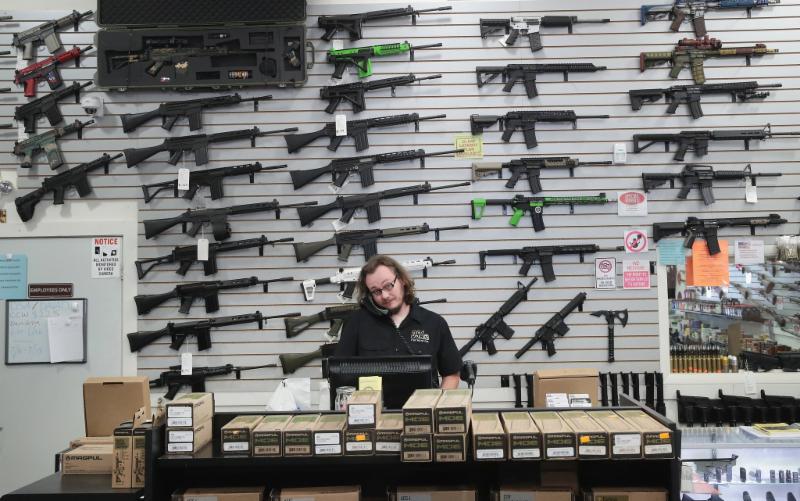
I'm Republican. I Appreciate Assault Weapons. And I Support a Ban.
The most important and unregrettable time of my life was the 12 years I spent in the Army. I became a bomb technician because I wanted to save lives. I nearly gave my own life for that - I lost both my legs and a finger when a roadside bomb detonated beneath me - and have known more heroes than I can count who died defending others.
Read more.
|
Political Commentary
|
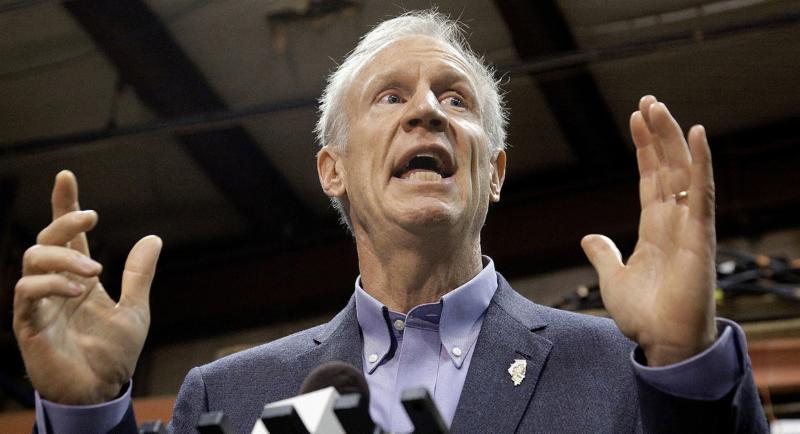
The top 10 governor's races of 2018
Illinois' Bruce Rauner leads POLITICO's latest list of governorships most likely to flip, and Scott Walker is a new addition.
While Washington obsesses over congressional elections and gyrations in the generic ballot, the 36 races for governor across the country this fall could be the most consequential contests of 2018.
Read more.
|
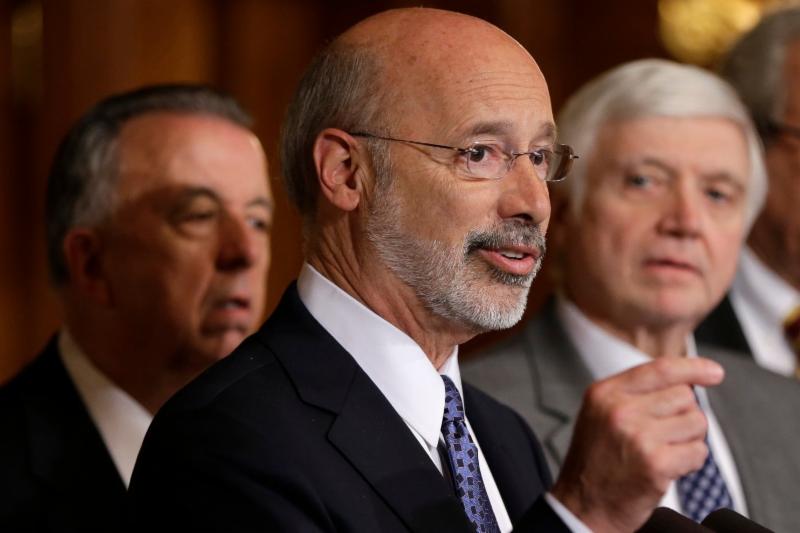
Redistricting battles heighten the stakes for 2018 gubernatorial races
Democrats talk about the years since 2010 as the Lost Decade, a time when a generation of future leaders was wiped out by a pair of devastating midterm elections and the absence of a strategic plan to recoup from those losses. That's one reason this year's gubernatorial elections are the most important in years.
Read more.
|
Kasich ponders end of two-party system
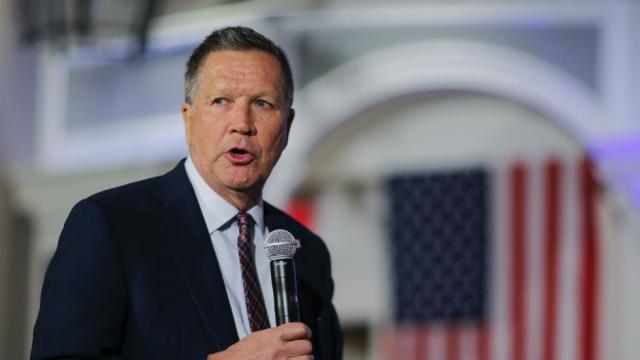
Ohio Gov. John Kasich (R) said on Sunday that the U.S. might be witnessing the end of the two-party political system.
Read more.
|
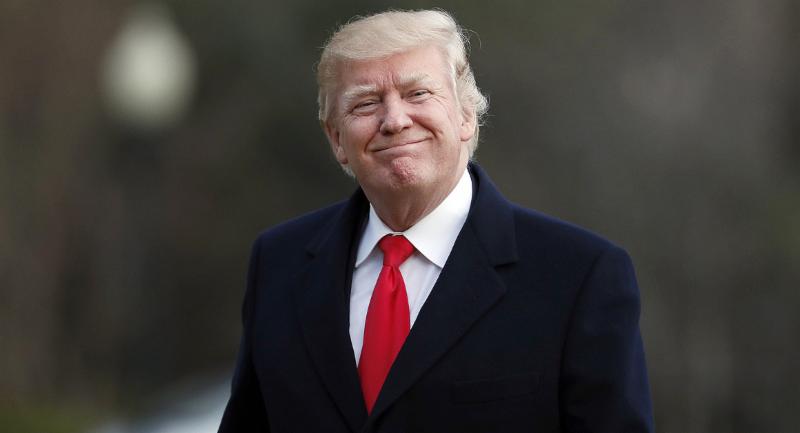
Trump Is Winning
Are you sick and tired of it yet?
Donald Trump is on track to win reelection to the presidency of the United States.
Read more.
|
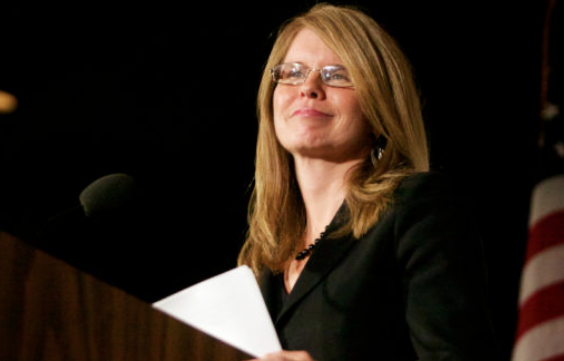
Where Republicans who want to succeed LePage stand on key issues
The months-long race to succeed Republican Gov. Paul LePage becomes public and policy-oriented with the first major Republican debate Monday in Waterville.
Read more.
|
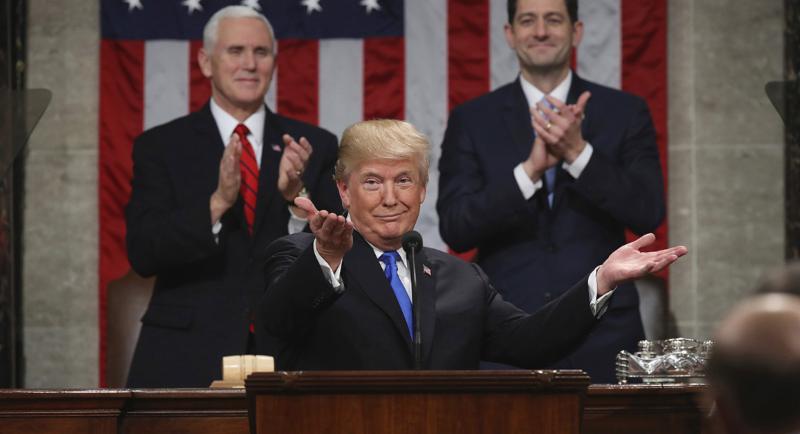
How Republicans Can Win the Midterms
There are so many signs of a coming rout in the House in November that's it's almost impossible to envision any way for Republicans to hang on to their 24-seat majority. And yet a faint outline of how the party might pull it off is nevertheless taking shape.
Read more.
|
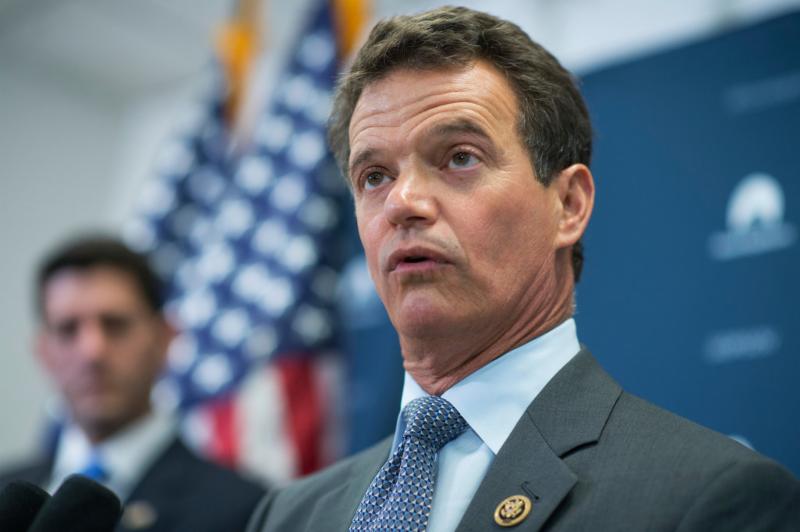
Analysis: Will the Suburbs Flip the House? Watch These Seats
If Trump keeps bleeding suburban support, GOP House majority could be at risk
If elections and national surveys over the past year have shown us anything, it is that suburban voters could well be the key to the 2018 midterm House elections.
Read more.
|
Good News for Senate Republicans
Strong candidates emerge to take a seat in North Dakota and hold on in Arizona.
Talk of a Democratic midterm sweep may be premature. In recent weeks, the chance that Republicans will hold or even expand their Senate majority was boosted by two unexpected events: North Dakota Rep. Kevin Cramer decided to challenge Democratic incumbent Sen. Heidi Heitkamp, and Arizona Rep. Martha McSally launched her bid for retiring Republican Sen. Jeff Flake's seat.
Read more.
|
The Five Gubernatorial Races You Meet in 2018
Sure, there are 36 races, but we've sorted them into types.
They often don't follow national political battle lines. Most states hold them during the midterms rather than during presidential elections.
Idiosyncratic state-level issues can swing them in weird directions. Term limits in some states c
reate an odd rhythm of when seats are open. And maybe most frustratingly, there are numerous races where normal, pre-existing mental categories for elections (e.g. "quadrennial swing state" "red state with Democratic senator" "well-educated congressional district") just don't accurately describe the race. Read more.
|
Ricketts says he doesn't think assault-weapons ban is key to stopping school shootings
Nebraska Gov. Pete Ricketts said Tuesday he doesn't think an assault weapons ban is the solution to stopping school shootings.
Read more.
|
Bill Schuette aims to set agenda for Republican gubernatorial debates
LANSING, MI -- Republican gubernatorial candidate Attorney General Bill Schuette is proposing a series of three debates in the Republican primary, he announced in a press release Wednesday.
Read more.
|
Elected Officials: Recent Policy Highlights
|
Florida Gov. Rick Scott backs raising age for rifle purchases to 21
Florida Gov. Rick Scott joined a growing list of Republican lawmakers Friday to endorse raising the minimum age for purchasing rifles to 21 years old, marking his first major break from the policy priorities of the National Rifle Association.
Read more.
|
LePage: More needs to be done to keep guns from mentally ill
Maine Gov. Paul LePage said more needs to be done to keep guns out of the hands of the mentally ill.
Read more.
|
Texas governor: GOP needs 'tone of respect' toward Hispanics
Texas Gov. Greg Abbott (R) says the Republican Party can win over Hispanic voters, even on immigration enforcement, if only they would approach the country's fastest-growing minority group with a tone that differs fro
m President Trump's. Read more.
|
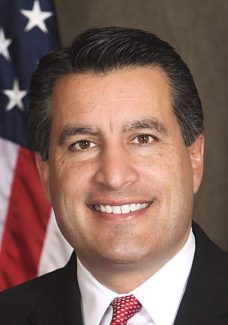
Nevada Gov. Sandoval to talk school safety with superintendents
Gov. Brian Sandoval says he will convene a meeting with Nevada's school district superintendents to discuss school safety.
Read more.
|
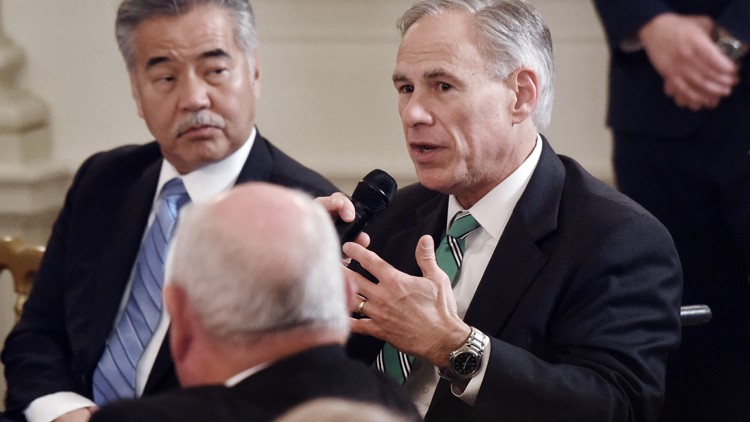
Abbott lauds Texas congressional delegation for landing Harvey funding
Gov. Greg Abbott capped off his five-day trip to the nation's capital Tuesday by meeting with the Texas congressional delegation, thanking them for securing further disaster relief funding that the state can use to recover from Hurricane Harvey - though he cautioned that Texas will need more federal assistance.
Read more.
|
Maine Governor Proposes Another Voter ID Bill
Maine's Republican governor is again trying to require Mainers to present photo ID to vote.
Read more.
|
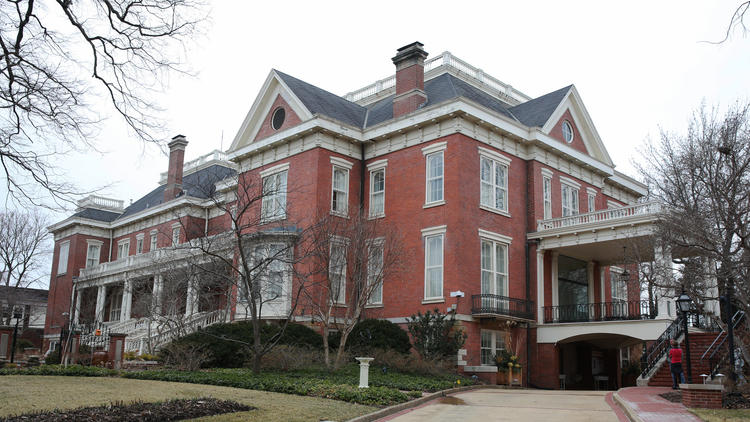
Diana Rauner calls governor's mansion mess a 'metaphor' for state government, announces July reopening
When Illinois first lady Diana Rauner first
glimpsed the governor's mansion, she says, she couldn't help but see the mold on the walls and the array of water-catching buckets as a "metaphor" for the mess husband Bruce Rauner f
ound in 2015 as he took the reins of state government. Read more.
|
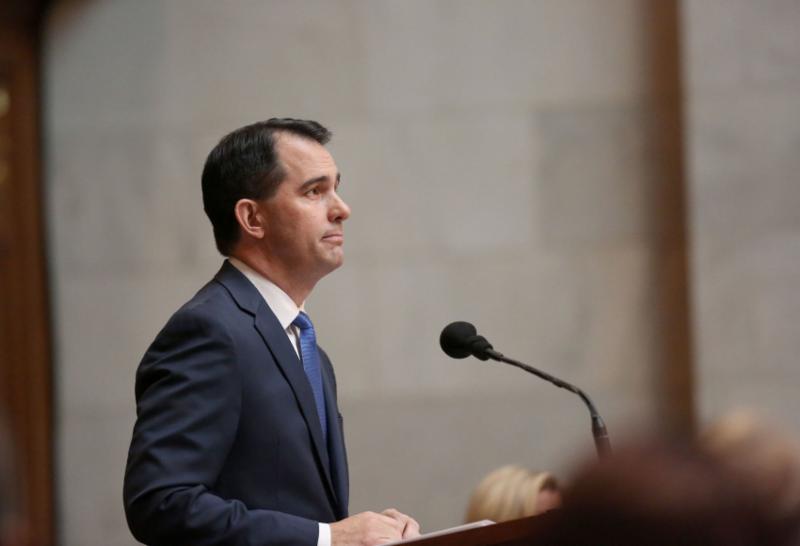
Scott Walker a 'no' on arming teachers, could call special session for 'school safety' legislation
Wisconsin Gov. Scott Walker does not support arming teachers to protect students, he told reporters Wednesday.
Read more.
|
|
|
|
| |
|