|
If you are in the market to buy a home, you’re probably aware that the U.S. economy is experiencing high inflation right now, and that to control inflation, the Federal Reserve has been raising short-term interest rates since mid-2022. You’ve probably also heard that there is the possibility for more rate hikes in the second half of 2023.
When the Fed raises short term interest rates, it tends to lead to higher interest rates across the economy, including mortgage rates. If you are considering buying a home, higher mortgage rates may impact your purchase in the following ways:
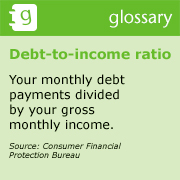
1. You may qualify for a lower loan amount. While the amount you can afford for a monthly mortgage payment is probably relatively the same as before the rising interest rates, the increased interest rates have resulted in higher monthly mortgage payments for the same home purchase price. Working with a lender will help you determine how much of a monthly payment you can afford based on the ratio of the debts you owe compared to your gross monthly income (your debt-to-income ratio, or DTI).
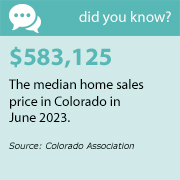
2. You may have difficulty finding homes in your price range. While historically, rising interest rates have resulted in sellers lowering prices, 2023’s housing demand exceeds available inventory, so across the nation higher sales prices are being sustained. However, the higher interest rates have priced some borrowers out of the market, so if you do find a home that works financially, you may have less competition.
3. Ultimately, higher interest rates mean higher mortgage payments. It is important to work with your lender to determine the overall cost of a home, beyond the sales price, so you can set your search parameters within boundaries you can afford. As a reminder, CHFA generally recommends spending no more than 33% of your gross monthly budget on a mortgage payment.
|