A Busy Fall for Restoration! |
|
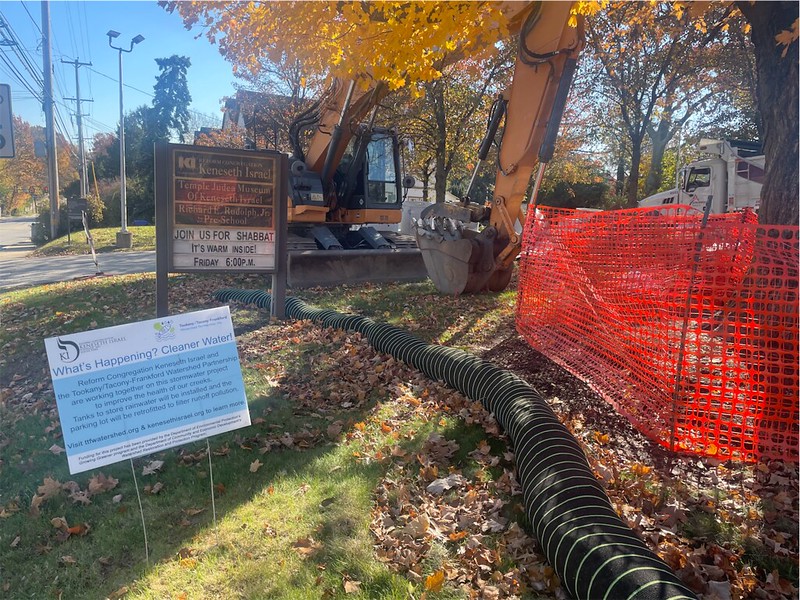
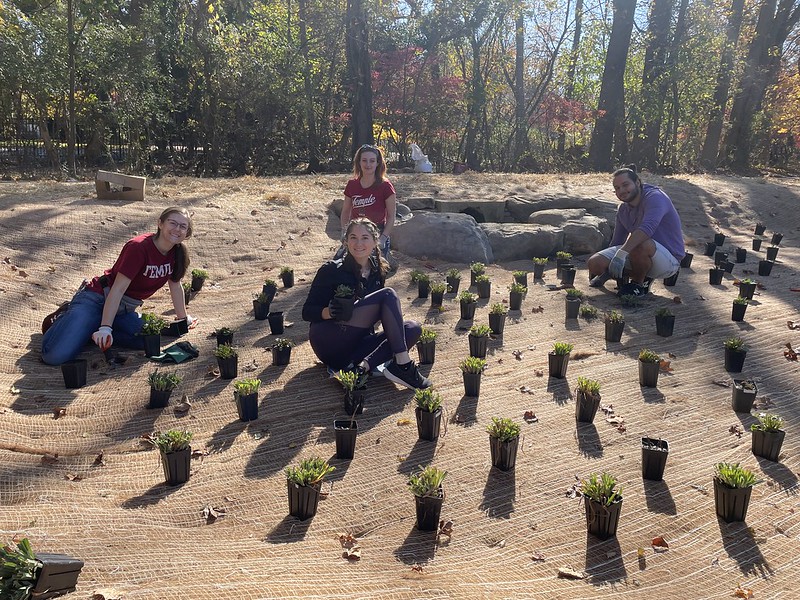
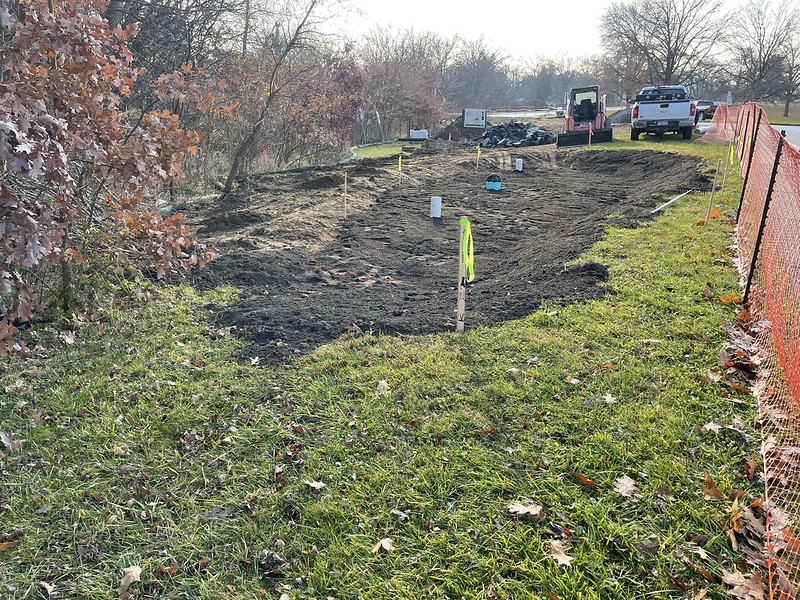
This past fall, we were busy implementing "on the ground" restoration projects, including rain gardens and subsurface features, all with the goal of improving the health of our creeks! |
|
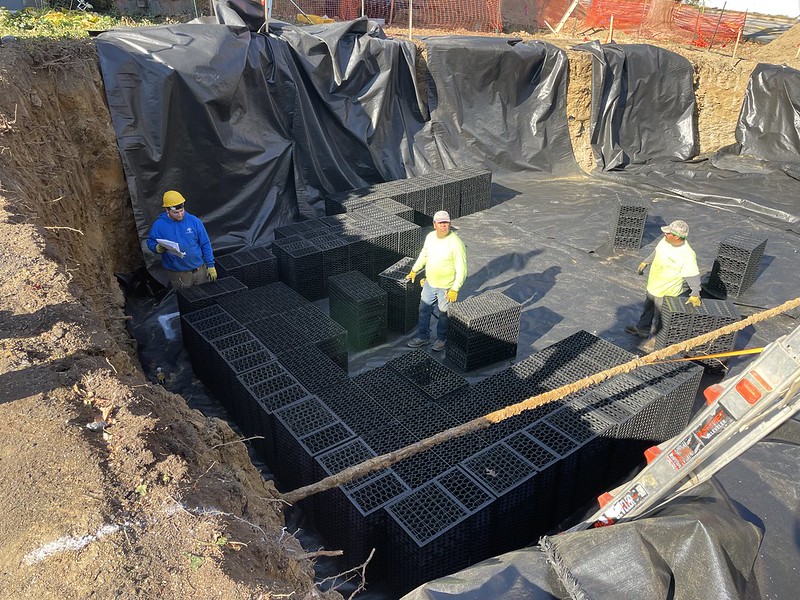
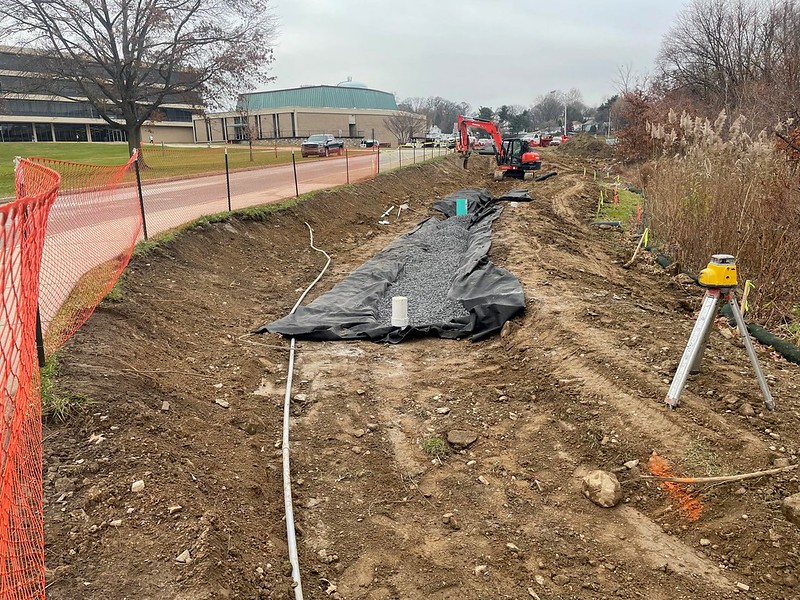
As you can see in these construction photos, features included subsurface storage tanks, wrapped in geotextile fabric, covered in stone, and buried.
|
|
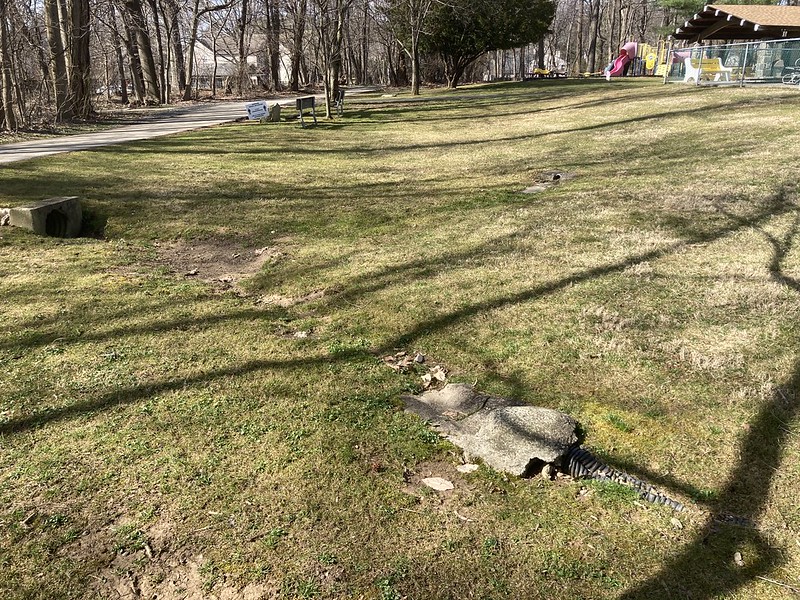
Rain Garden & Bioswale in Alverthorpe Park, Abington |
|
|
|
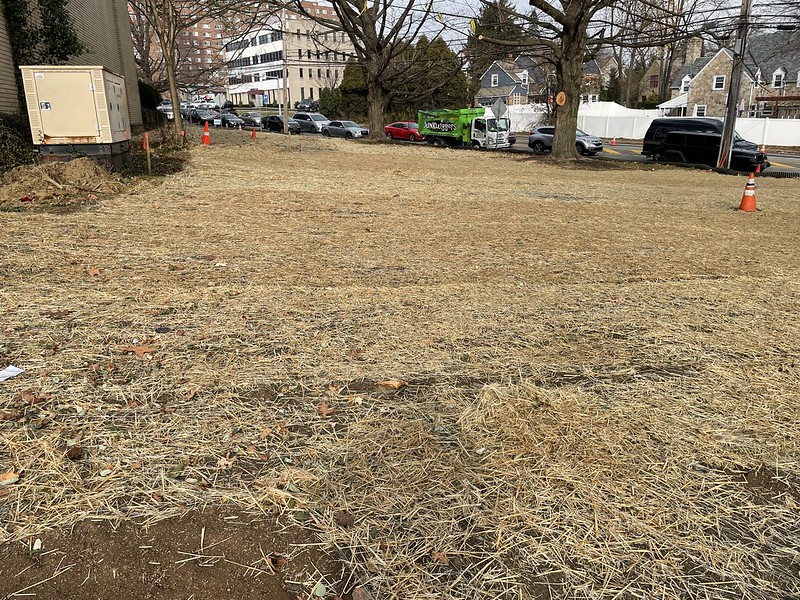
Forest Avenue Rain Garden, Alverthorpe Park, Abington |
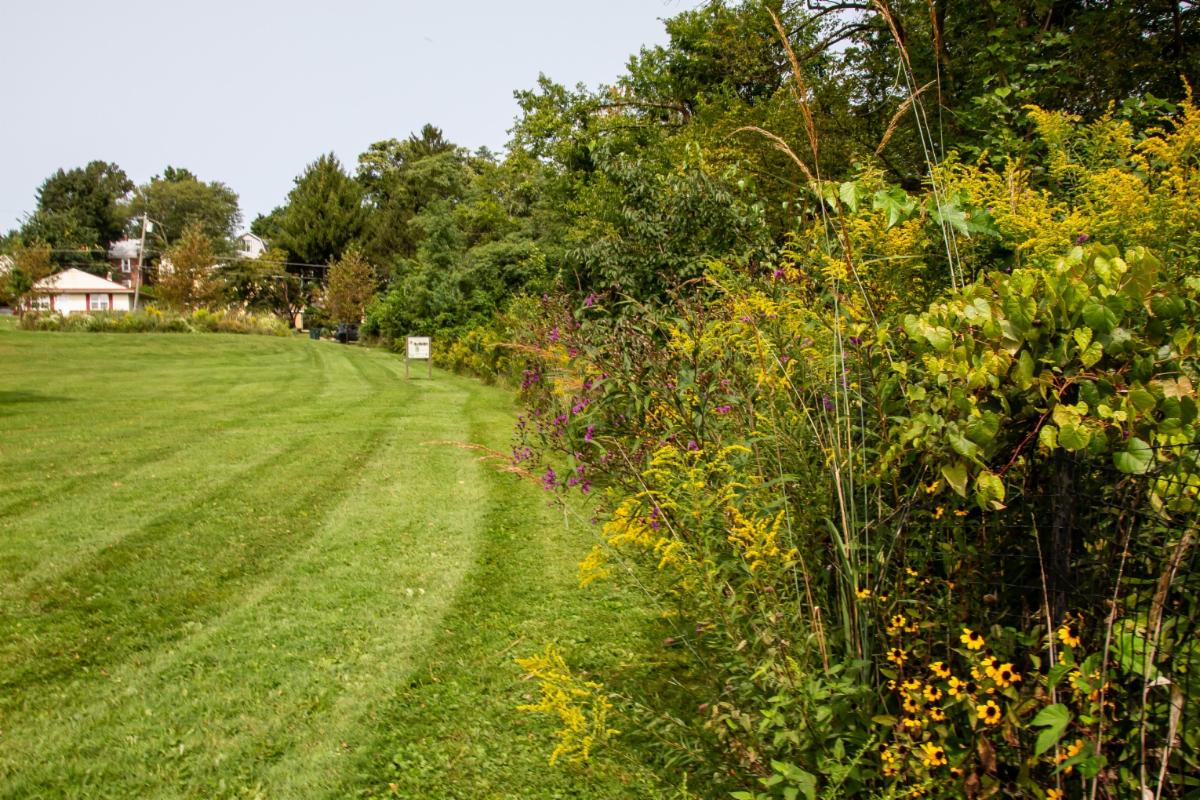
This feature includes a rain garden and small swale that manage just under one acre of park stormwater Located next to the tennis courts along the trail, this new area will be a beautiful park asset.
|
|
Rain Gardens at Abington Junior High School |
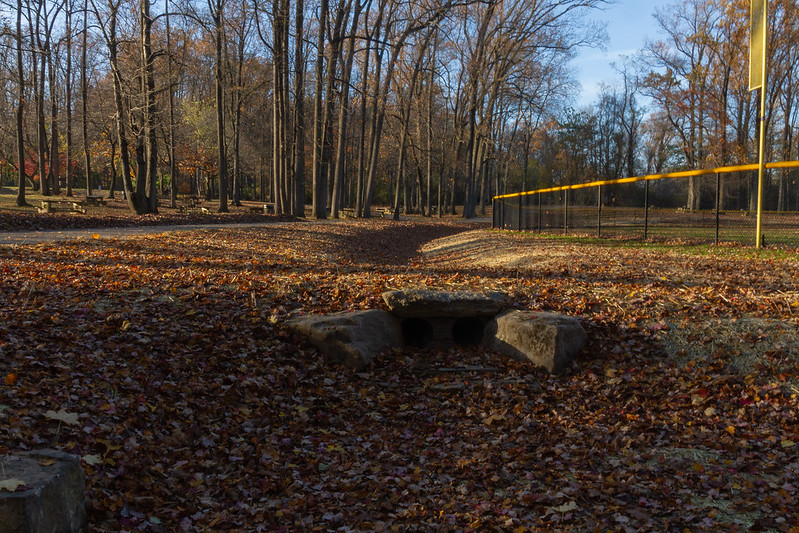
Construction on this pair of rain gardens along Baeder Creek behind Abington Junior High School was completed in November; these gardens will manage one half of an acre of stormwater that flows into the creek from the adjacent bus circle.
These rain gardens were constructed between the existing riparian buffer and the drive behind the school. TTF met with Junior High students to discuss the project and learn about soils.
|
|
|
Creek Care Days are back! |
|
Saturday, March 12, 10am 12pm
Ethel Jordan Park
347 Cadwalader Avenue, Elkins Park 19027
We will fix fencing and remove invasive species such as wineberry, porcelain berry, and oriental bittersweet. Learn more here.
|
|
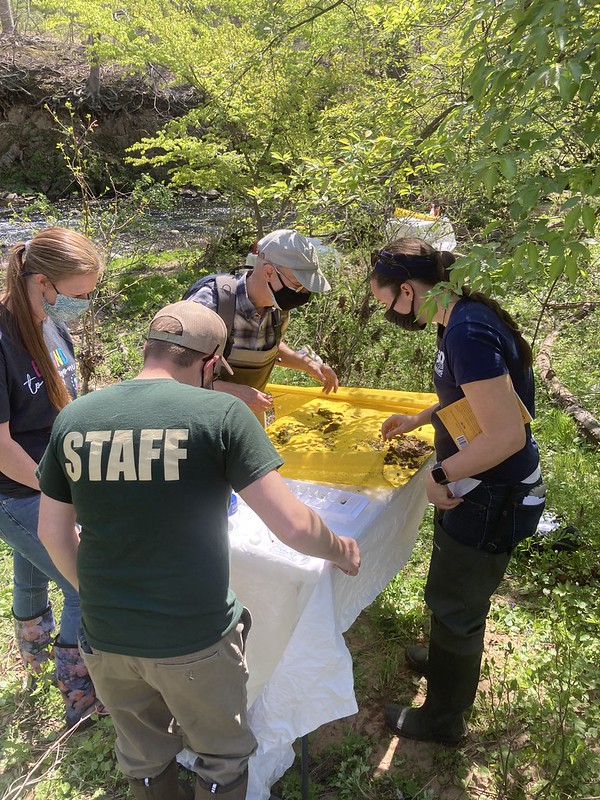
In January, we brought together Streamkeepers to review the program and look towards the future. We discussed our organizations capital projects and plans for upcoming training and field trips. The collective impact of all of our Streamkeepers is remarkable!
Streamkeepers monitor over 75 sites in suburban Philadelphia, including over 100 volunteers who contributed almost 1000 volunteer hours in just monitoring last year! Four training sessions were offered last year: Winter Salt Watch, Construction Site Monitoring, Macroinvertebrate identification, and GSI maintenance for homeowners.
|
|
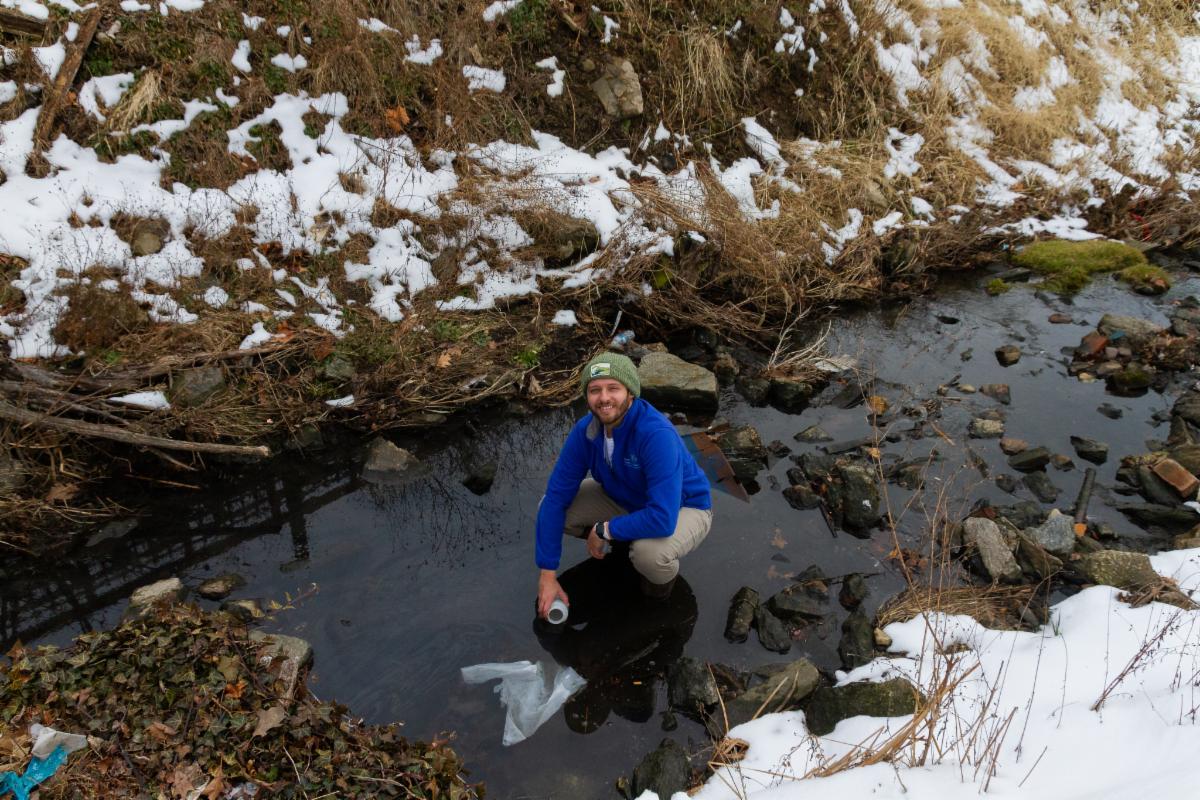
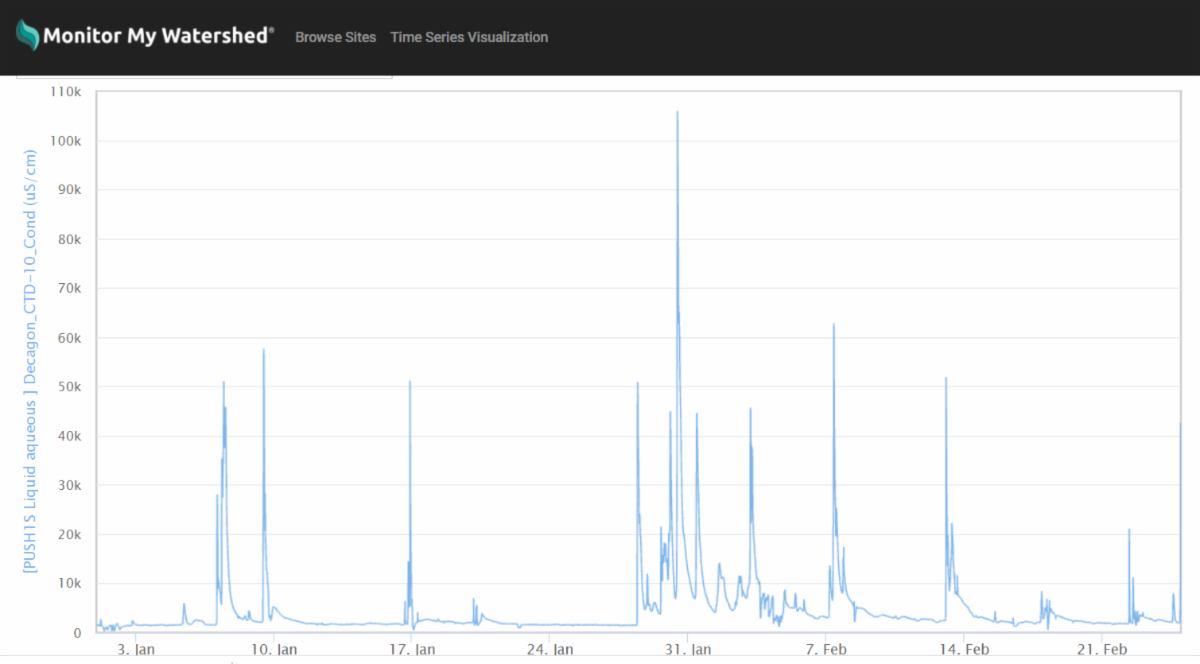
This winter, we have been busy working in collaboration with the Stroud Water Research Center to monitor the impact of road salts on our waterways. This monitoring effort has focused on Shoemaker Run, a tributary to Jenkintown Creek that can be seen at the Abington Club. This monitoring has included the use of continuous data loggers, and water samples collected during peak readings during storm events. A special thank you to volunteers who have collected samples.
On Sunday (January 30), our Shoemaker Run sensor measured conductivity of almost 106,000 uS/cm, an all-time high for that location, meaning that the stream had TWICE as much salt as seawater. However, this winter, that was only one of a total of 7 spikes in which conductivity increased to levels over 50,000 uS/cm (the saltiness of seawater).
Do you notice all of the salt put on the roads to keep them safe during winter storms? Did you ever wonder where all of that salt goes after the storm? It doesn't just disappear.
It starts to melt and enter our waterways in runoff. That's what our sensor measured. We expected to see some spikes from winter storms, but never imagined we would see our freshwater replaced by saltwater this often and to this degree!
|
|
|
|
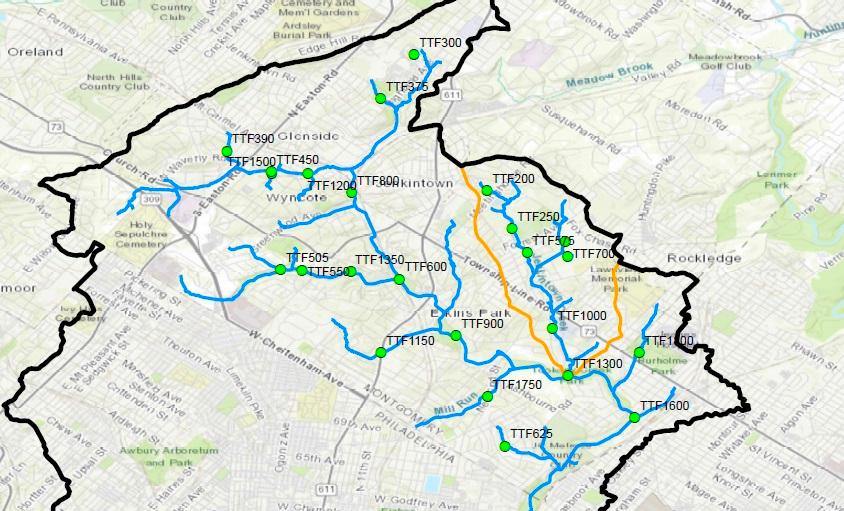
We're excited to highlight some of our 20+ Streamkeeper sites.
We'd like to share information about some of our older sites.
Streamkeepers: thank you for continuing to monitor your sites!
|
|
TTF 575
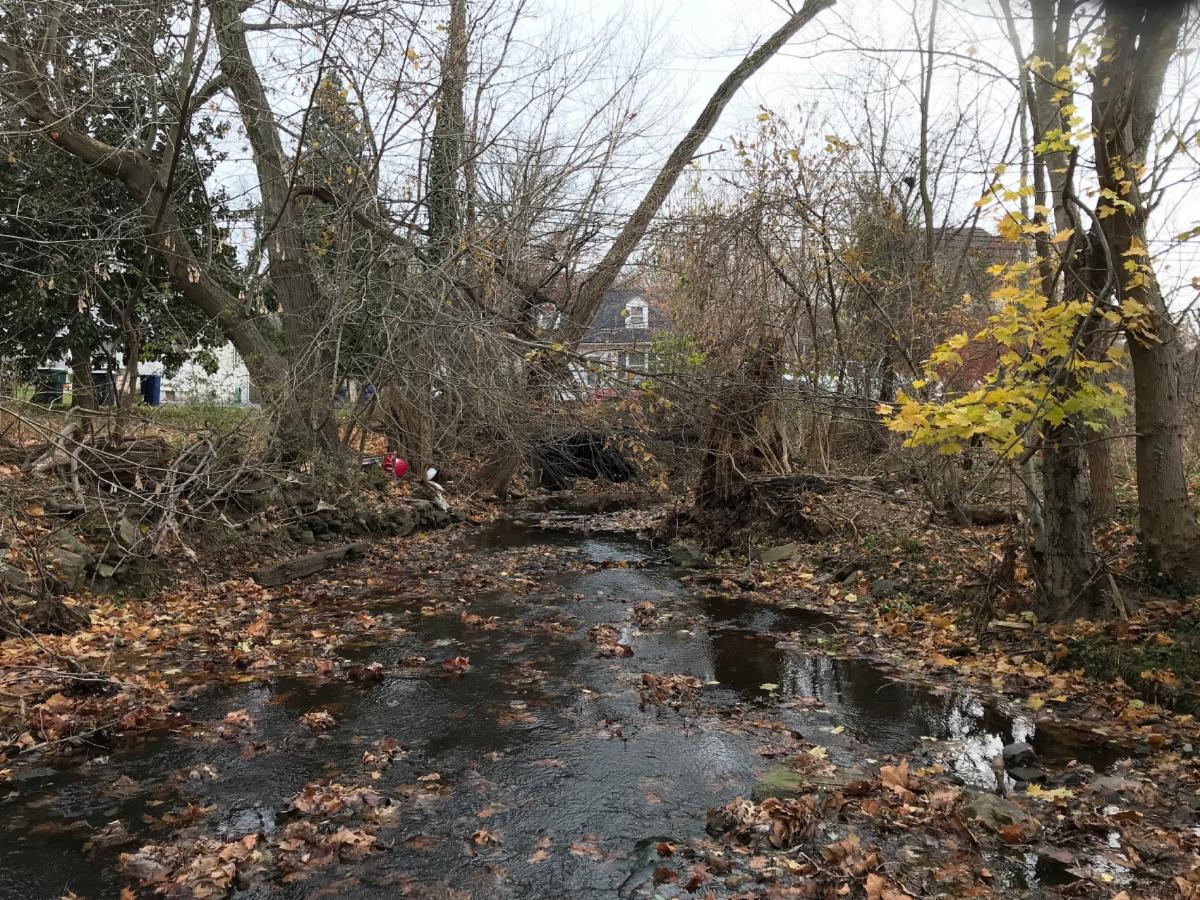
This site is characterized by many shifts in the streambed caused by swift storm flows in which the creek can rise from less than a foot to almost four feet deep. There are a host of fish species found here ranging from small minnows to largemouth bass and catfish.
Temple University has been monitoring the features installed at the park, as well as instream monitoring.
|
|
Shop Locally for the Planet |
|
Please show love to our Partner Alliance Philanthropist Plus member MOM's Organic Market! Not only does MOM's offer a big selection of healthy, organic foods, but you can also bring batteries, cell phones, shoes and more to recycle to the store, as well as food scraps to compost.
MOM's is located at 925 Easton Road in Roslyn.
|
|
|
|
|
|
|