Will I Ever Know
Happiness Again?
| |
|
By Susan Whitmore
Founder and CEO griefHaven
| |
|
My daughter Erika died, and I believed that with her went all the happiness and joy life once held. From that place, I didn’t see how it was possible to ever be happy again. Thankfully, I was wrong.
Of great concern to many people who are in the initial throes of deep grief is whether or not they will ever again know true happiness or experience real joy. They are experiencing thoughts and feelings that are often shocking and scary. I know I did. We might grapple for past coping skills we developed surrounding other losses, yet we find that nothing prepared us for this! The initial pain can be so intense and relentless that we can’t feel anything else, so we don’t see how we could ever make our way from that place to a life that includes actual joy. The distance seems simply too far, and the task beyond daunting—it feels as if it's utterly impossible.
From that perspective, the conclusion we draw is that our life as we knew it—with all the beauty, love, and happiness it included when our loved one was here—is over. We fear that our lives will be nothing more than a game of endurance until the day we die.
It is a frightening notion that we leave a life of “automatic” joy and happiness and enter a life where it seems to be completely and forever absent.
It is also shocking to realize how much our loved one was the source of our everyday happiness. It’s as if a vacuum comes along and sucks everything positive right out of our lives, leaving despair in its wake.
| |
|
That is how it is.
Yet it is only true for a while.
| |
|
The great spiritual guide, the Dalai Lama, said,
"Consider the following. We humans are social beings. We come into the world as a result of others’ actions. We survive here in dependence on others. Whether we like it or not, there is hardly a moment of our lives when we do not benefit from others’ activities. For this reason it is hardly surprising that most of our happiness arises in the context of our relationship with others."
Nothing affirms this statement more than the relationships we share with loved ones.
Take our children. They are everything to us—our meaning and purpose in life, and the source of a love we never knew before they were born. I’ve heard new parents say they never knew such love existed. So when a child dies, a parent’s life seems desolate, like taking a colorful photo and turning it to gray. No color is left in their lives, and all they can feel is pain and hopelessness. Parents don’t see how they can take a dull gray photo and restore it to the beauty, radiance, and boldness it used to hold. This bleak perspective impacts not just parents, but anyone who loses someone they profoundly love.
| |
|
Like taking a colorful photo and turning
it to gray. No color is left in their lives,
and all they can feel is pain and hopeless.
| |
|
I have learned much about happiness since Erika’s death. I know that, despite other losses experienced in my life, I often took its presence for granted because it came and went regularly, organically.
It never dawned on me that I might reach a point in my life where I had to actually "do" something to create a life with a “new kind of joy” and a “new kind of happiness.”
British statesman and novelist Benjamin Disraeli said,
“Action may not always bring happiness, but there is no happiness without action.”
This is a new concept to many. Mostly, we are used to going with the happiness flow of daily life. Happiness is just there, and when it isn’t, we know it will return. But, when faced with the significant loss of a loved one, this expected pattern may be completely disrupted.
| |
|
So, what is the secret to happiness?
And will we ever know
and feel it again?
| |
|
Author Leo Buscaglia said,
"What we call the secret of happiness is no more a secret than our willingness to choose life."
There is a key word in that statement: choose. And never have we had to more consciously make that choice than after our loved one has died.
What I knew of happiness before Erika’s death was that it could be counted on. After Erika’s death, resurrecting joy and happiness required conscious choices only I could make.
At first, I kept trying to re-create the same feelings that I had when Erika was here—kept trying to get back to “normal.” We wonder why can’t the past eventually be the future again? Whenever something significant happens to us, positive or negative, our lives change forever thereafter. We cannot go back—we can only go forward.
I said to myself, “Okay, there’s been enough pain. It’s been long enough, so I'm ready to get back to my old life again.” Then I realized, "Susan, this IS your life!" I realized I was headed the wrong way because that old normal was not to be. The life I led before was based in part on my physical relationship with Erika. Now that our relationship had changed with her death, so had my life and my “normal.”
There it was. A blank canvas in front of me and a “new normal” waiting to be created. So now what? Yes, you must go on, eventually re-investing in life. Of course, this is not realistic in the beginning of the grief journey. But when you are ready, and you will most likely know when that is, you will turn your vision to the future and start taking the steps needed as you rebuild your life, including a new relationship with your lost loved one.
You don’t get there quickly or easily. You might even feel upset reading these words because every part of you cries out against “going on,” as if that translates into “leaving your loved one behind.” That’s not what you are doing. You are finding a new way to have an enduring relationship with them. This you must do, for continuing bonds with your loved one is an important part of your life now. This you must commit to, and only you are in control of doing whatever you need to do to create your new life.
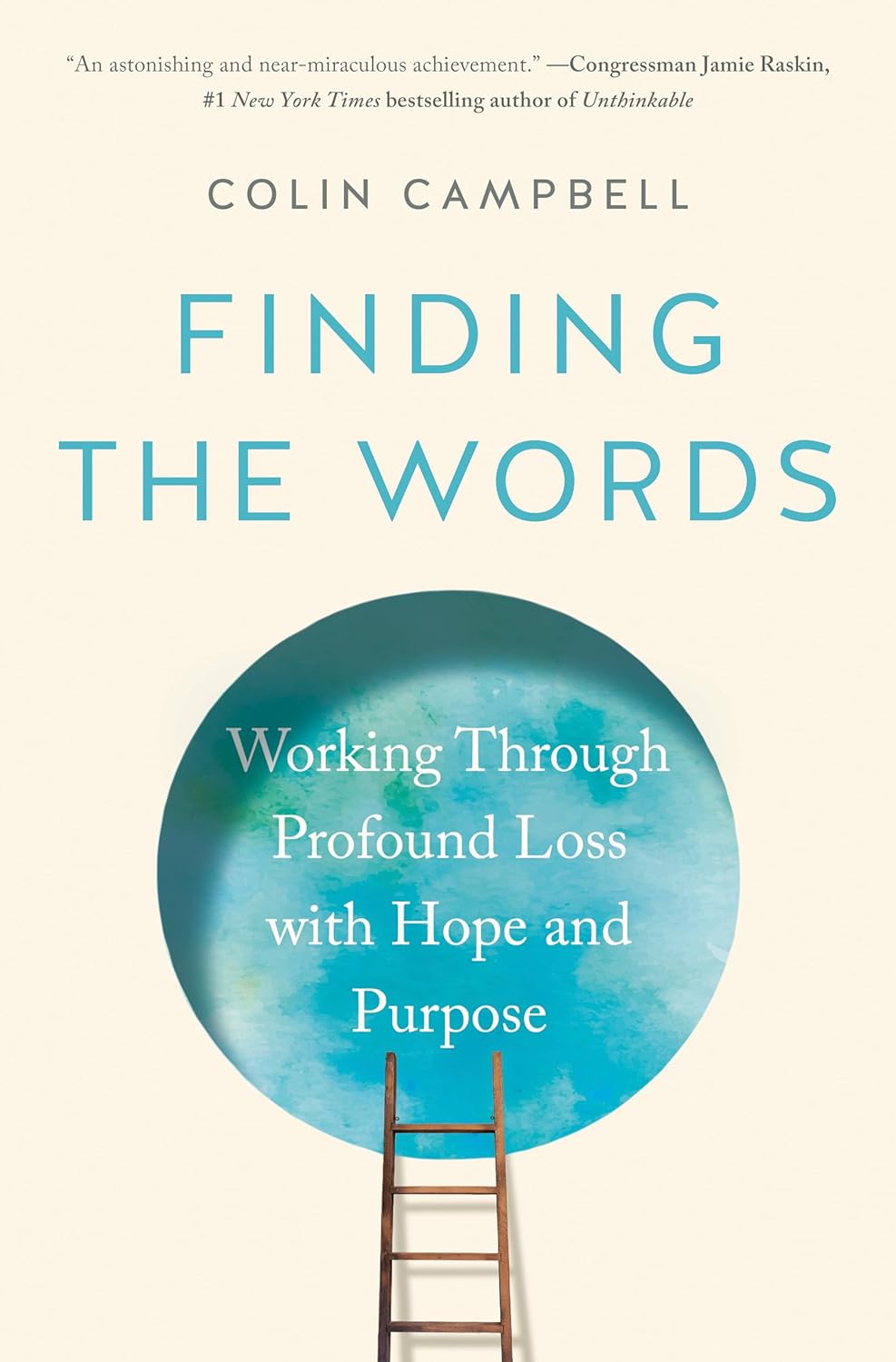
Colin Campbell and Gail Lerner lost both of their teenage children, Hart and Ruby, in a horrific car accident when they were T-boned by a drunk driver. Colin addresses this idea of whether or not happiness and joy can ever be a part of their lives again. In his amazing book Finding the Words, Colin writes, “The thought that the rest of our lives would be this terrifying seemed literally unendurable. … But the state of being in crisis, the acute fear and pain of early grief, does slowly pass. The constant panic and terror subside as we gradually process the reality of our loss. Remarkably, we slowly gain the ability to hold joy and happiness, alongside our grief. Actively grieving allows us to move past helplessness and toward a place of reengagement with life.”
| |
Perhaps you feel guilty thinking about being happy again, as if that would somehow dishonor your loved one. Some people feel they have no right to be happy when their loved one has died. Yet we are here, and choosing life, living it to the fullest, means we must re-embrace its beauty, love, happiness and joy. Otherwise, we have chosen to lie down and give up. That is no way to treat your precious self, nor is it the way to honor your loved one. | |
|
|
So how do we do it? It is called grief “work” for a reason because it takes work and a deep commitment to create a life of new meaning, joy, and happiness. You need to re-invest in yourself by setting clear goals, just like you have at other times in your life. First, to deal with your grief, access grief tools and techniques such as grief groups, grief counseling, grief therapy, grief education, grief books, and any other types of grief support that will help you. Second, to deal with your life changes, formulate a new goal. For example: get a degree, learn a new trade, lose weight, run a marathon, make a new friend, change careers, move into a new home, learn a new language, change a bad habit, fix a troubled marriage, redo your landscape, or eat more healthfully. I know you have one or more of your own goals to add.
All these steps entail a strong commitment and some degree of work. But how have you achieved any of your challenging goals in the past? Did you just go through life waiting for everything to fall into place? No. You committed to and went through whatever you had to in order to achieve those goals. So, the answer to that question, “How do we do it?” is: You begin rebuilding a new life of happiness and joy by consciously choosing certain life-affirming actions which you commit to and willingly work on.
| |
My friends, I say these are some
of the most important goals you
will ever again set for yourself.
This is your life!
| |
Don’t give up—ever!
The reality is that, with all of the resources and support offered by griefHaven and others, you can and will achieve a life of new happiness and joy.
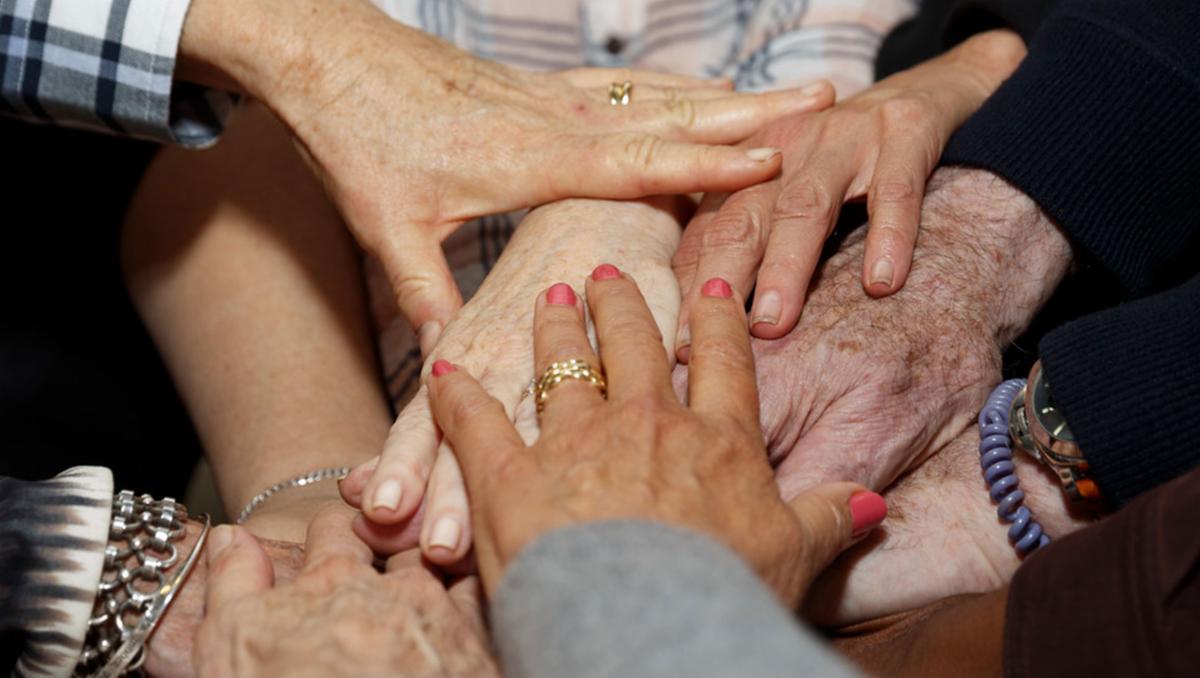
When you are ready, set your goals and know that we are walking with you every step of the way. In other words, you are not alone. Give yourself the gift of at least trying the different types of support that come your way. Although the journey isn’t easy, you have the power within you to mold your life into one of new meaning and purpose … and one that honors your loved one.
| |
On behalf of everyone at griefHaven,
we remind you that you are not alone,
because we are committed to
you and your journey ...
| |
Finding the Words: Working Through Profound Loss with Hope and Purpose, By Colin Campbell (Author)
After loss, one of the most common responses is 'There are no words.' But oftentimes, words are what people who are grieving need the most. When silence is replaced with empathy and support, we help others heal. In his new book Finding the Words, Colin Campbell provides powerful advice for processing pain and being there for those who are grieving. By bravely sharing his journey through the unimaginable, Colin will bring hope to so many.—Sheryl Sandberg, Founder, LeanIn.org and OptionB.org.
When Colin Campbell’s two teenage children were killed by a drunk driver, Campbell was thrown headlong into a grief so deep he felt he might lose his mind. He found much of the common wisdom about coping with loss—including the ideas that grieving is a private and mysterious process and that the pain is so great that “there are no words”—to be unhelpful. Drawing on what he learned from his own journey, Campbell offers an alternative path for processing pain that is active and vocal and truly honors loved ones lost.
Full of practical advice on how to survive in the aftermath of loss, Finding the Words teaches readers how to actively reach out to their community, perform mourning rituals, and find ways to express their grief, so they can live more fully while also holding their loved ones close. Campbell shines a light on a path forward through the darkness of grief.
| |
|
The griefHaven Method™
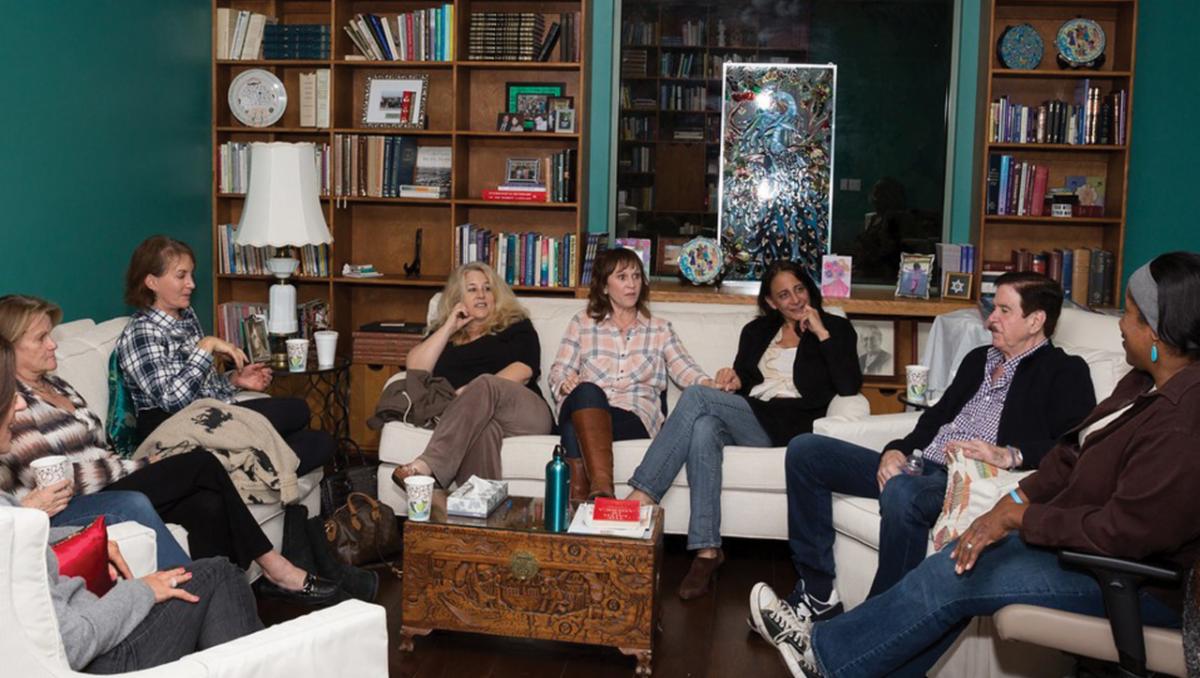
Our support groups are more than only talk groups. They are facilitated by trained professionals. Each group is a specialized grief “program” that provides you support in all areas impacted by your loss. You will also go through your grief journey with others who have experienced the same loss.
| |
Without donations, griefHaven would no longer exist. We are dependent upon the generosity of those who give so that we may continue providing love, education, and support to those in need. | |
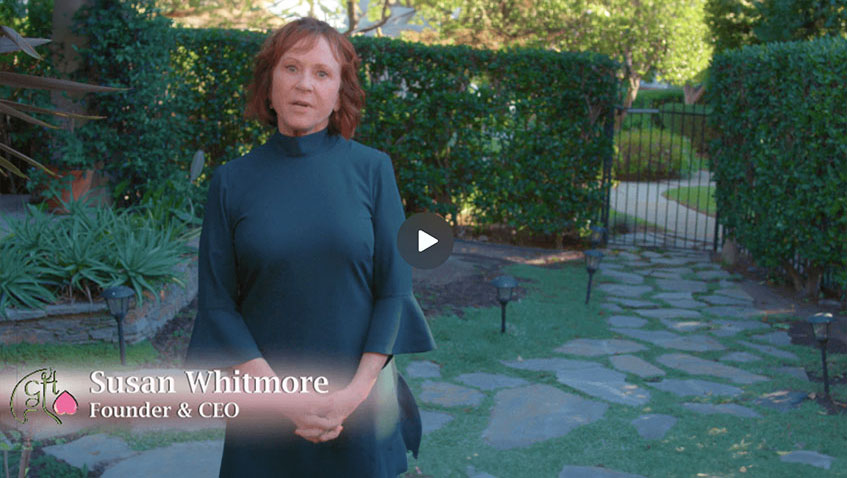
Who is griefHaven? What does griefHaven do? Watch this short and informative video to hear the answers. | |
Order a free Packet of Hope for yourself or someone you care about. Packet includes information for the griever and the supporter. | |
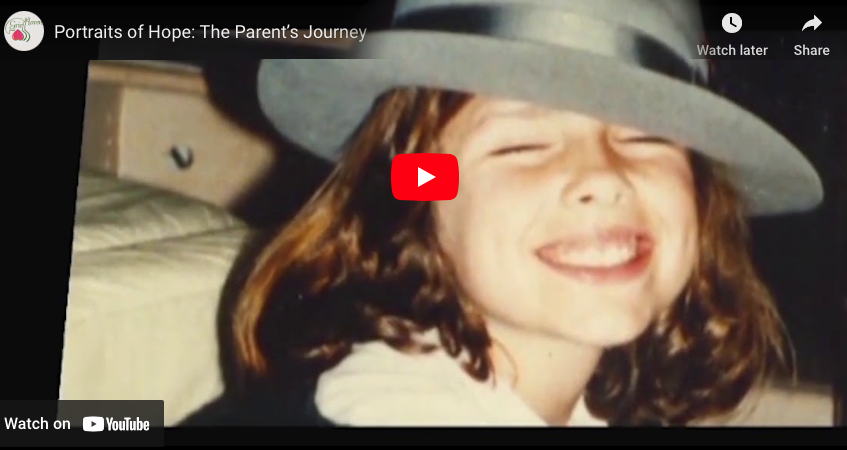
Portraits of Hope Documentary Film | Watch the documentary film Portraits of Hope: The Parent’s Journey. | |
For the person who is grieving, a grief pin makes a loving gift. For volume discounts, email hope@griefHaven.org or call (310) 459-1789 | |
What to Say; What Not to Say | |
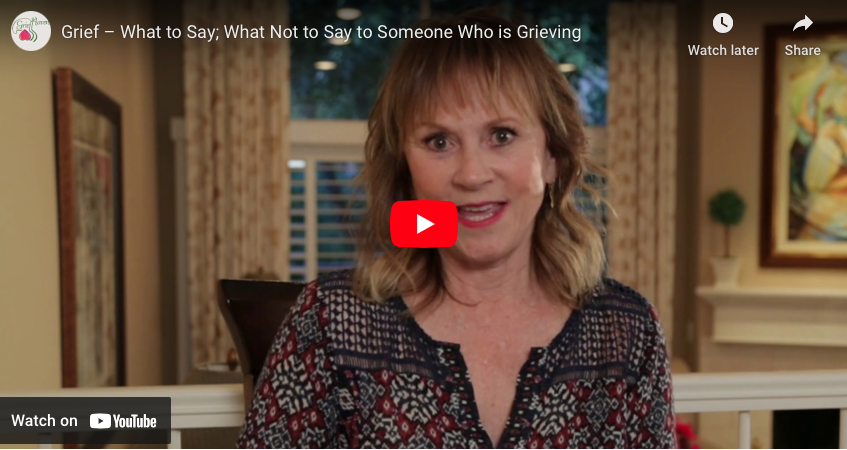
What to Say; What Not to Say to Someone Who is Grieving.
Not sure what to say to someone who is grieving? That's okay. We've got you covered. Watch this for some guidelines.
| |
Here we provide brief, thought-provoking and useful educational information videos regarding loss, life, and ideas we feel will help you live a better life. New shows added regularly. | |
Visit our “In Loving Memory” room dedicated to sharing your loved one with others and keeping their memory alive. Contact us if you would like griefHaven to create a special area for your loved one. | |
Love Wall
Visit the "Love Wall” that honors all those who have generously supported us. All griefHaven donors receive a tile. THANK YOU TO ALL OUR DONORS!
| |
| | | |