|
| |
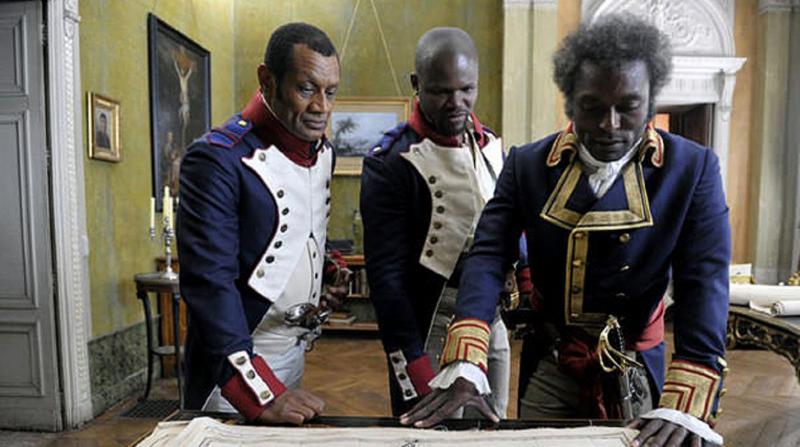
Toussaint L'Ouverture and the Haitian Revolution.
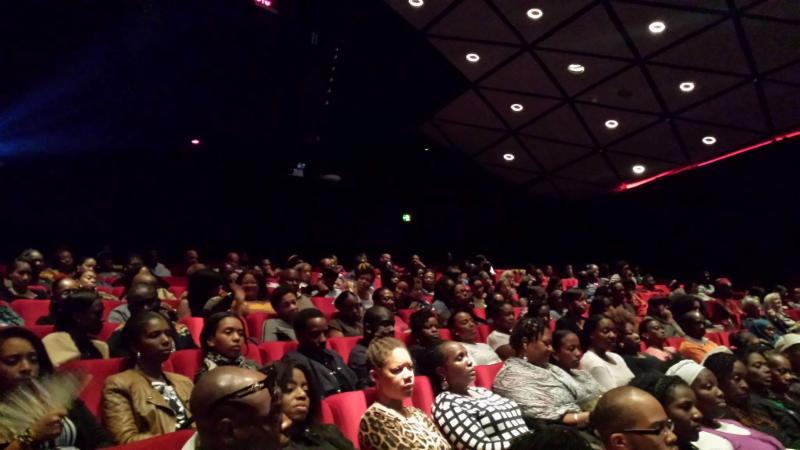
A single,one off screening in the 450 seat BFI Southbank (above)
Saturday 2nd July 2pm
Book tickets HERE NOW, if you delay, expect disappointment as there will be massive crowds
Epic 3 hour action drama about the world famous slave revolt in Haiti which defeated the French, the British and the Spanish with African ingenuit
y. While Hollywood comes out with yet another fictional Tarzan movie about a white superman, they have never invested in telling this amazing true story..why ?
|
|
'This is the house of Tarzan, the killer of beasts and many black men' This is how Tarzan introduces himself to Jane in the original Tarzan of the Apes book. Later on he rescues Jane (who was originally an American woman from the South) from a 'black ape rapist'
Scroll to bottom to see full story
|
|
How to help !
Events listed here are consistently ignored by mainstream media.You can assist by forwarding this newsletter to 10 friends/family and attending the films, talks and walks.
|
|
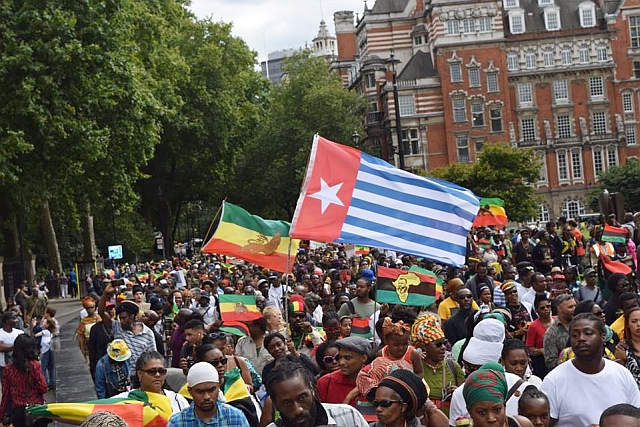
Reparations March 1st August. Click image above to see 3 minute video
Approximately 18,000 people have marched through London over the last two years to raise awareness of Reparations however, mainstream media consistently ignores the event.
Commemoration of Emancipation is important and should never be forgotten. The benefits of slavery live on in the countries that illegally trafficked African people.
We are appealing for your support to fund a press campaign. The Afrikan Emancipation Day Reparations March is on the 1st August 2016 and as many people as possible need to know about it . This can't be accomplished without your help. Please donate as little as £1 or as much as you can to assist with this International Press Campaign appeal which is powered by Just Giving.
|
|
The Hard Stop plus Q&A with director George Amponsah, co-writer/producer Dionne Walker, Stafford Scott, Co-founder Broadwater Farm Defence Campaign
Monday 11th July 5.45pm
@BFI Southbank, Waterloo
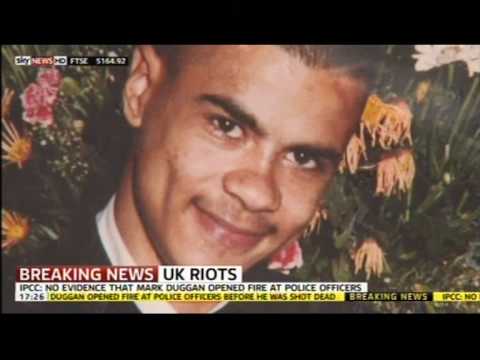
(Click image above to see trailer) In 2011, the fatal shooting of Mark Duggan by the Metropolitan Police sparked intense riots in London. A jury's verdict of lawful killing—currently under appeal—shocked both his family and his community once again. Against this backdrop, The Hard Stop follows Mark's friends, Marcus and Kurtis, as they seek justice and try to get on with their daily lives. George Amponsah masterfully captures the fractured relationship between Tottenham and the Metropolitan Police as Marcus, Kurtis, and the community fight.
|
|
The Althea Gibson Story
Sunday 17th July 4pm
@Phoenixcinema
2 mins walk from East Finchley tube. 7 stops from Kings Cross.
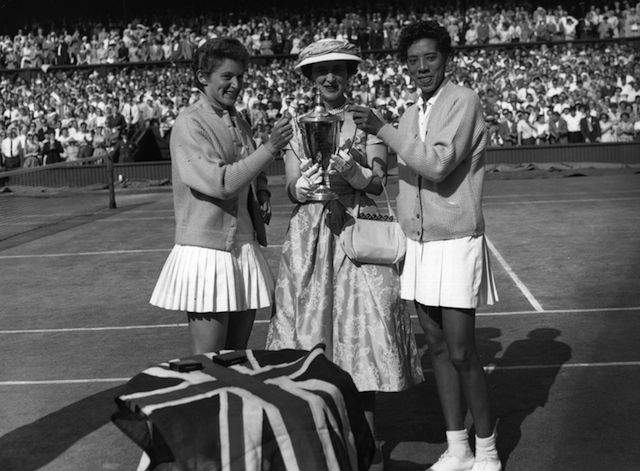
The Black female Tennis hero who inspired the Williams sisters with her amazing two time win of Wimbledon in racist 1950's Britain.
Althea Gibson's life and achievements transcend sports. A truant from the rough streets of Harlem, Althea emerged as a most unlikely queen of the highly segregated tennis world in the 1950's. Her roots as a sharecropper's daughter, her family's migration north to Harlem in the 1930's, mentoring from Sugar Ray Robinson, David Dinkins and others, and fame that thrust her unwillingly into the glare of the early Civil Rights movement, all bring her story into a much broader realm of the American story.
|
|
Why Tarzan will always be racist
|
|
Tarzan started off as a character written by Edgar Rice Burroughs (1875-1950) in a 1912 magazine, before becoming a series of books and movies. The basic story is that the aristocratic offspring of English Lord Greystoke is orphaned as a child in Africa. He is then raised by apes in the jungle and becomes the King of that jungle and all who dwell in it. Tarzan, which means white skin in 'ape speak', is faster, stronger and more intelligent than the native Africans. For readers at the time and perhaps even now, whiteness equals civilization. In addition he can speak to the animals, a skill which the local Africans do not have. Tarzan was a comic superhero, long before the appearance of Superman, he can wrestle lions, crocodiles and gorillas with his bare hands.
Edgar Rice Burroughs was born in Chicago, Illinois and had never been to Africa. This is why lions and tigers often pop up in his African jungle despite the fact that lions live exclusively in the savannah and tigers are not found in Africa at all.
|
|
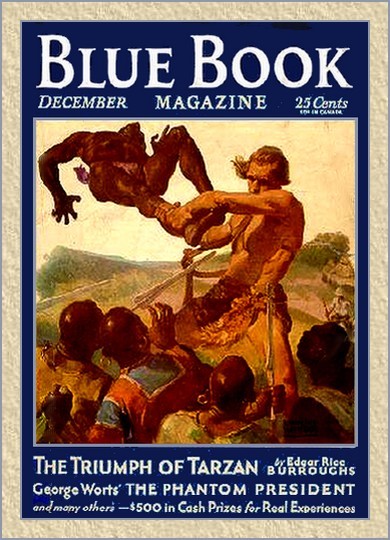
Above: Tarzan swings an African as a weapon. From Blue Book magazine Oct 1931-Dec 1932
It would not be so bad if these were the only factual errors but Burroughs portrays all the Africans as savages who are inferior to Tarzan and any other whites. The original books are full of the 'N word' and racist stereotypes informed by the rampant colonialism of the period. Black people are routinely described in the worst possible way.
"[The little black boy] had seen Tarzan bring down a buck, just as Numa, the lion, might have done... Tibo, the little black boy, lacked the divine spark which had permitted Tarzan, the white boy, to benefit by his training in the ways of the fierce jungle. (From Jungle Tales of Tarzan)
Bearing in mind Burroughs lived in the 'sundown town' of Oak Park, Illinois (a sundown town was a place where all blacks had to be out of the town by sundown or face severe physical consequences) it is very disturbing that his Tarzan character chooses to hang his black victims from trees with vine ropes around their necks . Lynching was common in America up until the 1970's.
Like many of his contemporaries, writes his biographer, John Taliaferro author of Tarzan Forever, Burroughs "believed in a hierarchy of race and class. In the Tarzan stories, blacks are generally superstitious and Arabs rapacious." Meanwhile, Burroughs was "extremely proud of his nearly pure Anglo-Saxon lineage "In his book, Taliaferro uncovers Burroughs' lifelong belief in eugenics, "the radical fringe of Darwinism," the notion that undesirable people -- the ill, the criminal, and the racially "impure" -- should be sterilized.
|
|
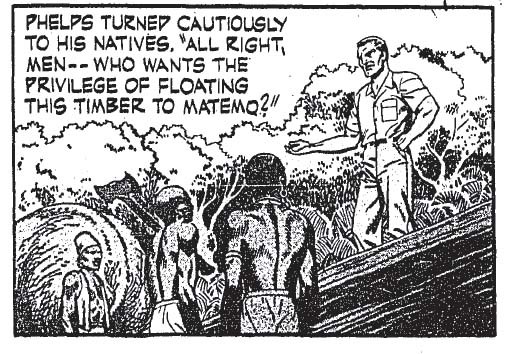
Above: Africans are 'privileged' to work for free in this Tarzan comic. From Tarzan comic strip, The Times Feb 1958
In 1918 Tarzan made his first movie appearance in Tarzan of the Apes and the written stereotypes were transferred onto the big screen where they influenced millions more people.
Possibly the most well known Tarzan was Johnny Weissmuller an Olympic athlete who made a number of Tarzan movies between 1932 and 1948. These movies were shown all other the world and were popular on British TV up the 1990's. They were also broadcast in African and Caribbean territories prior to independence. When Marcus Garvey's Back to Africa movement was gaining momentum, British colonial authorities hired mobile cinemas and drove into countryside areas in Jamaica to show Tarzan and other racist propaganda films. The idea was to convince people that Africa was a 'dark continent' full of 'savages' and they should therefore be happy they were colonised by Britain and ignore Garvey's message.
|
|
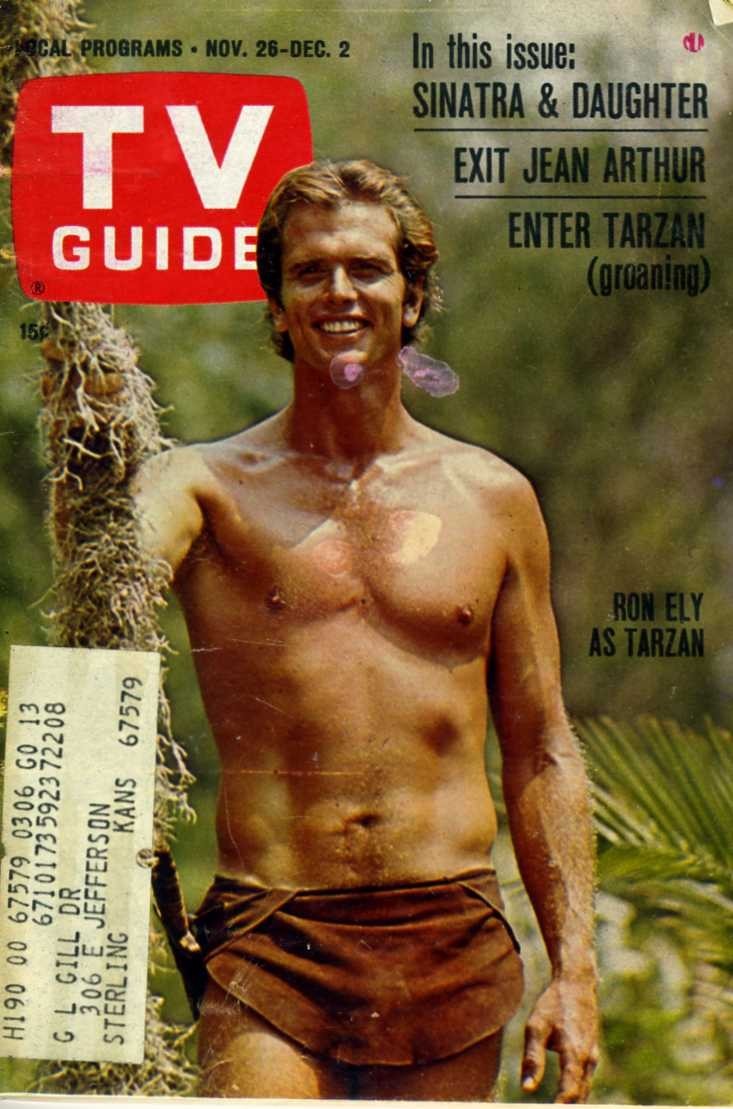
Black children who grew up in England in the 60's, 70's and 80's were force- fed Tarzan. The 1940's movies or the 1960's TV series starring Ron Ely (see above) were scheduled as Saturday morning entertainment for kids. Black Britons gained ideas of African history and culture from watching Tarzan at a time when there were hardly any black people on TV. It was common for children with parents from the Caribbean to watch a Tarzan jungle scene where black people were shown as cowardly, stupid and wicked to then ask their parents "Is that where you come ?"
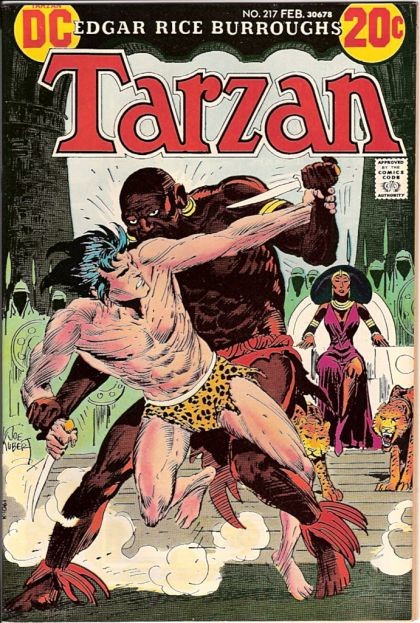
Marvel and DC Comics had a brief run of Tarzan in the 70's (see image below). In 1981 Bo Derek popped up as Jane in Tarzan the Ape Man starring Miles O'Keefe. Then there was Christopher Lambert in the 1984 Greystoke the legend of Tarzan.
|
|
Despite the passage of time since 1912, the stench of racism permeates all the Tarzan spin offs as they always portray black people in a negative, subservient manner. The only possible exception is George of the Jungle (1997) starring Brendan Fraser where black people were given some of the best lines and turned the stereotypes upside down. However the white guy is still the star and the hero.
In 1999 Disney decided to re-invent Tarzan as an animated movie with Tony Goldwyn as the voice of Tarzan. Disney consulted the source material and had a problem..how would they deal with the racist portrayal of black people in the original literature ? Their solution was simple; remove all black people from the story. So even though Tarzan is set in Africa if you watch the film you will see lions, elephants, giraffe, hippos, crocodiles etc but not one single African person. When questioned about this situation in the Spokesman film review of June 30 1999 the response was:
'Co-directors Kevin Lima and Chris Buck have said that the absence of minority characters in Tarzan was a consequence of the desire to keep the story simple. The pair wanted to concentrate on Tarzan's choice of being animal or human. And with the need to create Jane and characterize the animals the only kinds of black characters that could be squeezed in would have been minor.
The white supremacy is so blatant; they were more concerned with giving character to the animals than the African people. Of course a simple solution to the racist problem would have been to make both Tarzan and Jane black but clearly this was too complicated as they would then have to create adventure and love scenes for an African couple set in Africa and when has Disney ever done that in its 90 year history ?
The much lauded Lion King (1994) could easily have been done with a full cast of animated African people but that did not happen. Why not ?
|
|
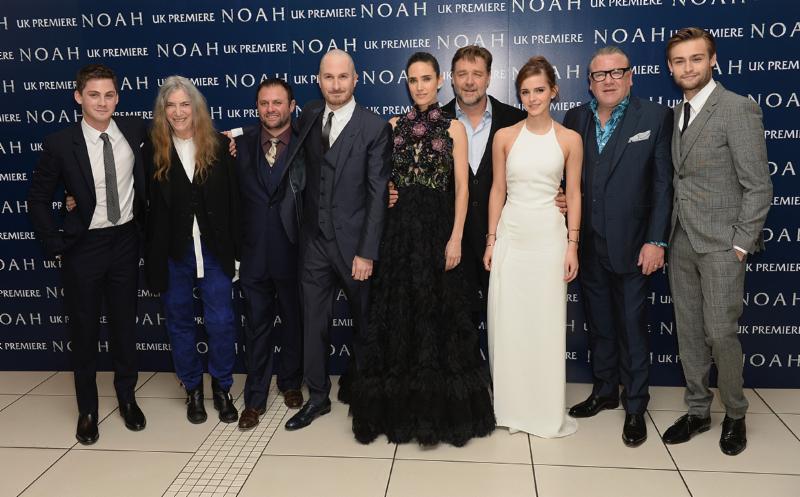
Above: The all white cast of biblical epic Noah
The idea of removing black people from a movie to make things simple did not die in 1994. Ari Handel the writer of 2014 blockbuster Noah explained why there no black people in his film by saying this:
"From the beginning, we were concerned about casting, the issue of race. What we realized is that this story is functioning at the level of myth, and as a mythical story, the race of the individuals doesn't matter. They're supposed to be stand-ins for all people. Either you end up with a Bennetton ad or the crew of the Starship Enterprise." Read the full comment HERE
So in the 21st century it was just too distracting to have any black people in a film about the Biblical origin of the world and white people represent the whole planet ! The film did include huge rocks that could walk and talk, by the way.
From 2001 to 2003 Disney persevered with the Legend of Tarzan animated TV series. It is
|
|
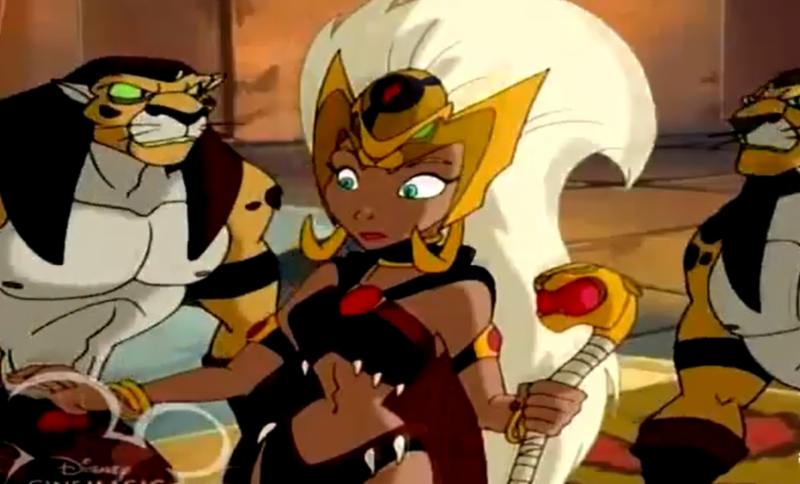
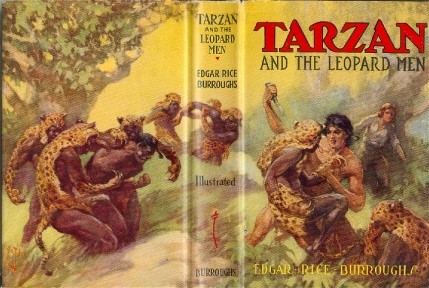
noticeable that Queen La, Tarzan's enemy, despite her white hair and green/blue eyes has a different skin colour to Tarzan. Queen La's evil troops are called the Leopard men and are portrayed as non-human.What is not well known is that Burroughs original 'evil' Leopard men were Africans who wore leopard skins. See image below from 1935.
|
|
It took until 2009 for Disney to green light a movie with a black lead, The Princess and the Frog, but again they refused to endorse a loving black couple. After African-Americans complained when the initial scripts stated that Disney's first ever black princess Tiana, (played by Anika Noni Rose a black woman) would be given a white boyfriend, Disney responded by giving her an apparently non-white boyfriend on screen but he was played by the white actor, Bruno Campos.
In all Disney's 90 year history they have never given any of their white princesses a black boyfriend. So why the sudden insistence on a mixed relationship for the first ever black princess ? Maybe the directors had flashbacks to the days when white men had sexual access to black women whether they liked it or not and black men were lynched for just looking at white women.
Those who thought that Princess and the Frog meant that Disney had embraced black people would only be disappointed with their next movie Tangled (2010) A modern take on the Rapunzel story which featured a blonde princess with super-powered hair and of course, a white boyfriend. Not a single black person can be seen in the 84 minutes of the movie
In 2013 Disney released the blockbuster hit Frozen. Yet again we see that even in fantasy environments where young ladies can freeze entire countries and build ice castles with a wave of their hands, it is impossible for Disney to put even one black person in their movie. The interest in portraying mixed relationships has also vanished.
The last movie version of Tarzan was a 2013 German animated production in 3D . Given the source material one wonders why there is such a sustained interest in repeatedly resurrecting this colonial figure of white supremacy in the 21st century ?
|
|
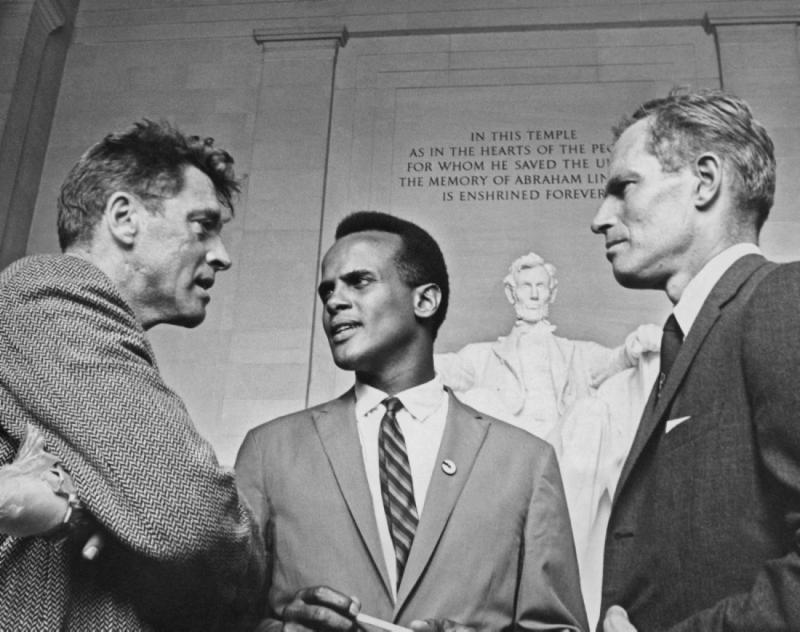
Above (centre) Harry Belafonte with Burt Lancaster and Charlton Heston : Click image to watch his 2014 speech on Tarzan. The
seventies superstar and civil rights activist had this to say about Tarzan:
In
1935, at the age of 8, sitting in a Harlem theater, I watched with awe and wonder incredible feats of the white superhero, Tarzan of the Apes. Tarzan was a sight to see. This porcelain Adonis, this white liberator, who could speak no language, swinging from tree to tree, saving Africa from the tragedy of destruction by a black indigenous population of inept, ignorant, void-of-any-skills, governed by ancient superstitions with no heart for Christian charity.
Through this film the virus of racial inferiority — of never wanting to be identified with anything African — swept into the psyche of its youthful observers. And for the years that followed, Hollywood brought abundant opportunity for black children in their Harlem theaters to cheer Tarzan and boo Africans.
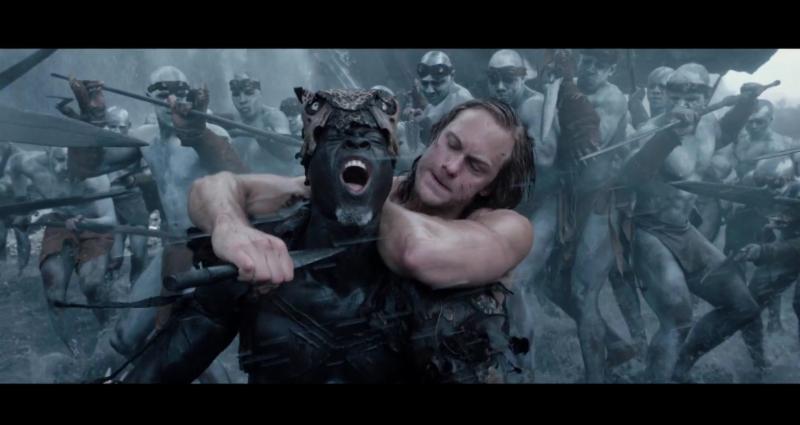
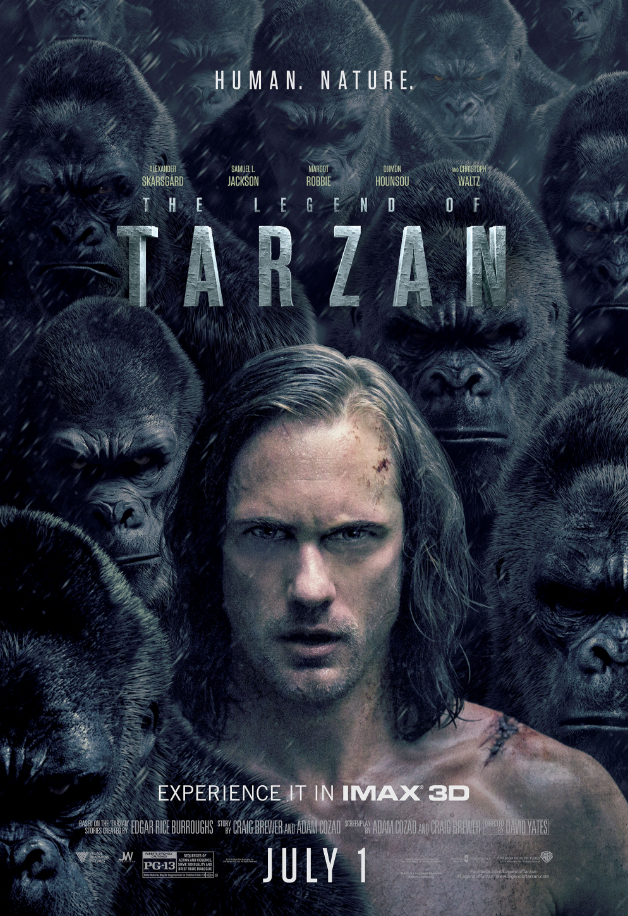
Warner brothers have scheduled their version of Tarzan starring Alexander Skarrsgard and Samuel L Jackson for a July 2016 release. The publicity is everywhere with brooding images of the white stars surrounded by black gorillas and the words Human, Nature in the background. The plot involves a Tarzan based in Victorian London who sheds his clothes to go and fight greedy explorers in the Congo. Yet another example of the White Saviour Complex . Coming hard on the heels of Exodus Gods and Kings and Gods of Egypt (where even God and ancient Africans are played by white actors with Scottish and English accents) One has to ask, when will the promotion of white male supremacy stop ? *This article was first published in May 2014 in response to Tarzan 3D. Watch out for the visual Tarzan breakdown coming soon.
|
|
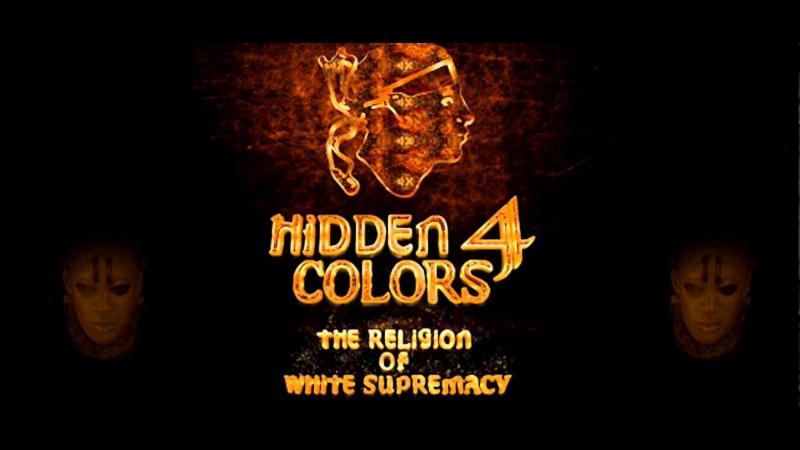
While the white Tarzan fantasy gets millions of pounds of publicity, a Black history documentary is beating Superman v Batman on Amazon sales but no mainstream media outlet is covering it..
|
|
Extract from article by Pierre Delacroix, Voice online 26 June 2016
I praise Hidden Colors 4. It is a truly phenomenal success. If it was made, marketed and distributed by some mainstream (i.e. hugely successful and white-owned) organisation it would have been acknowledged as such. You would have read about its success everywhere – kind of like how you read about Empire. The makers of it would be the toast of our society – kind of like the makers of Empire.
For the best part of the last six weeks it has been the bestselling documentary in the world – beating the new documentary by Michael Moore, the new documentary on OJ Simpson as well as the classic documentary on Muhammed Ali. As I write it is the 17th bestselling DVD/blue ray movie in the world – for a while it was number 1. For any organisation this is a massive accomplishment. For a crowd funded independent documentary on lesser known or discussed aspects of black history this is truly mind blowing.
Putting the content to one side, the concept of Hidden Colours should be celebrated. A black film maker pulling together money and under-utilised black historians, academics and intellectuals to create a world beating film brand should be celebrated. Regardless of who made it. If we can find it in our hearts to celebrate Empire (bankrolled by a man who made his money in part by objectifying the female anatomy and pure unadulterated racism) then we can push our petty squabbles aside to celebrate the success of Hidden Colours. Read full article HERE
|
|
|
|
|
|
|
|