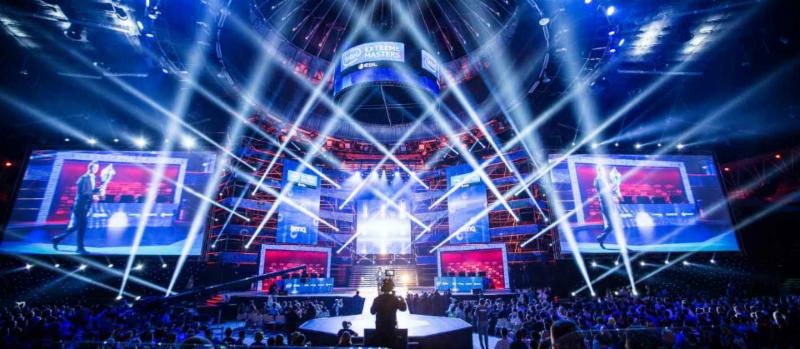
An increasing number of millennial consumers are flocking to esports and brands are following suit.
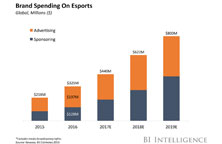
Esports viewership hit 213.8 million in 2016, and brands put $662 million in sponsorship behind it.
Brands in the Game
As is the case with professional football and other popular spectator events, esports have drawn in well-known brands as sponsors. Some events are even covered by ESPN and feature brands such as:
Red Bull
was one of the early adopters of the esports craze, and today sponsors several events and players. They've done a tremendous job in putting their mark on the industry, and brand managers looking to jump in would be wise to study how the energy drink giant is capturing this key demographic.
Gaming Giants
These events are being put on by some of the biggest names in gaming. Studios such as Blizzard Entertainment, the company that launched the highly successful World of Warcraft, as well as Valve, creator of beloved franchises such as Half-Life and Portal, are spearheading events.
Younger Viewers and Gamers
Part of the appeal of esports is the ease of spectatorship, as well as an entire generation who have grown up playing video games. In year's past, younger viewers may have had dreams of becoming a professional athlete. Today, esports has opened the arena to more potential challengers than ever before.
Online services such as Twitch and YouTube are allowing the average gamer to build up a fan base with live and recorded videos. YouTube recently secured the exclusive online broadcasting rights to this year's Esports Championship Series.
The appeal of esports resonates particularly with millennials. Focusing on this generation alone, millennials are a multicultural group that present several opportunities for brands looking to capitalize on the growing Hispanic market in the United States:
- Over 20% of American millennials claim Hispanic heritage.
- 44.3% of the American Hispanic population falls into the crucial "under 34" category.
Perhaps this is why last year Valencia CF, a Spanish football club, became the first La Liga club to form their own
esports team. And other brands are catching on.