|
Recognizing national awareness days, weeks, and months, specifically those that are health-related, is essential to cultivating greater understanding about certain topics, fostering greater diversity, equity and inclusion, and spreading critical information to our FWC community.
YOU are invited and highly encouraged to participate with us by engaging in the conversation and sharing available information and resources to your own social networks.
| |
Gynecologic Cancer Awareness Month (GCAM) | |
|
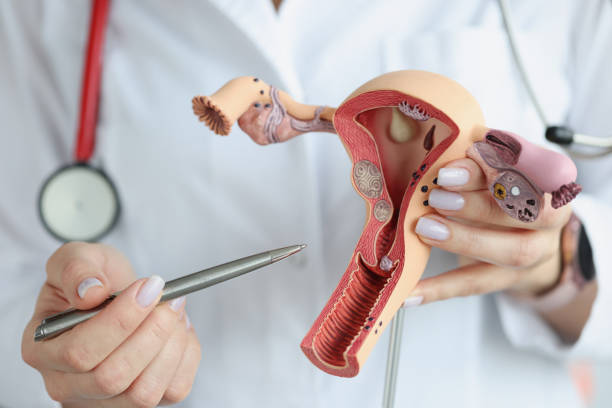
Gynecologic Cancer Awareness Month (GCAM) is an annual observance that sheds light on the five major types of gynecologic cancers – cervical, ovarian, uterine/endometrial, vaginal, and vulvar.
The FWC is committed to increasing societal awareness about gynecologic cancers and providing free educational resources for those at risk, individuals living with gynecologic cancer, care partners, and survivors. We are able to keep our resources free with the support of generous donations and fundraising activities like our signature event, Move4Her.
A Snapshot: The Five Gynecologic Cancers
| |
|
Cervical Cancer
Cervical cancer can often be prevented through regular screenings like pap smears and the administration of the HPV vaccination. Symptoms include vaginal discharge, abnormal vaginal bleeding, vaginal odor, and pain.
| |
|
Ovarian Cancer
Ovarian cancer is the seventh most common cancer among people with gynecologic systems. Symptoms are often vague. There are three major categories of ovarian cancer, epithelial ovarian cancer being the most common.
| |
|
Uterine/Endometrial Cancer
Uterine cancer primarily affects postmenopausal women but a growing number of young individuals are being diagnosed. Uterine cancer is often associated with hormonal imbalances and is often marked by abnormal vaginal bleeding.
| |
|
Vaginal Cancer
Primary vaginal cancer is one of the rarest gynecologic cancers, as oftentimes cancer cells found in the vagina originate from the uterus, vulva, or other organs.
| |
|
Vulvar Cancer
Vulvar cancer is a rare disease that can be associated with smoking, human papillomavirus (HPV) infections, as well as conditions of the vulva associated with chronic irritation and inflammation.
| |
|
FWC Free Resources
The FWC has many invaluable resources to help you learn more about the five gynecologic cancers, including symptoms and risk factors, diagnosis, treatment, and more.
Share Your Story
Your voice has the power to show people they are not alone and the power to increase awareness, education and hope. Would you consider sharing your heroic story with us and the gynecologic cancer community?
| |
National Hispanic Heritage Month | September 15-October 15 | |
|
National Hispanic Heritage Month is a time to honor and celebrate the rich cultural contributions of Hispanic and Latinx communities. This year's theme, "Honoring Our Past, Embracing Our Future," invites us to reflect on the historical legacies and achievements of Hispanic individuals while looking ahead to a future filled with unity, innovation, and progress.
While celebrating Hispanic culture, we also want to highlight the significant health disparities that affect this community. Studies have shown that Hispanic individuals experience limited access to early cancer screenings and timely diagnosis, leading to higher rates of advanced-stage cancer diagnoses. These disparities are influenced by factors such as language barriers and limited access to cancer education and quality healthcare.
As we celebrate the rich tapestry of Hispanic heritage during this month, we also pledge to raise our voices against health disparities, advocate for better healthcare access, and drive initiatives that increase gynecologic cancer awareness and prevention.
|  | |
National Ovarian Cancer Awareness Month | |
|
Alongside Gynecologic Cancer Awareness Month, September is also an opportunity to recognize Ovarian Cancer Awareness Month and bring awareness to this challenging disease. Ovarian cancer often goes undetected until it has reached advanced stages, so recognizing the symptoms is vital to early detection and treatment. Common symptoms of ovarian cancer include:
- Abdominal bloating
- Pelvic and/or abdominal pain
- Urinary symptoms (urgency or frequency)
- Difficulty eating or feeling full quickly
These subtle signs are often mistaken for other conditions; if you experience any combination of these symptoms, please seek attention from a healthcare provider immediately.
It is also important to note that family history of breast or ovarian cancer, a personal history of certain cancers, specific gene mutations (BRCA1 and BRCA2), and age are factors that can increase the risk of ovarian cancer. Being aware of these risk factors can help you take proactive steps to manage your gynecologic health.
If you are an ovarian cancer patient, care partner, and/or survivor, we invite you to share your story with us.
Download our free resource, Ovarian Cancer: Your Guide
| |
Polycystic Ovary Syndrome (PCOS) Awareness Month | |
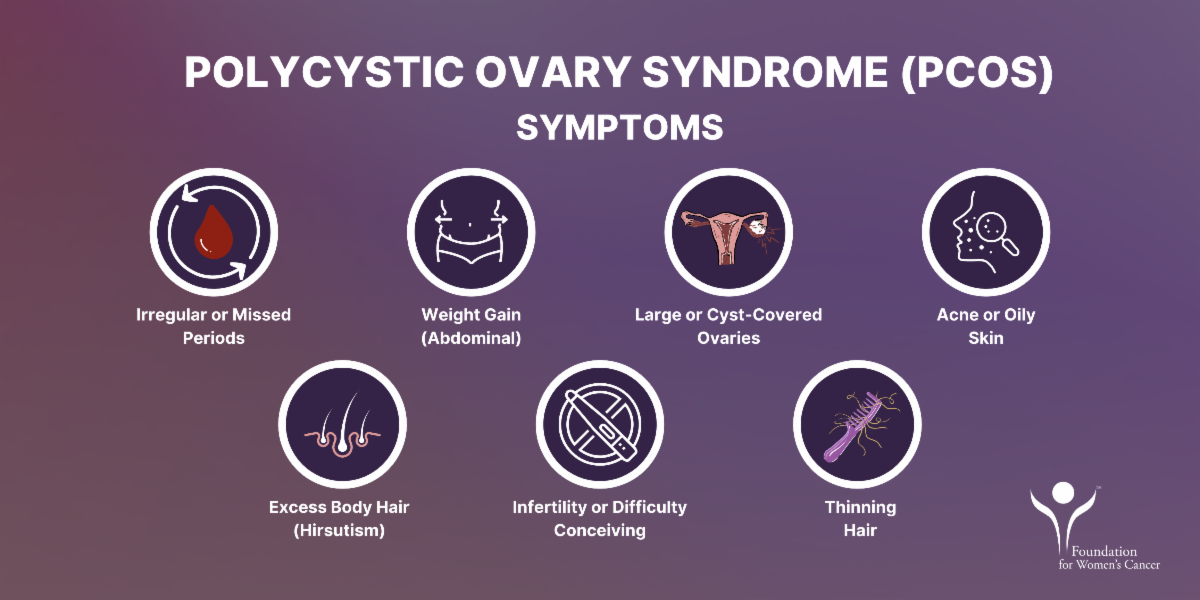
Join us in raising awareness for Polycystic Ovary Syndrome (PCOS), a complex hormonal disorder affecting millions of women around the world. Polycystic Ovary Syndrome is characterized by a range of symptoms shown below. | |
|
Beyond these visible signs, PCOS can also lead to long-term health complications, such as insulin resistance, obesity, and cardiovascular issues. Early diagnosis and management are essential for minimizing these risks.
The exact cause of PCOS is still being studied, but research suggests that genetics, hormonal imbalances, and lifestyle factors play a role. Emerging research also suggests a potential link between PCOS and an increased risk of certain gynecologic cancers, such as endometrial cancer. If you have been diagnosed with PCOS, these steps may be helpful in managing the disorder:
- Maintain a healthy weight
- Stay physically active
- Adopt a balanced diet
Consulting a healthcare professional is crucial for developing a personalized management plan that addresses your unique needs.
| |
National Essential Medicine Shortage Awareness Day | September 8 | |
|
On September 8, we observe National Essential Medicine Shortage Awareness Day, a critical reminder of the challenges many patients face due to the scarcity of vital medications.
For several months, the U.S. has been experiencing a shortage of chemotherapy drugs, which is impacting the treatment of gynecologic cancers. Chemotherapy remains a cornerstone in gynecologic cancer care, but the availability of essential drugs has become a pressing issue, jeopardizing patient outcomes and quality of life.
Visit the official website of the Society of Gynecologic Oncology (SGO) to access webinars detailing root causes of the chemotherapy shortages, health provider management strategies, and critical information for patients, advocates, and survivors.
| |
SGO has also been at the forefront of national media coverage about the current drug shortages. Access the Twitter thread below to view SGO members' invaluable contributions to this current event across the U.S. | |
World Cancer Research Day | September 24 | |
|
World Cancer Research Day is a global initiative that highlights the importance of ongoing research in the fight against cancer. By supporting advancements in prevention, treatment, and early detection, we can make a significant impact on reducing the global burden of this disease. Let's unite in our efforts to fund and promote cancer research, bringing us closer to a world where cancer is preventable, treatable, and ultimately defeated.
To date, the FWC has awarded more than $10 million through 254 grants and awards, including research grants, training grants, research prizes and career development awards. FWC will continue to support this critical research that advances science and provides improved options and outcomes for women diagnosed with gynecologic cancer.
| |
The FWC is the official foundation of the Society of Gynecologic Oncology. | | | | |