|
Dear Generation,
A year in the making, I am so proud to announce the public release of our report on the impact of housing cost burden in Sonoma County: Making the Rent: the Human Price of Housing Cost Burden. Discussions about our housing crisis are generally replete with statistics about who pays how much and for what. A common metric is “cost burden,” whether a household pays too much for housing relative to their income level to meet their other basic needs.
Nearly half of all households in Sonoma County are cost-burdened, meaning they pay more than 30 percent of their income for housing, while almost a quarter percent of all households are extremely cost-burdened, meaning they pay more than 50 percent of their income for housing. Sonoma County’s households with lower incomes (under 80 percent Area Median Income) fare much worse—about three-quarters are cost-burdened, and nearly half are severely cost-burdened.
But what does that mean, practically speaking? If a family pays too much for housing, how is that changing their decisions, impacting their health and their kids’ educational outcomes? Does it impact commutes? Our local economy? The ability to save for retirement, to buy a home, or attend college? All of the above? In what order or severity? Are some people and groups of people more impacted than others? We think it’s critical for us, as housing advocates, to be able to pair our statistics with human faces and human stories. There is limited national research on this, and until now, nothing locally.
This original research was a big project, frankly, much larger than I imagined it would be. I want to acknowledge and thank the dedicated Generation Housing team, including staff, contractors, board members, partners, and funders who made this possible. We are extremely proud of our sample size and composition. We are grateful to the people who took the time to take our lengthy survey and to our partners who helped us distribute it. We are proud that we collected sexual orientation and gender identity data, which is ignored by the Census and many other standard data sets. We are proud of the analysis published here, but of course this report gives rise to more questions, ones we hope to ask and answer in further research using our learnings from this effort.
We hope that this information can help our community better understand the lives of our friends, family, neighbors, and workforce members who suffer from the lack of affordable housing. We hope it can help service providers prioritize and tailor their services more appropriately; add to the evidence that drives our elected officials’ policy, programmatic, and budgetary decisions; and provide guidance to our philanthropic community’s grantmaking efforts.
In partnership,
Jen
| |
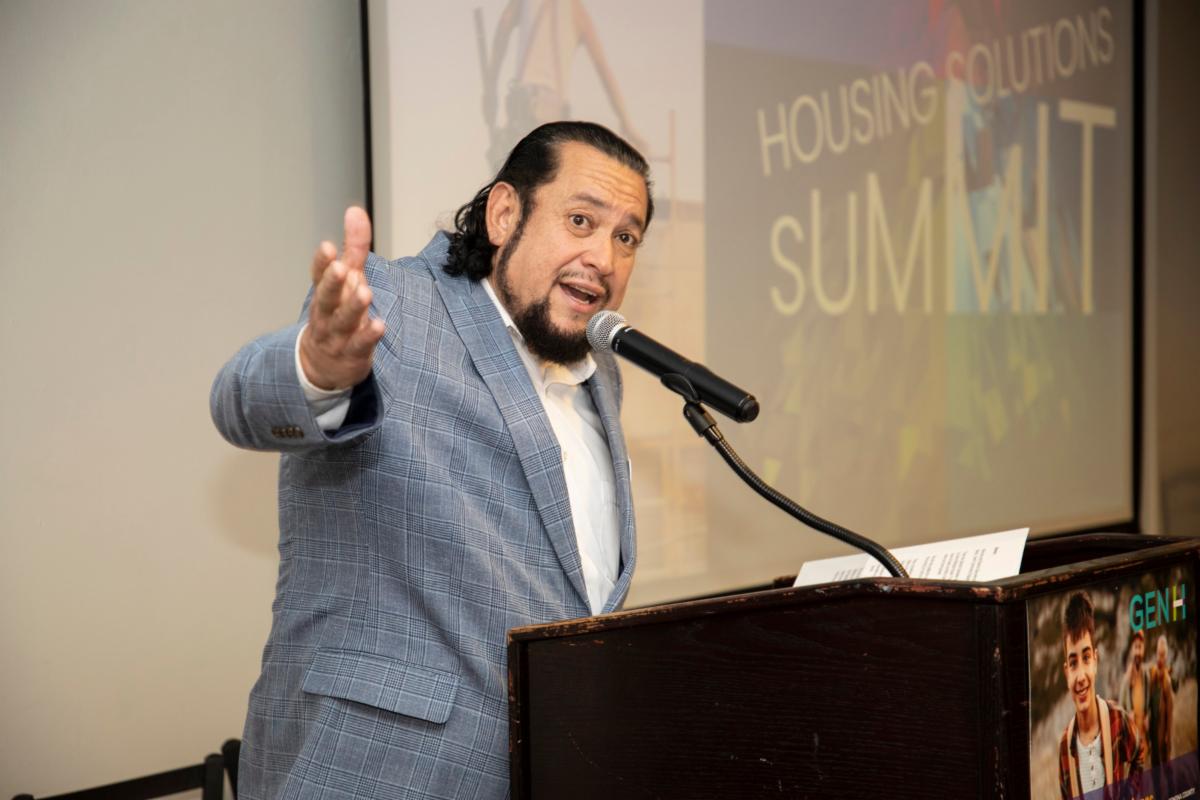
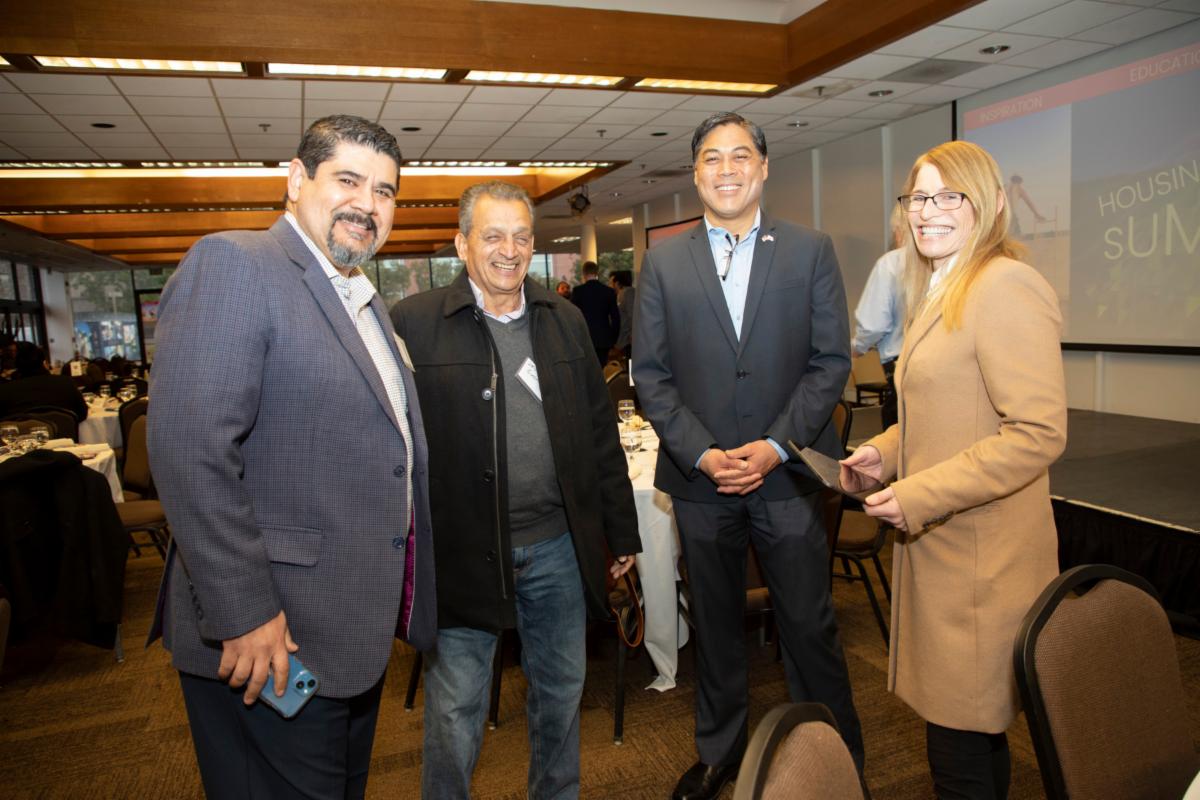
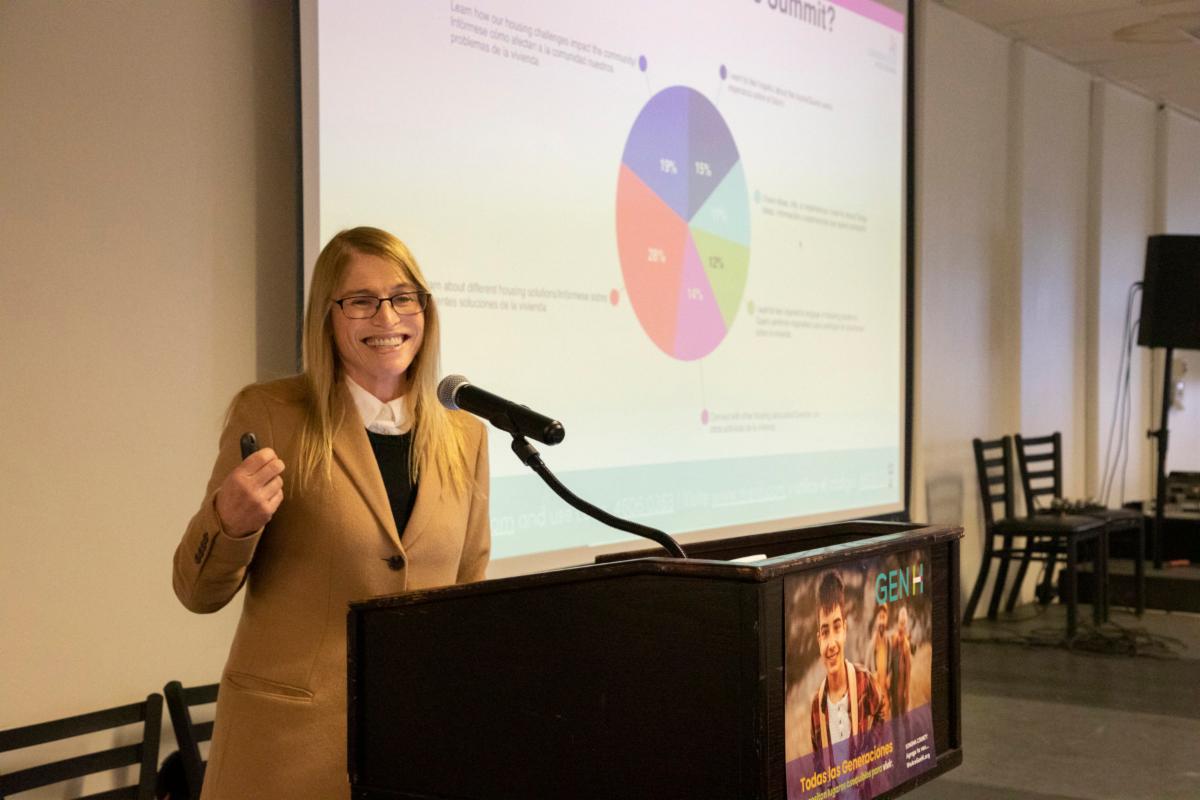
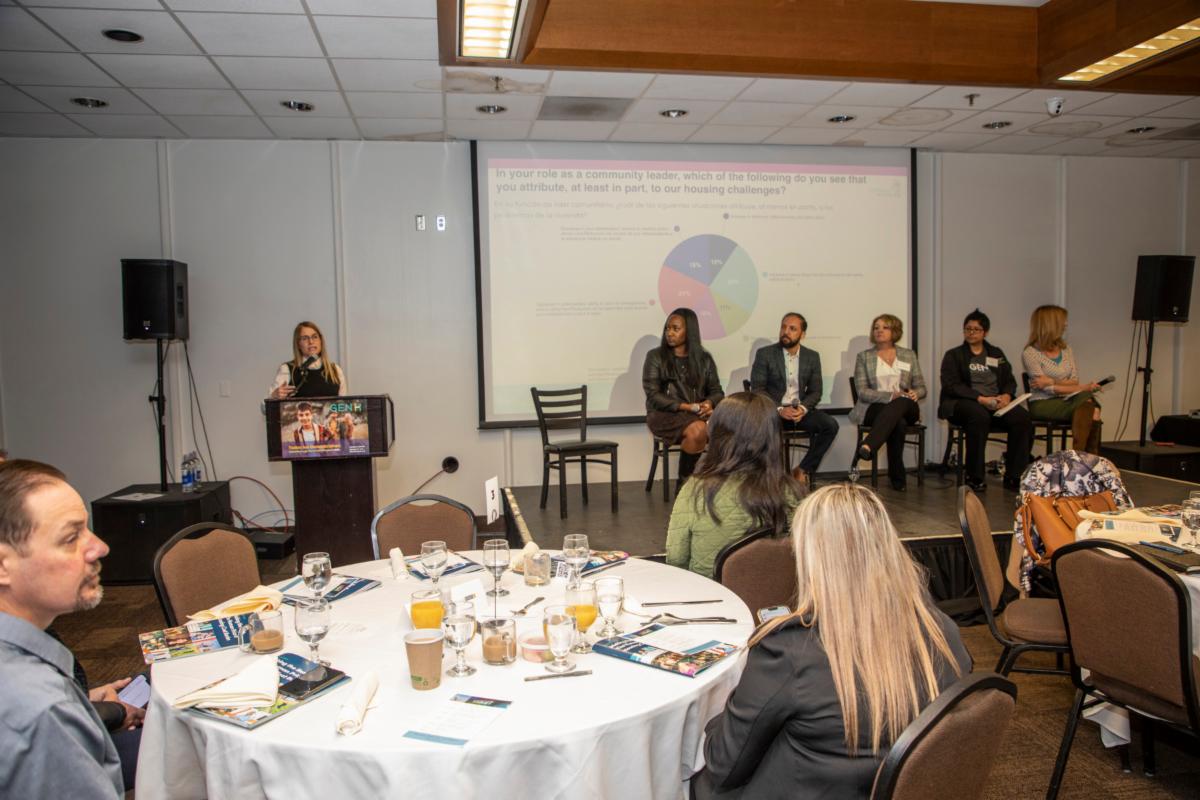
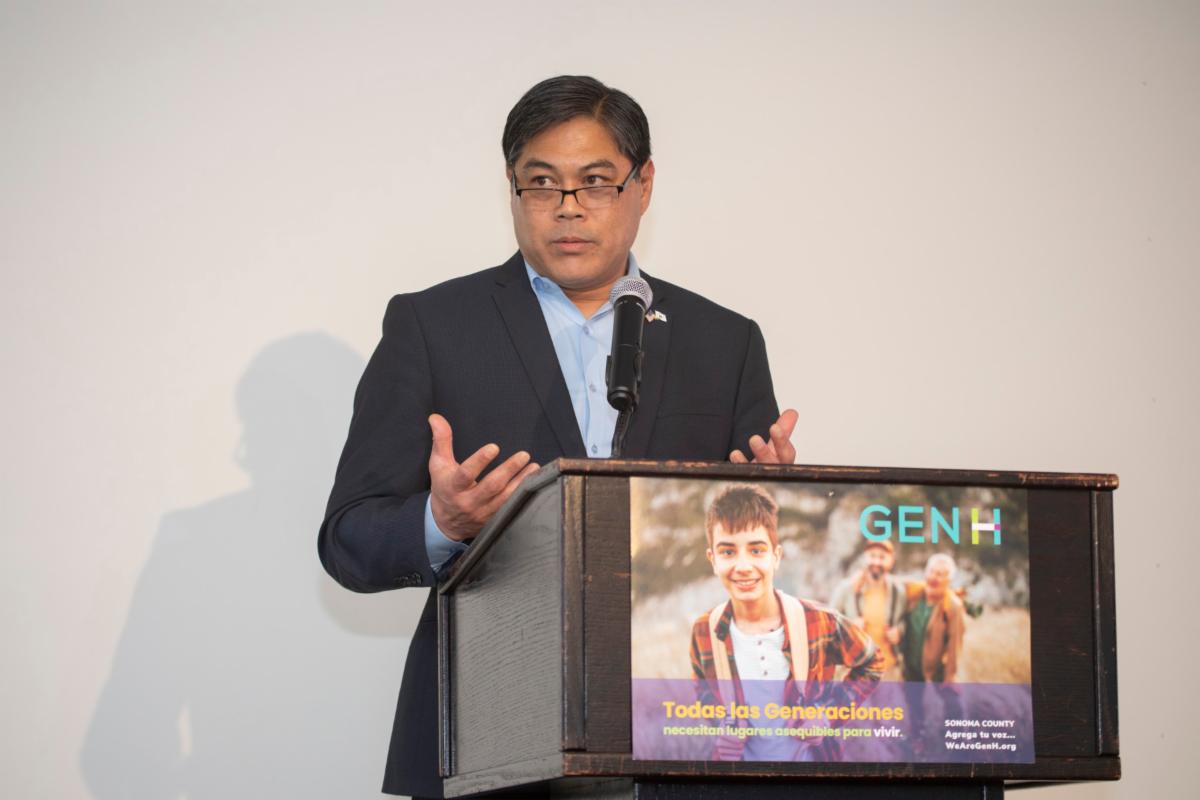
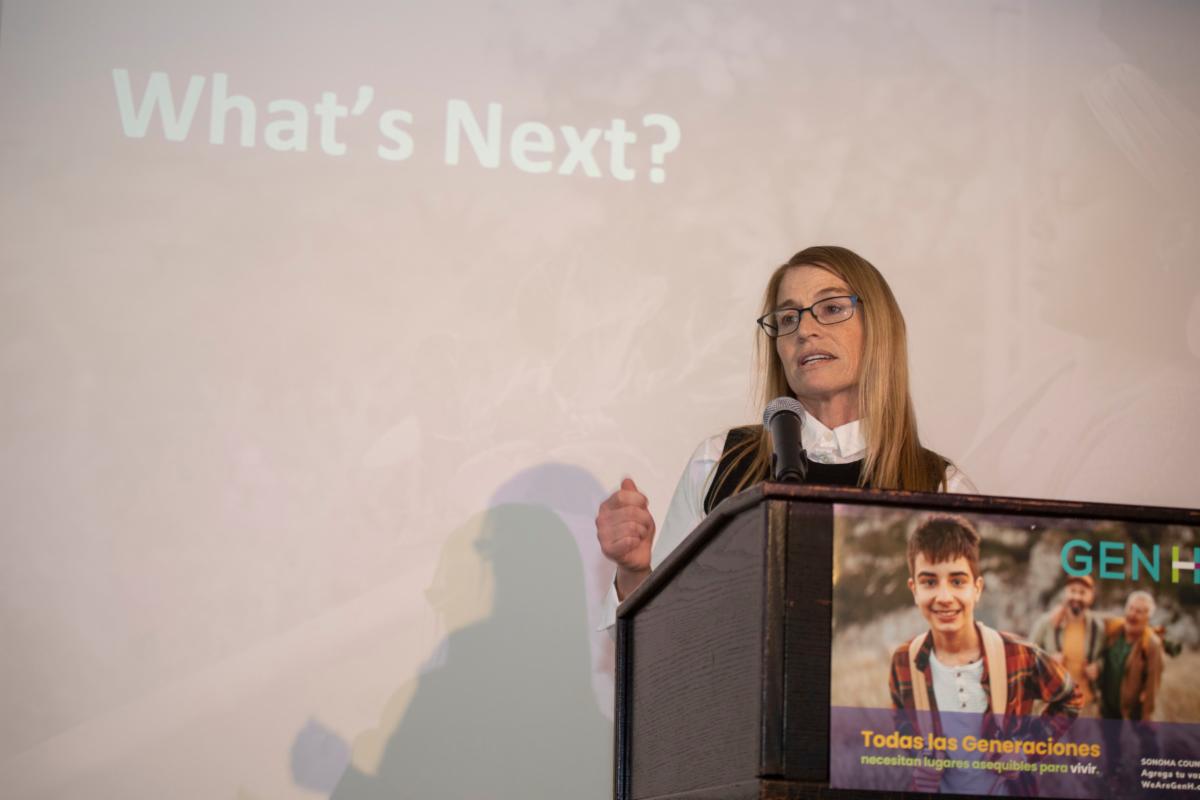
Thanks for coming to Part 1 of our Housing Solutions Summit | |
|
Sonoma County Housing Element Digest
Check out our Housing Element tracker, posted on our website here!
-
Cloverdale: The City has received a comment letter from HCD and is currently working on revisions to their Housing Element. The Cloverdale Planning Commission will hold a public hearing on April 4, 2023 and the City Council will hold a public hearing (possibly the last for this process) on April 26, 2023.
-
Click here to track Housing Element updates on their website
-
You can submit public comment to the City of Cloverdale by emailing CloverdaleHousingElement@4leafinc.com or mail/deliver to Cloverdale City Hall (124 N. Cloverdale Blvd)
-
Click here to get Cloverdale specific action alerts!
-
Cotati: The City Council will be considering adoption of the Housing Element on March 29, 2023. This will likely be the last opportunity to engage in this process.
-
Click here to track Housing Element updates on their website
-
You can still submit public comment by emailing Cotati@TheCivicEdge.com.
-
Click here to get Cotati specific action alerts!
-
Healdsburg: The Planning Commission will be reviewing the revised Housing Element on April 11, 2023 and then the City Council will consider adopting the Housing Element on May 1, 2023.
-
Click here to read the draft Housing Element
-
You can still submit public comment by emailing HousingElement@Healdsburg.gov
-
Click here to get Healdsburg specific action alerts!
-
Windsor: The Planning Commission will review a revised version of the Housing Element on April 11, 2023.
-
Click here to track Housing Element updates on their website
-
You can still submit public comment on the draft by emailing pstreeter@townofwindsor.com.
-
Click here to get Windsor specific action alerts!
-
County of Sonoma: The draft Housing Element was officially submitted to HCD on December 30, 2022 for the 90-day review period. We are expecting a letter from HCD before the end of March. After that, revisions will be made by staff before a new draft is brought forward for review and consideration.
-
Click here to track Housing Element updates on their website
-
Comment on the draft Housing Element can be submitted via email to PermitSonoma-Housing@sonoma-county.org or by regular mail to Permit Sonoma, Attn: Eric Gage, 2550 Ventura Ave., Santa Rosa, California 95403.
-
Click here to get Unincorporated County of Sonoma specific action alerts!
-
Petaluma: Adopted on March 20, 2023. It will now be remitted to HCD for final certification.
-
Sebastopol: Adopted on January 3, 2023.
-
Sonoma: Adopted on January 31, 2023.
-
Rohnert Park: Adopted on January 25, 2023.
-
Santa Rosa: Adopted on February 14, 2023.
State Legislative Download
Generation Housing is proud to announce our initial list of legislative endorsements for the 2023-24 California State Legislative Session. This is an evolving list, so we encourage housing advocates to regularly check our Policy Advocacy and Endorsement page on our website for updates.
Our endorsement determination is guided by the criteria outlined in our 2023 Legislative Platform, our mission, vision, and values, in addition to the input we receive from the members of our Policy Advisory Committee.
As the legislative session progresses, we encourage housing advocates to follow our 2023-24 Legislative Tracker which will be regularly updated on a weekly basis.
| |
Sign up for ACTION ALERTS! | |
Prohousing Update March 2023 | |
|
The California Department of Housing and Community Development (HCD) continues to refine its criteria for jurisdictions seeking the Prohousing Designation, an award recognizing efforts to expedite the construction of housing that entitles jurisdictions to priority consideration for state housing funds. As Generation Housing better understands that criteria, it has enhanced its support for the application process, which on average takes between 4-8 months. A major new addition to the list of cities earning the designation is Los Angeles, who received the award along with recognition from Governor Gavin Newsom in March. Los Angeles prioritized streamlining affordable housing and minimizing the cost of construction through fee reduction, two areas of policy that it developed between June 2022 and now.
Generation Housing, in partnership with the Napa-Sonoma Collaborative, is advising City Councils in Sonoma County to support their planning departments in order to achieve the robust policies needed to qualify. The Prohousing designation is a little different from the Housing Element that jurisdictions have worked on for the last year and half: it’s components are broader than the programs listed in the Housing Element – and so involve more areas of land use law – and it demands a higher level of specificity when it comes to executing the policies. As with the Housing Element, HCD will monitor policies and programs that help it to achieve a target number of new units. But for the Prohousing designation, the quality and execution of policies is the sole determining factor. That’s where City Councils can have their biggest impact. HCD looks for new policies that fulfill the criteria of the program and include details on timing, method of implementation, and staffing. For programs already in place, cities need to show evidence of its successful implementation. These standards are what makes the application so competitive. And it’s what requires bold action from local Councils.
Next month (April 2023), Generation Housing will expand its support for jurisdictions by soliciting input and ideals from community members most impacted by stagnant housing growth here in Sonoma County. Hosting an advisory committee of residents vested in the fight to expedite housing production, Generation Housing will initiate a community-inspired roadmap to assist jurisdictions in model policy formation. Councils can draw on these roadmaps to inform their own proposals to HCD. We continue to look for interested community members who would like to be involved. Please reach out ramon@generationhousing.org if you would like to apply.
| |
We are teachers, first responders, farm workers. We are grocers, we are artists. | |
|
Together, each of you, all of us, and all residents of Sonoma County. We Are Gen H, and we all need affordable places to live.
The “We Are Gen H” prohousing campaign lifts up the experiences of workers, artists, and students in the community and organizes community members to take action and show support for more construction of more types of housing in Sonoma County.
| |
What's the Builder's Remedy? | |
|
We’ve heard a lot of questions and curiosity about the “Builder’s Remedy” and when it does or doesn’t come into play. We’re here to help provide a better understanding of the legal framework underlying this tool.
How Does the “Builder’s Remedy” Work? The HAA requires that cities and counties make one of five findings to deny, or to apply conditions that make infeasible, a housing development project “for very low, low- or moderate-income households” or an emergency shelter. (Section 65589.5(d).) A housing development project with 20 percent of the total units available to lower income households or with all of the units available for moderate or middle income households may qualify as housing “for very low, low- or moderate income households” (see detailed description below). The five findings which would allow denial of an eligible project can be summarized as follows:
- The city or county has met or exceeded its Regional Housing Needs Allocation (RHNA) for the proposed income categories in the development.
- The housing development or emergency shelter would have a specific adverse impact on public health and safety, and there is no way to mitigate or avoid the impact without making the development unaffordable. The impact must be based on objective, written public health or safety standards in place when the application was deemed complete.
- The denial or condition is required to meet state or federal law, and there is no feasible method to comply without making the development unaffordable.
- The project is proposed on land zoned for agriculture or resource preservation that is surrounded on at least two sides by land being used for agriculture or resource preservation or there are not adequate water or sewage facilities to serve the project.
- The project is inconsistent with both the zoning ordinance and the land use designation as specified in any general plan element. However, a city or county cannot make this finding if it has not adopted a housing element in substantial compliance with state law.
If a jurisdiction has not adopted a housing element in substantial compliance with state law, developers may propose eligible housing development projects that do not comply with either the zoning or the general plan. The term “Builder’s Remedy” is used to describe the situation where a local agency may be required to approve an eligible housing development project because it cannot make one of the other four findings.
Following adoption, jurisdictions should promptly submit the adopted housing element to CA Housing Community Development (HCD) for certification. Should HCD find the housing element in substantial compliance, then the Builder’s Remedy would no longer be applicable.
- In other words, a jurisdiction does not have the authority to determine that its adopted element is in substantial compliance but may provide reasoning why HCD should make a finding of substantial compliance.
- In addition, a jurisdiction is “in compliance” as of the date of HCD’s letter finding the adopted element in substantial compliance. Any other letters are not a finding of substantial compliance.
At least one local challenge to a Builder’s Remedy application is underway. How this plays out in the courts will be contingent on the interpretation of prior precedent and its interplay or relevance given the advent of new state laws which many argue supersedes all established precedent.
The information provided her is derived from information shared by HCD, the Association of Bay Area Governments, and a report generated by the UC Davis School of Law.
| |
Sonoma County Housing News Digest
In case you missed some of the key news items of the last few weeks on local housing, Generation Housing has procured a bevy of news articles from around Sonoma County.
| |
|
Thank you to our Catalyzing Members | | | | |