|
Joann Lutz, MSW, LICSW, C-IAYT, E-RYT, YACEP
In this issue:
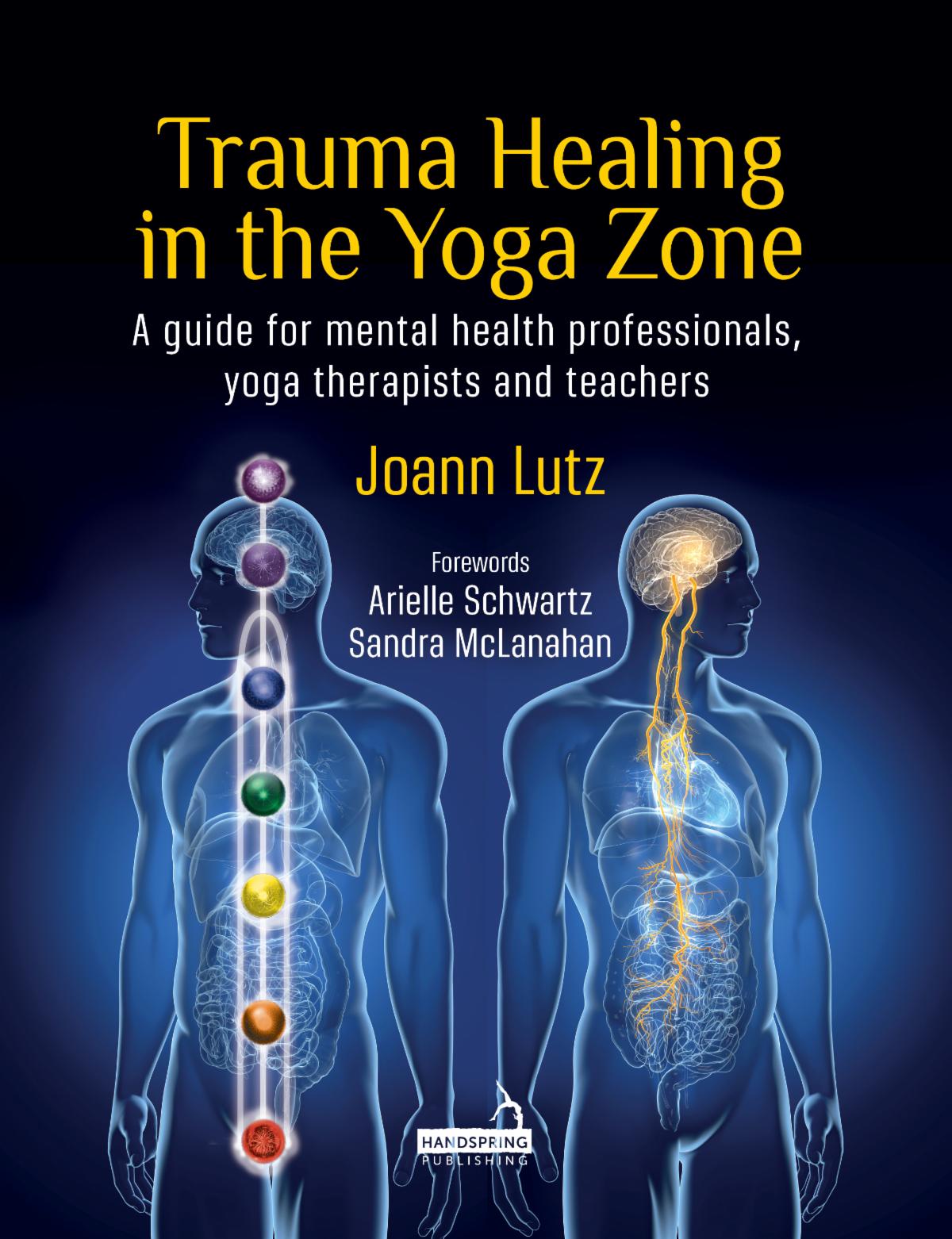
1) Enjoy your 20% Discount on my book, Trauma Healing in the Yoga Zone, during the month of November.
USE THIS CODE: WEBSITENEW20\ at:
https://us.singingdragon.com/products/trauma-healing-in-the-yoga-zone
2) FREE INTRODUCTION TO NEUROPLAY!
3) Join me live, online in January or in
sunny Tucson, Az. live, in person, in February:
Integrating Yoga with Polyvagal Theory: An Adjunct Treatment for PTSD, Depression, and Anxiety.
Based on Joann's book, Trauma Healing in the Yoga Zone.
4) BLOG: What is safety?
****************************************************************************************************
FREE INTRODUCTION to NeuroPlay!
Learn about polyvagal theory, and strengthen your vagus nerve, by watching or participating in this creative exploration.
Tuesday, Nov. 15, 2022
7-8:00 pm Eastern, on zoom:
LINK: https://zoom.us/s/7501649561#success
| |
|
Integrating Yoga with Polyvagal Theory:
An Adjunct Treatment for PTSD, Depression, and Anxiety. A CE COURSE.
January Live, online special:
Four-week, 12 CE course:
Tuesdays, January 13, 20, 27, and Feb. 3., 7-9 p.m. EST.
FEBRUARY Live, In-Person,
12 or 23-CE course.
TUCSON, AZ.
University of Arizona, Student Union.
.
23-CE Course meets FEB. 12-16, 2023. 12-CE course is Feb. 12-14, (Courses meet simultaneously).
They begin Sunday afternoon, Feb. 12, 1:30-5:45 pm, and continue mornings from 9 am-12:15 pm, plus one hour of supervised practicum each weekday.
University of Arizona, Student Union.
Group lunches and afternoon excursions can be arranged.
Visit the TUCSON GEM AND MINERAL SHOW JUST PRIOR TO THE COURSE.
Registration begins November 15. REGISTER AT WWW.JOANNLUTZ.COM
| |
|
Scroll down for course objectives.
Based on Joann's book,
Trauma Healing in the Yoga Zone.
| |
|
NOVEMBER BLOG: CREATING SAFETY.
AUTONOMIC NERVOUS SYSTEM REGULATION IS BASED ON THE PERCEPTION OF SAFETY, TERMED "NEUROCEPTION" BY DR. STEPHEN PORGES.
Here's an excerpt on safety from Ch. 6 of my book:
“Safety” is commonly associated with an absence
of danger, on the physical level. An exploration
of polyvagal theory can expand the definition
to include social safety, emotional safety, and
moral safety.
Establishing social safety, which is
related to physical safety, is an unconscious process
using the faculty of neuroception to scan the
environment to evaluate threat from people or
situations. Emotional safety describes the degree
to which a person can allow themself to be vulnerable
and trusting. Moral safety comes from
the confidence that there is a social consensus
concerning right and wrong behavior (Bloom,
2013; Shea, n.d.).
This expanded understanding of safety can
inform the delivery of therapy. The NITYA-trained
therapist or yoga instructor can help to
enhance the client’s experience of safety through
the use of basic interpersonal skills: a welcoming
attitude; clear, respectful communication; attentiveness
to the client’s current state of body and
mind; and, most importantly, a well-regulated
ANS, the product of self-awareness and self-care.
A well-regulated therapist is in a strong position
to use the basic somatic techniques which are
outlined below: resourcing, orienting, grounding,
boundary-strengthening, and core support,
and to offer co-regulation to the client, which is
the regulating effect which one ANS can have on
another.
| |
 | |
CONTINUING EDUCATION DETAILS FOR IN-PERSON COURSES:
*CEs for all versions of the course will be available to Yoga Therapists and Yoga Teachers, Internationally; and to U.S. Social Workers.
CEs pending in California: LCSW, LPCC (LICENSED CLINICAL PROFESSIONAL COUNSELORS), LEP (LICENSED EDUCATIONAL PROFESSIONAL), LMFT PRACTITIONERS, AND LICENSED NURSES.
REVIEW OF COURSE:
"All I can say is, it is truly a gift you are offering us. I can honestly say that your information, when communicated via Zoom, is professional, calm, and packed with everything we signed up for and more."
C.R., Australia
***********************************************************
12-CE COURSE Learning Objectives:
At the end of the program, you will be better able to:
Discuss 2 ways that somatic approaches increase the effectiveness of psychotherapy.
Describe three benefits of mat and chair-based hatha yoga poses for psychotherapy clients.
Describe three components of autonomic nervous system dysregulation.
Describe three anatomical landmarks through which the vagus nerve runs in the body.
Describe three major tenets of classical yoga.
Apply three principles of trauma-healing in teaching trauma-sensitive chair yoga.
Describe three behaviors in the therapy office that could impact clients' neuroception of safety
Explain the basic three-part deep breath as a psychological intervention in the trauma therapy session.
Describe the difference between "top-down" and "bottom-up" precessing.
Use the appropriate yogic breathing technique for a traumatized client in a psychotherapy session.
Use two new skills in bringing breathing practices into the psychotherapy session.
Additional 23-CE Course LEARNING OBJECTIVES:
Describe two physiological underpinnings of yoga nidra (deep relaxation).
Describe four stages of yoga nidra practices for trauma survivors.
Use two methods of meditation in psychotherapy sessions.
Discuss three symptoms in a client diagnosed with PTSD which could be improved with polyvagally-informed yogic interventions.
Create a treatment plan which incorporates polyvagally-informed yoga.
Name 2 ways that somatic approaches increase the effectiveness of psychotherapy.
Describe three components of autonomic nervous system dysregulation.
******************************************************************************************************
CERTIFICATION IN NERVOUS SYSTEM- INFORMED, TRAUMA-SENSITIVE YOGA
(NITYA) IS AVAILABLE.
For more information, visit www.joannlutz.com
EMAIL ME WITH QUESTIONS TODAY: joannlutz22@gmail.com
| |
|
SELECTED REVIEWS OF
TRAUMA HEALING IN THE YOGA ZONE.
| |
STEPHEN PORGES
Stephen Porges:
In Trauma Healing in the Yoga Zone, Joann Lutz transforms yoga practices into a neurobiological-based therapeutic strategy that facilitates and optimizes health through enhanced autonomic regulation. This model, which she labels as Nervous System-Informed Trauma-Sensitive Yoga (NITYA), is the product of an insightful consilience of ancient traditions with contemporary neuroscience. Embracing the model will lead to deeper understanding of the wisdom embedded in yoga and the powerful neurophysiological impact it may have on rehabilitating mental and physical health.
Stephen W. Porges, PhD
Distinguished University Scientist
Kinsey Institute
Indiana University, Bloomington
Professor, Department of Psychiatry
University of North Carolina at Chapel Hill
Shirley Telles:
In Trauma Healing in the Yoga Zone, Joann Lutz combines ancient wisdom from yoga with a scientifically informed therapeutic approach for safe and effective trauma resolution. Compulsory reading for anyone interested in healing trauma through neuroscience, blended with compassion!
Shirley Telles MBBS PhD, Director,
Patanjali Research Foundation, Haridwar, India
Sat Bir Singh Khalsa:
With over 5% of the population experiencing trauma that leads to clinically significant post-traumatic stress disorder, its prevalence is becoming more recognized in society. Neuroscientific research is revealing that this condition is a mind-body disorder, and yet conventional treatments such as psychotherapy focus on cognitive processes and have been only partially effective. This book comprehensively describes the theory and application of yoga as a mind-body intervention for trauma. It is a welcome contribution to the growing field of trauma-sensitive yoga that will be of significant use to both patients and therapists.
Sat Bir Singh Khalsa, Ph.D.
Assistant Professor of Medicine, Harvard Medical School
Editor in Chief, International Journal of Yoga Therapy
Editor, The Principles and Practice of Yoga in Health Care
Boston, MA
Dean Ornish:
“An innovative approach to healing trauma.”
Dean Ornish, M.D.
author, “UnDo It!”
Founder & President, Preventive Medicine Research Institute,
Clinical Professor of Medicine, UCSF
Marlysa Sullivan:
Joann Lutz offers an in-depth exploration of accessible methods to address the complexity of trauma through comprehensive understandings of the nervous system and yoga philosophy and practices. Her writing supports the reader in reflecting upon the many nuances of applying these theories and practices for trauma sensitivity. This book is a valuable resource to anyone wanting to learn more about how yoga can safely and effectively benefit people who have experienced trauma
Marlysa Sullivan DPT, C-IAYT
Author, “Understanding Yoga Therapy: Applied Philosophy and Science for Wellbeing”
Jonathan Rosenthal:
“Joann has wondrously woven together multiple disparate models of how yoga affects the post-traumatic nervous system, to enhance our understanding and utilization of these practices. This work will be a cherished contribution to the growing body of work on these ever evolving theories.”
- Jonathan Rosenthal, MD,
Resident Physician, Neurology, NYU School of Medicine
Amy Wheeler:
Trauma Healing in the Yoga Zone is the book that all yoga teachers and yoga therapists will benefit from reading. It is the perfect bridge between the teachings of Yoga, modern allopathic medicine, and the psychology of healing trauma. The book explains in detail how the nervous system functions when it is healthy vs. dysregulated, and how to bring it back to balance using the tools of yoga. I will be recommending it to all of my students and colleagues!
-Amy Wheeler, Ph.D. (Southern California)
Former President of the International Association of Yoga Therapists (2018-2020)
Helene Couvrette:
“As a certified yoga therapist working with clients who suffer, it is evident how trauma affects the body and mind as one. "Trauma Healing in the Yoga Zone” offers an extensive wealth of comprehensive, evidence-based knowledge to yoga therapists, to enrich their work, and to mental health professionals, to enhance their work with accessible yogic practices. This book is of great value for training as well as practice in both professions."
Helene Couvrette, C-IAYT, E-RYT500
CERTIFICATION IN NERVOUS SYSTEM- INFORMED, TRAUMA-SENSITIVE YOGA
******************************************************************************************************
| |
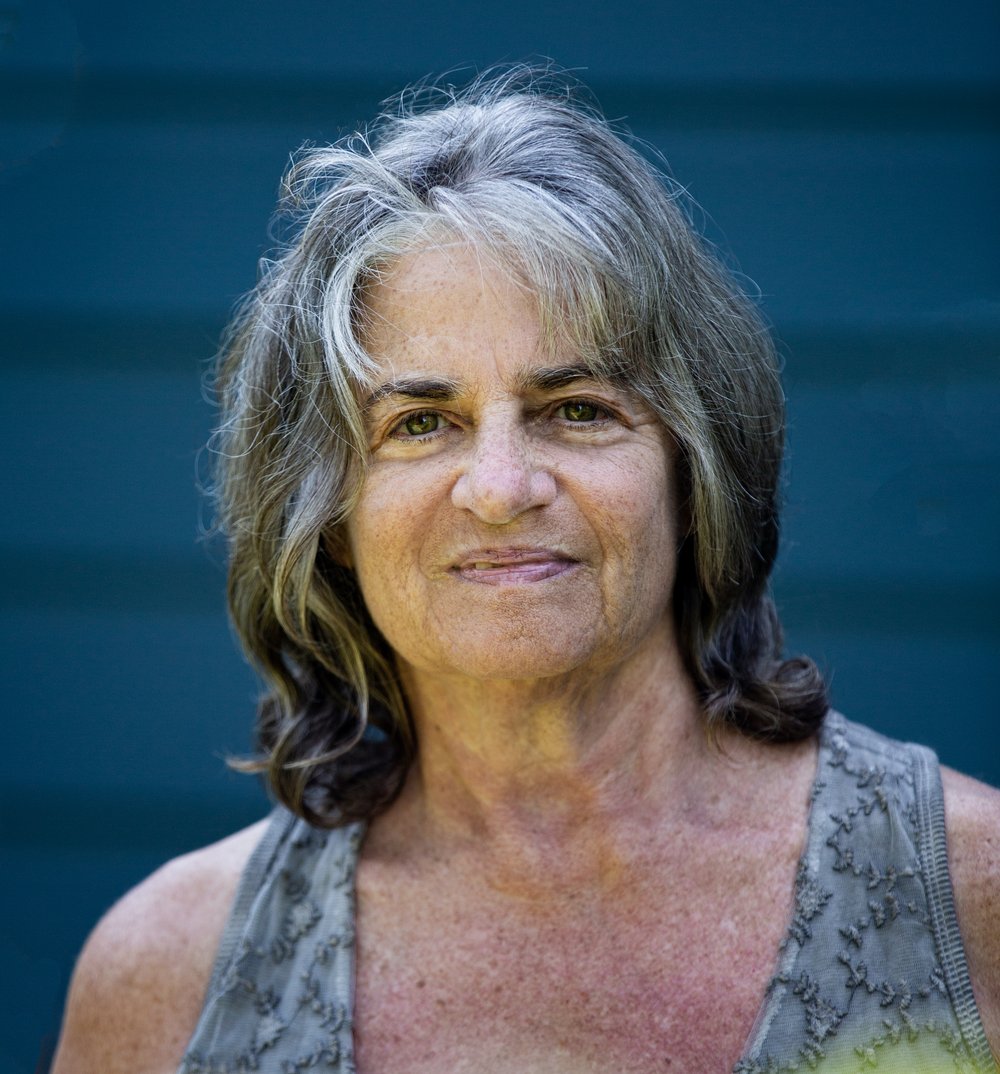
JOANN LUTZ, MSW, LICSW, C-IAYT, E-RYT (CERTIFIED YOGA THERAPIST)
Joann, psychotherapist and yoga therapist/teacher, is a pioneer in the application of trauma-sensitive yoga to mental health care. Her book, Trauma Healing in the Yoga Zone, is being praised by international leaders in trauma studies. In it, she describes and applies the Nervous System-Informed, Trauma-Sensitive Yoga model of care (NITYA).
She is also the author of a NASW CE course, "Bringing Yoga into Social Work Practice," and the paper, "Classical Yoga Postures as a Psychotherapeutic Intervention for Autonomic Nervous System Regulation." published in "Proceedings of the Yoga and Psyche Conference, 2014," published by Cambridge Scholars.
COPYRIGHT 2022 BY JOANN LUTZ
| | | | | |