|
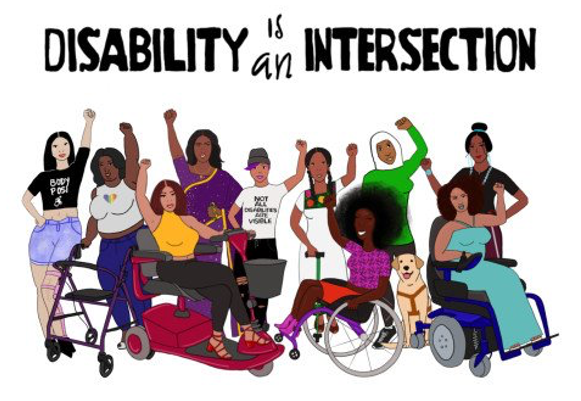
"A fair point to note is that disability intersects across all the cross-sections of humanity. You can be disabled and queer. You can be disabled and male. You can be disabled and female. You can be disabled and trans. You can be disabled, queer, black and trans. Like you can be everything and disabled at the same time. So it is actually quite poor legislatively, architecturally, socially, whatever you want to call it, economically to ignore this core group of people that actually are part of what makes the world..."
- Kym Oliver, Co-Founder of The Triple Cripples
| |
Day 9: Intersectionality and Disability | |
|
Intersectionality and Disability
A disability is any condition of the body or mind (impairment) that makes it more difficult for the person with the condition to do certain activities (limitations) and interact with the world around them (participation restrictions).
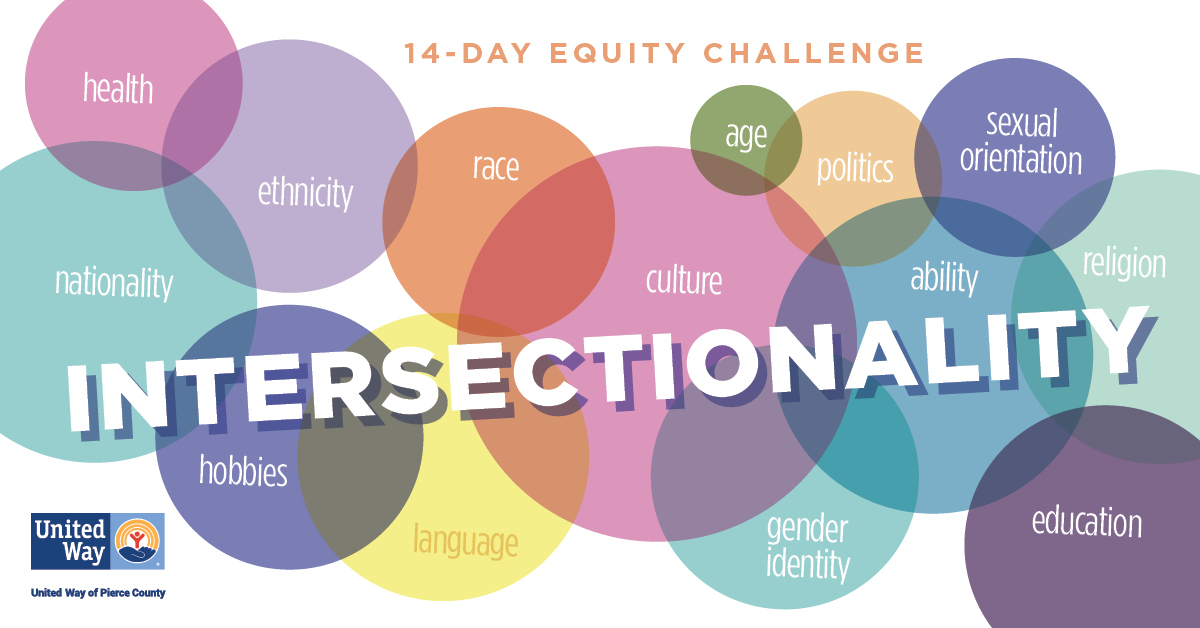
Intersectionality describes how a person's various marginalized identities work together to impact a person. For example, if an individual is low-income and lives with a disability, their life experience is first changed by the fact that they have scarce resources. However, they may also have less access to expensive diagnoses and services because of their financial status. In turn, the person’s experience with poverty is affected by their disability. The person may not be able to work because they cannot afford a disability diagnosis. A formal diagnosis would legally entitle them to workplace disability accommodations they cannot work without.
| |
|
Shades of Noir: In Conversation with The Triple Cripples
The Triple Cripples is intended to be a platform that highlights the narratives of Black and non-Black Women, Femmes and Non-Binary People of Colour, living with disabilities. Originating following a conversation between founders Kym & Jay, together they discuss the lack of representation and visibility of disabled Black women and femmes who are extraordinary members of their individual societies.
Disability and Intersectionality
When evaluating ways to prevent and tackle ableism in your workplace, it’s important that you don’t assume the lived experience of every disabled person is the same. There is a spectrum of identities and privileges among people with disabilities that shape their perspectives and, sadly, the levels of discrimination they may face.
Racial intersectionality in disability is the unique experiences and challenges faced by individuals who belong to multiple marginalized groups; racial or ethnic minorities and have disabilities. Racial intersectionality in disability recognizes that a person's identity is shaped by the intersection of various aspects of their identity, including race, ethnicity, disability, gender, socioeconomic disadvantages, age, and other identities that work interchangeably with race, to promote disability discrimination by highlighting the compounded effects of discrimination and marginalization that individuals may face due to both their racial background and their disability. Racial intersectionality in disability recognizes that these individuals may experience intersecting forms of prejudice, stereotypes, and barriers that can further hinder their access to opportunities, resources, and social inclusion.
| |
|
Intersectionality & disability, ft Keri Gray, the Keri Gray Group (2:11)
Keri Gray, founder and CEO of the Keri Gray Group, advises young professionals, businesses, and organizations on issues around disability, race, gender, and intersectionality. Keri illustrates how the framework of intersectionality is essential to true inclusion.
DIVERSish | A message for the world's 500 most powerful business leaders (1:15)
Diversity: we’ve got this nailed, right? Wait a minute… Didn’t we just forget 1.3 billion disabled people?
Our fight for disability rights -- and why we're not done yet | Judith Heumann
(17:10)
Four decades ago, Judith Heumann helped to lead a groundbreaking protest called the Section 504 sit-in -- in which disabled-rights activists occupied a federal building for almost a month, demanding greater accessibility for all. In this personal, inspiring talk, Heumann tells the stories behind the protest -- and reminds us that, 40 years on, there's still work left to do.
| |
|
Sandy Ho, a White House Champion of Change in 2015, returns to discuss her work supporting the inclusion of people from intersecting backgrounds in disability research and advocacy. She shares a brief history of the connection between intersectionality and the disability justice framework and why an intersectional approach is key to combating ableism. Sandy is the co-founder of the Disability and Intersectionality Summit, and she discusses this initiative's aim to uplift disabled people of color who experience compounded marginalization.
"Aftereffect" Podcast Examines Intersection of Race and Disability (8:54)
Last July, Arnaldo Rios Soto, an autistic adult Puerto Rican man, wandered from his group home. The situation culminated with Arnaldo's caretaker, Charles Kinsey, being shot by police at an intersection in North Miami. Arnaldo wasn't acting violent, and he wasn't putting anyone else in danger. With a number of high profile police shootings involving people of color, this incident highlighted the disparities in diagnosis and treatment for people with developmental disabilities across racial lines.
| |
|
Reflection
Intersectionality and Disability
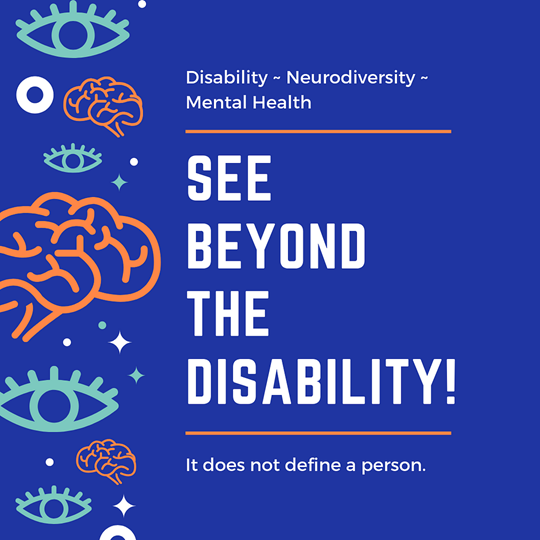
Language is central to disability politics; negative language can reinforce oppression and discrimination. Using positive language and the social model is vital to achieving an intersectional approach in building enabling and inclusive support services for disabled people. The social model is founded on the idea that our environment and societal barriers disable us, not a fault with the person. Seeing the whole person beyond their disability makes a huge difference in understanding disclosure rates, prevalence rates and engagement with services.
Recognizing when an Intersectional Approach is Needed
ALWAYS! Evaluating whether a system or service is fit for purpose can be complex, but it helps to start by asking questions like:
Which communities are served and which aren’t? Why?
Who gets to participate and who doesn’t? Why?
Who has access to resources and support and who doesn’t? Why?
Who’s voices get heard and who’s don’t? Why?
Click below to learn more!
| | | | |