|
Identities (49:10)
From Pico Iyer, "My home is where I find my identity, where I create my identity which is an ongoing phenomenon." Each of us has a sense of who we are, where we come from, and what we believe. But is identity assigned at birth? Shaped by circumstance? Or is it something we choose that changes over time? In this radio segment from NPR, TED speakers describe their journeys to answer the question: Who am I?
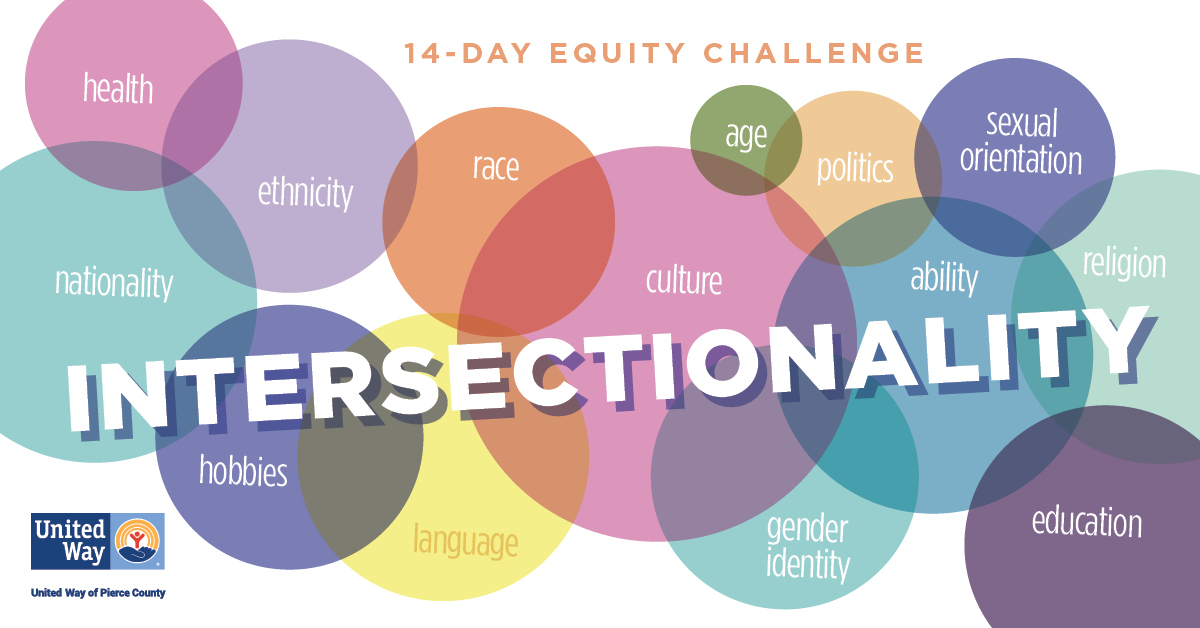
What are intersectionality, privilege and positionality? (5:38)
Brandeis University Vice President for Diversity, Mark Brimhall-Vargas, explains these topics in just five minutes in this podcast.
How to Check Your Privilege (25:01)
Being unaware of people’s experiences of inequality like racism or sexism, often inadvertently and unwillingly leads to behaviors that are racist and sexist. We are simply blind to inequality. Being able to learn about inequality without ever having to experience it, is really the ultimate privilege. But just like inequality, when we deny our privilege we are blinded by it. Privilege makes it easy to deny other people’s experiences of inequality and keeps us from seeing the workplace in the way others see it. Denial is what keeps inequality alive in workplaces today. When leaders and employees see how being a part of the dominant group gives them access to power and privilege, they will also become aware of the unique position they are in to dismantle the very inequality they benefit from.
|