|
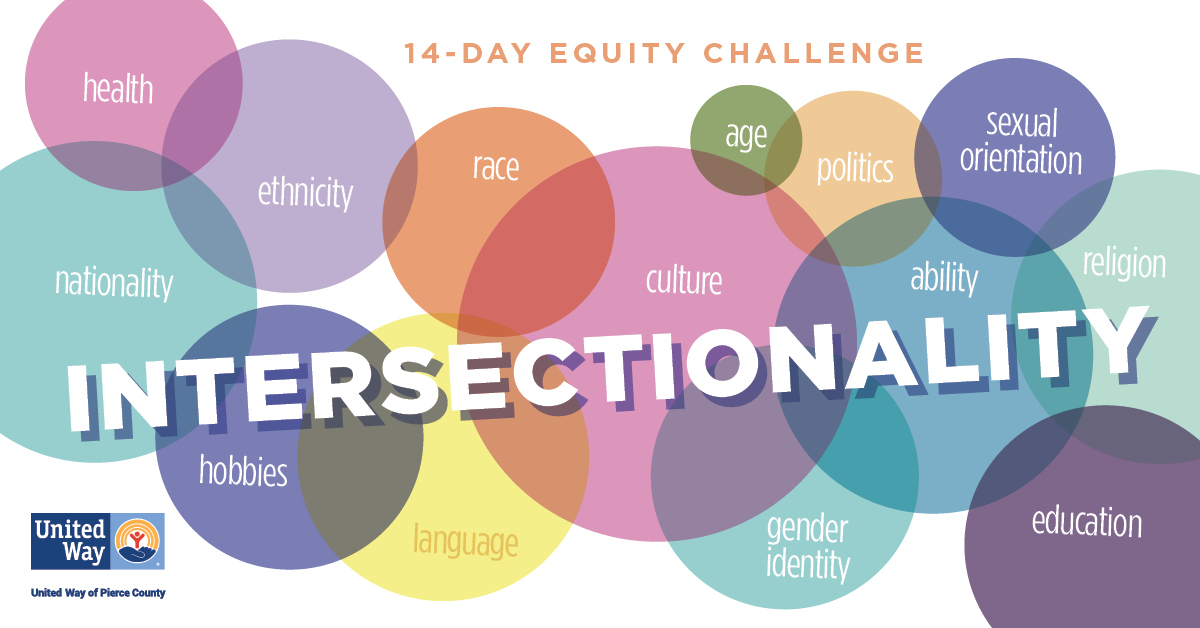
The Importance of Recognizing Intersectionality (4:42)
A student talks about intersectionality, how it affects suicide rates, and what solutions we can provide to lower said rates. Factors such as ethnicity, sexuality and gender, and mental illness all contribute to a person’s identity, and are very important in making us who we are, and we need to support those who have faced challenges based on these factors in any way that we can.
Deconstructing White Privilege with Dr. Robin DiAngelo (22:05)
It is imperative that white people acknowledge their privilege in order to be able to support and fight for others. We can use this privilege for the benefit of those being marginalized by race and intersectionality. Dr. Robin DiAngelo is the author of "What Does it Mean to Be White? Developing White Racial Literacy" and has been an anti-racist educator, and has heard justifications of racism by white men and women in her workshops for over two decades.
3 ways to be a better ally in the workplace | Melinda Epler (9:37)
We're taught to believe that hard work and dedication will lead to success, but that's not always the case. Gender, race, ethnicity, religion, disability, sexual orientation are among the many factors that affect our chances, says writer and advocate Melinda Epler, and it's up to each of us to be allies for those who face discrimination. In this actionable talk, Epler shares three ways to support people who are underrepresented in the workplace. "There's no magic wand for correcting diversity and inclusion," she says. "Change happens one person at a time, one act at a time, one word at a time."
|