|
Florida Legislative
SESSION 2023
| |
|
Weekly summary of health care legislation being considered by the Florida Legislature. | |
|
Opening day of the Florida Legislature included the Governor's
State of the State address and both
House & Senate Leadership outlined their priorities.
| |
Senators with Bills on the Move | |
CS/SB 112 creates an exception from step-therapy prior authorization requirements within the Florida Medicaid program for a drug product that is prescribed for the treatment of a serious mental illness, as that term is defined in the bill, or a medication of a similar drug class if prior authorization was previously granted for the prescribed drug and the medication was dispensed to the patient during the previous 12 months. | |
|
|
SB 230: Health Care Practitioner Titles & Designations
- The bill provides that if someone other than an allopathic or osteopathic physician attaches to his or her name any of the titles or designations listed in the bill, in an advertisement or in a manner that is misleading, deceptive, or fraudulent, the person is practicing medicine or osteopathic medicine without a license.
- The bill amends s. 456.072(1)(t), F.S., to provide that a practitioner’s failure to wear a name tag, which must include his or her name and profession, when treating or consulting with a patient, is grounds for discipline unless he or she is in his or her office where the practitioner’s license is prominently displayed in a conspicuous area, and the practitioner must verbally identify himself or herself to all new patients by name and profession.
- The bill further amends s. 456.072(1)(t), F.S., to provide that any advertisement naming a practitioner must include the practitioner’s profession and educational degree and to require practitioner regulatory boards, or the Department of Health (DOH) if there is no board, to adopt rules to determine how their practitioners must comply with this paragraph of statute.
| |
Legislation Moving in the House | |
|
The bill broadens the purpose of the Commission to require the Commission to assess the adequacy of the current infrastructure of Florida’s National Suicide Prevention Lifeline system and other components of the state’s behavioral health crisis system.
The bill also expands the duties of the Commission.
The bill requires the Commission to:
- Work with the community stakeholders to further support the NSPL system and other crisis response services;
Conduct an overview of the current system to:
- Identify available mental health block grant funds that can be used to support the NSPL
- infrastructure and crisis response services within the state, including any available funding through the opioid settlements or through the American Rescue Act, The Coronavirus Aid, Relief, and Economic Security (CARES) Act, or other federal legislation;
- In consultation with AHCA, identify sources of funding available through the Medicaid program specifically for crisis response services, including funding sources that may be available by seeking approval of a Section 1115 waiver submitted to the Centers for Medicare and Medicaid Services.
| |
- In consultation with AHCA, identify Medicaid funding specifically for crisis response services, including funding sources that may be available by seeking approval of a Section 1115 waiver submitted to the Centers for Medicare and Medicaid Services.
| |
|
a variety of other entities are involved in meeting the needs of individuals in a mental health crisis, and many other state and federal laws and associated regulations govern the operation of and interaction between these entities in the performance of their duties relating to behavioral health acute care.
Section 394.457, F.S., requires the Department of Children and Families (DCF) to publish and distribute an information handbook to facilitate understanding of the Baker Act. DCF also seeks to educate professionals and the public about the Baker Act, such as through webinars, presentations, and a frequently asked question repository. The handbook (known as a user reference guide) was last updated in 2014, and some of the FAQ’s were last updated in 2012 despite the multiple revisions to the Baker Act since then.
| |
HB 829 requires DCF to annually update the Baker Act handbook and to maintain a FAQ repository. | |
|
The bill creates the Emily Adkins Prevention Act to require the Secretary of the Agency for Health Care Administration (AHCA), in conjunction with the State Surgeon General, to establish a blood clot and pulmonary embolism policy workgroup. The bill tasks the workgroup with:
Identifying the aggregate number of people in Florida who experience blood clots and PEs annually; Identifying how data is collected regarding blood clots, PEs, and associated adverse outcomes; Identifying how blood clots and PEs impact the lives of Floridians; Identifying the standard of care for blood clot surveillance, detection, and treatment; Identifying emerging treatments, therapies, and research relating to blood clots; Developing a risk surveillance system to help health care providers identify patients who may be at a higher risk of forming blood clots and PE; Developing policy recommendations to help improve patient awareness of blood clot risks; Developing policy recommendations to help improve surveillance and detection of patients who may be at a higher risk of forming blood clots in hospitals, nursing homes, assisted living facilities, residential treatment facilities, and ambulatory surgical centers; Developing policy recommendations relating to guidelines used that affect the standard of care for patient at risk of forming blood clots; and Developing policy recommendations relating to providing patients and their families with written notice of increased risks of forming blood clots.
| |
The bill requires the workgroup to be composed of health care providers, patients who have experienced blood clots, family members of patients who have died from blood clots, advocates, and other interested parties and associations. The bill requires the Secretary of AHCA to submit an annual report and a final report of his findings and recommendations to the Governor and the legislature. | |
|
The bill requires all employees of nursing homes, home health agencies, nurse registries, homemaker and companion service providers, ALFs, adult family-care homes, and adult day care centers, to complete one hour of initial ADRD training; not just those who have direct contact with individuals with ADRD. The bill requires the training to be completed within 30 days of beginning employment, instead of within three months.
| |
|
HB 351 authorizes CNAs to administer certain medications, upon delegation by a registered nurse, to patients in nursing homes if the CNA meets certain training and experience requirements. The bill creates the designation of qualified medication aide (QMA) for such a CNA. The bill requires a CNA to meet the following requirements to become a QMA: Hold a clear and active certification as a nursing assistant from DOH for at least one year; Complete a 34-hour training course on medication administration and associated tasks including blood glucose level checks, dialing oxygen flow meters to prescribed settings, and assisting with continuous positive airway pressure devices; and Demonstrate clinical competency by successfully completing a supervised clinical practice in medication administration and associated tasks in the facility. The bill requires a registered nurse to delegate to a QMA the task of administering medication and limits the types of medication a QMA may administer to oral, transdermal, ophthalmic, otic, inhaled, or topical prescription medication.
| |
The bill requires a QMA administering medication to be supervised by a registered nurse, licensed practical nurse, or an advanced practice registered nurse. The supervising nurse must be on the premises when a QMA is administering medication. | |
|
HB 899 increases the age that an infant may be surrendered from seven days old to 30 days old, preventing unsafe abandonment by allowing more time for parents to decide whether to surrender a child. The bill authorizes hospitals, emergency medical service stations, and fire stations that are staffed 24 hours a day to opt to utilize newborn safety devices, and specifies the requirements for such devices. The bill authorizes a parent, after delivery of a newborn infant in a hospital, to leave the infant with medical staff or a licensed health care professional. The parent of the newborn must notify the staff or professional that the parent is voluntarily surrendering the infant and does not intend to return.
| |
The bill also authorizes a parent to call 911 & request than an emergency medical services provider meet the surrendering parent at a specified location. | |
|
Under the compact a Florida licensed psychologist is eligible to provide services to out-of-state patients through either telehealth or a temporary authorization to practice.
| |  |
HB 387 - Physician Certifications for the Medical Use of Marijuana
Retains the requirement that a qualified physician conduct an in-person physical examination for an initial physician certification & authorizes the physicians to use telehealth for a renewal certification.
| |
|
Tort Reform Bill Clears First Committee in Senate
A significant tort reform bill (SB 236) that aims to reduce lawsuits against businesses and insurance companies passed the Senate Committee on Banking and Insurance on an 8-3 party line vote with Republicans in favor. Among other things, the proposal would make it harder to win awards in negligence cases, reduce the time to file a lawsuit and change how attorneys get paid. The sponsor, Palm Coast Republican Sen. Travis Hutson, said the bill seeks to ensure fair treatment of both plaintiffs and defendants in the civil justice system. He also said it is a work in progress and expects it to be amended as it moves forward, highlighting that negotiations with the House are ongoing. Democrats on the committee expressed reservations about the proposed restrictions on testimony regarding potential long-term medical expenses and provisions that eliminate the responsibility of property owners to maintain secure properties. Currently, provisions in the bill would require juries to only hear the costs billed to individuals and allows juries to figure damages at 140% of Medicaid rates. Sen. Jay Trumbull, R-Panama City, raised concerns about the "bad faith" provisions, saying he believes Floridians should have the right to take action if an insurer fails to fulfill its contractual duties. The proposal is a priority of Gov. Ron DeSantis and the insurance industry also supports the bill, saying current state law promotes abusive practices. Plaintiff's lawyers oppose it, arguing consumers will bear the brunt of the proposed law. A similar House companion (HB 837), filed by Lakewood Ranch Republican Rep. Tommy Gregory, is scheduled to be considered in its second and final committee of reference on Wednesday: the House Judiciary Committee. Florida Politics
| |
|
KidCare Could Expand Eligibility as the State Limits Medicaid Enrollment
Florida is considering expanding income eligibility for its children's health insurance program, Florida KidCare. Currently, families must have incomes at or below 215% of the federal poverty level to qualify. Two bills filed in the House propose an increase in eligibility to 250% (HB 121) and 400% (HB 1245) of the federal poverty level. Expanding Florida KidCare would require millions in additional funding. The House bill, filed by Weston Democrat Rep. Robin Bartleman, would increase the number of beneficiaries by around 10,000 children in 2024 and boost the number of recipients to almost 38,500 children by 2028. The Senate proposal, sponsored by Lighthouse Point Republican Rep. Chip LaMarca, would increase enrollment in the program by up to 73,184 children by 2028. The move to expand eligibility comes as the state scales back its Medicaid program enrollment to pre-pandemic rates, which will result in the removal of about 900,000 people who no longer qualify for the safety net program. House Speaker Paul Renner recently met with Florida Healthy Kids Corporation staff, according to Florida Politics, indicating that he is considering the expansion of the subsidized health insurance program which many GOP state leaders have historically been against. Florida Politics
| |
|
Bipartisan legislation called "Nancy's Law" aimes to modernize and make the organ donation process more efficient in Florida.
The recently filed legislation (HB 1053, SB 1186) is sponsored by Orlando Democrat Rep. Rita Harris, Longwood Republican Rep. Rachel Plakon and Orlando Democrat Sen. Linda Stewart. The measures are named after Nancy Whited, who suffered from kidney disease and was removed from the transplant list due to complications from an error in prescribed medication. Despite several live donor candidates, Whited's transplant was delayed by administrative procedures, and she eventually died. The proposal would direct the Department of Health to adopt rules that will streamline the process of medical testing by living organ donors and the transfer of medical records between physicians of donors and recipients. Harris-Plakon-Stewart Press Release
| |
|
Medicaid Biomarker Bills Backed
Two new bills that would require the state's Medicaid program to cover biomarker testing have the endorsement of the American Cancer Society's Cancer Action Network. The group is urging both sides of the aisle to support the legislation, saying biomarker testing enables doctors to identify the most effective cancer treatment for patients. Currently, not all patients have access to the new technology. The measures (HB 805, SB 1218) are sponsored by Tampa Republican Rep. Karen Gonzalez Pittman and Port Orange Republican Sen. Tom Wright. Other states have passed similar laws. The organization is also backing Gov. Ron DeSantis' budget recommendations that support allocations for cancer-fighting programs, including the proposed $20 million in funding for the Florida Cancer Innovation Fund. Florida Politics
| |
|
Pharmacy benefit manager reform will increase transparency, access
Commentary By Rep Carolina Amesty Guest Columnist
Mar 08, 2023- Orlando Sentinel
Six in 10 adults report currently taking at least one prescription medication and see their pharmacist twice as often as any other health-care provider. Despite the pivotal role pharmacists play as health-care providers, and our country’s growing reliance on prescription drugs, middlemen in the U.S. prescription ecosystem known as pharmacy benefit managers, or PBMs, put profits over patients by engaging in harmful practices that restrict both patient access to their local pharmacist and access to low cost generic drugs.
Thankfully, legislation has been unveiled in Tallahassee offering relief and a first step at reining in unchecked PBM practices that disadvantage millions of Floridians.
Pharmacy benefit managers are middlemen in the U.S. drug pricing ecosystem. Acting on behalf of health-insurance companies, Medicare plans, and employer plans, PBMs leverage the collective buying power of their health plan enrollees to negotiate drug prices, purportedly to save money for the organizations they represent. At face value, PBMs tout that they are a valuable asset for reducing prescription costs. Unfortunately, the current system is often abused by unchecked PBMs that take advantage of the lack of oversight to increase their profits at the expense of patients.
Incredibly, three companies manage 80% of all prescriptions in America. Each year, PBMs design and implement drug lists designed to exclude lower-priced generics in favor of higher-priced versions that offer significant rebates, generating higher profits for PBMs and increasing costs for patients.
Enabled by a lack of oversight, PBMs engage in “spread pricing,” where they charge health plans and consumers more than they reimburse the pharmacy and keep the difference, or “spread,” as profit. This practice drives up patient costs.
Additionally, PBMs often employ the practice of “steering,” where they channel prescriptions to their own wholly-owned mail-order and specialty pharmacies. This limits patient choice and pharmacy access for Floridians by requiring patients to receive their medications from a closed-door, PBM-owned mail or specialty pharmacy, which can only be contacted by mail and phone.
To keep PBMs from taking advantage of and driving up costs for patients, we need to hold PBMs accountable through comprehensive PBM reform to bring greater oversight and transparency to how they operate. Governor DeSantis’ Executive Order number 22-164, signed in July 2022, took a significant first step in this direction by instructing state agencies to include provisions in all PBM contracts to prohibit spread pricing and require certain data reporting by PBMs. However, new legislation announced by the governor would extend these reforms to the commercial market, protecting Floridians from predatory practices employed by PBMs.
Specifically, the proposed legislation reins in PBMs by safeguarding against steering and spread pricing, increasing registration requirements for PBMs, and ensuring a more comprehensive evaluation before approving them to do business in Florida. The bill also increases transparency by requiring PBMs to disclose all affiliated pharmacies or companies within their corporate umbrella, notify the public of all proposed drug price increases, and submit an annual report outlining and justifying any increases over the past year. Overall, this legislation will bring much-needed reform to the current system and help make it work better for the nearly 9 out of 10 adults 65 and older currently taking prescription drugs.
To increase access to prescription drugs and prevent abuses like steering and spread pricing that are embedded into the current system, we must embrace common-sense solutions; solutions that regulate unchecked pharmacy benefit managers and help prioritize the well-being of Florida patients over the profit margins and special interests of middlemen. We can collectively raise our voices and show support by calling our local legislators and telling them to support legislation to expand prescription access, choice and affordability for millions of Floridians.
No one should have to stop using their trusted local pharmacist or be denied access to the most affordable drugs. Together, we can stand up against abusive PBM practices and promote a pricing system that serves the entire population of Florida, not just special interests.
Carolina Amesty, a Republican, represents District 45 in the Florida House.
| |
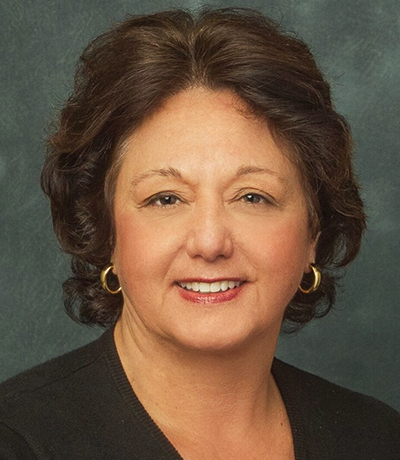
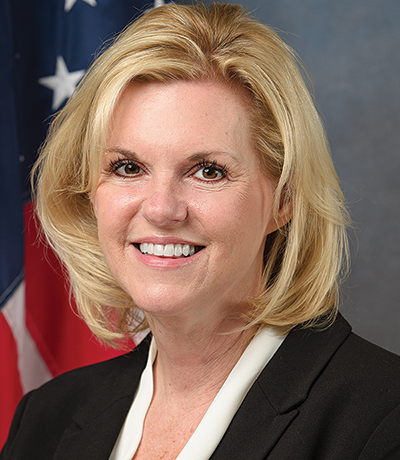
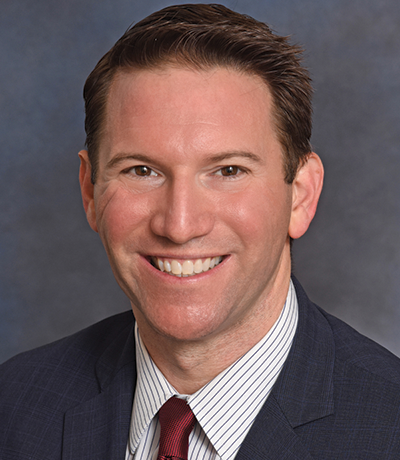
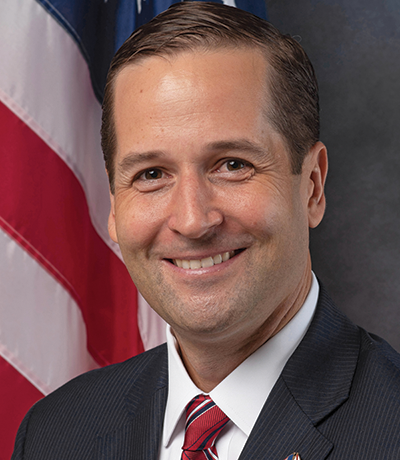
Sponsors of the Governor's PBM bill | | | | |