Tom Knoblock 308-660-0410
Call for an appointment to visit
the nursery in Aransas Pass
USDA Plant Hardiness Zone Finder Enter your zip code to find your zone
Subscribe to my Facebook page

LinkedIn Share This Email

Continued Heat Advisory 90°+ for the next 10 Days

It is important to reduce your Electric Demand

To support the Texas Power Grid Reliability


Sign up for TXANS Advisory & Notification System

Link to TXANS - Energy Saving Tips


And Efficiently Water your Landscape

Click the Link Below for the YouTube video

Watering Trees in the Summer - Aggie Horticulture

September, October, and November

Is planting season for Fruit Trees.

Fall-planted Fruit trees establish new roots in the fall

for early spring growth

Youtube Video Links

High-Density Back Yard Orchard Culture


Permaculture Made Easy - Brilliant Banana Circles

This Weekend Markets

Rockport Downtown Farmers Market

105 S Austin Street

Saturday 9 AM to 1 PM

Rockport Downtown Farmers Market


Water Street

Farmers Market

309 N Waters Street

Corpus Christi

Every Sunday 10 AM to 2 PM


You can also call for

an appointment to visit the nursery

Tom Knoblock 308-660-0410

Click the Links Below for Youtube Videos

Watering Trees in the Summer - Aggie Horticulture


How to Water Your Fruit Trees LOW MAINTENANCE Drip Irrigation Walkthrough and Tour

New Videos

Trimming Banana Plant Leaves to promote faster growth, Flowers, and Bananas


How to Stimulate Dragon Fruit Bud Growth With Nutrients


Place your order for Fruit Trees

For Fall planting

Fruit trees are in stock now at the Nursery

Buy 2 Fruit Trees, and receive a 3 cu ft bag

of mulch when picked up at the nursery


Fruit Trees are in higher demand than ever before.

This fall there is a limited inventory.

We recommend ordering early.


Place your order for Fruit trees and

Non-Invasive Clump Bamboo Today


Check the order form below for the

current availability at the nursery


Download the

Fruit Tree Order Form Here


Clumping Bamboo is also available by special order

Non-Invasive Clump Bamboo Order Form


Growing Fruit Crops in Containers


Selecting Fruit Trees for the Coastal Bend

Things to consider when choosing fruit trees

to fruit successfully in our climate. 

Many temperate fruit tree varieties such as apples, pears, peaches, plums, etc. don’t do well In South Texas.

Why? We live in a semi-tropical environment with a very mild winter and not a true temperate climate with a consistently cold winter.


Fruit trees chill hour requirements

Fruit trees, such as apples, peaches, pears, plums, require a period of dormancy and the accumulation of chilling to produce flowers and fruit.

If a fruit tree is grown where winter cold is insufficient to satisfy the variety’s chilling requirement, blooming and foliation will be delayed and erratic; fruit set and fruit quality will be poor.

A chill hour is the amount of chilling received by a plant at 45 degrees F.


The Coastal Bend is in Hardiness Zone 9b

The minimum average temperature range is 25°F to 30°F.

The Coastal Bend on average receives 110-310 Chill hours

For plants to thrive in your geographical area, it requires matching ideal USDA Plant Hardiness Zone compatibility with the optimum amount of chill hours.


Pollination of Fruit Trees

Some types of fruit trees may be pollinated with their own pollen and are considered self-fruitful or self-pollinating. Other types of fruit trees require pollen from a different variety of the same type of fruit trees. The transfer of pollen from one variety to a different variety of the same type of tree is called cross-pollination. Cross-pollination is essential for apples, pears & most sweet cherries. Cross-pollination is not essential but does improve the number of fruit that form on other fruit trees.

Pollen is primarily transferred by honeybees.


Fruit Tree Chill Hour, Hardiness Zones & Pollination Requirements

  • Almond – 200 to 700 chill hours – Zones 5 – 9 - most require cross-pollination
  • Apple – 200 to 1200 chill hours – Zones 5 – 9 – most require cross-pollination
  • Avocado – Zones 5 – 9 – A & B types help with increased pollination, but is not required
  • Banana – Zones 4 – 11 – self-pollinating
  • Cherry – 600 to 1200 chill hours – Zones 5 – 7 – most require cross-pollination

·        Cherry, Barbados & Surinam – Zones 9b – 11 – self-pollinating

  • Citrus Trees – Zones 9 – 11 – self-pollinating
  • Figs – 100 to 500 low number of chill hours – Zones 5 – 9 – self-pollinating
  • Grapes – 100 to 500 chill hours – Zones 5 – 9 – most are self-pollinating
  • Loquat – Zones 8b – 11 – self-pollinating
  • Olives – Zones 9 – 11 – most are self-pollinating
  • Peaches – 150 to 1200 chill hours – some are self-pollinating
  • Pears – 400 to 1500 chill hours – Zones 5 – 9 – some are self-pollinating
  • Pecan – 200 to 1600 chill hours – Zones 5 – 9 – most require cross-pollination
  • Persimmon – 100 to 500 chill hours – Zones 5 – 9 – some are self-pollinating
  • Pomegranate – 100 to 200 chill hours – Zones 7 – 10 – self-pollinating

Growing Backyard Citrus presented by

Texas A&M AgriLife Extension Service 

Galveston County Master Gardener Youtube Presentation

Link to the Youtube Presentation

Link to download a PDF of Growing Backyard Citrus

Also a PDF of Extending Your Citrus Season

Caring For Container Grown Lime Trees

How To Grow Blood Oranges

Facebook Indoor Citrus Tree Growers Group

Grafted Citrus Trees

Limited availability

Lemons/ Limes


Meyer Lemon

Meyer Lemon Fruit

  • The Meyer lemon is thin-skinned with a bright yellow rind, which turns orange-yellow as the fruit ripens on the tree
  • The lemons have a juicy, moderately acidic and flowery flavor
  • Meyer lemon trees are prolific citrus fruit producers with incredibly fragrant and beautiful blossoms
  • The lemon juice tastes sweeter than a Eureka and provides an incredible, unique lemon flavor and scent
  • Meyer lemons are a hybrid of a lemon and mandarin and are less acidic than other true lemons as a result

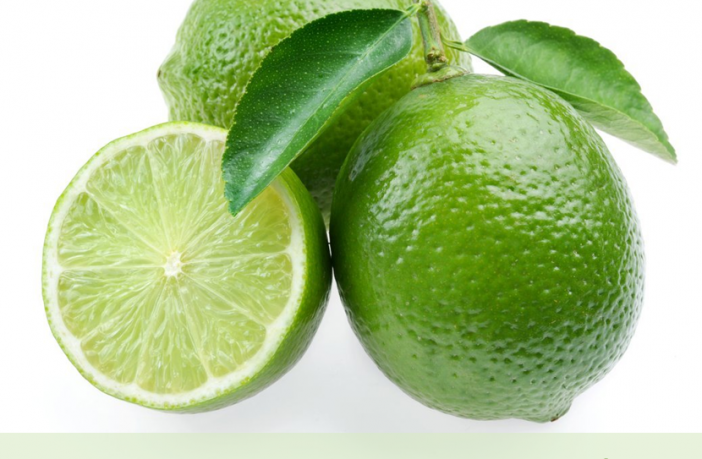
Thornless Mexican limes

(Valley Lime or Key Lime)

The bartender's lime with the added bonus of having no thorns

Mature fruit is small, green to yellow-green ripening in July to December.

Carrizo rootstock provides excellent early bearing of young trees, internal fruit quality is excellent, and fruit size is usually medium to large. Carrizo is vigorous and develops medium to large tree size


3 Gallon DWARF Citrus- Flying Dragon Rootstock

Dwarf Key Lime

Thornless Mexican limes (Valley Lime or Key Lime)

The bartender's lime with the added bonus of having no thorns

Mature fruit is small, green to yellow-green ripening in July to December.


Mandarin

Shiranui Mandarin Orange

Shiranui Mandarin Orange is one of the sweetest fresh-eating citrus varieties available. 

The fruit is very large Mandarin and has a bump on top of the fruit by the stem that resembles the Japanese sumo wrestlers' topknot hairstyle. Easy to peel and segment.

Tolerates high heat.

USDA Hardy zones 9 - 10

Avocados

Joey Avocado

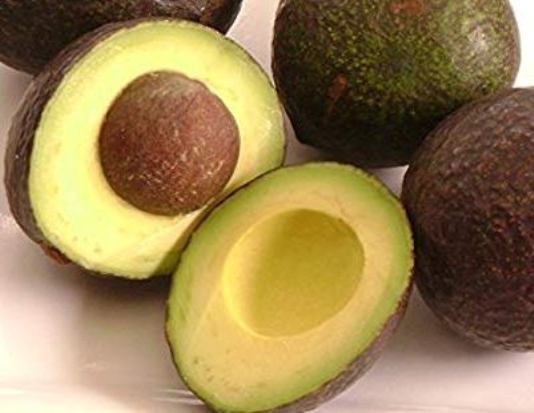
Joey is a medium-sized Mexican avocado weighing approximately 6-10 ounces with a thin purplish-black skin and egg shaped. It is also known to be a heavy bearer. Cold Hardy Avocado mature trees have withstood temperatures as low as 15-18 degrees. The fruit ripens from August to October.

The Joey avocado tree may be erect, usually to 30 ft. 

 It is a “Type B” pollinator.

Mexicola Grande Avocado

The Mexicola Grande avocado is the most frost-resistant of all avocado varieties as low as 18 degrees. This high-quality, black-skinned avocado is up to 25% larger than its parent, Mexicola. The trees are fast growing and have a tall, upright spreading habit. Up to 30'

The Mexicola Grande is self-pollinating and is considered a Type “A” pollinator.


Low Chill Peach Varieties

May Pride Peach

August Pride Peach trees flourish in coastal regions, as they do well in mild winter climates. Its freestone fruits are medium-large in size, with tender yellow flesh. Sweet, aromatic and richly flavored, it is considered one of the best peaches, whether fresh, preserved, dehydrated, or in baked goods. Self fertile. Chill Hours: 300 Fruit Ripens: August through September

Eva's Pride Peach

One of the finest low chill early season peach varieties. From the renowned fruit hybridist Floyd Zaiger, the Eva's Pride peach has become a must have for all backyard grower in both climates well suited to peaches and areas that receive less than 200 hours of chill. Self fertile


Other Fruit Tree Varieties

Trimming Banana Plant Leaves to promote faster growth, Flowers, and Bananas

Ein Shemer Apple

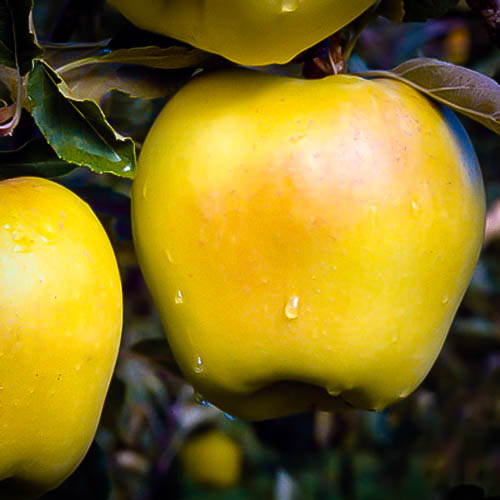
Ein Shemer Apple Trees are a large, Golden Delicious type, with a crisp tart flavor and good quality flesh. The Ein Shemer is an excellent multi-use southern apple that ripens mid-June to early July, after the Anna Apple Tree. The Ein Shemer Apple Tree is a self-fertile apple tree.

An exceptionally low chill requirement, and will thrive even in climates where temperatures dip towards freezing for only 250 hours or so each winter. This makes it ideally suited to climates such as southern California and southern Texas which are in USDA zones 8-10.

Ice Cream Banana Tree 3 gal Many rate the Ice Cream banana tree as the best tasting banana.

It has a taste reminiscent of vanilla pudding, yet the texture is firm and sweet. 

The bananas are medium sized and the flesh is snow white. The skin of the fruit is an unusual blue green and the leaves are silver green.

Grows 8 to 15 feet. Zones 8-11.


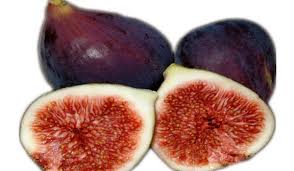
Black Mission Fig

The Black Mission Fig is a self pollinating tree, and is one of the most dependable backyard varieties sold today. This tree produces a large fruit with a purplish-black skin during both the summer and the fall months. The average size of this plant is 40 feet high and 60 feet wide and requires full sun exposure and regular watering. These large, full-flavored fruits can be eaten fresh or used for drying and canning purposes. The Black Mission Fig is hardy in Zones 7-10.

Non-Invasive Clump Bamboo

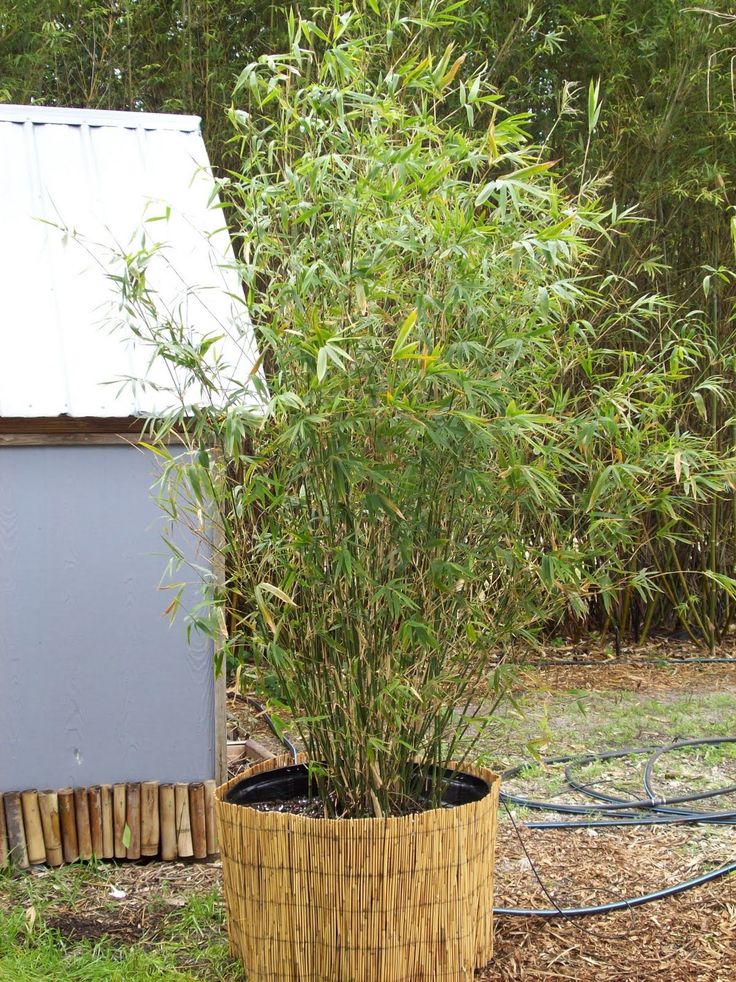
Golden Goddess Bamboo 15 gal. 4 - 5' plant

Clumping, non-invasive 15 gal $129

A striking bamboo with very small leaves on slender culms, making it perfectly suited for privacy screens; bright yellow-gold stems are a major year-round attraction; a great choice for smaller landscapes.

Plant in full sun to light shade. Hardy to 12 degrees F.

Makes a good container plant as well as for screening.

Golden Goddess bamboo makes a great hedge bamboo for smaller yards because its height ranges from 6-12 ft. The culms usually grow from 1/4” to 1/2” in diameter making this bamboo easy to trim and into the perfect hedge line.

HOW TO GROW YOUR OWN DRAGON FRUIT


How to Stimulate Dragon Fruit Bud Growth With Nutrients


19 Health Benefits Of Dragon Fruit 

Video Tips

8 Tips How to Get MORE Dragon Fruit

5 Tips How to grow a ton of dragon fruit


Tipping Dragon Fruit Branch to Help Induce more Buds

HOW TO INDUCE DRAGON FRUIT TO FLOWER

EASY FRUITING TIPS

Dragon Fruit Varieties Available

Edgar's Baby Red Dragon Fruit

This dragon fruit hybrid called “Edgars Baby” is the result of years of research, crossing, and selection by Edgar Valdivia.

‘Edgar’s Baby’ has a sweet and tangy, reddish inner flesh with tiny, edible, black seeds. With several fruits over a pound

White, fragrant flowers adorn the plant in late spring to early fall.

Edgar’s Baby may have up to 4 fruiting cycles per year.

We recommend 2-3 different varieties for proper cross-pollination.

Fast grower. Easy-to-grow. Easy to containerize. 


  • Balanced flavor
  • Very sweet and tangy
  • Zone 10-11


HALLEY'S COMET Dragon Fruit 

Halley’s Comet is a pink skinned, green finned fruit with beautiful purple flesh ranging from 1-2 pounds.

The flesh is sweet with an average brix of 16.

The plant is fast growing, easy to care for, and grows well in containers and can tolerate full sun. White, fragrant flowers adorn the plant in late spring to early fall. The flowers are over 13” across, elaborate and bloom only at night. Blooms all summer

  • May have up to 4 fruiting cycles per year. DOES NOT need to be cross-pollinated. Is often considered by many to be the best variety of dragon fruit. 

KATHIE VAN ARUM Dragon Fruit 

Amazing Coconut Sweet Taste

Hylocereus ‘Kathie Van Arum’ E. Meier

Kathie Van Arum Dragon Fruit is a hybrid variety that comes from Hylocereus stenopterus and Hylocereus undatus. It is one of three hybrids created by German hybridizer Eckhard Meier.

This is one of the few red/purple nocturnal flowering cactuses that are highly fragrant. Its bloom has purple with deep pink edges and pink to light pink edges.  It starts to open its flowers during the day and will be completely open by dusk.  

The bloom is approx 9-12" and extremely stunning. 

This is a self-pollinating hardy grower and gets large quickly.  

The fruit often weighing .5 – 1 pound. The fruit has an amazing Coconut Sweet Taste with a brix reading of 22.5. The flesh is pink and the skin being almost maroon with green fins.

Yellow Dragon Fruit 

The sweetest of all dragon fruit varieties has bright yellow skin and translucent white flesh with slightly larger but fewer edible seeds 

Share this with your gardening Friends
LinkedIn Share This Email

For reservations click the links below

Fisherman's Cottage Airbnb

3 Guests w/kitchen

Fishermans Hideaway

New 1 bedroom 1 1/2 bathroom suite 

in the country just outside of Aransas pass

Safe & secure well-lit fenced 1-acre lot

for all your boats and equipment


Airbnb - Fisherman's/ Boater's Dream Home

up to 16 guests with secure boat storage


Fisherman's Home Airbnb

10 Guests Entire Home

w/plenty of parking for your boat


Subscribe to my Facebook page

Aransas Pass Texas Airbnb Fisherman's Cottage