|
This Weekend's Markets
Rockport Downtown Farmers Market
105 S Austin Street
Saturday 9 AM to 1 PM
Rockport Downtown Farmers Market
Water Street Farmers Market
Every Sunday 10 AM to 2 PM
309 N Waters Street, Corpus Christi
20% Off Sale
At Subtropical Nursery
Call Tom for appointment
308-660-0410
161 N Rife Street
Aransas Pass
| |
|
Non-Invasive Clump Bamboo
15 gal Specimen Clumps Available
Taiwanese Sweet Shoot Edible Bamboo
| |
|
Cold Hardy Plants for the Coastal Bend
and establishment for hardiness
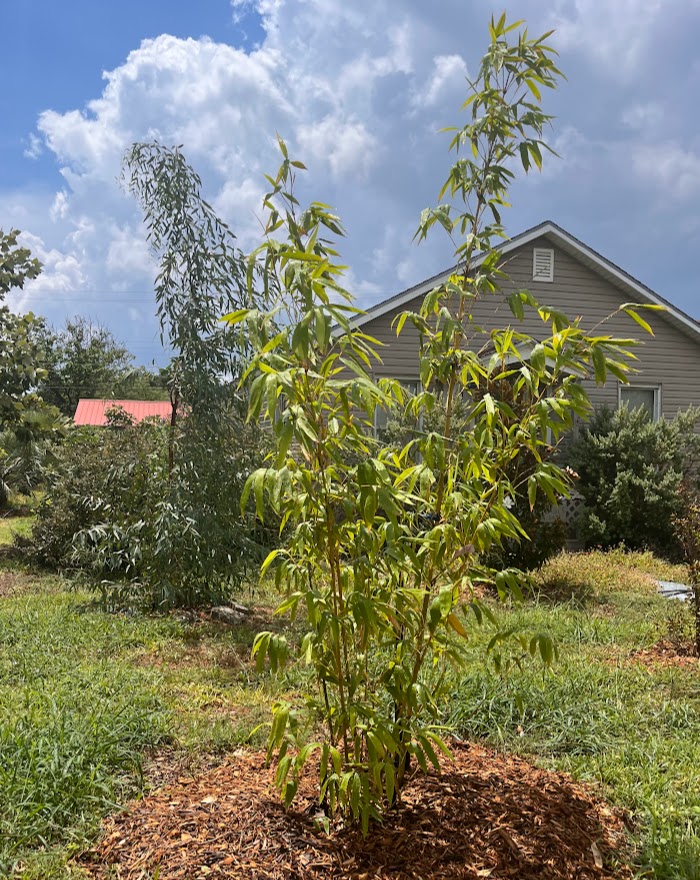
Last week I planted some trees in my yard.
I have sandy soil and Saint Augustine grass
I cut the grass 2x the diameter of the pot, removed the grass, and shook the soil off. turned it upside down to let the roots dry out to use as additional mulch.
For my soil I dug the hole about the depth of the soil in the pot.
Mixed about a 1/3 compost to the backfill and watered it in well to settle the soil around the tree.
Staked the tree with some nylon webbing so it would not blow over.
Put the grass around the base of the tree and mulched it with 2 to 4" of wood mulch.
Mulching is very important as it retains moisture, keeps the soil cool and as it decomposes adds organic matter and micro-organisms to the soil.
Check out ChipDrop for Chips
Planting a tree this time of year this way and with proper watering will get the tree well established before winter.
Click this link for my inventory list and the cold hardiness of plants for our climate.
Summer Plant Inventory with Cold Hardiness
Cold hardy Avocados to 18 F once established
Blueberry -10 F
Apple -10 F
Banana's root hardy to 20 F
Blackberry 0 F
Elderberry -10 F
Fig 10 F
Loquat 10 F (if flowering protect them from freezing)
Peach 20 F
Plum 20 F
Pomegranate 10 F
Pear 10 F
Pecans 10 F
Clump Bamboo 15 - 20 F
| |
|
Planting Containerized Trees
Containerized Trees are trees that contain all of their roots in the container.
These can be planted successfully at any time of year if planted properly.
Handling Trees before Planting
Avoiding unnecessary damage and stress to trees prior to planting will ensure better success.
- Keep the rootball moist.
- Handle the tree by the container, not by the trunk.
Preparing the Hole and Planting the Tree
Preparing the planting area properly before planting is very important.
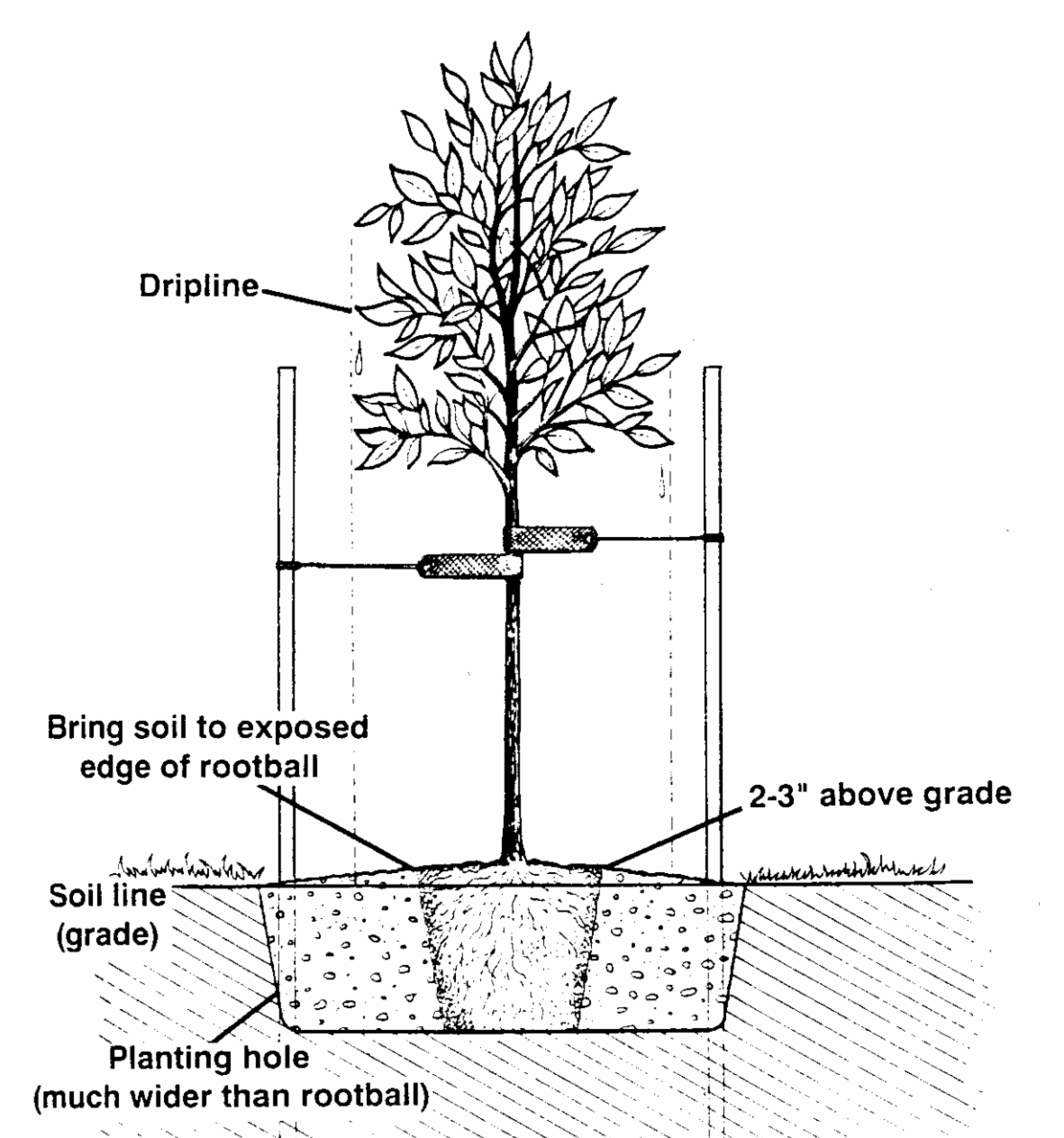
- Dig the planting hole two to three times the diameter of the tree’s rootball and no deeper than the rootball itself.
- For clay soil, plant trees one to three inches above grade. Plant trees at their original grade in sandy soil.
- Do not put crushed stone or gravel in the bottom of the hole!
- Carefully remove the container.
- If roots are excessive and circling the inner walls of the pot, score the outer edge of the rootball by slightly severing or scratching to loosen the root system. Do not cut deeply into the rootball.
Backfilling the Planting Hole
Fill in the planting hole (backfill) with native soil and mix in 1/3 compost to the backfill.
Compost mixed in with sandy soil will increase the ability of the soil to retain water and nutrients. In clay soil, organic material helps to add air pockets and gives space for the roots to find oxygen.
Fertilizing
A new tree should not be fertilized for the 1st year to encourage its roots to expand out into the native soil.
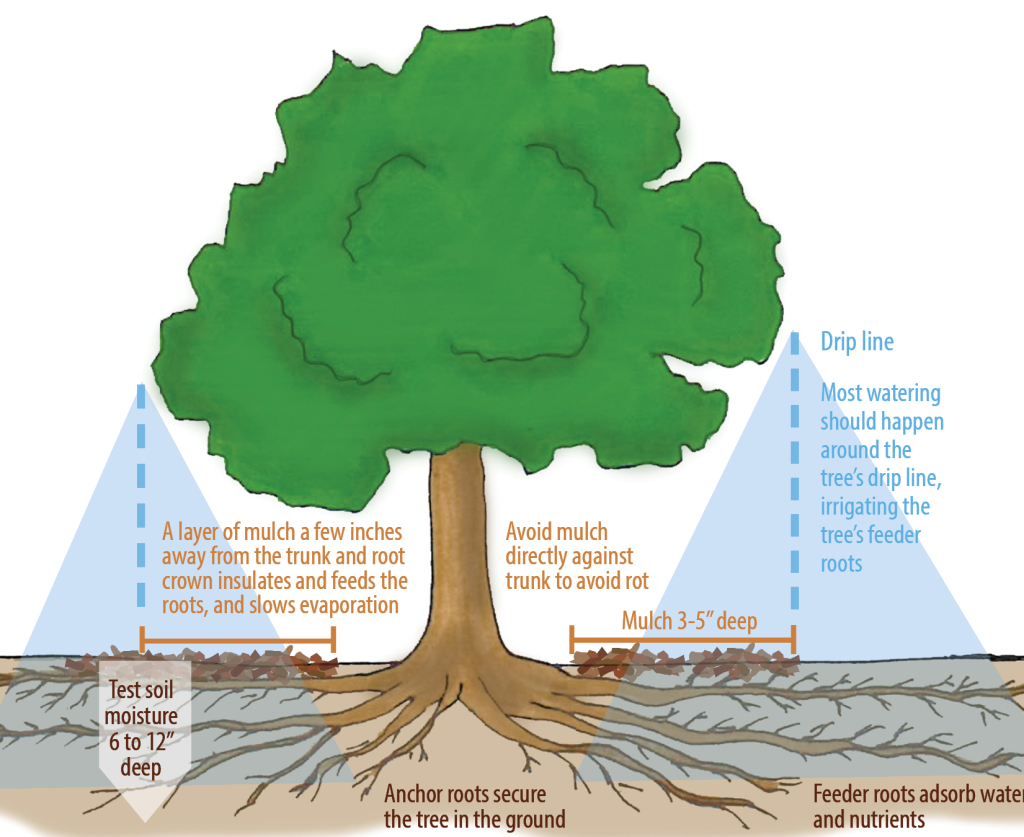
Future seasons it should be fertilized out at the dripline of the tree.
Watering the New Tree
Newly planted trees should be watered in well at the time of planting to ensure air pockets are removed from the backfill material.
Generally, young plantings need an equivalent of one inch of rain per week. Newly planted trees may need to be watered two or three times a week in extremely hot, dry, windy weather because their root systems cannot take up the amount of water needed to replenish the water lost through the leaves. Watch for signs of wilting as an indicator that the tree needs water. (wilting can also be a sign of overwatering especially in clay soil) Be cautious not to overwater or the amount of oxygen in the soil will be lowered to a level that will damage roots, especially in clay soil.
Dig under the mulch a couple of inches to check the soil moisture before watering and only water when it starts to dry out.
If you have several young trees and shrubs, a drip irrigation system would be wise.
Mulching the New Tree
The secret to a thriving orchard is mulch.
New trees should be mulched using organic mulch two to four inches deep and five to six feet in diameter; keep mulch at least two inches away from the trunk of the tree. Do not mound mulch up against the trunk of the tree. You can also put cardboard underneath the mulch to discourage weeds.
The benefits of mulching are:
- Create a weed and turf-free area.
- Reduced plant competition for water and nutrients.
- Regulate soil temperature and moisture.
- Add organic matter to the soil as the mulch decomposes.
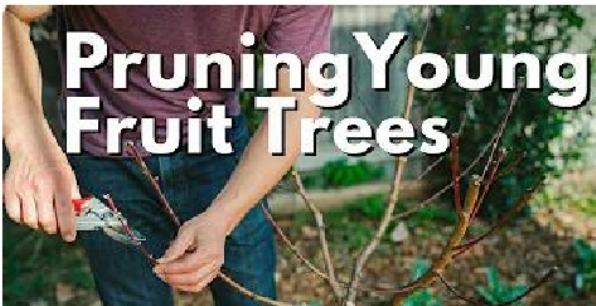
Pruning a New Fruit Tree
To produce quality fruit, fruit trees need regular pruning in their first few years to develop healthy growth and well-spaced branches, and continuous minor pruning thereafter. There are many different ways to prune fruit trees that result in good-quality trees.
When you pick up your trees at the nursery I can help you prune your tree to get it to a good start.
Staking Trees
Stake young trees sparingly and briefly when possible.
Stake trees when top-heavy or planted in windswept areas. The material used to attach the tree to the stake should be broad, smooth and somewhat elastic. Do not stake the tree too rigidly. Always allow for sway.
Have your soil & water tested
Texas A & M Soil & Water Testing Lab
|  | |
20% Off Sale
At Subtropical Nursery
161 N Rife Street Aransas Pass
Call Tom for appointment 308-660-0410
Meyer Lemon Trees, Peach trees, Banana Trees,
Fig Trees, Plum Trees, Pomegrantate Trees
Clump Bamboo, Ornamental Grasses, Papaya Trees
Hibiscus, Persimmon, Huge Elephant Ears
Perennial Flowers to attract Pollinators
to your fruit trees
Summer Availability List
Bamboo and Rare Plants Order Form
In Stock now
New Plants
Golden Hawaiian Papaya, Purple Fountain Grass
Queen'sTears Billbergia, White Stripe Bamboo Taiwanese Sweet Shoot Clump Bamboo, Tumeric
Tabu-no-ki Tree, Cold Hardy Palm Chamorea radicalis
Avocados, Peaches, Pears, Bananas, Figs, Pecans
Perennial Flowers as Pollinator Plants to attract Hummingbirds, butterflies & bees to your yard
Huge Elephant Ears, Chief Kubo's Prize Edible Hibiscus
Sweet David Papaya, Cuban Oregano
Give me a call and come by for a tour of
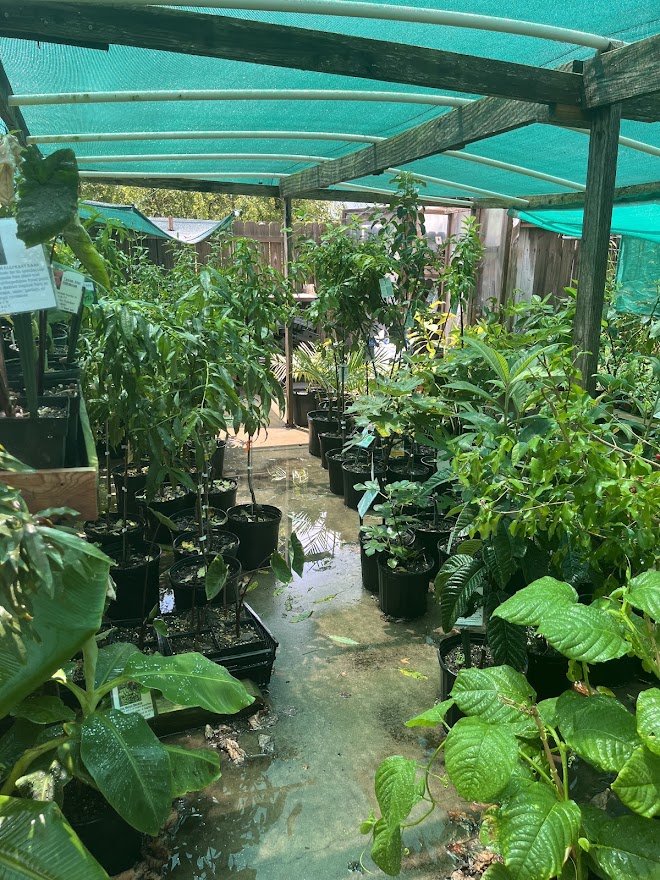
the Texas Subtropical Botanic Garden
Tom 308-660-0410
| |
|
Clump Non-Invasive Bamboo Varieties Taiwanese Sweet Shoot
Edible Clump Bamboo (hardy to 20 - 25 F)
Available as 15 gal plants
Also White Stripe Clump Bamboo (hardy to 15 - 20 F)
Available as 15 gal plants
Chinese Goddess Clump Bamboo (hardy to 15 - 20 F)
Available as 5 gal plants
Running Bamboo Varieties
Great for containers or as groundcovers
Dwarf Green Stripe Running Bamboo (hardy to 0 F)
Available as 2 gal plants
Tsutsamiana - Green Onion Bamboo (hardy to 5 F)
Available as 7 gal plants
Ruscus Leaf Bamboo (hardy to 5 F)
Available as 7 gal plants
Bamboo and Rare Plants Order Form
| |
|
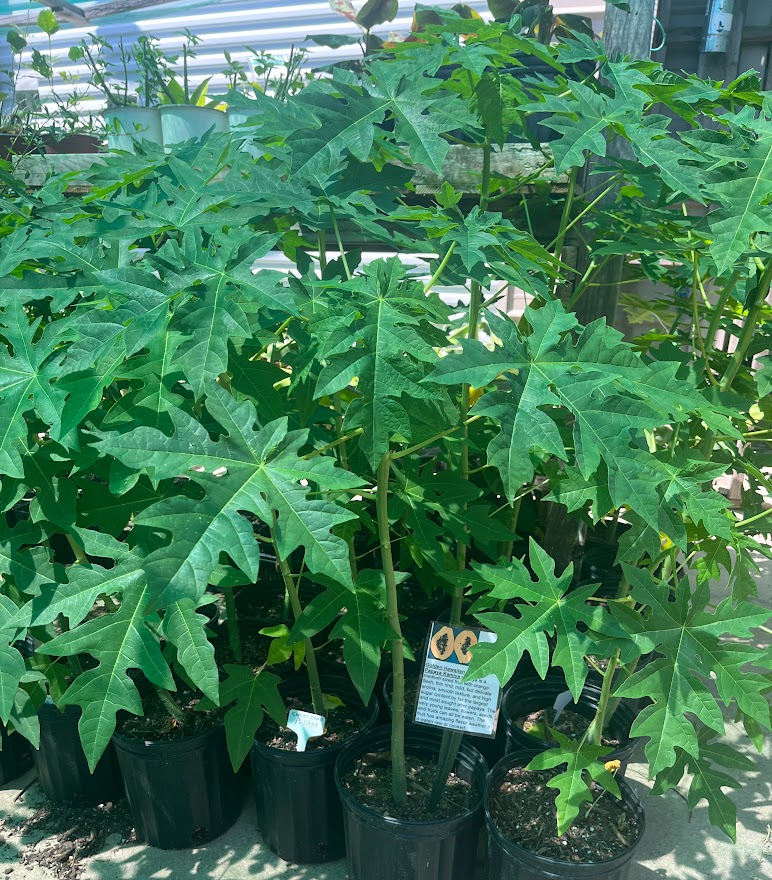
Papaya Plants - 3 Varieties
2 gal - $20 ea 3 for $50
Plants are 2 to 4' tall
Papaya trees are very fast growing and can produce fruit in the first season. For best pollination plant 2 or more trees. Papaya plants occur in one of three sexual forms: male, female, or hermaphrodite.
Papaya fruit is rich in vitamins A, C, and beta-carotene, high in potassium and fiber and it also contains protein-digesting enzymes including papain. The very young leaves, flowers, seeds, and fruits can all be eaten.
Solo Sunrise has juicy, red-orange flesh and is very sweet.
Golden Hawaiian is by far the largest and most sought-after papaya. The fruit has amazing flavor whether it is eaten raw or cooked.
Sweet David red-fleshed papaya is a classic from Hawaii! With flesh that is extra sweet and flavorful,
| |
|
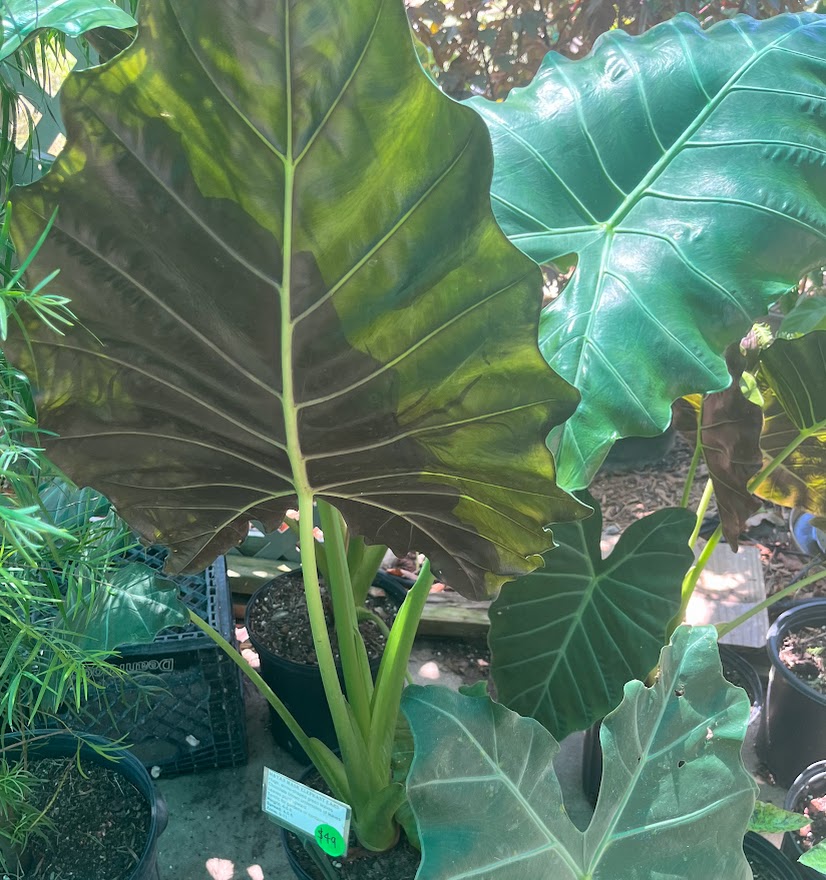
Mayan Mask Elephant Ears
Alocasia 'Mayan Mask' is a striking ornamental plant that combines impressive foliage with robust growth,
• Mature height: 6-8 feet
• Light: Full sun to part shade
• Water: Likes boggy conditions; don't allow the soil to dry out
• Zones: 7b-11
| |
Dragon Fruit $15 ea - 3 for $40 | |
Taiwanese Sweet Shoot
Edible Clump Bamboo
| |
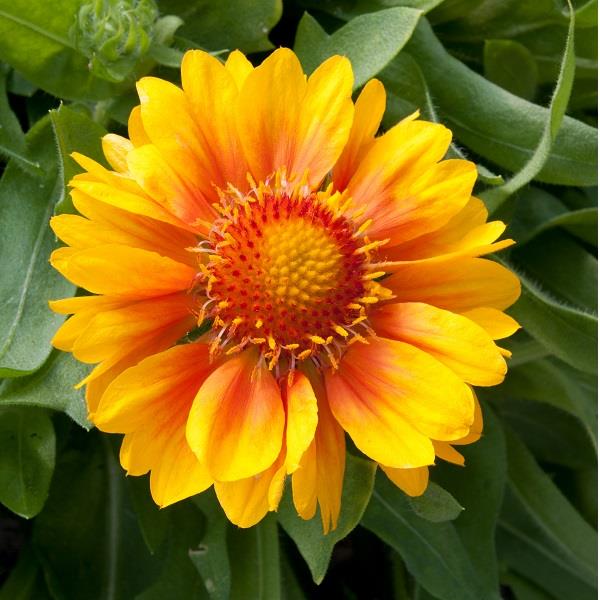
GAILLARDIA 'Mesa Peach' (Blanket Flower) | |
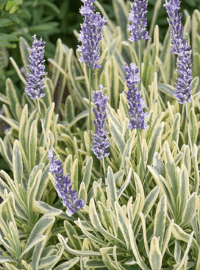
'Platinum Blonde' Lavender | |
|
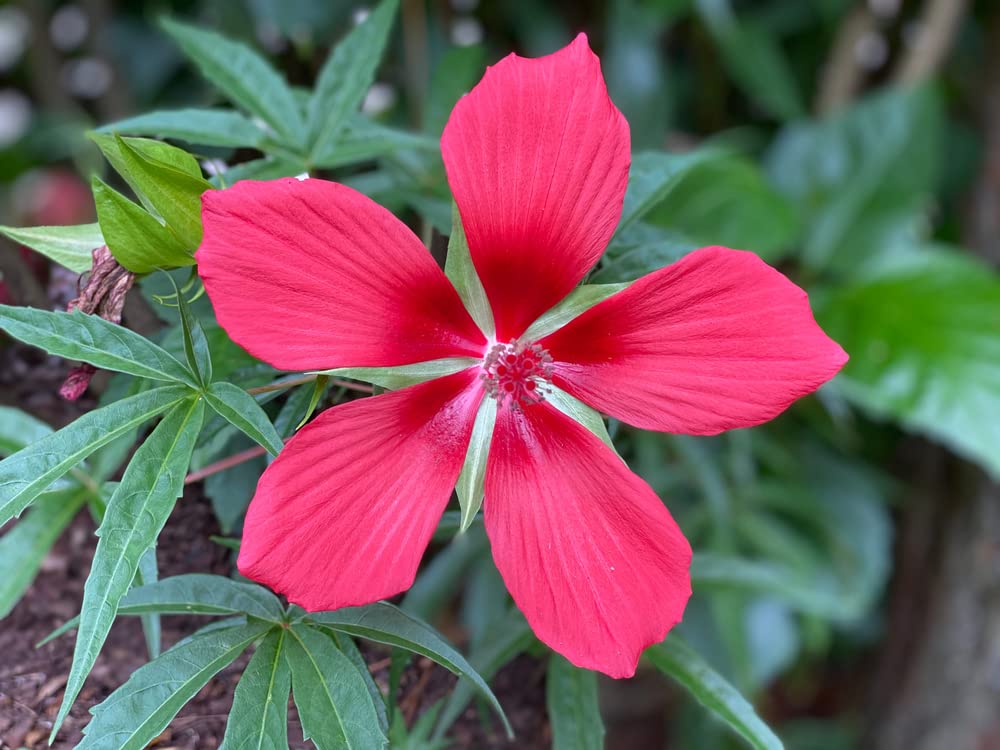
Texas Star Hibiscus
A vigorous perennial hardy in Zones 6 - 11. Produces large, star-shaped bright red flowers that bloom from late spring till fall. Grows 4 - 6 feet tall and 3 - 4 feet wide.
| |
|
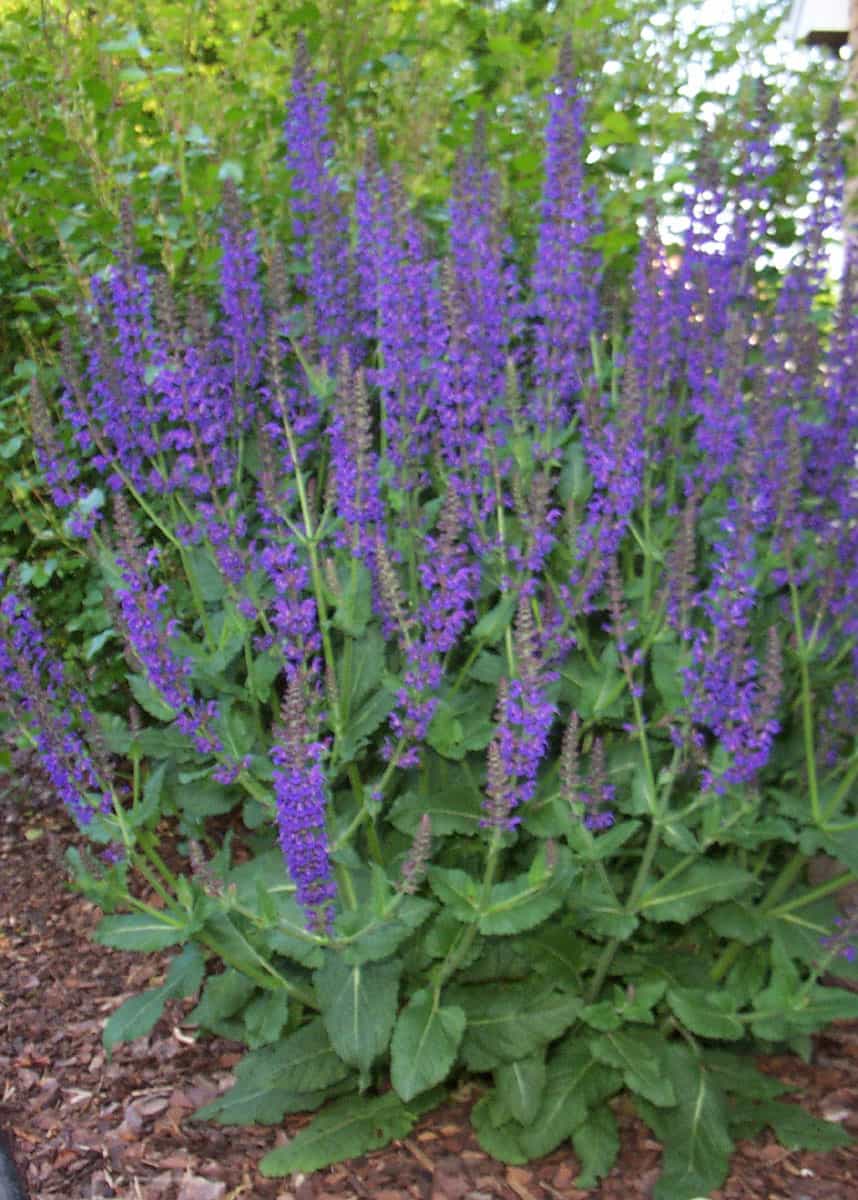
May Night Sage Abundant Nector rich indigo flowering spikes attract pollinators! Blooming all summer long. Deer resistant
Zones 3 to 9
18" tall and wide
Rabbit and deer-resistant
| |
|
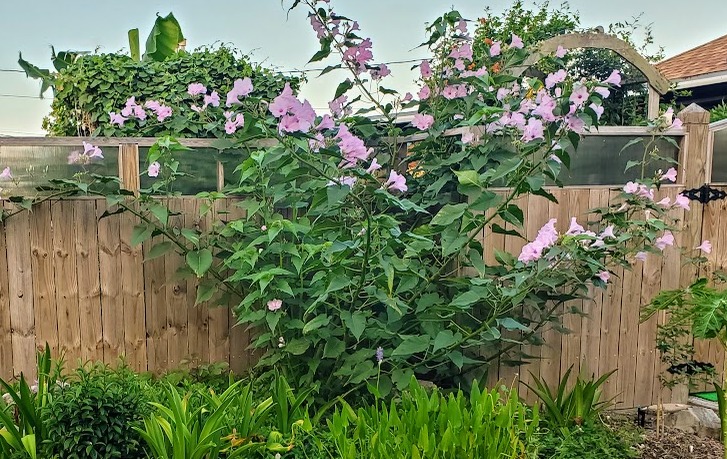
Purple Morning Glory Tree
Grows to 7' tall with a sprawling habit. Starts blooming in spring and continues till frost. Will die back in the fall but quickly grows back in the spring.
| |
|
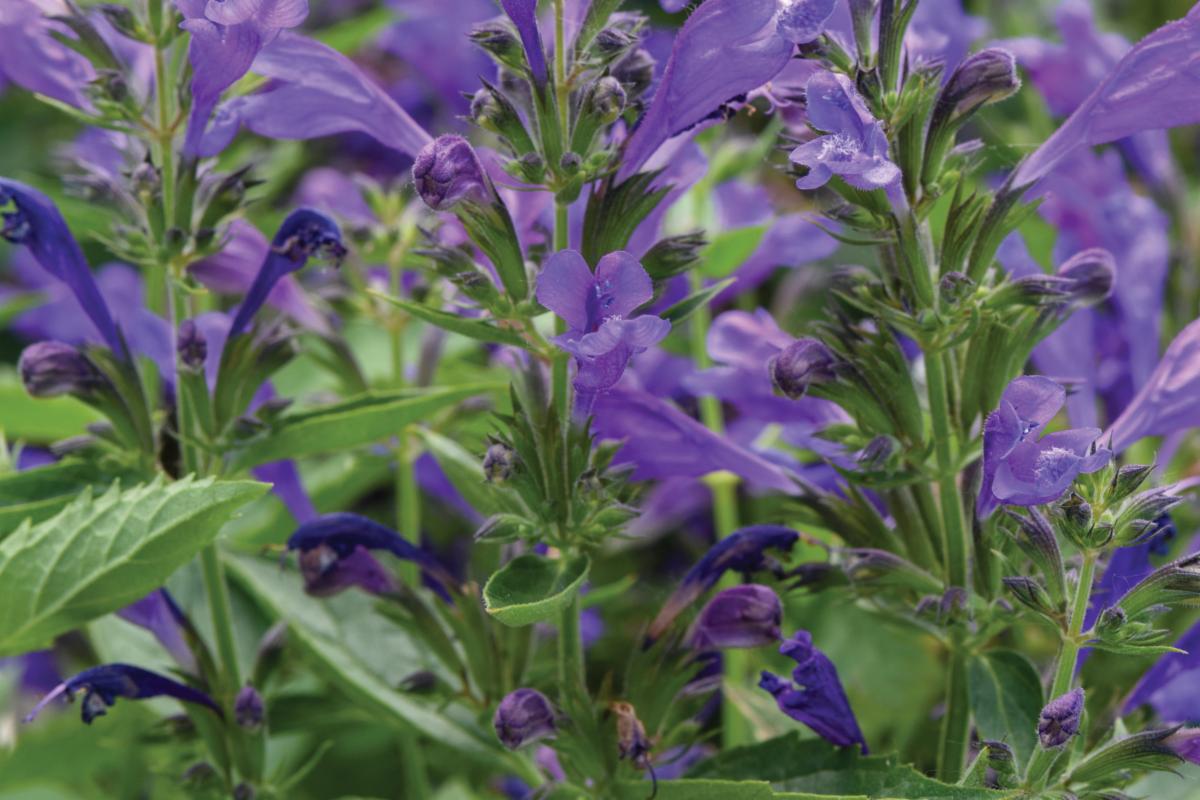
Purple Prelude Catmint
Bright purple large flowers on glossy green foliage, flowers all summer long with an upright growth habit 26 - 34 in.
Zone 4 to 9
Attracts butterflies and hummingbirds.
Rabbit and deer-resistant
| |
|
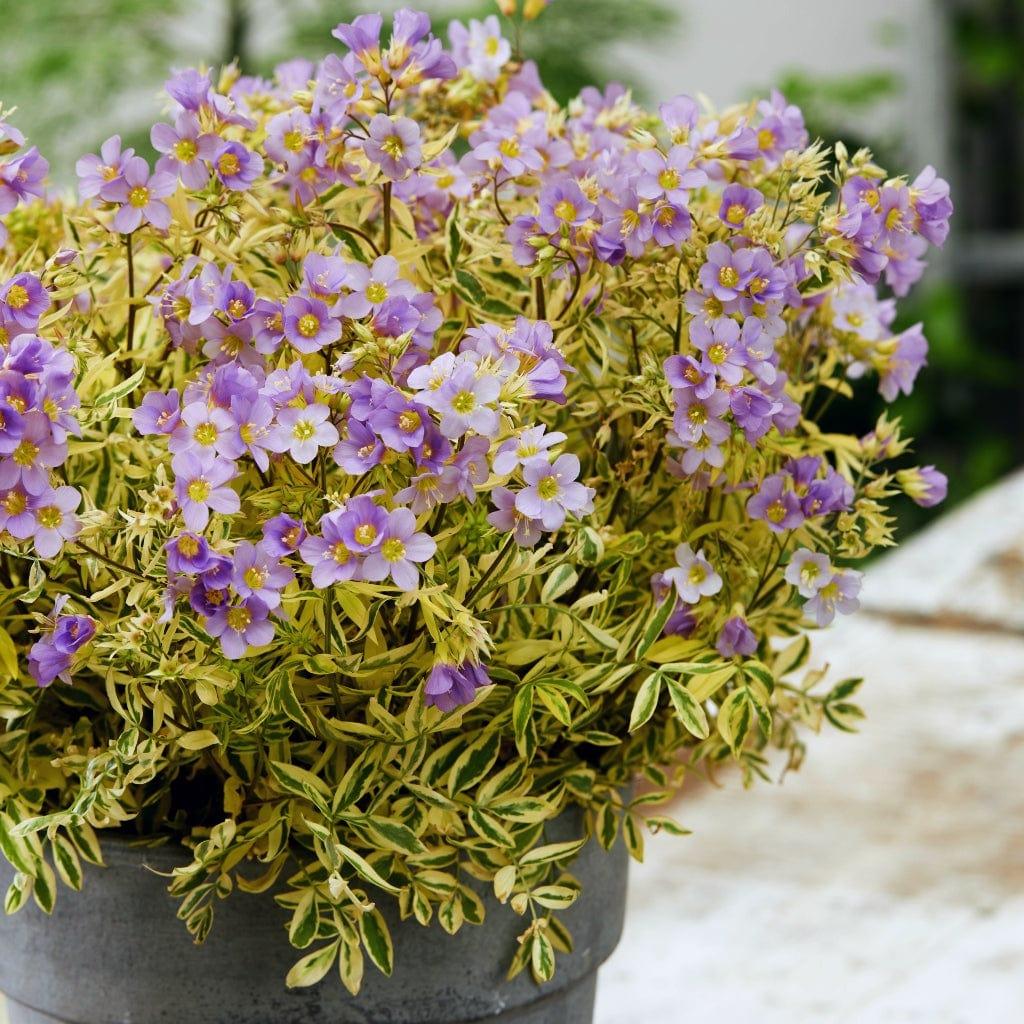
Golden Feathers Variegated Jacob's Ladder
Golden variegated foliage looks appealing from spring to fall.
Blue-purple flowers attract pollinators to the garden.
6 - 8" tall 12 - 14" wide
Zone 5 to 9 Rabbit and deer-resistant
| |
|
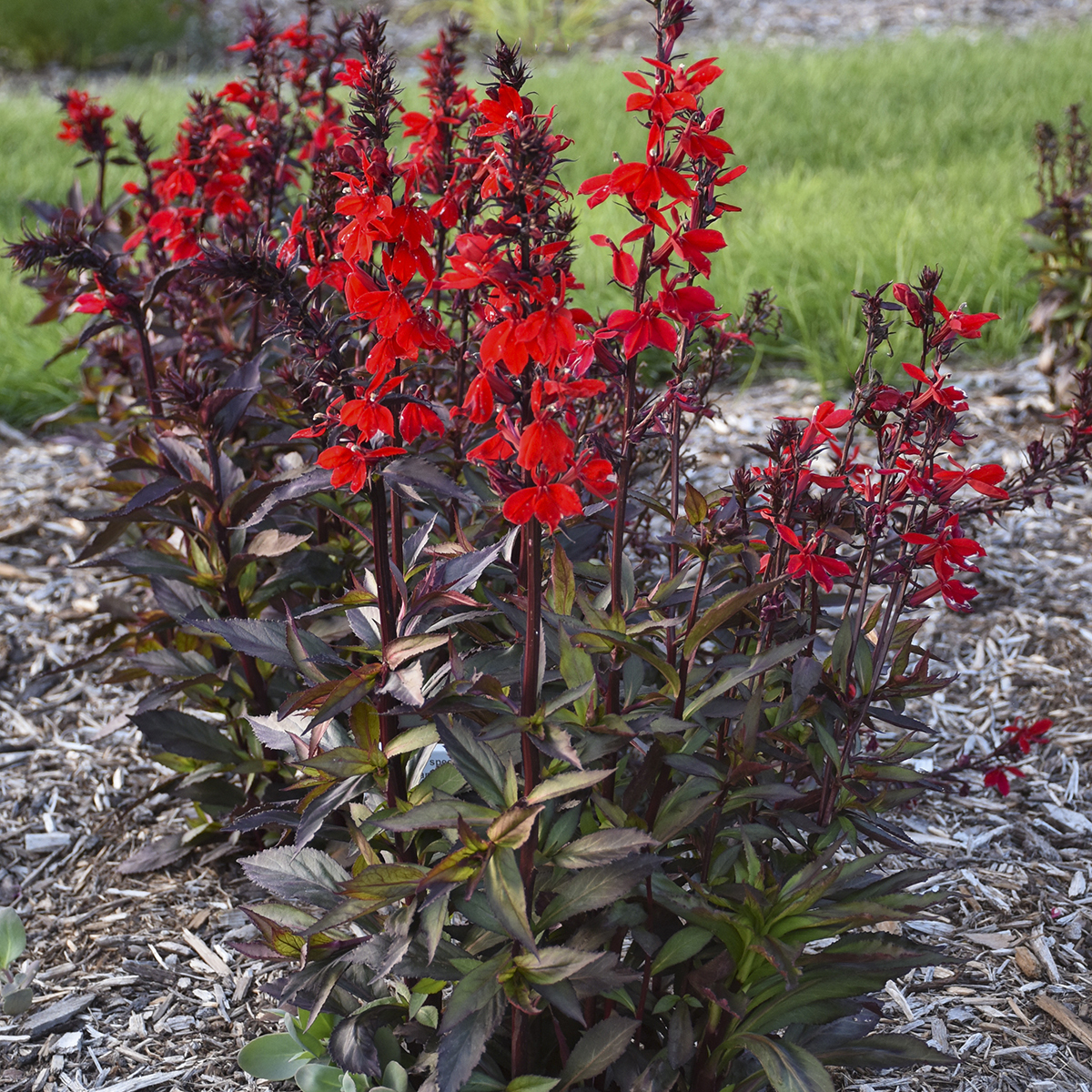
Lobelia Starship Scarlet
The nectar-rich flowers attract primarily hummingbirds, bumblebees, and other long-tongued bees. A bushy plant with bronze-green foliage. Tolerates wet soil, clay soil, and flood tolerant.
20 - 28" tall 16 - 22" wide
Zone 5 to 9 Rabbit and deer-resistant
| |
Growing Avocado Trees in the Coastal Bend | |
|
Avocado trees originated from rainforests where they adapted to grow in fertile black soil loose with deep organic matter and although getting lots of water this free-draining growing medium allows the root system to breathe and expand. The feeder roots are in the top 1 foot or so of soil and the taproot to 2 to 3 feet to anchor the tree. So it is important that the taproot is above the clay layer.
Avocados grow best with a soil pH of 5-7. Here at the nursery in Aransas Pass, I have sandy soil with a PH of 6.9 from the soil test I had done, slightly acid.
The Coastal Bend has both sandy well well-drained soil or heavy clay soil that does not drain well depending on what area you live in.
Heavy clay soil is not ideal for avocados, but there are a couple of options, you can plant your tree in a raised mound, in a raised garden bed, or in a large pot of amended soil to improve drainage. This method keeps the taproot out of danger and allows the feeder roots to still explore the topsoil and get the nourishment it requires without becoming waterlogged
Links to additional information on growing avocados
For the 1st year or 2 it is important to protect the green trunk and foliage from the sun and drying wind.
2 Options for Protecting Your Plants From the Harsh Sun
Make the best avocado and citrus container soil.
| |
|
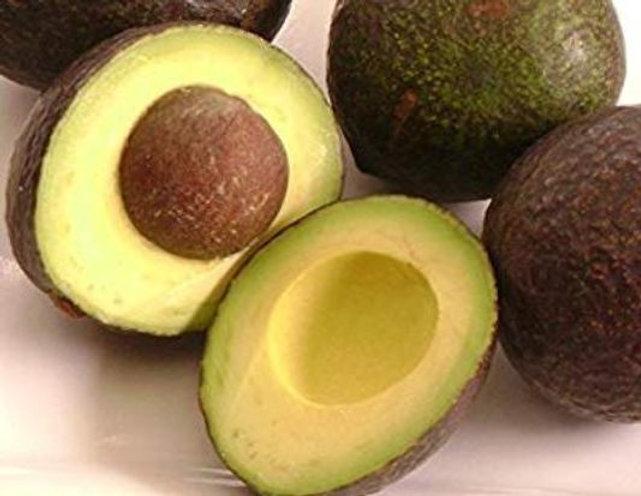
Mexicola Grande Avocado
The Mexicola Grande avocado is the most frost-resistant of all avocado varieties as low as 18 degrees. This high-quality, black-skinned avocado is up to 25% larger than its parent, Mexicola. The trees are fast growing and have a tall, upright spreading habit. Up to 30'
The Mexicola Grande is self-pollinating and is considered a Type “A” pollinator.
| |
| |
|
|
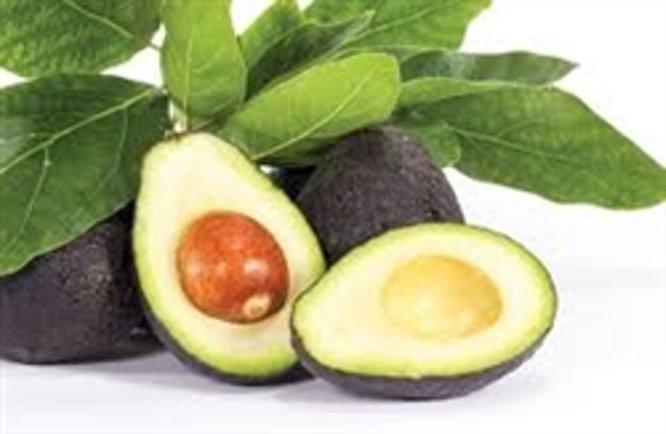
Joey is a medium-sized Mexican avocado weighing approximately 6-10 ounces with a thin purplish-black skin and egg shaped. It is also known to be a heavy bearer. Cold Hardy Avocado mature trees have withstood temperatures as low as 15-18 degrees. The fruit ripens from August to October.
The Joey avocado tree may be erect, usually to 30 ft.
Joey avocado is self-pollinating and is considered a Type “B” pollinator.
| |
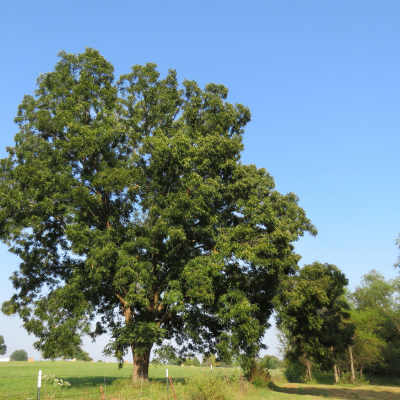
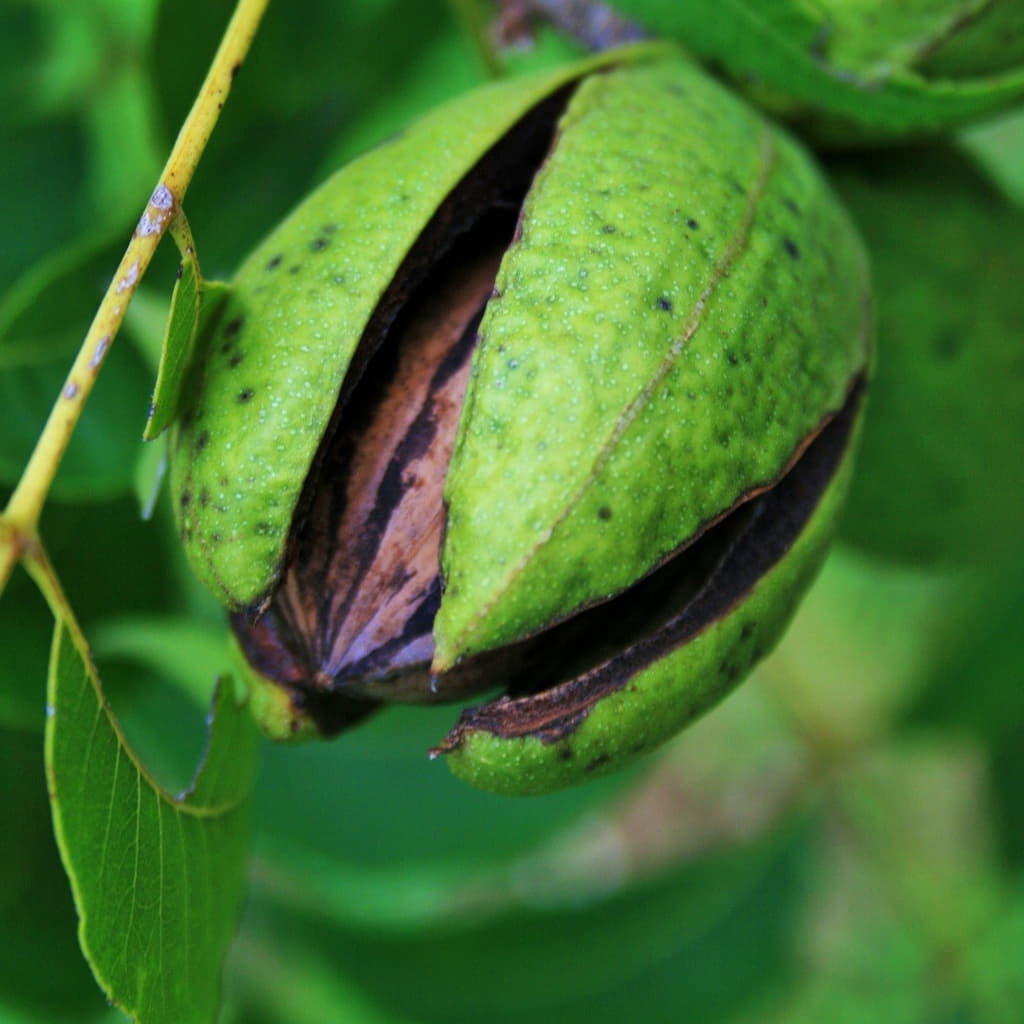
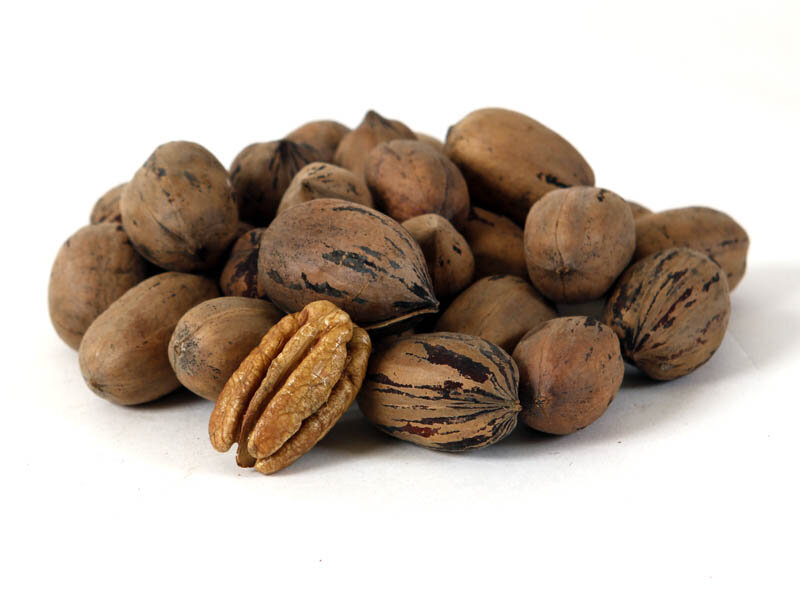
Papershell Pecan Trees
Pecan trees require Type 1 Pecan and Type 2
Pecan trees for pollination
Type 1 Pecan and Type 2 Pecan Special
Pick up at the Nursery
2 - 4 to 5 ft Pecan Trees $149.
| |
|
Plant the Kanza Pecan tree if you want an incredibly disease-resistant, cold-tolerant, pecan cultivar!
The Kanza pecan tree is heat tolerant and does best in full sun with loamy, well-drained soil.
The Kanza Pecan variety is a high-yielding cultivar with golden kernels and delicious nuts.
Kanza ripens in mid to late October, producing a small, round nut similar to Elliot;
Kanza is a Type 2 pollinator.
Excellent compatibility with Cape Fear Type 1
Bare Root 4 -5 ft tree
Chill Hours 300 - 500
Growing zones 6 - 9
Mature Height 75 -100' Mature Width 40-70'
Growth Rate Moderate
| |
|
Cape Fear Type 1
If you want a lot of nuts fast—Cape Fear Pecan Tree is your tree!
It will begin producing excellent tasting nuts in a few years as a young tree.
The Cape Fear Pecan is a strong cultivar, featuring rigorous and upright growth with an open habitat. It will produce well-filled nutsl. The nuts are flavorful and resemble Stuart nuts in size and shape but possess a superior cracking quality. The tree grows to a mature height of 75 to 100 feet.
This cultivar is known for its exceptional quality and excellent pecan disease resistance.
Cape Fears should be pollinated with Type 2 pecan trees.
RIPENING DATE: Late Season
TREE SIZE: A 2-year-old tree that is approximately 4 - 5 feet tall
USDA HARDINESS ZONES: 6-9
| |
|
Selecting Fruit Trees for the Coastal Bend
Things to consider when choosing fruit trees
to fruit successfully in our climate.
Many temperate fruit tree varieties such as apples, pears, peaches, plums, etc. don’t do well In South Texas.
Why? We live in a semi-tropical environment with a very mild winter and not a true temperate climate with a consistently cold winter.
Fruit tree's chill hour requirements
Chill Hours - What Are They & Why Do You Need Them?
Fruit trees, such as apples, peaches, pears, plums, require a period of dormancy and the accumulation of chilling to produce flowers and fruit.
If a fruit tree is grown where winter cold is insufficient to satisfy the variety’s chilling requirement, blooming and foliation will be delayed and erratic; fruit set and fruit quality will be poor.
A chill hour is the amount of chilling received by a plant at 32 to 45 degrees F.
The Coastal Bend is in Hardiness Zone 9b
The minimum average temperature range is 25°F to 30°F.
The Coastal Bend on average receives 110-310 Chill hours
For plants to thrive in your geographical area, it requires matching ideal USDA Plant Hardiness Zone compatibility with the optimum amount of chill hours.
Pollination of Fruit Trees
Some types of fruit trees may be pollinated with their own pollen and are considered self-fruitful or self-pollinating. Other types of fruit trees require pollen from a different variety of the same type of fruit trees. The transfer of pollen from one variety to a different variety of the same type of tree is called cross-pollination. Cross-pollination is essential for apples, pears & most sweet cherries. Cross-pollination is not essential but does improve the number of fruit that form on other fruit trees.
Pollen is primarily transferred by honeybees.
Fruit Tree Chill Hour, Hardiness Zones & Pollination Requirements
-
Almond – 200 to 700 chill hours – Zones 5 – 9 - most require cross-pollination
-
Apple – 200 to 1200 chill hours – Zones 5 – 9 – most require cross-pollination
- Avocado – Zones 5 – 9 – A & B types help with increased pollination, but is not required
- Banana – Zones 4 – 11 – self-pollinating
-
Cherry – 600 to 1200 chill hours – Zones 5 – 7 – most require cross-pollination
· Cherry, Barbados & Surinam – Zones 9b – 11 – self-pollinating
- Citrus Trees – Zones 9 – 11 – self-pollinating
- Figs – 100 to 500 low number of chill hours – Zones 5 – 9 – self-pollinating
- Grapes – 100 to 500 chill hours – Zones 5 – 9 – most are self-pollinating
- Loquat – Zones 8b – 11 – self-pollinating
- Olives – Zones 9 – 11 – most are self-pollinating
- Peaches – 150 to 1200 chill hours – some are self-pollinating
- Pears – 400 to 1500 chill hours – Zones 5 – 9 – some are self-pollinating
-
Pecan – 200 to 1600 chill hours – Zones 5 – 9 – most require cross-pollination
- Persimmon – 100 to 500 chill hours – Zones 5 – 9 – some are self-pollinating
- Pomegranate – 100 to 200 chill hours – Zones 7 – 10 – self-pollinating
| |
Low Chill Peach Varieties | | |
|
|
Eva's Pride Peach
One of the finest low chill early season peach varieties. From the renowned fruit hybridist Floyd Zaiger, the Eva's Pride peach has become a must have for all backyard grower in both climates well suited to peaches and areas that receive less than 200 hours of chill. Self fertile
| |
|
This Week's Sales
Dragon Fruit $15 ea - 3 for $40
| |
|
Edgar's Baby Red Dragon Fruit
This dragon fruit hybrid called “Edgars Baby” is the result of years of research, crossing, and selection by Edgar Valdivia.
‘Edgar’s Baby’ has a sweet and tangy, reddish inner flesh with tiny, edible, black seeds. With several fruits over a pound
White, fragrant flowers adorn the plant in late spring to early fall.
Edgar’s Baby may have up to 4 fruiting cycles per year.
We recommend 2-3 different varieties for proper cross-pollination.
Fast grower. Easy-to-grow. Easy to containerize.
- Balanced flavor
- Very sweet and tangy
- Zone 10-11
| |
|
HALLEY'S COMET Dragon Fruit
Halley’s Comet is a pink skinned, green finned fruit with beautiful purple flesh ranging from 1-2 pounds.
The flesh is sweet with an average brix of 16.
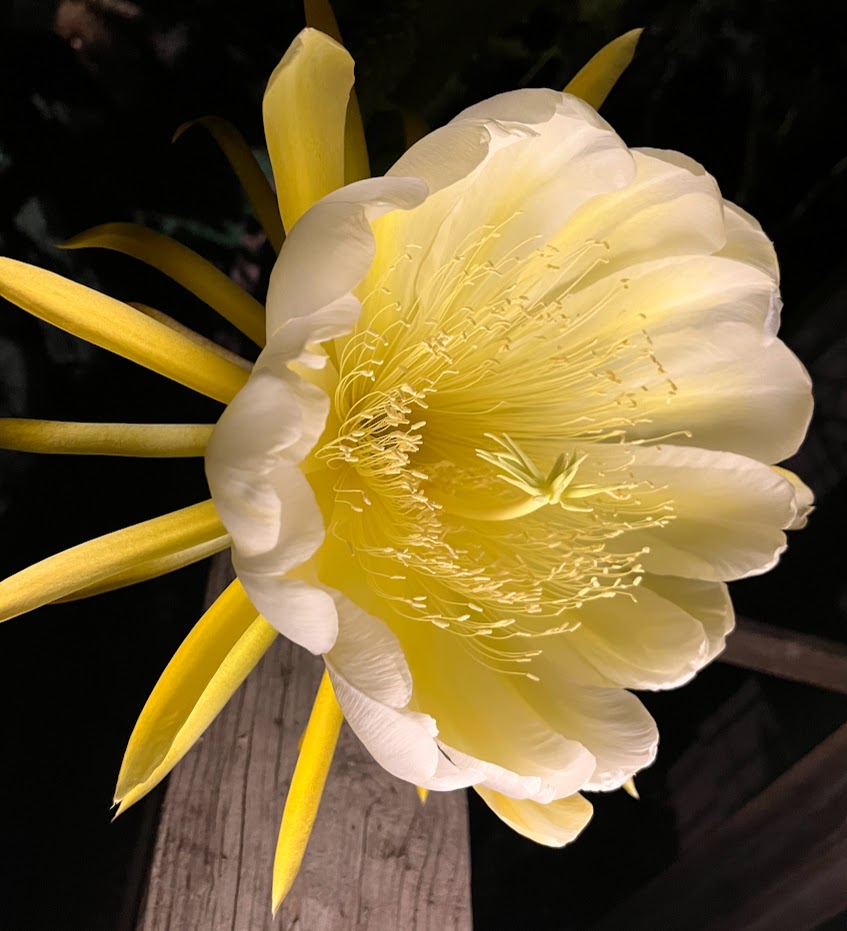
The plant is fast growing, easy to care for, and grows well in containers and can tolerate full sun. White, fragrant flowers adorn the plant in late spring to early fall. The flowers are over 13” across, elaborate and bloom only at night. Blooms all summer
- May have up to 4 fruiting cycles per year. DOES NOT need to be cross-pollinated. Is often considered by many to be the best variety of dragon fruit.
| |
|
KATHIE VAN ARUM Dragon Fruit
Amazing Coconut Sweet Taste
Hylocereus ‘Kathie Van Arum’ E. Meier
Kathie Van Arum Dragon Fruit is a hybrid variety that comes from Hylocereus stenopterus and Hylocereus undatus. It is one of three hybrids created by German hybridizer Eckhard Meier.
This is one of the few red/purple nocturnal flowering cactuses that are highly fragrant. Its bloom has purple with deep pink edges and pink to light pink edges. It starts to open its flowers during the day and will be completely open by dusk.
The bloom is approx 9-12" and extremely stunning.
This is a self-pollinating hardy grower and gets large quickly.
The fruit often weighing .5 – 1 pound. The fruit has an amazing Coconut Sweet Taste with a brix reading of 22.5. The flesh is pink and the skin being almost maroon with green fins.
| |
|
Yellow Dragon Fruit
The sweetest of all dragon fruit varieties has bright yellow skin and translucent white flesh with slightly larger but fewer edible seeds
8 inch flowers and very fragrant!
| |
Share this with your gardening Friends | | | | |