|
The Training Institute on Strangulation Prevention is thrilled to welcome Dr. Amy Bonomi and David Martin J.D., panelists on our webinar, Recantation, Domestic Violence and Strangulation. The overarching goal of this webinar is to empower people and communities to improve their understanding of and skills in domestic violence cases that involve recantation. As recognized by the U.S. Supreme Court, witness tampering is a significant problem in domestic violence cases, with abusers often pressuring their victim to recant to lessen criminal charges (Davis v. Washington, 126 S.Ct. 2266, 165 L.Ed.2d 224, 2006). In 2011, using audio-recorded phone calls made from jail, their research team published a five-stage model describing how abusers awaiting prosecution tamper with their victims to coerce their recantation (Bonomi, Gangamma, Locke, Katafiasz, & Martin, 2011).
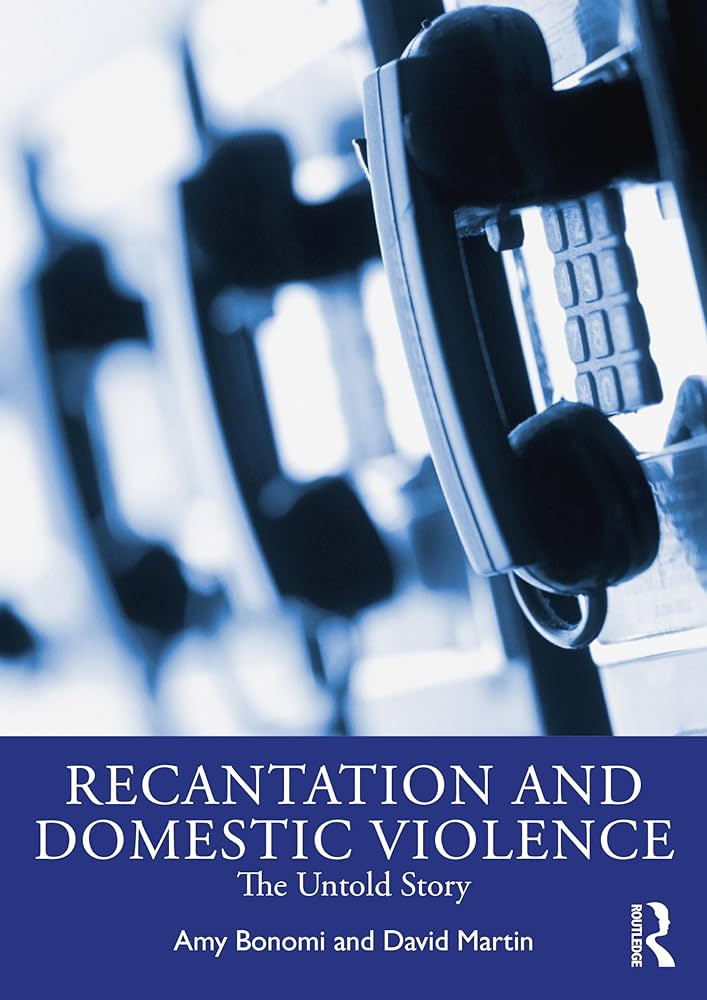
Their five-stage model is used throughout the world in courts, law schools, medical schools, and professional training settings to illustrate how domestic abusers tamper with and coerce victims. Then, they published a book (Bonomi and Martin, 2023) that extends the five-stage model by showing how abusers tamper with third parties to manipulate their primary victim and reviews new professional advocacy models to protect victims (Recantation.org – Recantation and Domestic Violence: The Untold Story).
The overarching goal of this webinar will be to describe their five-stage model outlining how abusers tamper with their victims, including presenting new data from phone calls, text messaging, and social media. They will present new data from their book showing how abusers tamper with third parties and professional advocacy models to protect victims against tampering.
|