|
Welcome to edition 479 of WINC,
IDMA's Weekly Internet News Collection - June 23, 2024
| |
Dear IDMA Members and Industry colleagues,
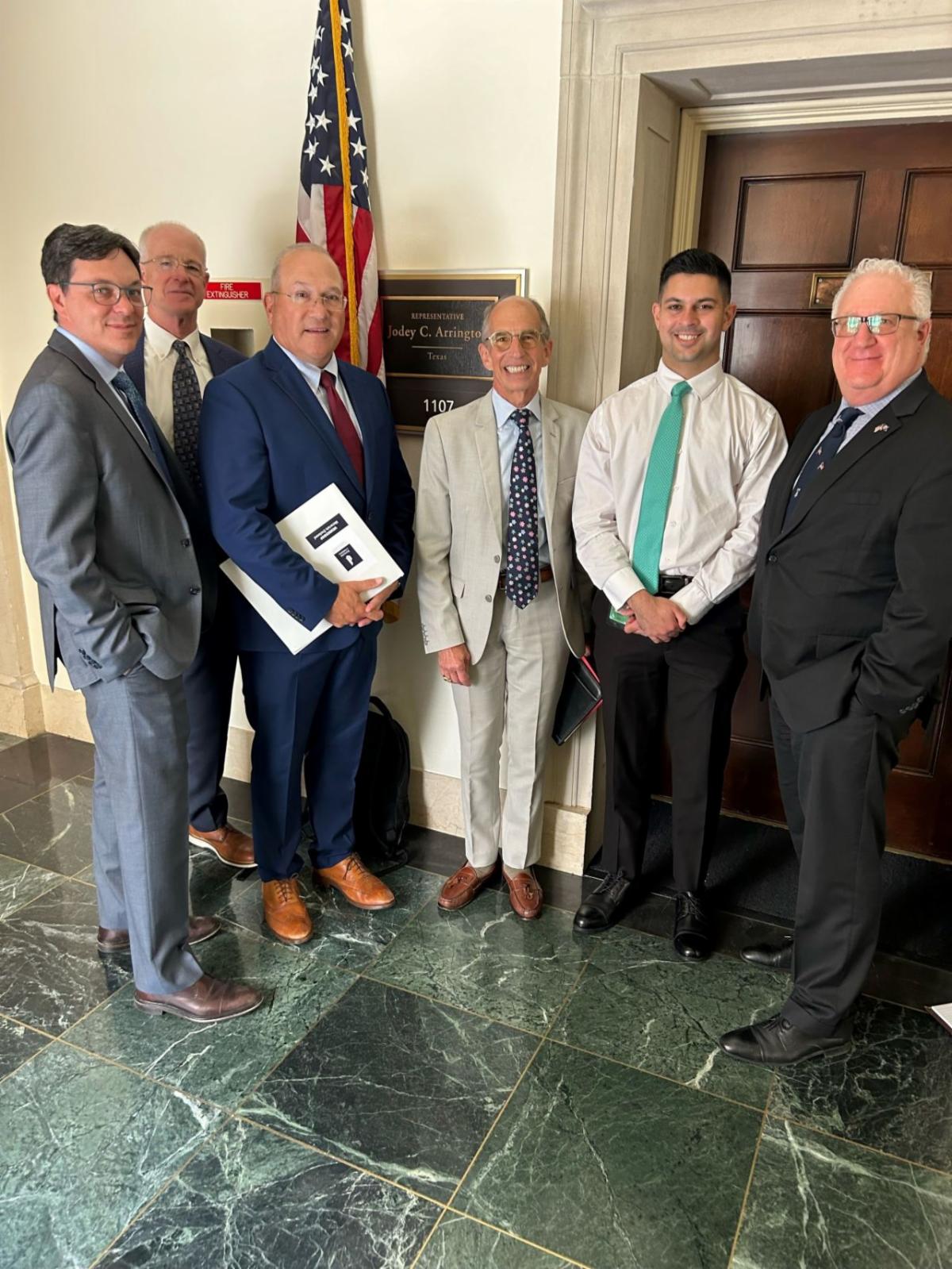
Last week, I was honored to join a delegation of key industry stakeholders to Washington, D.C., to meet with top lawmakers and share concerns about implementation plans for import restrictions of Russian diamonds into the United States. The delegation,headed by Jewelers of America (JA)President & CEO David J. Bonaparte, consistedof Bonaparte; Jon Bridge, Chair/Counsel Emeritus of Ben Bridge Jeweler; Dave Meleski, President & CEO of the Richline Group and Chairman of the Responsible Jewellery Council (RJC); Matthew Swibel, VP, Sustainability and Social Impact of Signet Jewelers; and myself as Immediate Past President of the Diamond Manufacturers Importers Association of America (DMIA) and President of the International Diamond Manufacturers Association (IDMA).
We met with a number of Democratic and Republican lawmakers and their staff, members from both the House and the Senate who serve on committees overseeing trade-related issues. These meetings highlighted the possible various supply chain disruptions stemming from the 2nd round of proposed G7 diamond import restrictions beginning September 1, and the resulting consequences to the diamond and jewelry industry and the consumer. Not limited to, but an example is the increased costs to American jewelry consumers and industry representing more than 50 percent of the global market.
We touched upon the following topics:
- The financial, operational, and supply chain harms posed by the G7/EU proposal for a single node / import channel of rough diamonds through Belgium.
- The urgent need for a “grandfathering” clause that applies to all diamonds and diamond jewelry imported into the U.S. before March 1, 2024, which is necessary to protect the massive value, trillions of dollars of diamonds and diamond jewelry belonging to the U.S. consumers, and of course, the inventories of the U.S. diamond jewelry industry.
- The benefits of maintaining attestation of rough and loose diamonds imported into the U.S. and the current certification systems in place at the producer country level.
- The value of issuing additional guidance to clarify for both the industry and U.S. Customs and Border Protection officials that the current one-carat import restrictions apply only to individual, loose diamonds and not the total weight of all diamonds in finished jewelry.
The delegation’s efforts aimed to ensure that we, the leading organizations in the American diamond, gem, and jewelry industry and trade, inform, guide, and ultimately work alongside the U.S. government to minimize unnecessary disruptions to the U.S. diamond industry.
In a press statement issued by JA, Bonaparte expressed our shared concerns about the additional requirements that could take effect on September 1 – including adopting a European Union proposal that would force all G7/U.S.-bound diamonds of half a carat and above through a single import channel in Belgium.
Stay tuned into WINC. We will keep you posted on all further developments on this matter and as always, any other matters concerning our great industry!
Many of us in the United States will be starting our vacations. Enjoy, and have a Happy Summer!
Meanwhile, stay tuned and stay safe!
Ronnie VanderLinden,
President
| |
Industry leaders take Russian diamond import concerns to D.C.: JA President & CEO David Bonaparte represented the organization and led the group consisting of Jon Bridge, chair/counsel emeritus of Ben Bridge Jeweler; Dave Meleski, president and CEO of Richline Group; Matthew Swibel, vice president of sustainability and social impact at Signet Jewelers; and Ronnie VanderLinden, immediate past president of the Diamond Manufacturers & Importers Association of America and the International Diamond Manufacturers Association. | |
Why lab-grown diamond success could end up helping natural diamonds - Paul Zimnisky : Demographics and growing market share by lab grown diamonds are part of the challenge, said Zimnisky, but exclusivity and rarity of natural diamonds could end up helping. Innovations in production have led jewelers to cut the costs of lab grown diamonds. That may lead jewelers to pivot and prioritize selling natural diamonds over lab grown, said Zimnisky.read much more than a couple of paragraphs. Place article copy here. | |
De Beers plans return to marketing roots as split from Anglo American looms: ts new ‘Origins’ strategy is part of a wider pivot back towards natural diamonds, announced on May 31. The move makes sense because marketing has always set the diamond sector apart from other mineral industries and the industry risks losing its way if it becomes focused only on mining and turns away from the demand creation side. | |
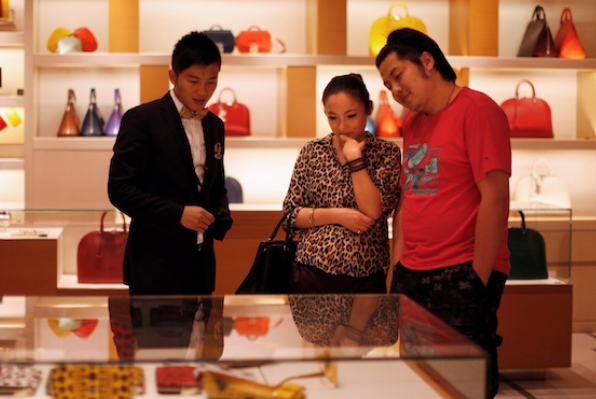
Diamonds reimagined: Luxury jewelry’s resilience and growth in China: This story is part of Jing Daily’s latest report, Diamonds Reimagined: How China’s New Generation Redefines Luxury Through Self-Fulfillment. Download the report to unravel the intricate market trends, consumer behaviors, and economic drivers propelling the natural diamond sector towards sustained growth. | | |
|
Botswana propelled to world’s top diamonds producer | Botswana has ascended to the rank of the top diamond producer globally, unseating sanctions-hit Russia. Most of Botswana’s diamond found in the Orapa diamond deposit is operated by De Beers, a leading diamond company. | |
The view from the diamond-cutting capital of the world | Ankit Shah empties two parcels of natural rough diamonds onto a desk as breezily if he were divvying up a bag of candies. At first glance, each pile of transparent pebbles, rounded like river stones, looks identical. But the parcel on the right, Shah says, is slightly more valuable: $1.4 million, compared with $1.3 million for the one on the left. | |
| |
|
How women are breaking into this hyper-male industry | In my opinion, most of the mass produced jewelry women are wearing is designed by old men who have no idea what it feels like to wear one of their pieces every day. | |
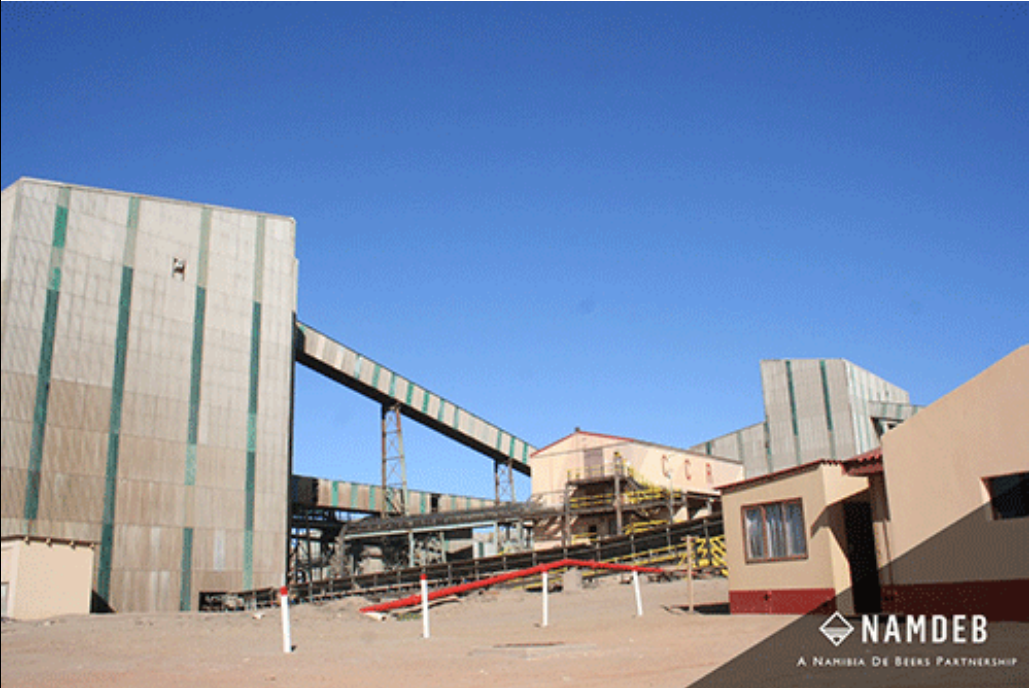
Beers Canada JV partner says diamond miner in no rush to sell | Mountain Province Diamonds and De Beers own the Gahcho Kue diamond mine in Canada's Northwest Territories (NWT). De Beers owns two other diamond mines in Canada. | |
| |
|
Antwerp brings good news for gems industry
| Five out of six members elected as board of directors in Antwerp World Diamond Centre (AWDC) are of Indian origin. The election was held on Monday and Tuesday. | |
Sanctions on Russian diamonds: Good or bad for Africa? | Diamond-rich African nations are ramping up production to fill the gap left by the G7 sanctions on Russian diamonds. But not all countries are happy about the ban. | |
| |
|
Debswana reports fatality at its Jwaneng mine | The incident, which took place on Monday, involved an employee of one of Debswana’s contracting companies, it said in a statement. Investigations into the incident are ongoing, Debswana added. | |
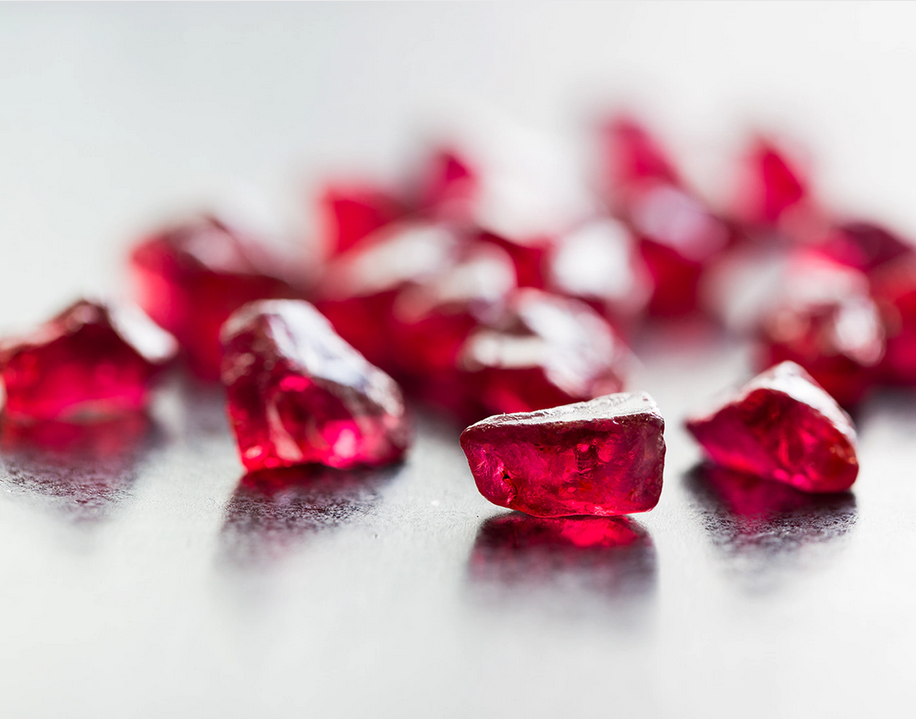
Gemfields fetches almost $69 million at ruby auction | “Our team is proud to have crossed the milestone of an average selling price of $300 per carat at this auction,” Adrian Banks, Gemfields’ MD of product and sales, said in the statement. | |
| |
|
Tiffany Stevens to leave JVC | Stevens tells JCK: “It’s been seven years, but between sanctions, lab-grown diamonds, and the FTC Guides, it feels like several lifetimes. It’s been an honor to serve our members.” | |
Signet views fashion jewelry as focus for synthetics | The company has “largely” managed to maintain its average transaction value (ATV) for synthetics. Natural diamonds have continued to attract consumers seeking long-term value, Drosos said. | |
|
How does Richemont’s outlook in China compare with LVMH, Kering?: Richemont’s directly operated stores in China significantly contributed to 5% growth in retail sales at constant exchange rates, yet these gains are sensitive to socio-economic fluctuations. In contrast, LVMH’s performance in the Asia (excluding Japan) market contracted by 6% due to the offshore retail recovery, highlighting similar regional challenges. | |
Diamond market is projected to reach $155.5 billion by 2032: The diamond market is analyzed on the basis of product type, application, distribution channel, and region. By product type, the market is bifurcated into natural and synthetic. Among these, the natural segment occupied the major share of the market in 2022 and is anticipated to maintain its dominance during the forecast period. | |
Beyond Brilliance: Driving Sustainability and Enhancing Traceability in Diamond Jewelry: This event is designed for professionals in the luxury industry who are passionate about sustainability and keen on implementing robust traceability practices in their operations. | |
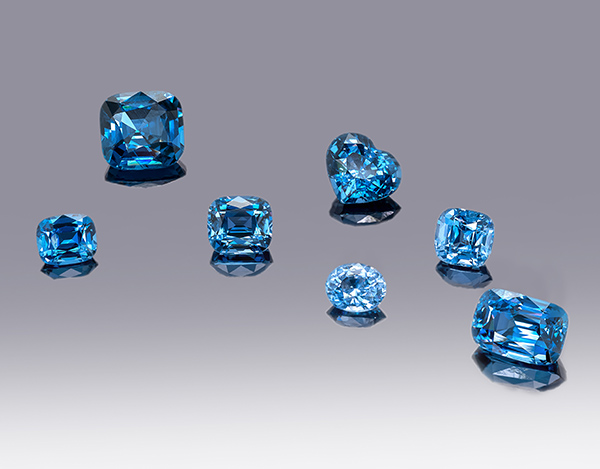
Forget rubies and diamonds! Lesser-known gemstones are on the rise: The value and popularity of previously overlooked gemstones are increasing as collectors and connoisseurs move beyond the traditional "Big Four" - diamonds, emeralds, rubies, and sapphires. A red spinel ring sold by jeweler Olivia Young in 2016 for $7,700 (₹6,39,100) had to be replaced by the client's insurance company at $38,400 (₹31,87,2000) last year. This significant increase indicates a growing desirability for such niche gemstones. | |
DISCLAIMER: IDMA's Weekly Internet/Online News Collection (WINC) features third-party articles and links to these articles. IDMA presents these news items for reference only. The content of these articles neither reflects nor expresses IDMA's position or point of view. | | | | |