Top Stories

Vermont State University announces major expansion to its nursing programs

VBM


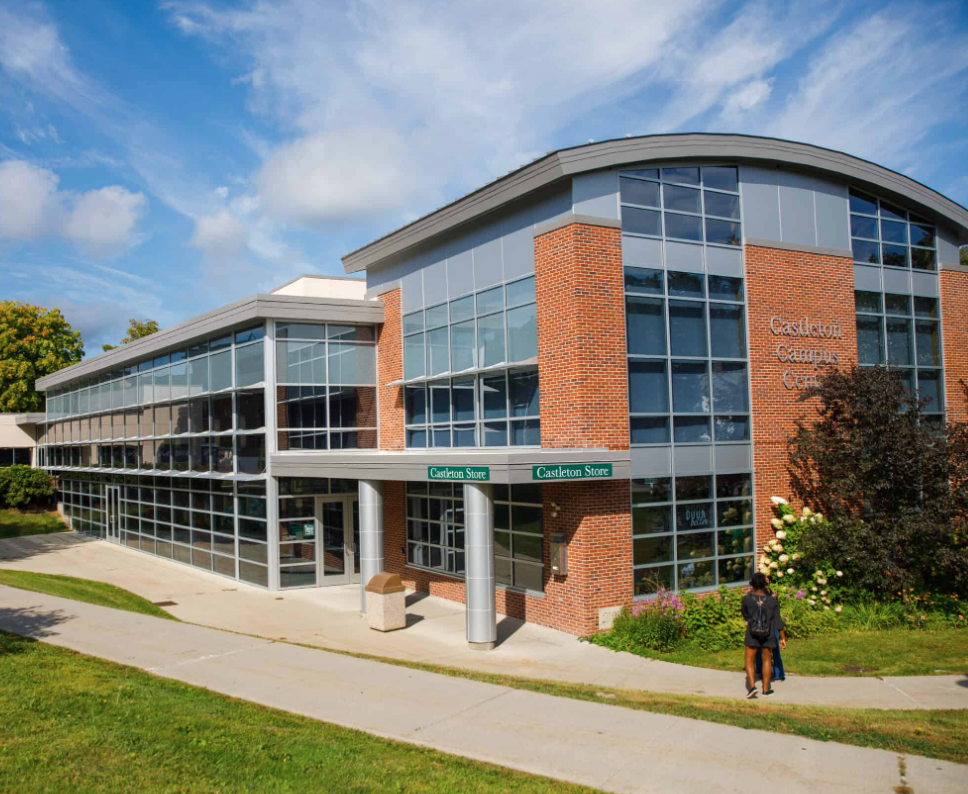
Vermont State University (VTSU) recently announced that it will expand its nursing program and facilities to enroll more students. The Williston and Johnson campuses of VTSU will undergo substantial renovation to expand the nursing education center at Williston and create a new nursing education center at Johnson. The Castleton campus will gain a telepresence classroom; the Lyndon classroom will receive updates to its lab; other nursing education locations will see improvements such as human patient simulators and additional lab equipment.


“We are so excited to be able to make these advancements for our in-demand nursing programs across the university,” said Sarah Billings-Berg, dean of the school of nursing and health sciences at VTSU. “We strive to do everything possible to meet the workforce needs of our state and this expansion is big step forward towards graduating more nurses who are ready for every level practice. We will now be better positioned to increase nursing student enrollment here in Vermont—up from 676 last year to nearly 1000 once we’ve finished these changes.”

Read more

Mental health urgent care takes root in Vermont

VTDigger


The Access Hub, newly opened in downtown Montpelier, is nothing like the emergency department at Central Vermont Medical Center, about 4 miles away. 


That, in fact, is the point. 


Open since early October just a few blocks from Main Street, the place is small, just a few connected rooms in a squat brick building on Barre Street owned by Washington County Mental Health Services. But the concept —- providing a quiet place outside the hospital for people seeking care during a mental health or substance use crisis — is big, and is taking root across Vermont, seeded by federal funding. 


The Access Hub, which is for adults age 18 and older, had several people visit within its first few days, said Karen Kurrle, director of intensive care services at Washington County Mental Health Services. Staff members are trying to spread the word about it.


Read more

What the deal between Blue Cross of Vermont and Michigan means for local policy holders

Vermont Public


Vermont’s largest private health insurer, Blue Cross Blue Shield of Vermont, is now a subsidiary of a much larger counterpart in Michigan. State regulators approved the new relationship last week. Blue Cross Blue Shield of Michigan insures about 5.2 million people in Michigan and other states, while BCBS Vermont insures around 225,000 people.

What does the news mean for Vermonters?


VTDigger health reporter Kristen Fountain joined Vermont Edition Tuesday to talk through her reporting on the subject. The following transcript has been edited for length and clarity.


Mikaela Lefrak: Blue Cross Blue Shield of Vermont is merging with another Blue Cross Blue Shield. What does that mean? Why does it matter?

Listen

Other News


North Country Hospital ER Expansion Begins


Northwestern Medical Center COO Jonathan Billings receives certification for healthcare executives


NVRH Scores Well In Digital Health Survey


From Our Annual Meeting

At our 2023 Annual Meeting, we hosted a team from Healthworks ACT, a new model for healthcare delivery to people experiencing homelessness or housing instability. Windham County’s Brattleboro Memorial Hospital, the Brattleboro Retreat, Groundworks Collaborative and Health Care & Rehabilitation Services discussed how Healthworks ACT will reduce trauma, restore dignity, and improve quality of life for the community’s most marginalized residents. Learn about this approach to one of the most significant barriers to achieving health care equity in this video of the break-out session.

From Our Hospitals

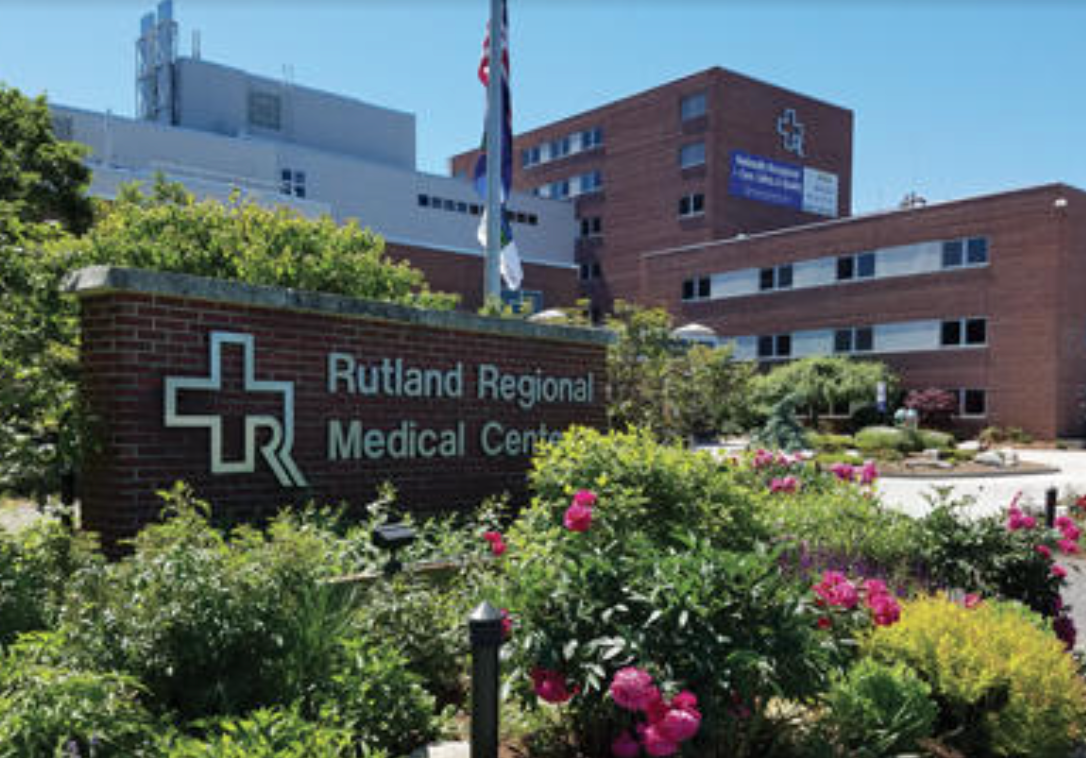
RRMC Health Talk: Case managers essential

Throughout the past 40+ years, the degree of risk and the time involved with discharge planning for hospital patients has risen to a new level of complexity. It used to be patients were able to recover in hospitals and the discharge plan involved giving instructions, prescriptions and scheduling follow-up appointments. Fast forward to 2023, where only the “sickest” are admitted and the length of time to prepare them for discharge has decreased dramatically.


Discharge instructions have become more complicated as well. Today, patients may be discharged home with intravenous antibiotics, intravenous feedings, multiple medications and many pieces of equipment. Our population is aging and with that comes multiple health problems, as well as numerous social factors, such as housing and financial insecurity. All of this can impact an individual’s ability to transition safely from the hospital.


Read more

Mark Your Calendar


Breastfeeding for New Parents