|
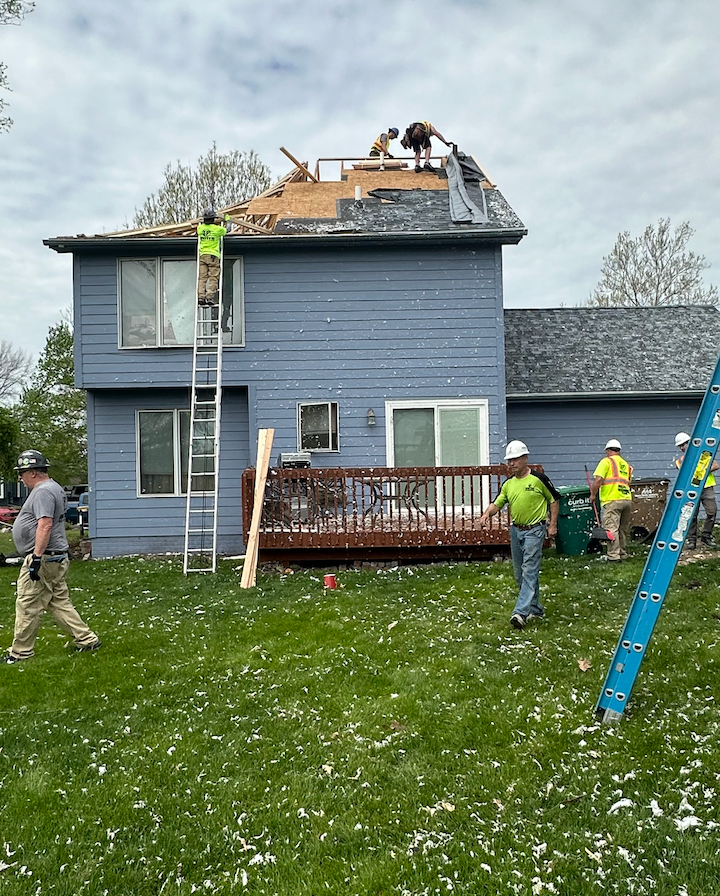
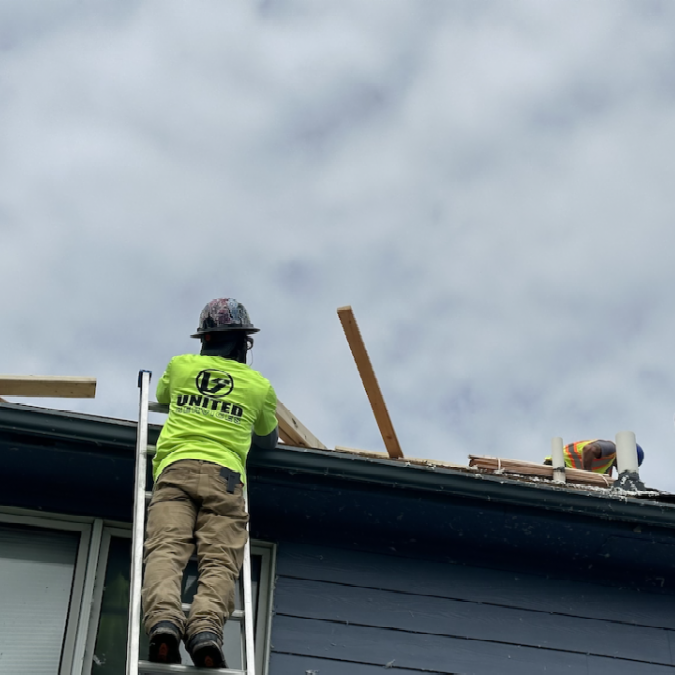
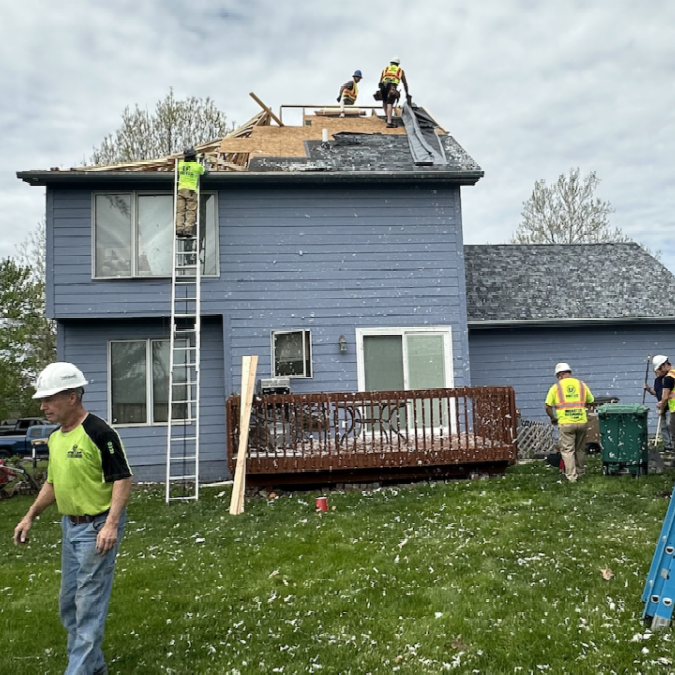
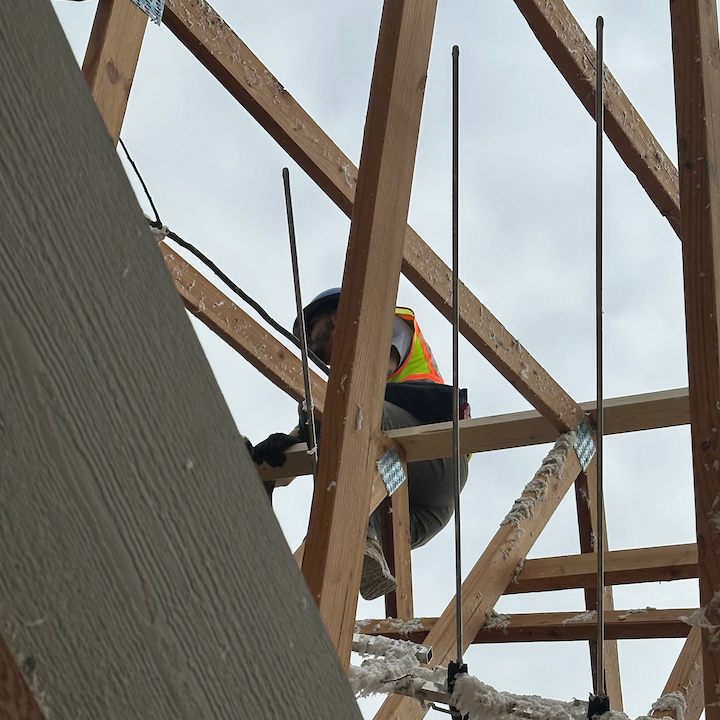
Typical for Iowa, spring weather varies from day-to-day, and that includes the potential for severe weather and property damage. Case in point, last weekend we were called out to help a Pleasant Hill family with board-up services after the storm and tornadoes that swept across Nebraska and Iowa took off a good portion of their roof.
In time for this stormy spring season, we are offering some tips for preparing before the threat of severe storms and what to do immediately after a property is damaged.
Preparing for Storms and Responding to Damage
1) Safety First
First and foremost, the safety of the human lives within a structure are the most important to protect. A preparedness plan, including where to shelter, what to bring with you while you shelter, and where to meet family or others if there is structural damage, is critical. Property managers must ensure anyone within a building is aware of emergency shelter procedures and that signs are posted for visitors. If severe weather is forecasted, plan to keep an eye on TV, smart phone, or radio reports, and listen for tornado sirens. The National Weather Service provides great information on preparing for tornadoes and severe storms.
2) Structural Storm Damage – First Steps
If you’ve been sheltering in a safe area, and the weather is no longer threatening, your first action after emerging is to get out of the building. Often, our first instincts are to walk around inside a structure to assess damage — this is dangerous. For safety reasons, exit the structure first. This is also where preparedness planning (Step 1) will help you and others (family, coworkers, tenants, etc.) know where to meet safely outside of the structure. Immediately following a storm that’s caused damage, there is increased risk of trees, branches, or materials continuing to fall onto or within the structure from overhead, so exit carefully but quickly.
3) Who to Call First for Help
This step is going to take a mix of assessment and good judgement. If on the way out of the structure, or from outside, you observe sparks or fire, smell smoke or gas, or someone is injured, call the Fire Department or ambulance. Otherwise, you have options for who to call first for response to structural damage.
If you have a longstanding relationship built, a call to your agent is a good start. Many carriers also have a 1-800 number for reporting a claim. Some carriers have preferred provider programs with vetted contractors on standby to respond to damages.
If you already know of a restoration contractor you trust, you can also make a direct call to them for help with boarding up and securing damaged areas. At United Services, we have a 24/7/365 answer line for emergencies, as do most other restoration companies. We also work directly with insurance carriers to help with claims and next steps, if needed.
4) Ensure Property is Secure
As a property owner or manager, you have two obligations following major structural storm damage: securing the property from further weather damage and/or vandalism and ensuring the property isn’t a safety threat to the public.
The first action a restoration company can take is boarding up or securing tarps to protect internal materials and other property from further damage or vandalism. Whether damage is from a storm or fire, any side-facing opening will be covered and secured with a board to limit entry by additional weather elements and curious or bad intentioned people. Depending on the damage of a roof, we use tarps or boards to protect from weather. If the under layers of roof materials are damaged, like the trusses in the photos above, a tarp is needed instead.
Boarding up is important for insurance claims on storm or fire damage as proof that a property owner has done their best to protect materials and contents inside of the structure and the curious minds of others outside of it.
5) Remember: Decisions are Yours
Having to make quick decisions about next steps so soon after storm damage can feel overwhelming, but remember that you are still in control of those decisions. When you call for board-up help, you are never obligated to continue working with that company for further clean-up and restoration; in fact, if a company requires that of you in order to start the board up, it should be a red flag. The important first steps are simply to ensure the safety of those within the structure and protecting the structure and people outside of it from further damage — decisions for what comes after can wait.
Whether it’s your insurance agent or a restoration contractor helping you navigate next steps, our jobs are to help you through an emotionally charged situation with logic, kindness, and expertise. While we hope you never have to face this situation, we want you to feel confident you’d know what immediate actions to take.
Visit our website for more about our commercial and residential mitigation and restoration services!
|