In this week’s newsletter, discover the small but mighty mission that will measure the amount of heat the planet emits into space from the Arctic and Antarctic regions, NASA astronauts Butch Wilmore and Suni Williams prepare for the agency’s next launch attempt of the Boeing Crew Flight Test to the International Space Station, and meet the agency’s first chief artificial intelligence officer. Plus, more stories you might have missed.

EARTH & CLIMATE

Understanding Earth’s Energy Balance

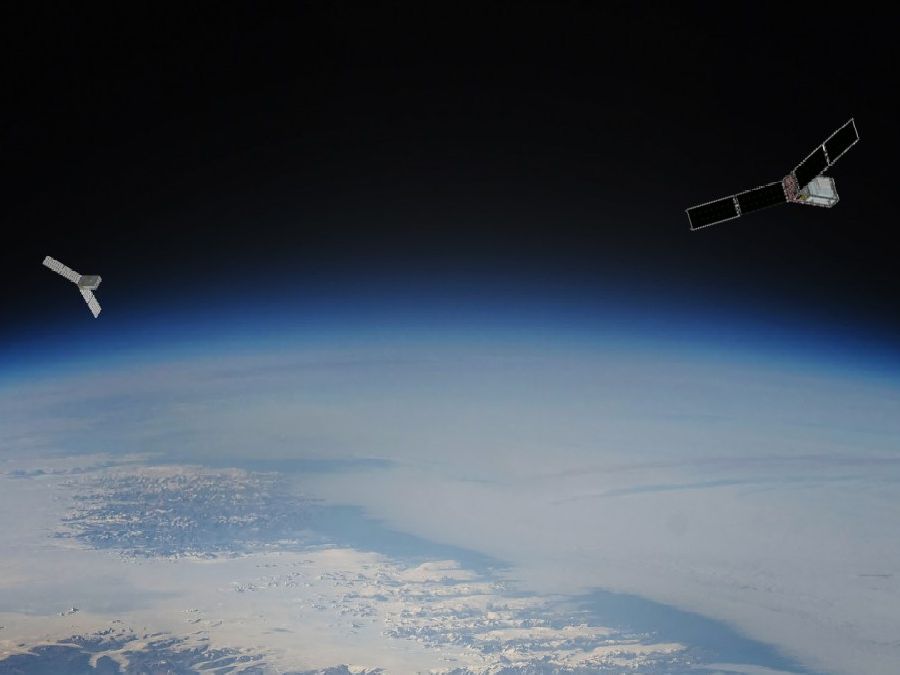
Twin shoebox-size climate satellites will soon be studying two of the most remote regions on Earth: the Arctic and Antarctic. The Polar Radiant Energy in the Far-InfraRed Experiment (PREFIRE) will measure the amount of heat the planet emits into space from these polar regions—information that’s key to understanding the balance of energy coming into and out of Earth and how that affects the planet’s climate.


LEARN MORE

EARTH & CLIMATE

Following the Glow


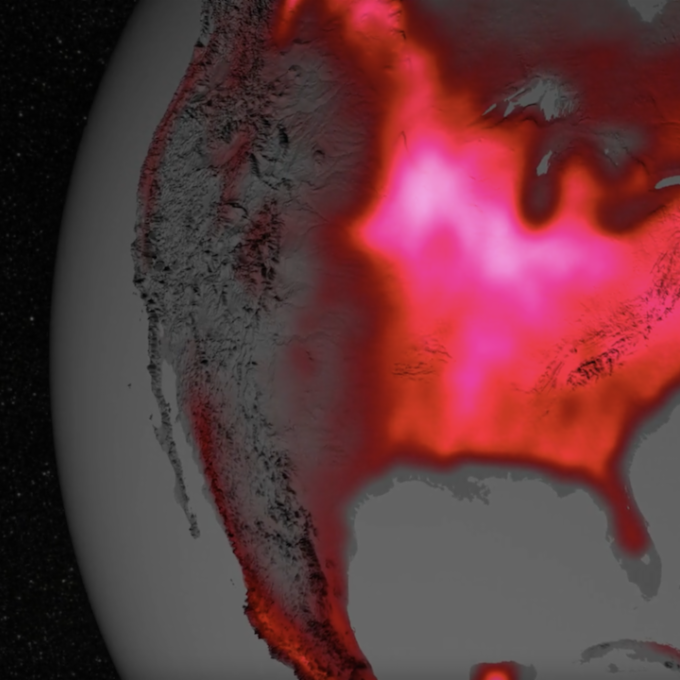
Flash droughts can take hold within weeks and are tough to predict, but a recent study of solar-induced fluorescence at the Jet Propulsion Laboratory was able to detect signs of flash droughts up to three months before onset.


READ MORE

ARTEMIS MISSIONS

Moonwalk Practice


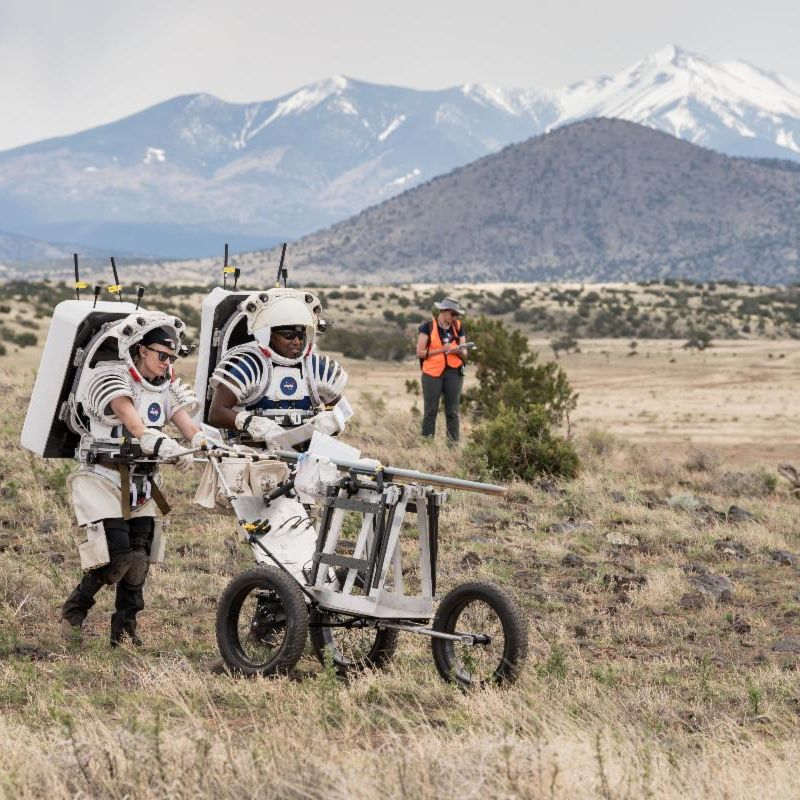
To prepare for lunar exploration during the Artemis campaign, the agency is conducting a week-long field test in the lunar-like landscape of San Francisco Volcanic Field. During the test, teams will work together as they practice end-to-end lunar operations.


READ MORE

OUR SOLAR SYSTEM

True Polar Wander


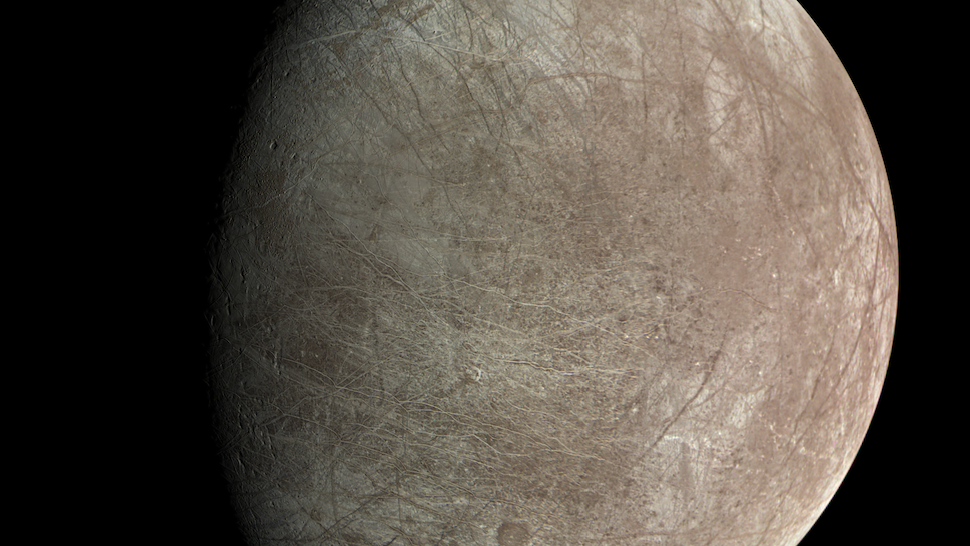
Images from the JunoCam visible-light camera aboard the Juno spacecraft support the theory that the icy crust at the north and south poles of Jupiter’s moon Europa is not where it used to be.


READ MORE

AERONAUTICS

The Path Forward


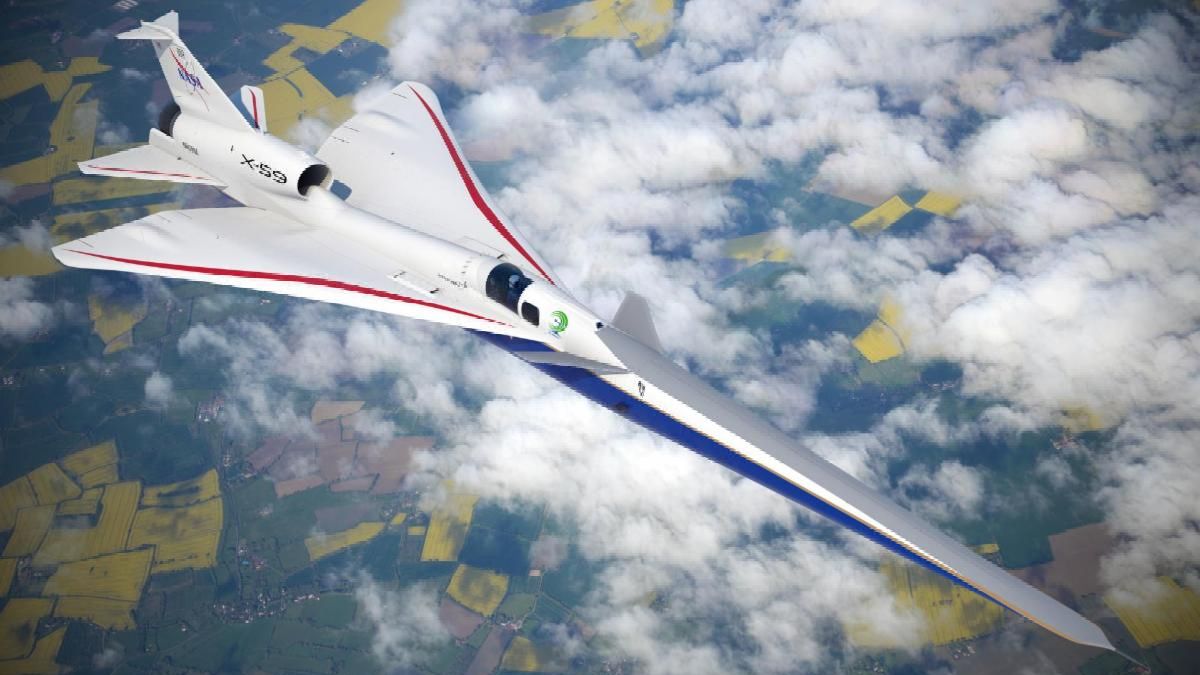
Commercial supersonic flight over land has been banned for more than 50 years because of the noise of sonic booms, but NASA and Lockheed Martin Skunk Works are developing the X-59 to reduce the sound of a sonic boom, potentially paving the way for a new generation of commercial aircraft.


READ MORE

COMMERCIAL CREW PROGRAM

NASA’s Boeing Starliner Crew Flight Test

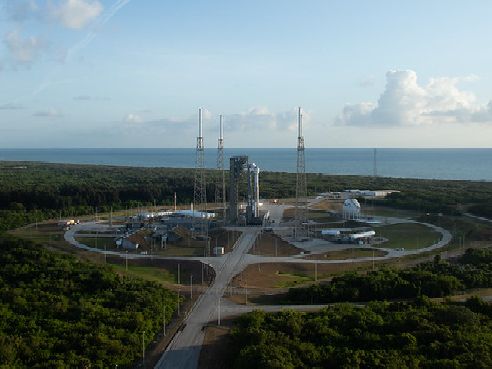
NASA, Boeing, and United Launch Alliance teams continue working on open tasks in preparation for the agency’s Boeing Crew Flight Test to the International Space Station. The teams are now targeting a launch date of no earlier than 3:09 p.m. EDT on Saturday, May 25.


NASA astronauts Butch Wilmore and Suni Williams, still in preflight quarantine, returned to Houston on May 10 to spend extra time with their families as prelaunch operations progressed. The duo will fly back to Kennedy Space Center in the coming days.


MISSION BLOG

More NASA News

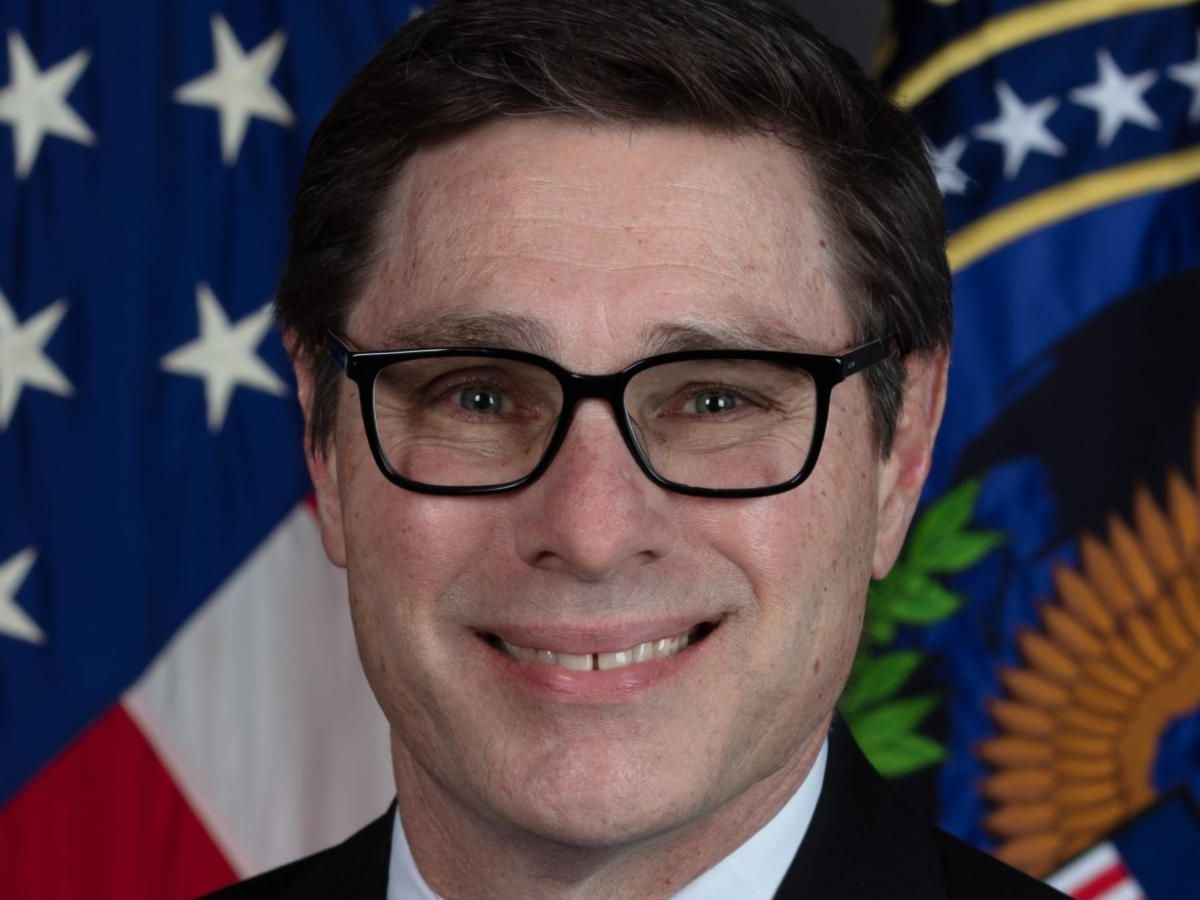
This week, NASA Administrator Bill Nelson named David Salvagnini as the agency’s first chief artificial intelligence officer.

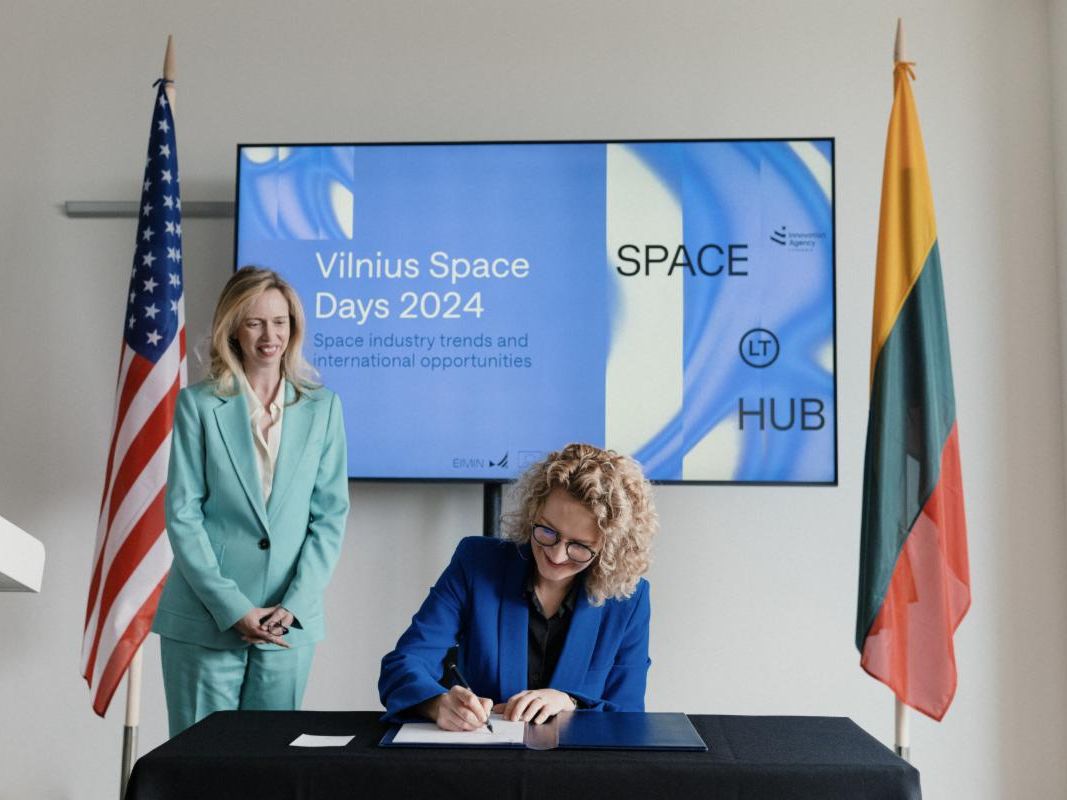
A milestone was reached on Wednesday as Lithuania became the 40th nation to join NASA and the international coalition in pursuit of safer space exploration by signing the Artemis Accords.

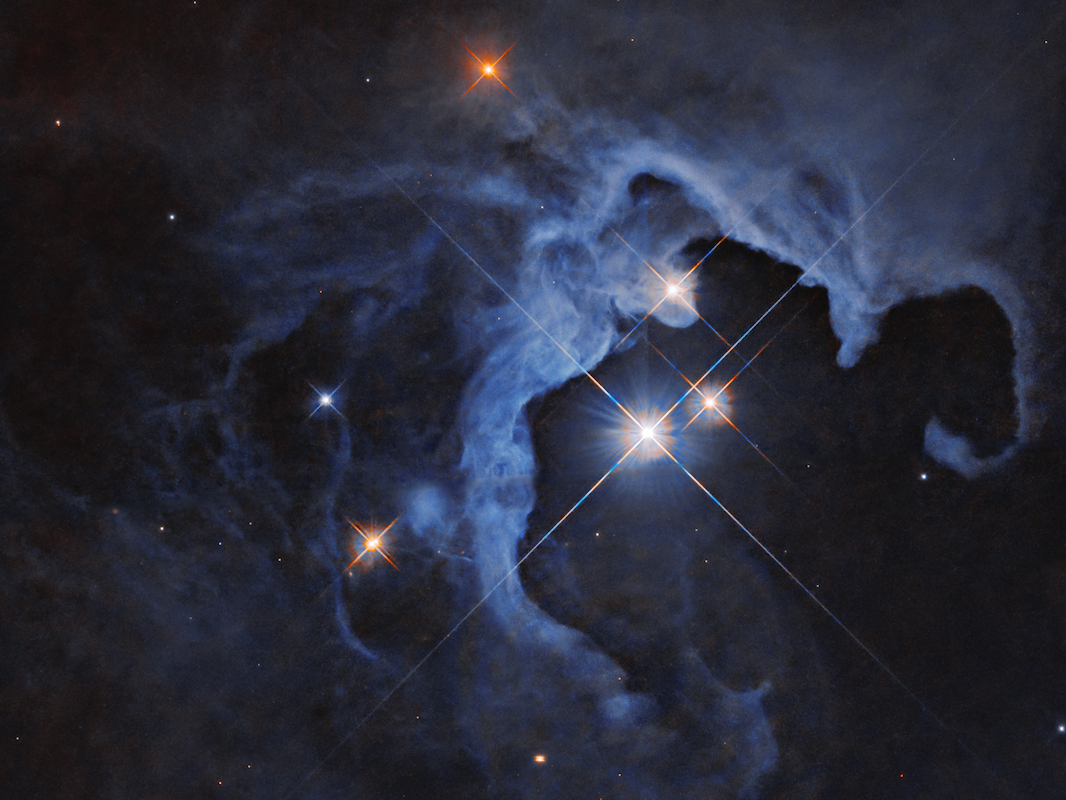
Looking like a glittering cosmic geode, a trio of dazzling stars blaze from the hollowed-out cavity of a reflection nebula in this new image from the Hubble Space Telescope.

ASIAN-AMERICAN AND NATIVE HAWAIIAN PACIFIC ISLANDER HERITAGE MONTH

From the Archives

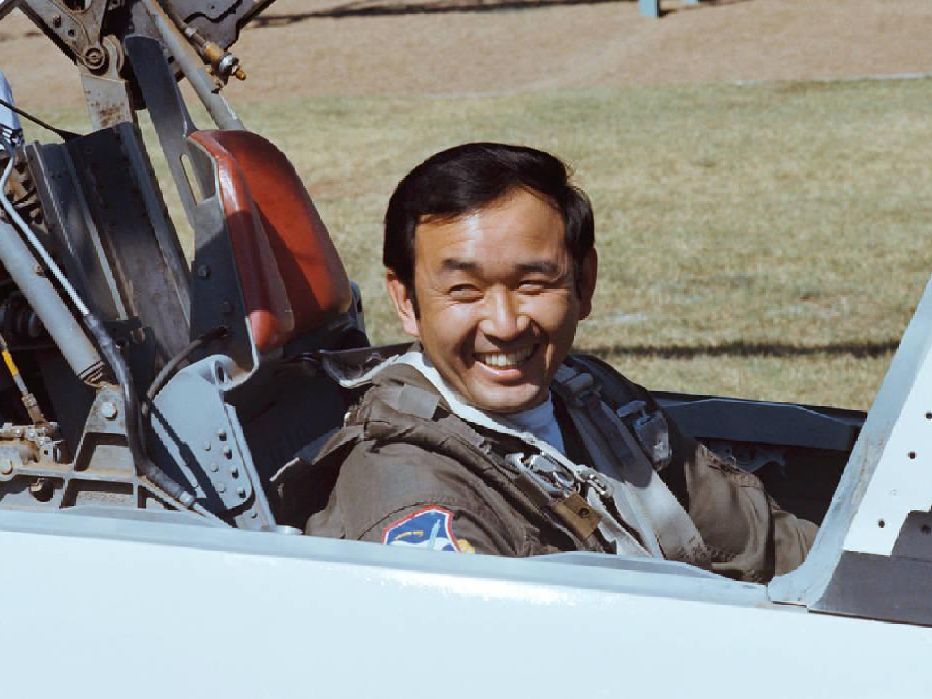
Ellison Onizuka was the first Asian American to fly in space. He was a member of NASA’s Astronaut Class of 1978, also known as the Thirty-Five New Guys, the first astronaut class in nearly a decade.


Before becoming an astronaut, Colonel Onizuka had a distinguished career with the United States Air Force, where he served as a flight test engineer and a test pilot. At the Sacramento Air Logistics Center at McClellan Air Force Base, he worked in test flight programs and systems security engineering for a variety of aircraft, including the F-84, F-100, F-105, F-111, and A-1. After joining NASA and completing astronaut training, Onizuka’s first space mission was aboard Space Shuttle Discovery on mission STS-51C in 1985.


On January 28, 1986, Onizuka lost his life when the Space Shuttle Challenger exploded 73 seconds after launch.


EXPLORE AA&NHPI HISTORY AT NASA

The National Aeronautics and Space Administration


NASA explores the unknown in air and space, innovates for the benefit of humanity, and inspires the world through discovery.


Visit nasa.gov

Follow NASA

Facebook  Instagram  LinkedIn  X  YouTube