|
Under the Dome with the 10th Architect of the Capitol, Alan Hantman
(Webinar) Thursday, April 25, from 12 pm to 1 pm ET
| |
The domed U.S. Capitol Building is recognized worldwide as America's most iconic symbol, the forum for representative democracy, and the physical stage for transferring executive power.
Join us on Thursday, April 25, for an exciting webinar featuring Alan Hantman, the 10th Architect of the Capitol from 1997 to 2007, to discuss his upcoming book, "Under the Dome: Politics, Crisis, and Architecture at the United States Capitol." Together, we'll explore how the Capitol building underwent numerous renovations and expansions under Hantman's guidance as the official entrusted with preserving and enhancing this historic landmark and the surrounding grounds of Capitol Hill.
Hantman will offer a personal account of the Capitol's physical space, the individuals involved in its management, and how politicians perceive the Capitol Building. We'll hear firsthand about the decision-making process behind Capitol security, including how he handled security threats such as the 1998 shooting of two police officers and the Capitol evacuation on 9/11.
| |
|
Alan M. Hantman, FAIA, was appointed Architect of the Capitol for a 10-year term in 1997. As Architect of the Capitol, Hantman created detailed valuations and master plans for each of the nine jurisdictions under the responsibility of the Architect of the Capitol, providing an overall road map for phased renovations and growth, including plans for the restoration of the U.S. Capitol’s cast-iron Dome.
Hantman oversaw the detailed design and construction of the 580,000-square-foot Capitol Visitor Center, which increased the size of the U.S. Capitol by 70 percent. During his tenure, Hantman also oversaw the complete reconstruction and expansion of the U.S. Botanic Garden Conservatory, the Capitol Power Plant, and the design and construction of the National Garden.
Hantman initiated the renovation of the Supreme Court Building and projects for the Library of Congress, including the Packard Campus for Audio Visual Conservation. He also improved life safety and security measures across the Capitol campus. He holds degrees in architecture and city planning from the City College and the City University of New York, respectively, and previously served as Vice President of Planning at Rockefeller Center Management Corporation.
Bio and photo courtesy of aoc.gov.
| | | | |
|
1/6: The Graphic Novel
Imagining a Dark Alternate Outcome of January 6th
with Harvard Law Professor Alan Jenkins
(Webinar) Thursday, May 9, from 12 pm to 1 pm ET
| |
Join us for a webinar featuring Harvard Law Professor and author Alan Jenkins to discuss his groundbreaking new series, "1/6: The Graphic Novel." Written by Alan Jenkins and New York Times bestselling author Gan Golan and illustrated by veteran comic book artist Will Rosado, "1/6" answers the question: What if the January 6 Insurrection had been successful?
This graphic novel chillingly demonstrates how strategic disinformation and extremism convinced ordinary Americans to undermine cherished constitutional values and support violent sedition. Inspired by speculative fiction such as 1984, The Handmaid's Tale, The Twilight Zone, and Parable of the Sower, "1/6" explores themes of autocracy, scapegoating, and more, all presented through a captivating, character-driven story.
By using graphic novels as a medium, "1/6" aims to encourage readers to engage in meaningful discussions about democracy and the need to protect our values. It is a cautionary tale that urges people to take action against ongoing attempts to downplay, justify, and divert blame away from those who perpetrated the January 6 attack on the Capitol. Additionally, "1/6" includes an Education and Action Guide developed by the Western States Center, a nonprofit organization that works with communities and organizations to strengthen democracy.
| |
|
Alan Jenkins is a writer, Harvard Law professor, and human rights advocate. He teaches courses on racial justice, strategic communications, and Supreme Court jurisprudence and is a frequent commentator in broadcast and print media. He is also a screenwriter, selected as a Blacklist/Google screenwriting fellow, and named a “2022 Top 25 Screenwriter to Watch” by the International Screenwriters Association.
Jenkins’s previous positions include President and Co-Founder of the social justice communication lab The Opportunity Agenda, Director of Human Rights at the Ford Foundation, Assistant to the Solicitor General at the U.S. Department of Justice, and Assistant Counsel at the NAACP Legal Defense Fund.
Jenkins holds a J.D. from Harvard Law School, an M.A. in Media Studies from the New School for Public Engagement, and a B.A. in Psychology and Social Relations from Harvard College.
| | | |
|
Bootleggers and Gangsters:
The Rise and Fall of Prohibition
(Webinar) Thursday, May 16, from 12 pm to 1 pm ET
| |
The Prohibition Era, spanning from 1920 to 1933, marked a tumultuous period in American history with the nationwide ban on alcohol production and sales. Difficult to enforce and widely disobeyed, Prohibition lasted almost 14 years before the 21st Amendment repealed it. | |
Join us with author and historian Garrett Peck for another webinar in our Amendment Series to discuss the 18th and 21st Amendments. Known for his role in making the Rickey Washington, DC's official cocktail in 2011, Peck will draw insights from his book, "Prohibition in Washington, DC: How Dry We Weren't," which features compelling stories about the hidden world of speakeasies and bootleggers, including the intriguing tale of George Cassiday, the congressional bootlegger who inspired Green Hat Gin, and the vibrant jazz-infused nightlife of U Street. | |
|
|
Starting with the ratification of the 18th Amendment in 1919, we will explore how Prohibition gave rise to illicit alcohol trades such as rum-running, bootlegging, and moonshining. These trades not only satisfied the public's demand for alcohol but also transformed small-time street gangs into large-scale organized crime syndicates.
The massive profits from bootlegging allowed gangs to expand their operations, with mobsters like Al Capone and Lucky Luciano dominating the underworld and forming powerful crime families. Their activities, including violent turf wars and corruption of public officials, dramatically shifted the public's perception of the nationwide ban on alcohol. Ultimately, the rampant crime and public dissatisfaction led to the repeal of Prohibition with the ratification of the 21st Amendment in 1933.
| |
|
Garrett Peck is an author, historian, and tour guide in Santa Fe, specializing in adventure travel and historic and cultural interpretation. He leads the Willa Cather’s Santa Fe tour, among others.
The author of eight books about American history, Garrett’s latest is A Decade of Disruption: America in the New Millennium. He is currently working on a book about how Willa Cather wrote her “best book” (her words), Death Comes for the Archbishop.
Garrett has lectured for the Library of Congress, the National Archives, Smithsonian Associates, historical societies, and literary clubs. A native Californian, he graduated from the Virginia Military Institute and George Washington University and is a U.S. Army veteran.
| | | |
Upcoming Congressional Briefings | |
|
The AHA’s Congressional Briefings series seeks to provide Congressional staff members, journalists, and other members of the policy community with the historical context essential to understanding contemporary issues. The sessions are strictly nonpartisan and avoid advancing particular policy prescriptions or legislative agendas.
Historical Perspectives on Transportation Safety Regulations
Thursday, May 9, 9 a.m. ET - Rayburn House Office Building, Room 2075
Panelists Janet Bednarek (Univ. of Dayton), Jeff Davis (Eno Center for Transportation), and Peter Norton (Univ. of Virginia) will provide historical context on federal transportation regulations, with a particular focus on the aviation, railroad, shipping, and automobile industries. Alexandra Levy (American Historical Association) will serve as moderator. A breakfast spread and coffee will be served.
| |
Historical Perspectives on Gerrymandering
Thursday, May 16, 9 a.m. ET - Rayburn House Office Building, Room 2060
Panelists Joanne Freeman (Yale Univ.), Nancy Beck Young (Univ. of Houston), and Julian Zelizer (Princeton Univ.) will provide historical context on gerrymandering. James Grossman (American Historical Association) will serve as moderator. A breakfast spread and coffee will be served.
| |
|
Exploring the 17th Amendment:
The Journey to Direct Senate Elections
| | |
|
Watch our latest webinar with Katherine A. Scott, PhD from the U.S. Senate Historical Office to learn about the 17th Amendment. Ratified on April 8, 1913, the 17th Amendment made the Senate more democratic, responsive, and representative by directly electing senators, and correcting flaws in the political system. Dr. Scott details the Amendment's journey, its effects on American politics, and its role in reshaping the dynamics between state and federal powers. | |
|
Interpreting Divisive Historic Monuments
with Celebrity Historian Raffi Andonian
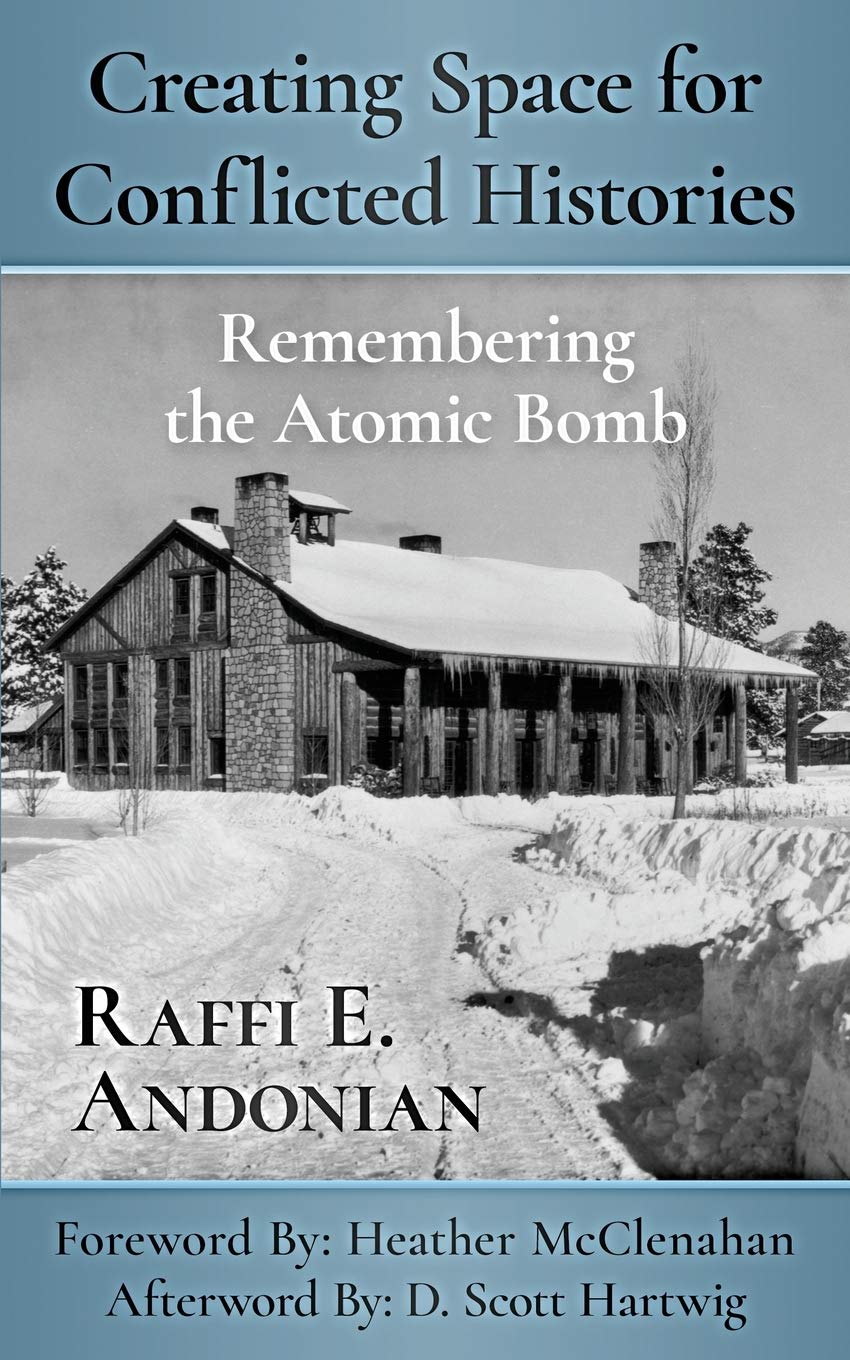
| Watch our recent webinar featuring Celebrity Historian Raffi Andonian, where we explored the controversial history of Confederate monuments in the United States and the Capitol building. | |  |
|
The CIA, FBI, Mafia, & the Kennedys:
Senator Frank Church's Fight to Save Democracy
| Watch our interview with journalist Thomas Risen and Pulitzer Prize-winning reporter James Risen, co-authors of “The Last Honest Man: The CIA, the FBI, the Mafia, and the Kennedys―and One Senator’s Fight to Save Democracy.” Together, we explored Senator Frank Church’s courageous stand against abuses of power by the CIA, FBI, Mafia, and the Kennedys. | | | |
Explore USCHS' Constitutional Amendment Video Series! | Discover the captivating stories of intense struggle, debate, and moments of unity that helped shape our democracy. Learn how the U.S. Constitution functions as a living, breathing document capable of safeguarding our rights and freedoms through centuries of change. | |
|
|
New Portrait in Oversight:
Fast & Furious Investigation into
Failed Gun Trafficking Tactic
| |
Today, the Carl Levin Center for Oversight and Democracy at Wayne State University Law School, in collaboration with the U.S. Capitol Historical Society, is releasing a Portrait in Oversight summarizing a lengthy congressional investigation into a failed federal law enforcement strategy that allowed guns bought in Arizona to be trafficked into Mexico without first seizing the illegally purchased guns. Launched in 2011, the investigation led by House and Senate Republicans raised law enforcement, whistleblower, and obstruction of Congress concerns; sparked a years-long court battle over congressional access to executive branch documents; and initiated the first House vote to hold a sitting Cabinet member in contempt of Congress.
“The Fast and Furious investigation, begun after U.S. Border Protection Agent Brian Terry was killed with a gun trafficked from the United States, required years of effort to unravel the facts and end a misguided and reckless law enforcement tactic,” said Jim Townsend, director of the Levin Center. “The inquiry was not an easy one, involving lengthy court battles and executive branch resistance to congressional information requests, but also demonstrated congressional resolve to meet its constitutional obligation to act as an effective check on executive branch misconduct.”
|  | “One of the cornerstones of American democracy is our system of checks and balances,” said U.S. Capitol Historical Society President and CEO, Jane L. Campbell. “Congress' power to investigate the federal government is an important aspect of that system, as played out in the difficult, yet necessary 'Fast and Furious' investigation. It reinforced the lesson to U.S. agencies that the ends don't always justify the means; and that every administration, of either party, has a responsibility to be transparent with Congress and the citizens it represents.” | |
Get Involved: Engage with USCHS Programs | |
Featured Resources for Every Classroom
Explore our "We the People" Hub for free lesson plans, classroom activities, primary source analysis, and more! These foundational resources are crucial for understanding the U.S. Constitution and the three branches of government, making them essential for any civics curriculum.
| |
U.S. Capitol History Tours | The Society offers historian-led tours as a benefit of our membership program. Led by our knowledgeable guides, our tours provide a fascinating behind-the-scenes glimpse into the history and significance of the iconic Capitol building. | | |
Revisit Our Recent History Webinars | |
Missed one of our webinars? No worries! Simply head over to our YouTube channel, where we have recordings of each webinar readily available for your enjoyment.
Join our live webinars for the opportunity to participate in dynamic Q&A sessions with our speakers.
| | |
|
How You Can Help
Your support is vital in promoting informed citizenship and preserving our history. Whether you join the Society as an annual Member or make a tax-deductible donation, your contribution makes a lasting impact. Discover ways to maximize your support for the Society now!
| |
The James Agrippa Morrill Memorial Fund | |
The Morrill family established the James Agrippa Morrill Memorial Fund in memory of Jim Morrill, a devoted USCHS volunteer. The fund will support the Society's civic education efforts, including our We the People Constitution Program, providing middle school students in D.C. with an immersive learning experience centered around the Constitution.
| | | |
Share our mission with your network
Help us reach more people who believe in empowering our youth. The more people know about our work, the more significant our impact can be. Follow us on social media, forward this newsletter, and encourage teachers to incorporate our resources into their curriculums.
| |
Discover the heart of American history with the U.S. Capitol Historical Society! Founded in 1962, our mission is to inspire informed patriotism by educating you about the Capitol and the people who work there. | |
| | | |