ADAPTATION FINANCE BULLETIN |
UNFCCC Adaptation Committee | |
News from the Adaptation Fund | |
Photo credit: Kristin Hotel on Unsplash | |
Adaptation Fund Board Approves USD 82 Million for 12 Projects, Introduces Funding for Locally Led Adaptation | |
|
The 42nd meeting of the Adaptation Fund Board, held in April 2024, concluded with the Board approving approximately USD 82 million for 12 new adaptation projects across vulnerable countries and introduced dedicated funding mechanisms for Locally Led Adaptation (LLA), a first for any multilateral climate fund. Approved projects will support efforts ranging from enhancing climate resilient livelihoods in dry regions of Nicaragua to building the capacity of nature-based seawalls in Fiji.
Aiming to bolster global adaptation responses, the Board set a fundraising target of USD 300 million for 2024 and discussed increasing funding caps for countries and projects. Efforts to streamline funding access and expand grant availability were key focuses, alongside extending support for a small grant partnership through the Adaptation Fund Climate Innovation Accelerator.
The Board approved funding directed towards empowering local communities to lead adaptation efforts. This includes USD 26.5 million allocated for integrating LLA with the Fund’s Enhanced Direct Access framework, enhancing direct community engagement in projects.
| |
News from the Global Environment Facility | |
Photo credit: Shayan Ghiasvand on Unsplash | |
67th Meeting of the Global Environment Facility Council | |
The Global Environment Facility (GEF) Council's 67th meeting, held in June 2024, approved USD 736.4 million in funding across various initiatives. Noteworthy was the inaugural allocation from the Global Biodiversity Framework Fund, less than one year after the launch of the Fund, directing USD 37.8 million towards biodiversity conservation in Brazil and Mexico with an emphasis on Indigenous and local community participation.
Additionally, the council approved the largest funding allocation by the Least Developed Countries Fund, amounting to USD 203 million. These funds will support projects in 20 Least Developed Countries. This sum also includes support for the Great Green Wall initiative, which aims to increase resilience and improve land health across the Sahel. The council also endorsed innovative financing mechanisms, such as a Coral Bond, building on the successful implementation of the Rhino Bond in 2022.
Funding was also approved for a new Sustainable Cities Integrated Program, which will support nature-positive, climate-resilient, and carbon-neutral urban development.
| |
GEF-8 Corporate Scorecard - June 2024 | |
The GEF-8 Corporate Scorecard provides a semi-annual update on the GEF’s performance during its eighth funding cycle (GEF-8). This particular scorecard encompasses all projects approved from July 2022 through June 2024. By the midpoint of GEF-8, the GEF has achieved over 50 percent of the targeted results for nine out of ten results metrics and has exceeded co-financing targets, mobilizing over USD 24 billion and generating USD 8.50 for every dollar invested.
Contributions to the adaptation core indicators reported include 2.8 million hectares of land managed for climate resilience; 1,113 policies, plans, and frameworks that will mainstream climate resilience; and 2,159 private sector enterprises engaged in adaptation and resilience action.
The Scorecard notes that, to date in the GEF-8 period, USD 463.99 million has been approved under the Least Developed Countries Fund, and USD 27.01 million has been approved under the Special Climate Change Fund.
| |
News from the Green Climate Fund | |
38th and 39th Board Meetings of the Green Climate Fund approve new adaptation funding | |
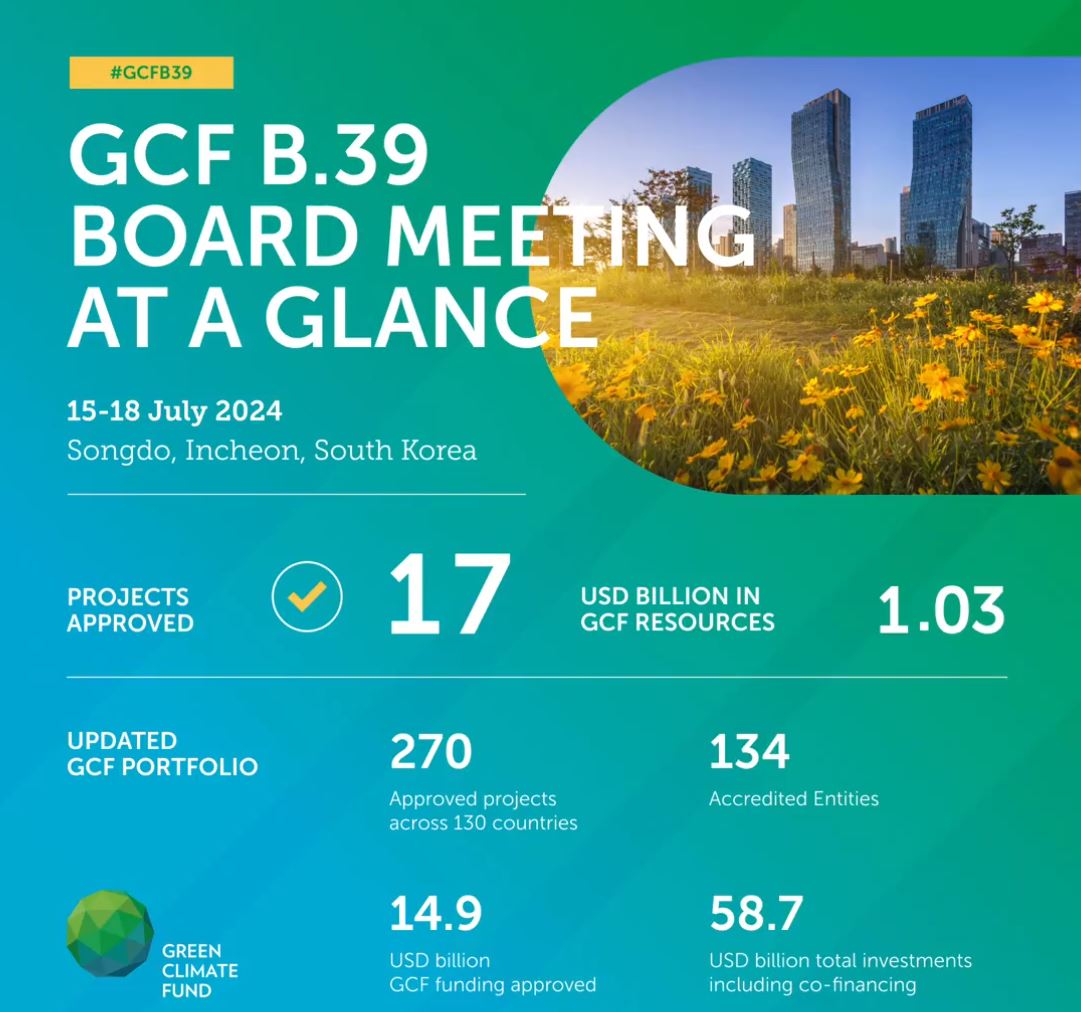
The Green Climate Fund (GCF) Board convened its 39th meeting from 15-18 July 2024. Seventeen projects were approved by the Board totaling USD 1 billion in GCF financing. Of these, seven are adaptation focused, and an additional nine are cross-cutting.
Funding Activity Agreements for 10 of the projects were signed immediately after approval. This is expected to pave the way for projects in Bhutan and Malawi to transition from approval to first disbursement in under 15 days, setting a new record for the GCF.
Earlier this year, the 38th GCF Board Meeting took place in Kigali, Rwanda, from 5-7 March 2024. The Board approved funding for eleven projects totaling USD 489.8 million, leveraging a total investment of USD 1.26 billion with co-financing. Six of the projects are adaptation-focused, while a further four are cross-cutting in nature.
Key developments included Pakistan’s first woman-led climate fund and the Cook Islands’ inaugural single-country project, which is the first solely focusing on climate and health in the Pacific region.
| |
GCF Engagement at the World Bank-IMF Spring Meeting | |
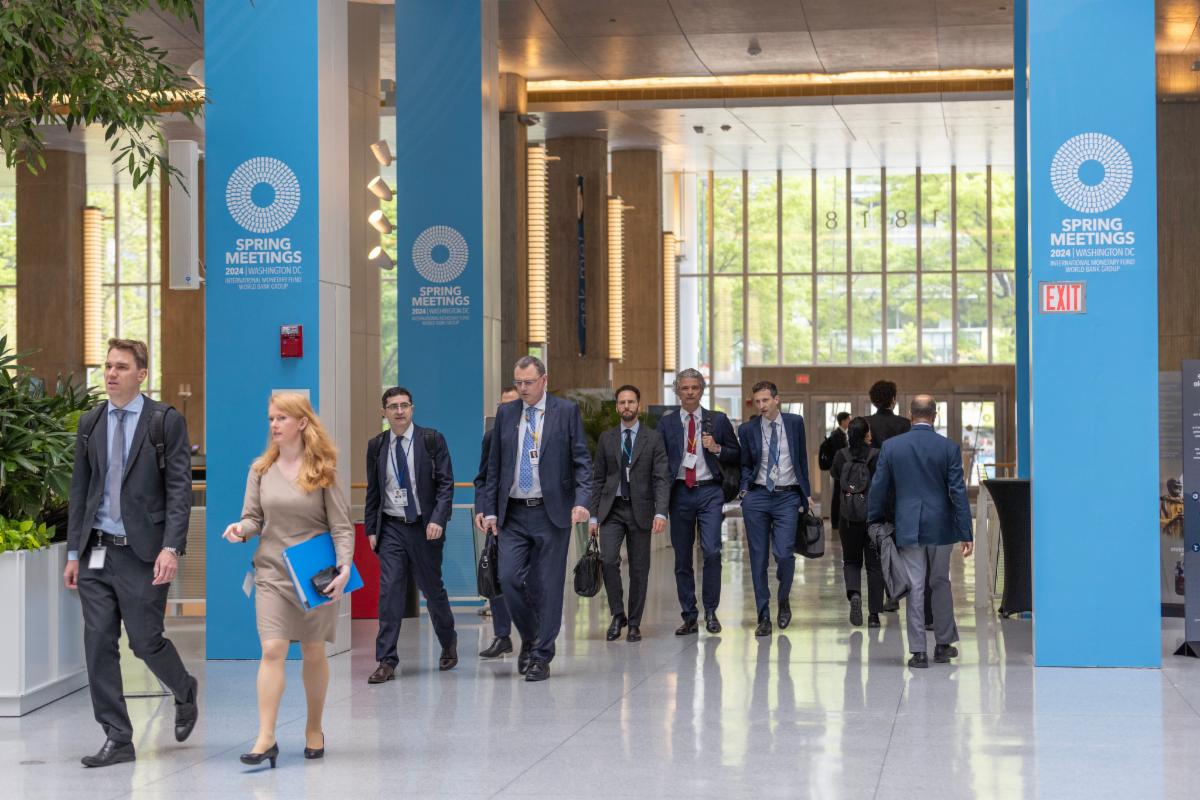
The GCF participated in the World Bank-IMF Spring Meetings in April 2024, emphasizing the need for reforms in global financial architecture to scale up climate finance for developing countries.
During the meetings, GCF delegates discussed enhancing collaborations with key international entities and climate funds. This included strategic dialogues on accelerating the scale of climate investments and leveraging GCF's tools like the Readiness Programme and Project Preparation Facility to boost climate action in vulnerable regions.
The discussions also extended to collaborations with multilateral development banks and the private sector, focusing on enhancing the efficiency and impact of climate finance.
| |
News from the Fund for responding to loss and damage |  | |
The Board of the Fund for responding to Loss and Damage Holds Initial Meetings, Selects the Host Country
The Board of the Fund for responding to loss and damage concluded its first and second meetings in May and July 2024, respectively.
During the first meeting, the Board initiated a process to select an Executive Director of the Fund and launched its work on various key areas, including access modalities, financial instruments, governance structures, the annual high-level dialogue, and ensuring active observer participation. The Board also engaged with the World Bank to set up the Fund as a World Bank-hosted financial intermediary fund.
At the second meeting, the Board considered a wide range of matters, including additional rules of procedure and draft arrangements between the COP, CMA, and the Board of the Fund. Moreover, the Board selected the Philippines as the host country of the Board of the Fund and agreed on the name of the Fund (the Fund for responding to Loss and Damage). At the meeting, the Republic of Korea pledged USD 7 million to the Fund.
| |
News from the Climate Investment Funds | Photo credit: Jamison Cameron on Unsplash | |
New Evaluation and Learning Toolkits by the Climate Investment Funds
The Climate Investment Funds (CIF) has launched three new Evaluation and Learning Toolkits for its latest programs: the Accelerating Coal Transition Investment Program, Nature, People and Climate Program, and the Renewable Energy Integration Program. These toolkits are designed to enhance the transformative impact of climate finance by guiding stakeholders through crucial evaluative steps necessary for creating inclusive, resilient, and sustainable development pathways. Focusing on five key dimensions—relevance, systemic change, speed, scale, and adaptive sustainability—the toolkits aim to deepen the programs' effectiveness and broaden their sustainable development impacts. They facilitate work across the CIF’s program and project lifecycle, providing a structured framework to help stakeholders identify critical evaluative moments that inform decision-making and promote adaptive learning.
| |
Climate Finance at the World Bank-IMF Spring Meetings | Photo credit: The World Bank | |
At the World Bank-IMF Spring Meetings in April 2024, discussions centered on the theme of “Vision to Impact.” The outcome of the meetings included new pledges to support the work of the World Bank, such as USD 11 billion which was committed by a group of 11 countries for new financial instruments aimed at tackling global challenges such as climate change. Among these is a new Livable Planet Fund, through which contributions will help tackle shared challenges through cooperation across borders.
Various climate-focused events were featured on the schedule of the Meetings. This included the 11th Ministerial Meeting of the Coalition of Finance Ministers for Climate Action, which focused on the role of Finance Ministers in the design, financing, and implementation of nationally determined contributions.
Moreover, the COP 29 incoming Presidency team engaged in the meetings, emphasizing that climate finance will be a top priority for the upcoming COP. As part of these efforts, the incoming Presidency also hosted a high-level dialogue on “Enabling Global Action for Climate Finance,” which convened a wide range of leaders from government, policy, and business communities.
| News from the Adaptation Committee | 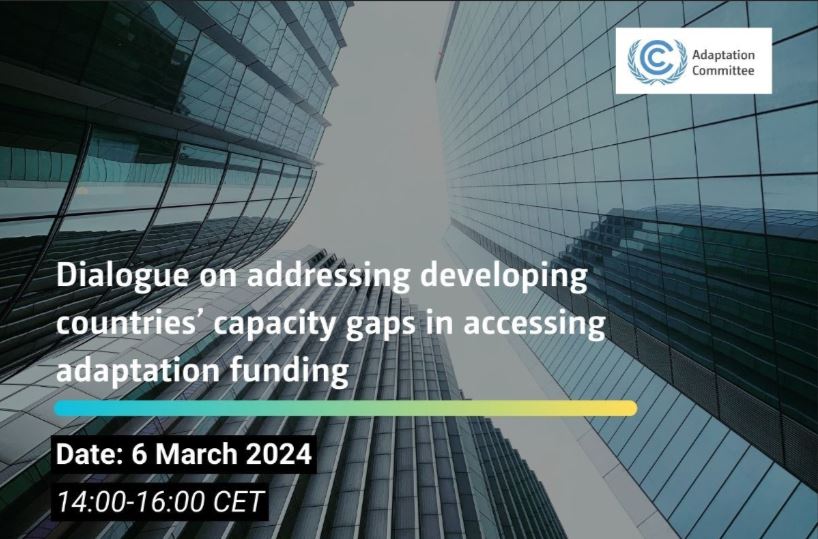 | |
Adaptation Committee’s Dialogue on Addressing Developing Countries’ Capacity Gaps in Accessing Adaptation Funding
The Adaptation Committee held a virtual dialogue to address developing countries’ capacity gaps in accessing adaptation funding on March 6, 2024. The dialogue focused particularly on capacities required for translating adaptation priorities and plans into finance and investment strategies, plans, and projects. It featured a panel discussion with six experts representing governments (i.e., Fiji), the GCF, the African Development Bank, OECD, and GIZ, who shared their experiences and recommendations for improvement, replication, and scaling.
Over 120 participants followed the event live and shared additional experience and relevant material. They agreed that more such platforms for dialogue and experience sharing would be an important asset for countries to move from planning to implementing adaptation. The Adaptation Committee will build on the findings of the dialogue in a series of follow-up activities.
| |
News from the Standing Committee on Finance | 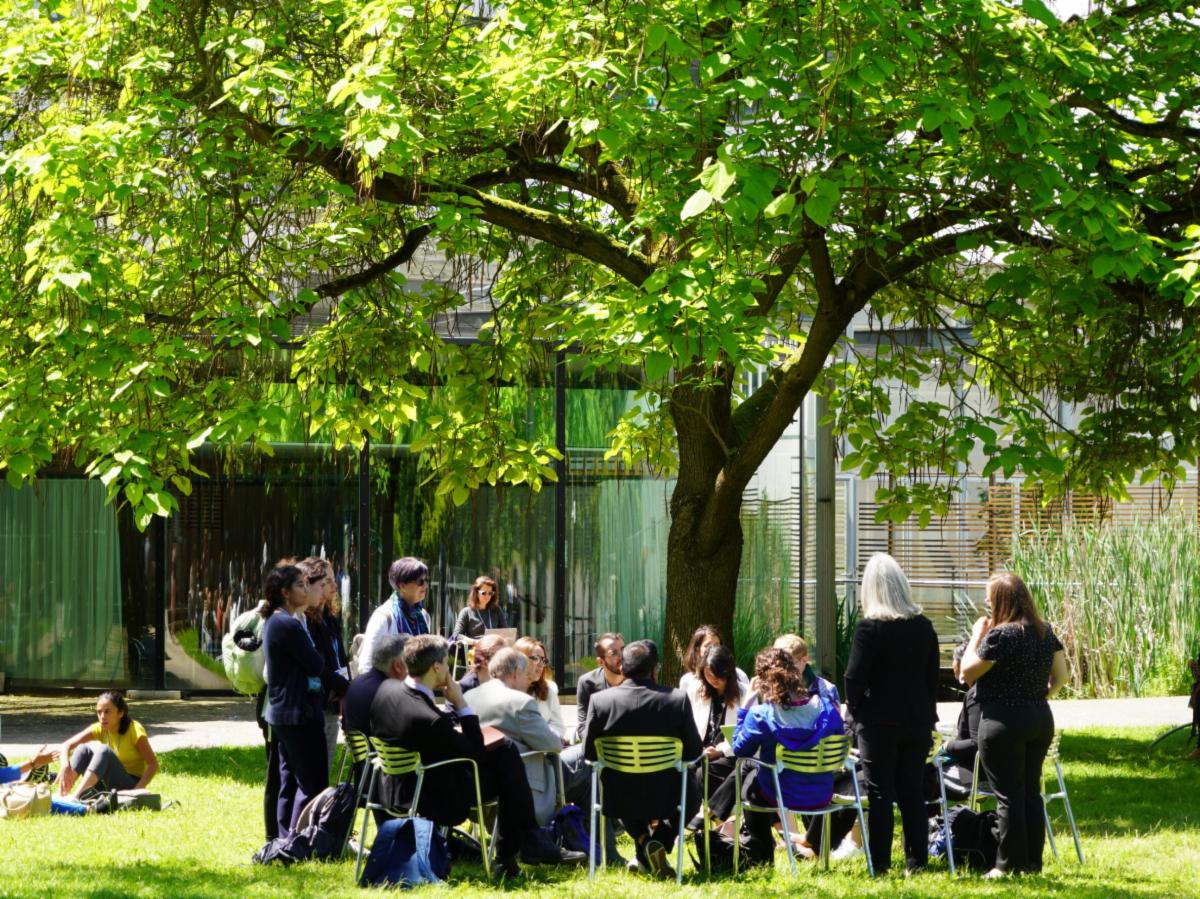 | |
Standing Committee on Finance Concludes 34th Meeting with Key Decisions
The 34th meeting of the Standing Committee on Finance (SCF) held in May 2024 concluded with several decisions to advance the coherence and coordination of climate change financing mechanisms.
The committee advanced work on multiple reports, including the Sixth Biennial Assessment and Overview of Climate Finance Flows, the second report on the determination of the needs of developing countries related to implementing the Convention and the Paris Agreement, the second report on progress towards achieving the goal of mobilizing jointly USD 100 billion per year, and a report on common practices regarding climate finance definitions, reporting and accounting methods.
The SCF approved the structure and general outline of the provisional program for its 2024 Forum. The 2024 Forum will focus on “Accelerating climate action and resilience through gender-responsive financing.”
Draft arrangements between the COP, CMA, and the Board of the Fund for responding to loss and damage were also discussed, with the agreement to send the initial draft to the Board of the Fund for consideration and feedback. Further steps include developing the final draft of these arrangements before the next SCF meeting.
| |
News from the Least Developed Countries Expert Group | |
|
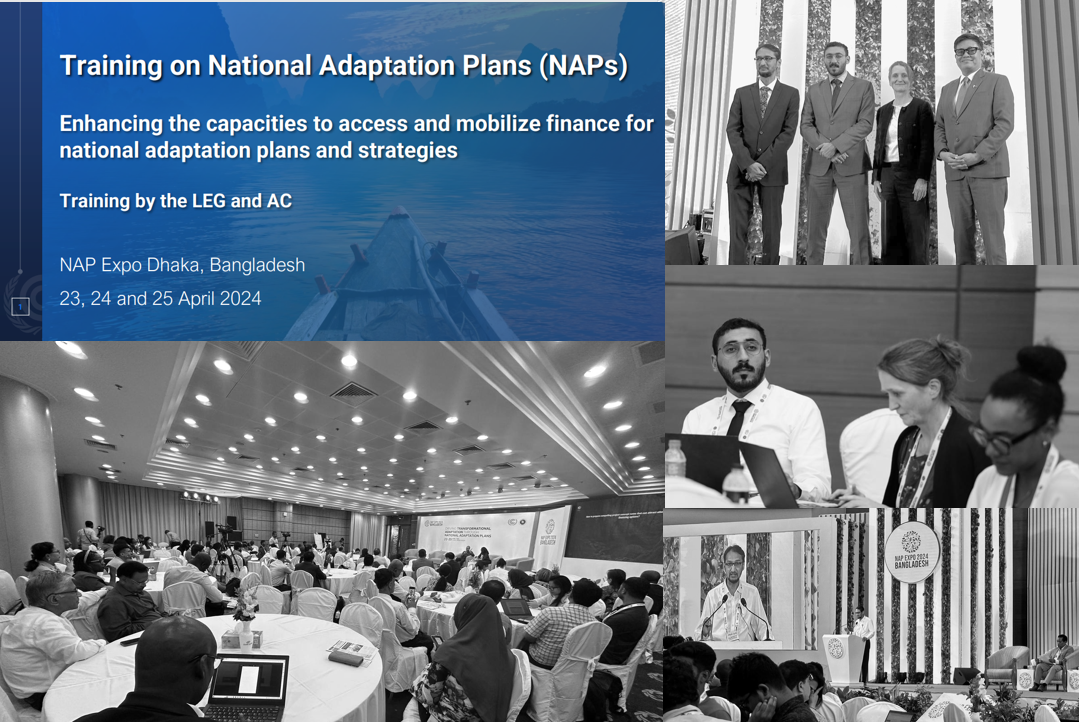
NAP Expo 2024
The NAP Expo 2024, hosted by the Least Developed Countries Expert Group (LEG) in April 2024, focused on the theme of "Driving transformational adaptation through National Adaptation Plans.” The Expo featured various sessions focused on finance, including transformational dialogues exploring topics such as how to transform the NAP towards unlocking adaptation finance at the scale needed to meet adaptation needs and how sources and channels of adaptation finance can be optimized to meet countries’ needs.
Other relevant sessions covered topics such as the experience of Bangladesh in mobilizing domestic climate finance; experiences, approaches and available technical assistance in mobilizing finance for NAP formulation and implementation; and accelerating finance for NAP and NDC implementation.
In addition, the AC and the LEG organized training sessions on "Enhancing capacities for accessing and mobilizing finance for national adaptation plans and strategies." This training aimed to address gaps and needs in the formulation and implementation of NAPs, with a particular emphasis on opportunities within and beyond the financial mechanism, including private sector mobilization. Useful resources were shared with participants, including materials by the AC, the LEG, the GCF, the Adaptation Fund, the GEF, the IPCC, the World Bank, the OECD, the NDC Partnership, and the EW4All initiative. Discussions covered identifying diverse financing options across the NAP process, enhancing flexibility in readiness projects, addressing scientific foundations in project planning, crafting compelling project concept notes, expanding pilot projects into broader programs, utilizing regional and global strategies, and supporting national entities in developing new projects. The support material for the training can be found here.
| |
Spotlight on developments at SB 60 | |
|
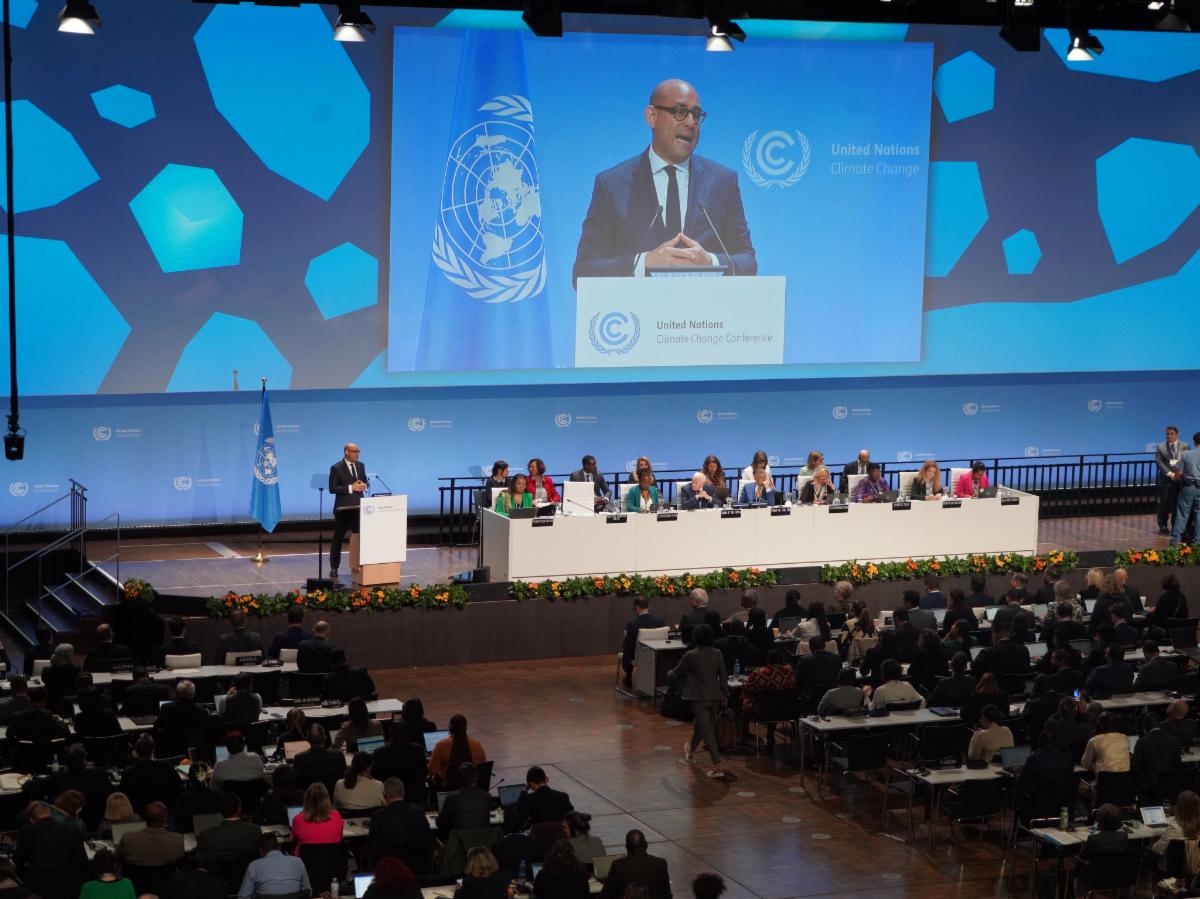
The sixtieth session of the Subsidiary Bodies (SB 60), which took place from 3 to 13 June 2024, featured important discussions relevant to adaptation finance.
A focal point of SB 60 was the advancement of the new collective quantified goal on climate finance (NCQG), which will be set from a floor of USD 100 billion per year. The tenth technical expert dialogue under the ad hoc work programme on the NCQG took place on 3 June. This mandated event aimed to facilitate a deepened shared understanding of views on ambition, qualitative elements, structure, and transparency aspects of the NCQG. Details of the dialogue, including the programme and webcast, are available here. The summary note of the dialogue is available here.
In conjunction with SB 60, the second meeting under the ad hoc work programme on the NCQG also took place. It sought to provide space for Parties to engage in open-ended, inclusive and Party-driven deliberations. Four sessions of the second meeting took place from 5 to 11 June. Links to the webcasts for all sessions, along with additional information on the NCQG, are available here.
The First Workshop under the Sharm el-Sheikh Dialogue on the Paris Agreement Article 2.1(c) in 2024 took place on 12 and 13 June. The workshop focused on adaptation investments and the consistency of financial flows with a climate-resilient development pathway, as well as linkages to broader sustainable development. National and regional examples were presented at the workshop by representatives of both public and private entities, reflecting various opportunities to integrate climate resilience holistically into finance, leverage Article 2.1(c) implementation to scale up adaptation finance, and more.
The 13th Durban Forum on capacity-building took place on 5 June, focusing on the theme of “Capacity-building for addressing gaps and needs for accessing finance for national adaptation plans.” The event featured a panel discussion on overcoming key capacity gaps and needs to access finance for NAPs, including presentations on topics such as developing national adaptation investment plans, applying innovative financial instruments to support NAP implementation, and more. See additional information here.
The third Glasgow Dialogue on loss and damage focused on enhancing coherence and coordination across the support architecture for loss and damage and the role of the funding arrangements established in 2022 in this context. It provided a space to discuss progress made and further recommendations for scaling up or enhancing existing or initiating new funding arrangements for responding to loss and damage. Further details and a link to the resulting summary report are available here.
The Adaptation Fund Board's membership configuration was also discussed during SB 60 in view of the Fund’s transition to exclusively serving the Paris Agreement. Consideration of this matter will continue at the next session. Additional details are available here.
An overview of other relevant key outcomes including negotiation outcomes for the global goal on adaptation and NAPs is available here.
| | | | |