|
CEILS Monthly Newsletter
Issue #108 | August 2024
| | |
|
Happy Summer Colleagues!
It is with great pleasure I announce that Dr. Benjamin Hà is our new CEILS Assistant Director for Future Faculty Development. Dr. Hà brings his wealth of teaching as well as administrative experience and passion for graduate student and postdoc professional development to this role. As Assistant Director, Dr. Hà will be the Program Director for UCLA’s Center for the Integration of Research, Teaching and Learning (CIRTL@UCLA). CIRTL is a professional development, international network for graduate students and postdocs to become certified in evidence-based, inclusive teaching. Dr. Hà completed his Ph.D. at UCLA in the Department of Ecology and Evolutionary Biology, and during graduate school, became a CIRTL Scholar. He will utilize his experience in future faculty professional development and program administration, as well as extensive teaching experience, to fulfill the goals of the CIRTL@UCLA program, including developing, implementing, and expanding the local CIRTL@UCLA program, as well as engagement with the national CIRTL network.
Please join me in congratulating Dr. Hà in his new role with CEILS!
Sincerely,
Rachel
Rachel Kennison, MSW, PhD
My pronouns: she, her, hers
Executive Director, Center for Education Innovation & Learning in the Sciences (CEILS)
Associate Teaching Professor, Dept. Ecology and Evolutionary Biology
Administrative Co-Leader, Center for the Integration of Research, Teaching & Learning (CIRTL)
| |
|
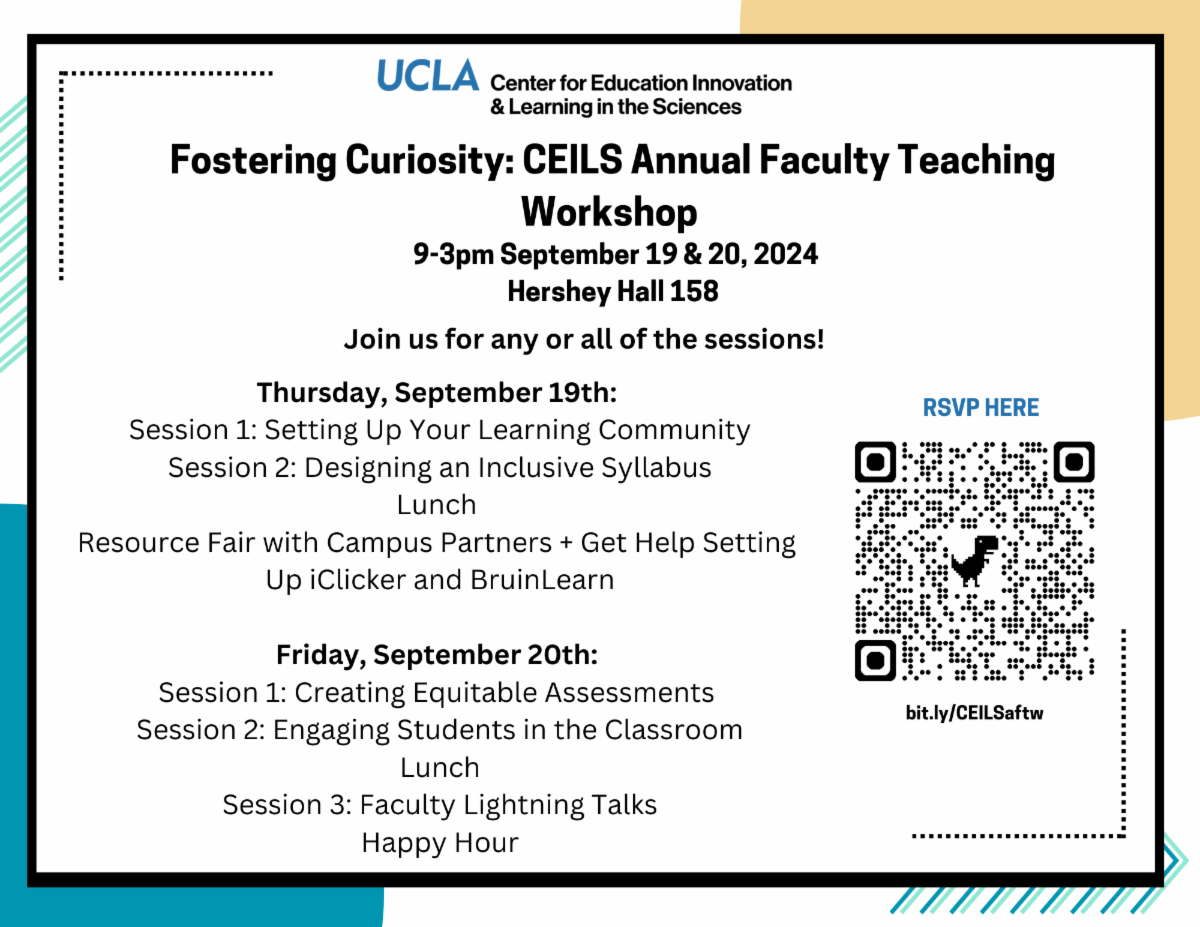
Fostering Curiosity: CEILS Annual Faculty Teaching Workshop
September 19 & 20, 2024 | 9am - 3pm
Hershey Hall 158
| |
This year, our annual workshop will focus on approaching your teaching with curiosity as a way to manage the highs and lows in the classroom and prioritize our well-being. Our goal is to provide you with resources, concrete strategies, and practice to maximize student success. We invite you to join us and engage in any or all of the three experiences described below:
-
Come share and discuss strategies for setting up your classroom as a learning community, designing an inclusive syllabus that provokes curiosity, and creating assessments designed for equitable learning opportunities.
-
Engage with invited instructors, who will present lightning talks followed by a panel discussion on how they are approaching teaching and meeting the challenges of today. Those topics include embracing AI within their disciplines, designing courses to allow for pivot in format if needed, addressing student wellness needs, and leveraging technology to reduce workload without negatively impacting learning.
-
Meet key leaders at our resource fair social (lunch provided) from across campus that support student success and well-being. You may often refer students to these campus centers so please stop by so you can meet the dedicated folks who serve the campus at the Center for Accessible Education, Counseling and Psychological Services, the Career Center, Undergraduate Research Center, Library, and more.
All are welcome to join this community of caring instructors who are excited to talk about teaching! We especially encourage instructors who either are relatively new to college teaching or who have instructional responsibilities in large enrollment gateway courses for science, technology, engineering, and math (STEM) majors.
Record your participation in your dossier as evidence of your efforts to improve teaching and as an activity that helps promote equal opportunity and diversity in education. Such efforts in both categories, on behalf of all faculty, are now a recognized component of the promotion and tenure process at UCLA (see APM 210-1, and Appendix 41).
| |
|
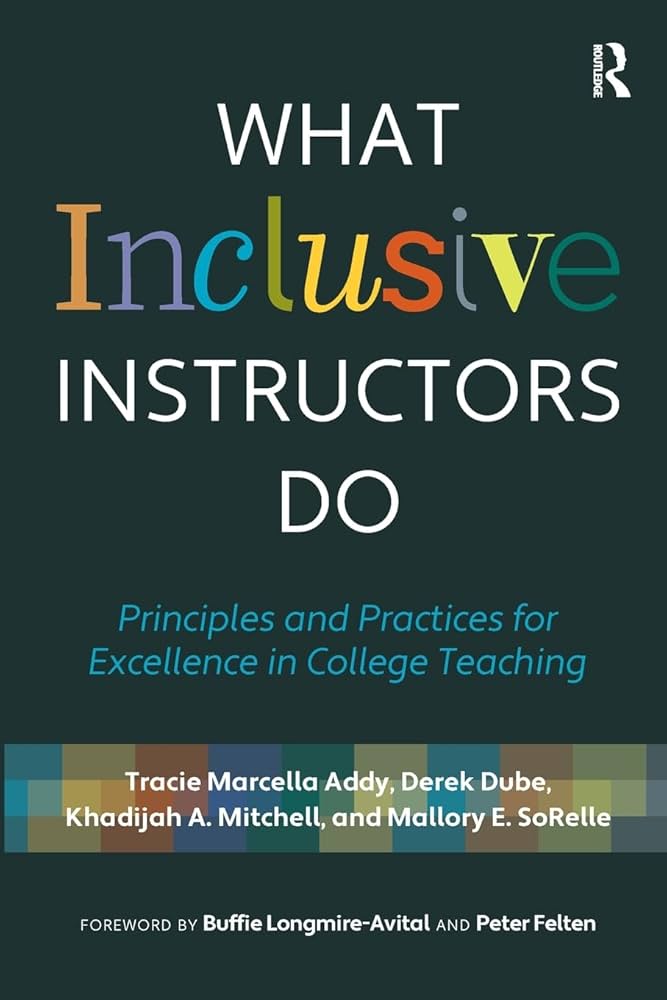
In preparation for the new academic year, we invite you to take a look at the CEILS Summer Reading List which includes book recommendations from our team on how to best engage and support your students next quarter.
If you are interested in receiving one of these book recommendations as a gift, please send an email to CEILS Executive Director, Rachel Kennison - rkennison@ceils.ucla.edu. Additionally, if any of these book recommendations stood out to you and you would like to discuss further, please email us so we can help facilitate the creation of a small group learning community.
| |
|
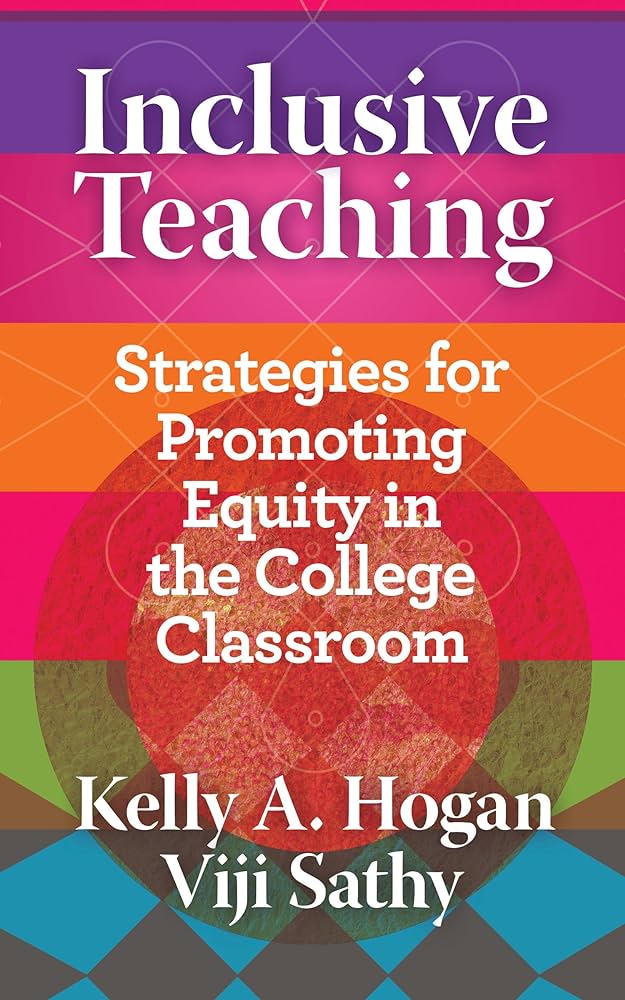
Inclusive Teaching Strategies for Promoting Equity in the College Classroom (2022)
Kelly A. Hogan and Viji Sathy
“In a book written by and for college teachers, Kelly Hogan and Viji Sathy provide tips and advice on how to make all students feel welcome and included. They begin with a framework describing why explicit attention to structure enhances inclusiveness in both course design and interactions with and between students. Inclusive Teaching then provides practical ways to include more voices in a series of contexts: when giving instructions for group work and class activities, holding office hours, communicating with students, and more. The authors finish with an opportunity for the reader to reflect on what evidence to include in a teaching dossier that demonstrates inclusive practices.”
https://wvupressonline.com/inclusive-teaching
| |
| |
|
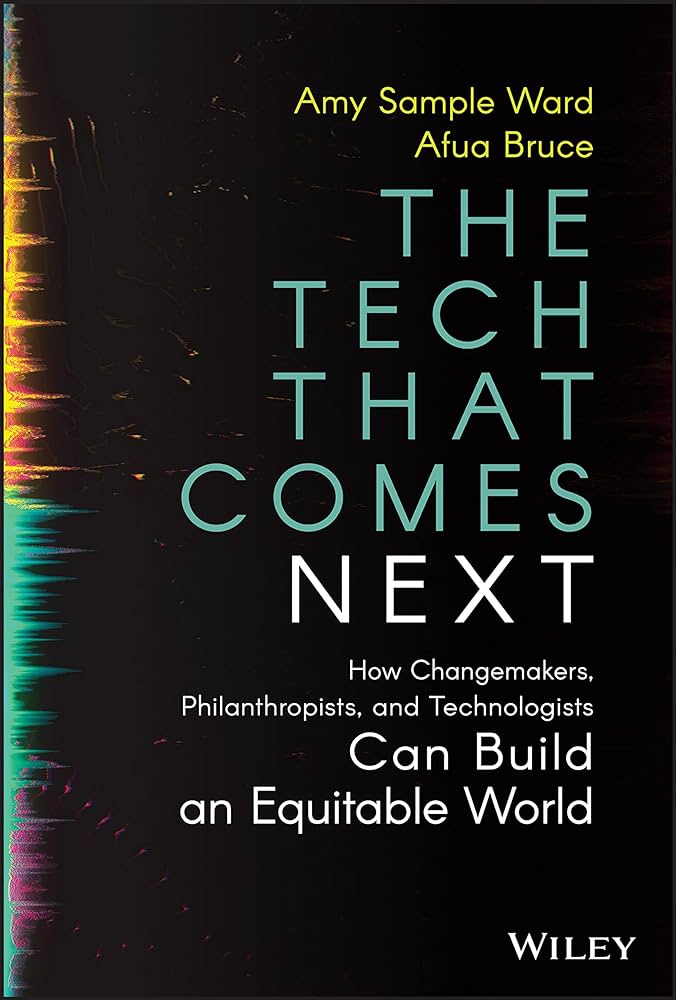
The Tech That Comes Next: How Changemakers, Philanthropists, and Technologists Can Build an Equitable World (2022)
Amy Sample Ward and Afua Bruce
“In The Tech That Comes Next, Amy Sample Ward and Afua Bruce – two leaders in equitable design and use of new technologies – invite you to join them in asking big questions and making change from wherever you are today. This book connects ideas and conversations across sectors from artificial intelligence to data collection, community centered design to collaborative funding, and social media to digital divides. Technology and equity are inextricably connected, and The Tech That Comes Next helps you accelerate change for the better.”
https://thetechthatcomesnext.com/
| |
| |
|
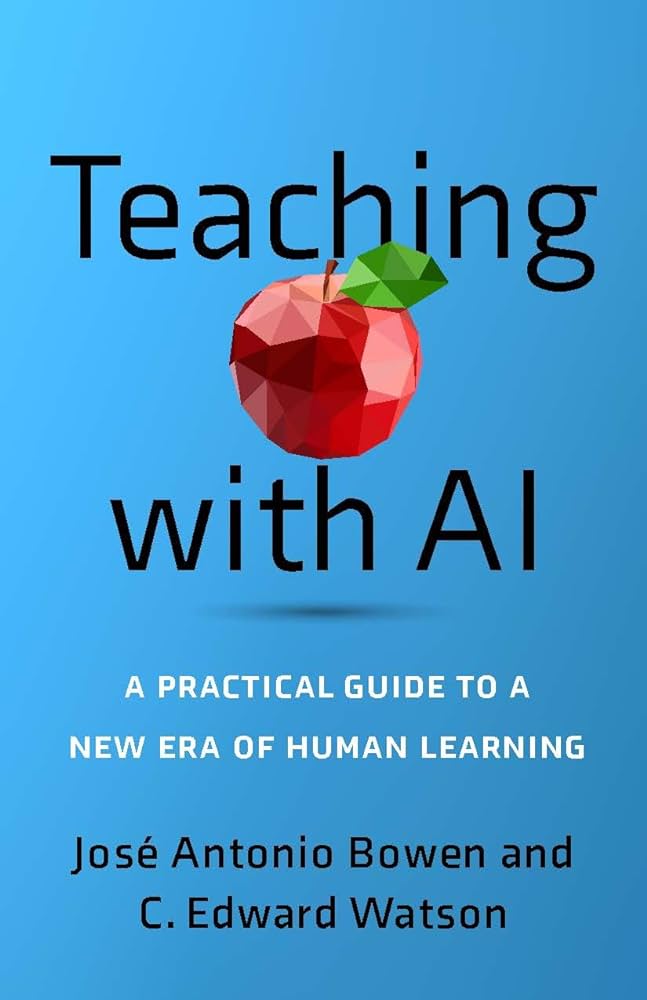
Teaching with AI: A Practical Guide to a New Era of Human Learning (2024)
José Antonio Bowen and C. Edward Watson
“In this groundbreaking and practical guide, teachers will discover how to harness and manage AI as a powerful teaching tool. José Antonio Bowen and C. Edward Watson present emerging and powerful research on the seismic changes AI is already creating in schools and the workplace, providing invaluable insights into what AI can accomplish in the classroom and beyond.”
https://www.press.jhu.edu/books/title/53869/teaching-ai
| |
| |
|
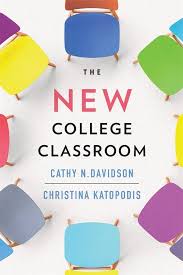
The New College Classroom (2022)
Cathy N. Davidson and Christina Katopodis
"The New College Classroom helps instructors in all disciplines create an environment that is truly conducive to learning. Davidson and Katopodis translate cutting-edge research in learning science and pedagogy into ready-to-use strategies to incorporate into any course. These empirically driven, classroom-tested techniques of active learning—from the participatory syllabus and ungrading to grab-and-go activities for every day of the term—have achieved impressive results at community colleges and research universities, on campus, online, and in hybrid settings."
https://www.hup.harvard.edu/books/9780674248854
| |
| |
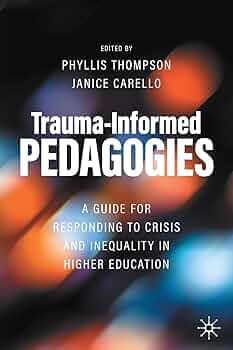
Trauma-Informed Pedagogies : A Guide for Responding to Crisis and Inequality in Higher Education (2022)
Phyllis Thompson and Janice Carello
“This book centers equity in the approach to trauma-informed practice and provides the first evidence-based guide to trauma-informed teaching and learning in higher education. The book is divided into four main parts. Part I grounds the collection in an equity approach to trauma-informed care and illustrates one or more trauma-informed principles in practice. Chapters in Part II describe trauma-informed approaches to teaching in specific disciplines. In Part III, chapters demonstrate trauma-informed approaches to teaching specific populations. Part IV focuses on instruments and strategies for assessment at the institutional, organizational, departmental, class, and employee levels. The book also includes a substantial appendix with more than a dozen evidence-based and field-tested tools to support college educators on their trauma-informed teaching journey.”
https://search.library.ucla.edu/discovery/fulldisplay?
| |
| |
|
By: Ann Y. Kim, Vina Ton, and Daniel Vega
In this qualitative study, the authors interviewed historically marginalizes undergraduate and masters-level physics students at a large State University. They found that openness in the department was one of three major factors helping students feel like they fit. The openness was observed in two specific domains: i. in recognizing the curricular content as difficult but achievable with effort, and ii. broadening the definition of successful physicists to include teaching and industry positions.
| |
|
By: Kylea R. Garces, Aaron N. Sexton, Abigail Hazelwood, Nathan Steffens, Linda Fuselier, and Natalie Christian
Discussions play a significant role in facilitating student learning through engagement with course material and promotion of critical thinking. Discussions provide space for social learning where ideas are deliberated, internalized, and knowledge is co-created through socioemotional interactions. With the increase of internet-based and hybrid courses, there is a need to evaluate the degree to which online discussion modalities facilitate quality discussions and enhance student achievement. We assessed the effectiveness of asynchronous online discussion boards and traditional face-to-face discussions via qualitative (thematic coding and discussion network analysis) and quantitative (Bloom’s taxonomy) techniques and evaluated student perceptions via pre-course and post-course surveys.
| |
|
By: Mike Wilton, Jeffrey Maloy, Laura Beaster-Jones, Brian K. Sato, Stanley M. Lo, and Daniel Z. Grunspan
At many research-intensive universities in North America, there is a disproportionate loss of minoritized undergraduate students from Science, Technology, Engineering, and Mathematics (STEM) majors. Efforts to confront this diversity, equity, and inclusion (DEI) challenge, such as faculty adoption of evidenced-based instructional approaches that promote student success, have been slow. Instructional and pedagogical change efforts at the academic department level have been demonstrated to be effective at enacting reform. One potential strategy is to embed change agent individuals within STEM departments that can drive change efforts. This study seeks to assess whether tenure-track, teaching-focused faculty housed in STEM departments are perceived as influential on the instructional and pedagogical domains of their colleagues.
| |
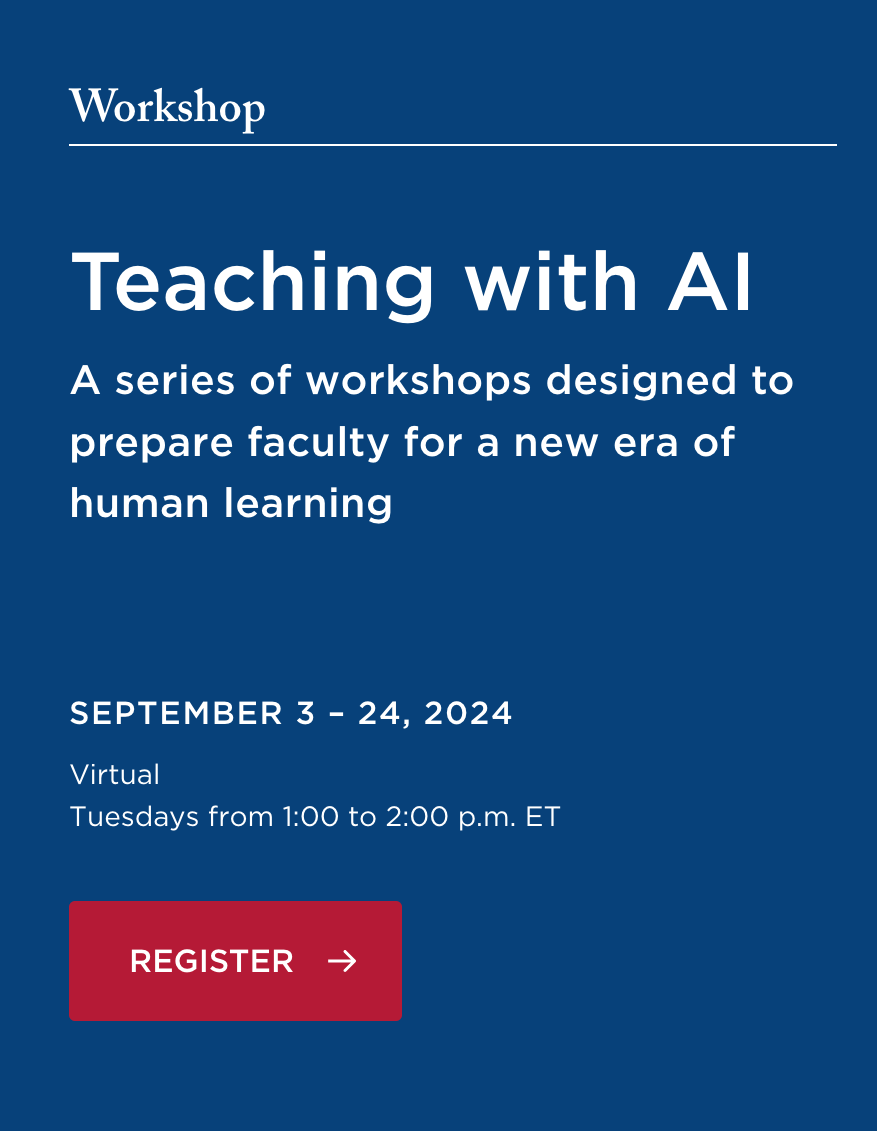
Teaching with AI: A Series of Workshops Designed to Prepare Faculty for a New Era of Human Learning
September 3 - 24, 2024
Virtual
Tuesdays 10:00 - 11:00 am PST
Led by José Antonio Bowen and C. Edward Watson, authors of Teaching with AI: A Practical Guide to a New Era of Human Learning(Johns Hopkins University Press, 2024), this four-part, live workshop series will help participants understand the current AI landscape; address academic integrity in meaningful and fair-minded ways; craft assignments that ensure course outcomes as well as AI literacies are developed; and utilize AI to assist with course design, development, and management tasks.
Register and view more information here.
If you are interested in receiving Teaching with AI: A Practical Guide to a New Era of Human Learning as a gift, please send an email to CEILS Executive Director, Rachel Kennison - rkennison@ceils.ucla.edu.
| |
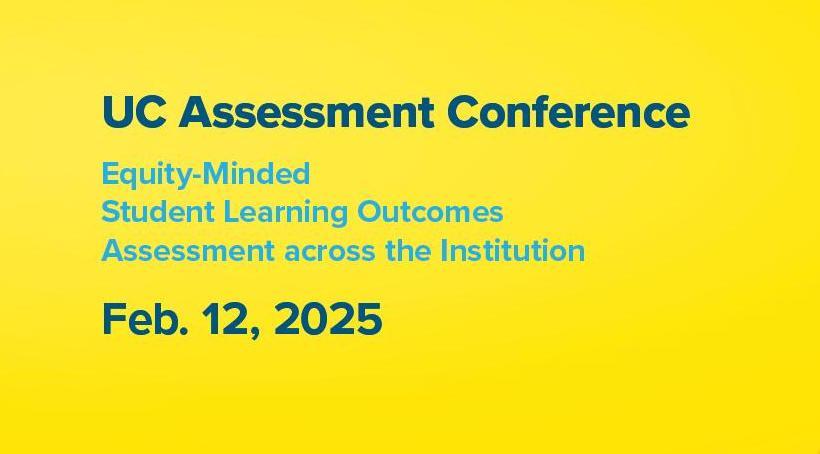
2025 UC Assessment Conference
The UC Assessment Conference is a space for faculty, instructors, graduate students, assessment professionals, and academic leaders from UC Davis and other UC campuses system to gather, collaborate, discover, and share assessment practices. This all-day event will include plenary talks, a plenary panel with UC Davis faculty, opportunities to connect with like-minded colleagues, and interactive concurrent sessions.
Call for Proposals:
This year's theme is Equity-Minded Student Learning Outcomes Assessment across the Institution. In line with this theme, we invite faculty, instructors, academic professionals, and leaders from across the UC system to submit proposals that explore equity-minded student learning outcomes assessment in courses, academic programs, general education, and learning-focused co-curricular programs.
The deadline for proposal submissions is 11:59 p.m. Aug. 31.
We look forward to seeing you at the conference!
Learn more and submit a proposal here.
| |
|
Universal Design for Learning Institute (UDL-I)
UC Davis - Center for Educational Effectiveness
The Universal Design for Learning Institute (UDL-I) is a three-day in-person institute on accessible course design that centers around Universal Design for Learning (UDL) to support instructors in crafting equitable course materials and assessment methods. Participants will develop/revise syllabus language, assessment strategies, and Canvas course elements that center inclusion, accessibility, and equity. We’ll also look at ways to leverage AI as an accessibility tool.
What is UDL?
Universal Design for Learning is a flexible pedagogical framework that honors learner variability. It is rooted in Universal Design, an architectural and industrial design concept from the 1970s and ’80s aimed to increase accessibility without compromising aesthetics or function.
Who can apply?
The UDL Institute is open to all full-time Academic Senate and Federation faculty members and instructors.
What are the benefits?:
- Experiential and intensive professional development in digital accessibility and Universal Design for Learning (a flexible pedagogical framework that honors learner variability)
- Collaboration with colleagues who are also committed to inclusive, equitable, and accessible courses, including online classes
- Access to $500 start-up funding to support each Fellow’s course transformation (additional instructional materials)
Important Dates:
Fall dates: Monday, September 9 - Wednesday, September 11, 2024; 9AM - 3PM
Applications open: Monday, July 22
Applications close: Friday, August 9
Learn more here.
| |
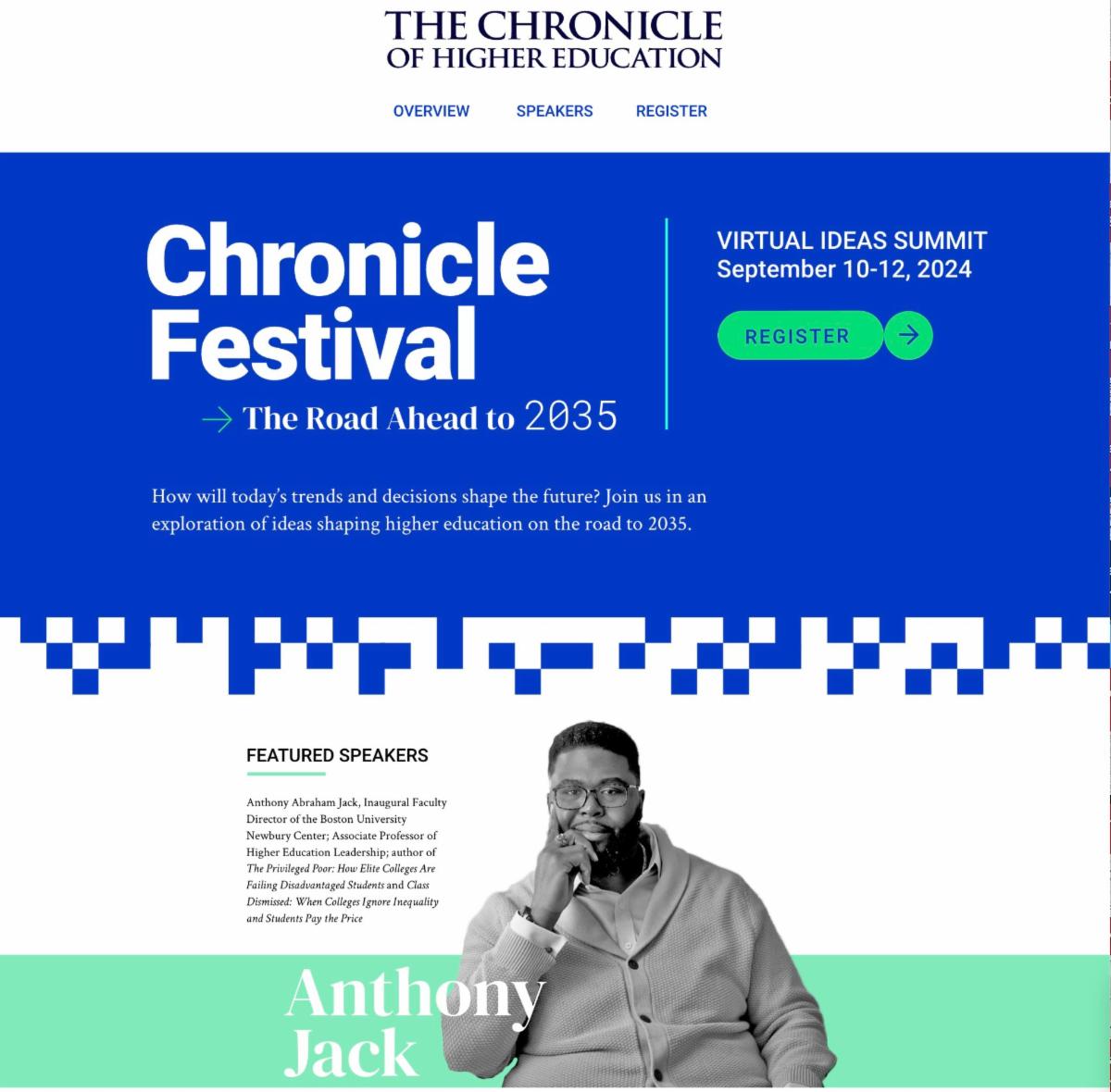
Chronicle Festival: The Road Ahead to 2035
Professors, administrators, researchers, and policymakers must plan now for student demographic shifts, rapid technological change, and an uncertain labor market. What can your institution do to adapt? Join your peers, Chronicle experts, and thought leaders for an exploration of the road ahead to 2035, at this year’s Chronicle Festival.
Register here.
| |
Featured Campus Resources | | |
Be Well Bruin
Share with students, add to your syllabus, add to your email signature! This website is a student-facing resource with an intuitive user design that allows students to easily find resources to support their physical, academic, emotional, financial, and social wellbeing. It also includes information on access to basic needs such as food, housing, childcare and transportation. This website is the result of a cross-campus initiative from multiple wellness organizations at UCLA.
Visit their website: https://bewellbruin.ucla.edu/ .
| |
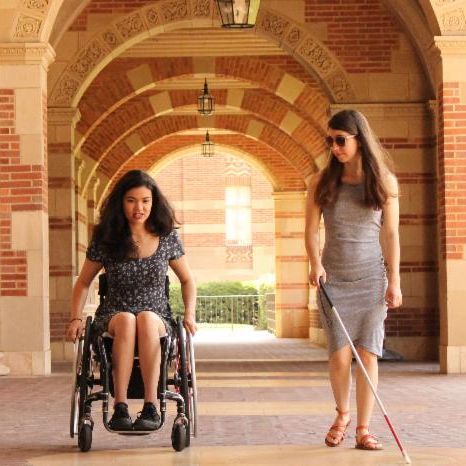
Disabilities & Computing Program
The mission of UCLA’s Disabilities and Computing Program at the Office of Advanced Research Computing is two-fold. The first goal is to facilitate the integration of adaptive computing technology into the areas of instruction, study, research, and employment at UCLA. The second goal is to make information – including electronic text and multimedia – accessible to all students, faculty and staff.
Click here to view their latest newsletter.
Visit their website: https://dcp.ucla.edu/.
| | |
Additional UCLA Training Events
Visit the following websites to view additional training events that support teaching and learning at UCLA:
| |  |
|
Bruin Learn Workshops
Join the BruinLearn Center of Excellence and register for the upcoming training events or watch recordings of previous sessions and select topics.
- End-of-Term Grading in Bruin Learn & MyUCLA
| |
|
For more information about CEILS events and resources, including a list of STEM education events from previous mailers, please visit the CEILS website at www.ceils.ucla.edu or stop by our CEILS office in 222 Hershey Hall. If you wish to be added to the CEILS mailing list for future newsletters and special announcements, please send your request to media@ceils.ucla.edu.
Please note, this monthly newsletter is circulated through many departmental listservs. Most other CEILS correspondence, including special event announcements and reminders, are sent to CEILS mailing list recipients only. If you have questions or have difficulty reading this newsletter, please email us at media@ceils.ucla.edu.
| | | | |