Smart Elevators Logo PDF Format-page-001.jpg

MAY 2024

Traction vs. Hydraulic

Unless you’re able to see the mechanics going on behind the scenes, it’s difficult to know which type of elevator you’re riding in. Each elevator type has a specific purpose and is designed for different kinds of transportation. The two most common types of elevators are traction and hydraulic. What’s the difference and how does it affect your building? Continue reading to learn more, including how to choose the best fit for your property. 

Visit Our Website

Differences Defined

Both traction and hydraulic elevators lift passengers and cargo, but they do it in very different ways.


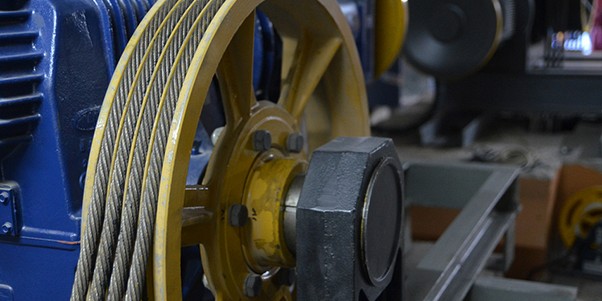
Traction elevators are raised and lowered by a system of cables and counterweights. While using steel ropes or belts over a deeply grooved pulley to pull the car up, a counterweight is used to balance the weight of the car and the passengers inside it. They are the most common type of elevator and can either be geared or gearless.


  • Geared elevators have a gearbox attached to the motor that turns the hoist sheave and moves the rope. They are driven by alternating current (AC) or direct current (DC) electrical motors and their maximum speed is 500 feet per minute.


  • Gearless elevators have a sheave that’s directly attached to the end of the motor. These models can reach speeds up to 2,000 feet per minute and can travel a great distance.


Hydraulic elevators are powered by a piston that travels inside of a cylinder. An electric motor pumps oil into the cylinder to move the piston, which then lifts the elevator car. The hydraulic fluid has traditionally been petroleum-based but can now be replaced with biodegradable fluid to decrease the environmental impact. Hydraulic elevators can either be holed or holeless.


  • Holed elevators require a drilled hole and the hydraulic cylinders are placed inside of the hole. As the fluid is pumped into the cylinder, the car rises. As the fluid returns to the reservoir, the car descends. This allows up to 60 feet of travel.


  • Holeless elevators don’t require a drilled hole and instead use a direct-acting piston to raise the car. These elevators are ideal for existing buildings or areas where drilling would be too difficult or expensive. The maximum travel distance is 40 feet. 
img-top.jpg

Machine-Room-Less (MRL)

Machine-room-less elevators, commonly referred to as MRL, are types of elevators that don’t require a machine room. They can either be traction or hydraulic. With MRL traction elevators, the hoisting machine is installed either on the top side wall of the hoistway or at the bottom. MRL hydraulic elevators have the machinery, which includes the pump, installed on the elevator pit.

Pros and Cons

istockphoto-1320270636-170667a.jpg

Traction Pros


·        Uses less energy

·        Smoother ride

·        High speeds 


Traction Cons


·        Typically more expensive

·        Harder to maintain 

istockphoto-1320270636-170667a.jpg

Hydraulic Pros


·        More affordable to install

·        Cheaper to maintain

·        Occupies less space

·        Can carry heavy loads 


Hydraulic Cons


·        Slow speeds

·        Uses more energy

·        Negative environmental

impact

·        Oil leaks can pollute

ground water

istockphoto-1320270636-170667a.jpg

MRL Pros


·        Saves building space

·        Uses less electricity

·        Slightly cheaper 


MRL Cons


·        Typically louder

·        Lower life expectancy of

equipment

·        Pit flooding may cause

motor damage


Overspeed Governors


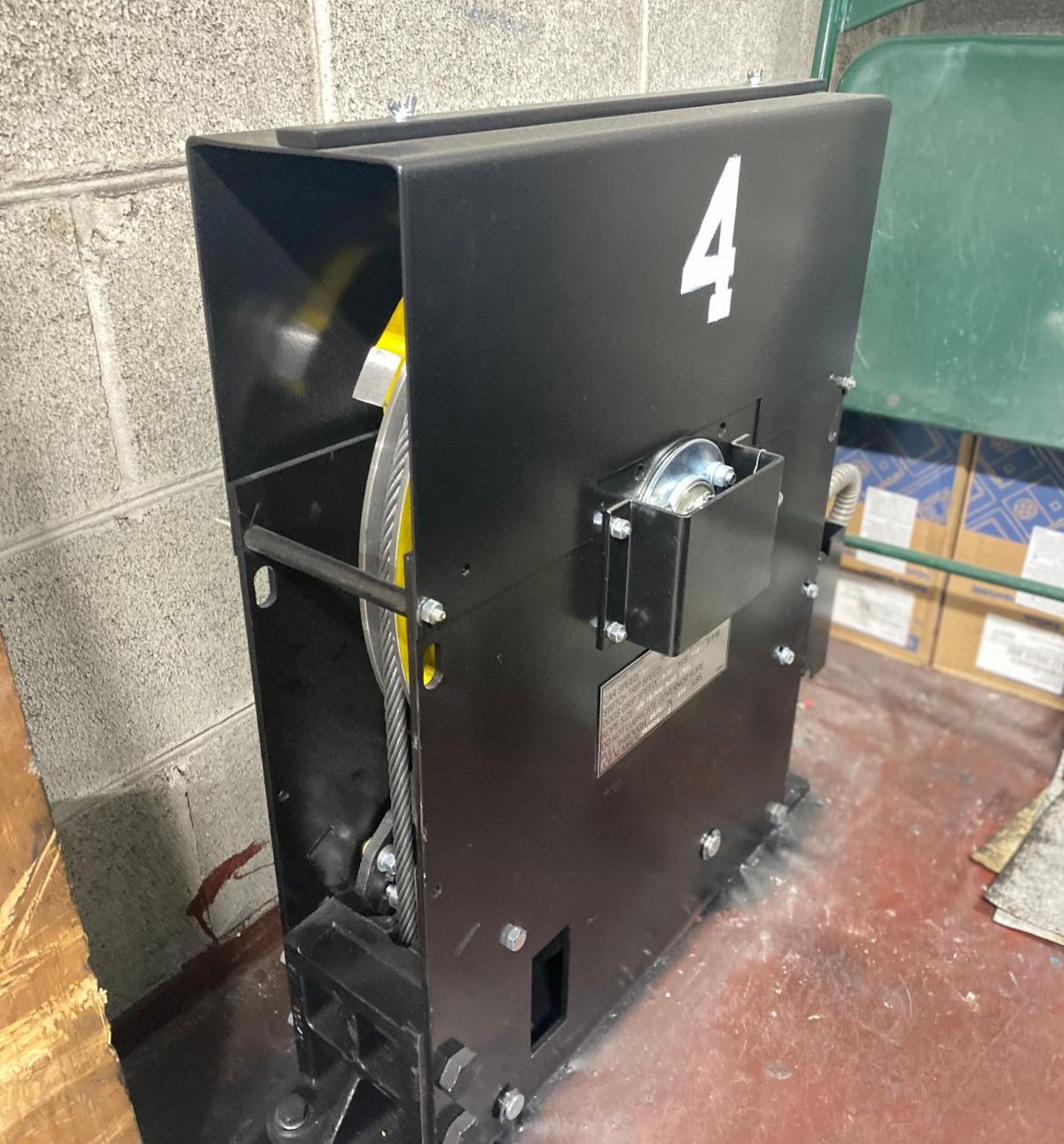
The overspeed governor is a device that stops an elevator in the event that it starts traveling beyond an acceptable speed. These are required in buildings with traction and roped hydraulic elevators.

sean-pollock-PhYq704ffdA-unsplash.jpg

Which One Is Right For Your Building?

After taking a look at the pros and cons of each elevator type, you might be trying to figure out which one is the best fit for your building. Your budget, the building’s available space, the number of floors and the building type are all important factors to consider. Hydraulic elevators are most commonly used in low to mid-rise buildings, as they’re slower and take a lot of energy to raise. Traction elevators are the best fit for high-rise buildings, as they operate at great speeds, travel great distances and consume less energy (especially gearless as the maximum travel distance is 2,000 feet per minute). If you’re low on building space, MRL elevators might be something to consider as well.


The best and easiest way to ensure your elevator meets all of your requirements is by working with a professional. If you have an upcoming elevator installation or replacement, our team can work alongside you to make sure you choose the one that makes the most sense for your building, space, budget and design concept. 


2024 IREM Awards

Are you registered for the 2024 IREM Premier Awards at the Drake Hotel in Chicago? Join us Friday, May 10th from 6:30 PM - 11:30 PM to celebrate and recognize excellence in property management. 

Register Now
Smart Elevators Logo PDF Format-page-001.jpg

630-544-6800

info@smartelevators.com

Request a Bid

//CONNECT WITH US//

Facebook  LinkedIn  Instagram