|
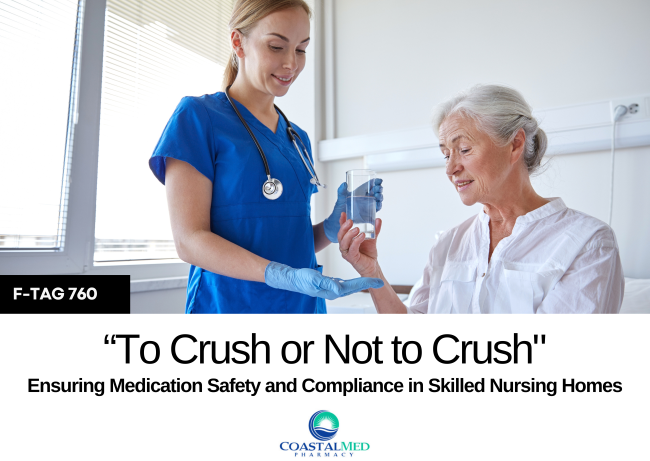
Understanding the criticality of medication safety in skilled nursing facilities, especially in the context of crushing medications, is key. While the practice of crushing medicines is necessary for patients with swallowing difficulties, it's crucial to be aware of the significant risks and regulatory considerations involved.
With the newly introduced Qualified Medication Aides (QMAs) in skilled nursing facilities across Florida, the discussion around their role and the additional training and competencies required becomes crucial when it comes to risks and safety considerations with crushed medications. Whether by residents' personal choice or medical necessity due to dysphagia, some residents require their medications to be modified for oral administration, highlighting the potential risks and responsibilities involved in this aspect of medication administration.
This modification to oral medication administration underscores the importance of having a facility-specific, robust medication administration policy and procedures to ensure the safety and well-being of all residents. While federal and state law may permit the QMA to administer crushed medications under the general supervision of a licensed nurse, each skilled nursing center must determine if delegating this task is appropriate for the safety and well-being of its residents. If a facility has residents with higher acuity, it may decide not to have QMAs administer these medications at this time.
This article provides essential insights to consider to help your facility effectively and safely manage this critical issue:
Understanding the Risks
1. Altered Drug Efficacy: Crushing medications can change the way drugs are absorbed, leading to reduced effectiveness or increased side effects.
2. Dosage Accuracy: Ensuring the correct dosage when a medication is crushed can be challenging, potentially leading to under-dosing or overdosing.
3. Safety Concerns: Some medications, such as extended-release drugs, are designed to release slowly over time. Crushing these pills can result in a dangerous immediate release of the drug. Severe and fatal reactions due to the inappropriate administration of crushed medications have been documented and reported in the literature (https://pubmed.ncbi.nlm.nih.gov/14519033/).
4. Specific Medications Not to Crush: Certain medications, including enteric-coated drugs, which are coated to reduce stomach irritation, sustained-release drugs like Wellbutrin XL or Adderall ER, and opioid drugs are all examples of medications that should not be crushed due to their specific formulations.
5. Risk of Citations: Non-compliance with CMS guidelines for crushing medications can lead to citations under §483.45(f)(2), emphasizing the importance of adhering to proper procedures.
Best Practices for Administering Crushed Medications
1. Consult with Pharmacists: Always seek guidance from a pharmacist before crushing any medication to ensure safety and explore alternative forms if necessary.
2. Check the Manufacturer Instructions: Facility leaders and the nurse administering the medication must first refer to the medication’s prescribing information or package insert to determine if a particular medication can be crushed. If instructions indicate not to crush, alternative approaches or documentation are required to justify deviations.
There are two exceptions that facility staff can follow to avoid a citation under §483.45(f)(2) if an alternative approach is unavailable:
- The clinical record must include documentation by the prescriber of the medication or the pharmacist as to why the crushing of the medication will not adversely affect the resident and the training or education to the facility staff on pertinent adverse effects that should be closely monitored for in the resident.
- The facility staff can provide literature that is readily available from the medication manufacturer or from a peer-reviewed health journal explaining why crushing the medication in its original dosage form will not compromise the resident's safety and care. Documentation in the resident's medical record should include references to the literature.
3. Administer Crushed Medications Separately (if possible): Combining crushed medications may result in physical and chemical incompatibilities, leading to an altered therapeutic response.
In some instances, the ability to administer medications separately may not be appropriate for a resident. When these situations arise, the facility should incorporate the resident, resident's family member or representative, attending physician, and consultant pharmacist to ensure a person-centered, individualized approach to administering each medication. The resident's preferences, safety, medication schedule, functional ability, and needs should be assessed and incorporated into the resident's care plan.
To avoid a citation under §483.45(f)(2), it is important that a Do Not Crush Medication physician order not be in place in the resident's medical record.
4. Administer crushed medications with food:
It is essential to adhere to current diet consistency orders when administering medications with food. For example, crushed medications should not be administered to residents on a pureed diet in peanut butter.
Alternatives to Crushing Medications:
1. Liquid Medications: Whenever possible, use liquid formulations of medications to avoid the need for crushing.
2. Alternative Dosage Forms: Consider alternative dosage forms such as patches, dissolvable tablets, or injections that may be more suitable for patients with swallowing difficulties.
Ongoing Considerations for Regulatory Compliance and Safety
1. Education, Training, and Competencies: Education is critical, especially when it comes to patients and medication safety. Review the current staff education plan and initial and annual medication administration competencies to determine what modifications are needed to ensure the staff is equipped to administer medications including crushed forms safely.
2. Policy and Procedure Review: It is important to conduct a periodic review of the facility’s medication administration policies and procedures to confirm that they align with current best practices and regulatory requirements, including any changes in the facility's assessment.
If considering adding the QMAs, modifications to current policies and procedures will be required, including clear guidelines on tasks the QMAs are permitted to perform.
3. Conduct ongoing audits: Review current medication administration practices to identify and address potential issues before they lead to citations. Focus on any residents with exceptions for crushed medications, and ensure the resident's medical records, including care plans and physician's orders, are up to date and compliant with regulatory requirements. Any potential issues identified during the audits should be included in a facility's QAPI plan.
4. Foster Open Communication: Encourage an environment of open communication where staff can report concerns or errors without fear of reprimand. This transparency helps identify and correct issues promptly.
Conclusion
By following these guidelines, skilled nursing facilities can enhance medication safety, minimize the risks associated with crushed medications, and ensure compliance with regulatory standards. This structured approach supports the safe administration of medications and upholds the highest care standards for residents, particularly with the evolving role of QMAs.
References:
https://www.cms.gov/medicare/provider-enrollment-and-certification/guidanceforlawsandregulations/downloads/appendix-pp-state-operations-manual.pdf
Crushed Tablet Considerations for Patients with Dysphagia (https://www.ncbi.nlm.nih.gov/pmc/articles/PMC10511598/#CR30)
Avoid the crush: hazards of medication administration (https://https://pubmed.ncbi.nlm.nih.gov/15795404/)
Fatality from the administration of labetalol (https://pubmed.ncbi.nlm.nih.gov/14519033/)
|