This fall, redouble our efforts to
teach against racism

 
DC Protest
Source: Bill O'Leary,  The Washington Post.

White supremacists are once again on the march, trying to exploit the anniversary of the violence in Charlottesville to regroup their racist movement. This past weekend right-wing neo-Nazis marched in Portland, Oregon, and Berkeley spewing hate and encouraging violence. On August 12, far-right demonstrators plan to congregate in Washington, D.C., for a despicable "White Civil Rights Rally," put together by one of the main organizers of the racist demonstrations in Charlottesville.

But just like last year, the emboldened right-wing is only part of the story. From Portland to D.C., thousands are mobilizing counter-protests and standing up to racism and bigotry. In D.C. the Amalgamated Transit Union (ATU) successfully prevented a plan to provide separate trains for white supremacists by refusing to operate them. ATU Local 698 released a statement noting that, 

More than 80 percent of Local 689's membership is people of color, the very people that the Ku Klux Klan and other white nationalist groups have killed, harassed, and violated. The union has declared that it will not play a role in their special accommodation.

From the streets to the classroom, the resurgence of far-right racism unleashed by Trump's election must be confronted. To help teachers in this endeavor, the Zinn Education Project will continue to post new lessons throughout the year on the impact of racism and popular movements to combat it. 

For now, we re-post a column written by Zinn Education Project Organizer Adam Sanchez last year in response to the violence in Charlottesville. As teachers return to the classroom this fall, we need to redouble our efforts to teach the history of racism and the struggles against it. As Local 689's statement makes clear, knowing this history helps us take informed action today.
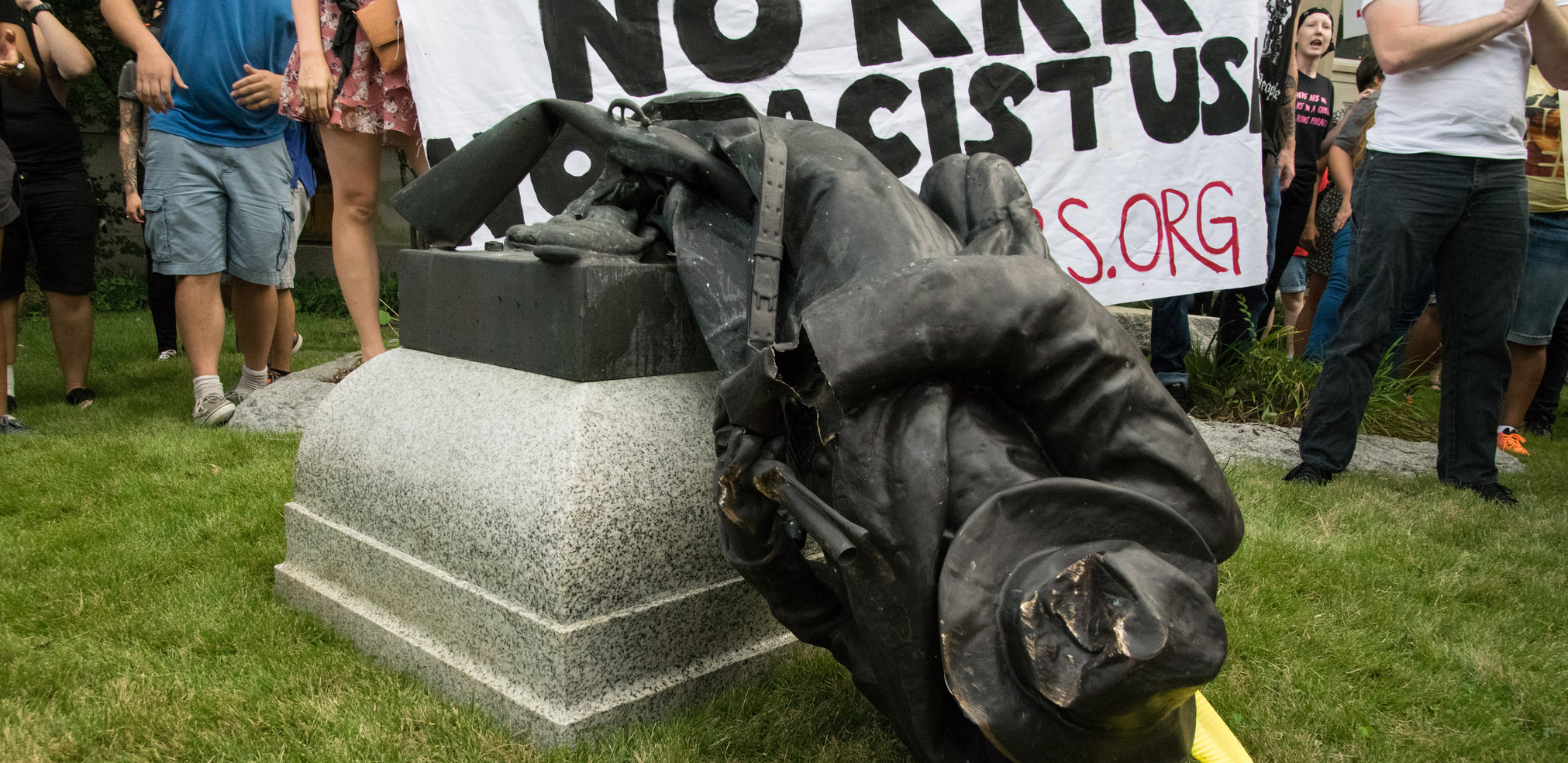
Confederate statue in Durham_ N.C
Confederate statue in Durham, N.C. toppled by activists in August 2017.  Photo by Rodney Dunning.
 
Taking the Fight Against White
Supremacy into Schools

By Adam Sanchez

As a history teacher, there are times when the past reasserts itself with such force that you have to put aside your plans and address the moment. Charlottesville is one of those times. The image of white supremacists openly marching in defense of a Confederate general, viciously beating and murdering those who are protesting their racism ---- is an image we hoped had died with Jim Crow. That this image is not a relic of the past, is a reality that teachers and students must face as they return to the classroom in the coming weeks.

Read More

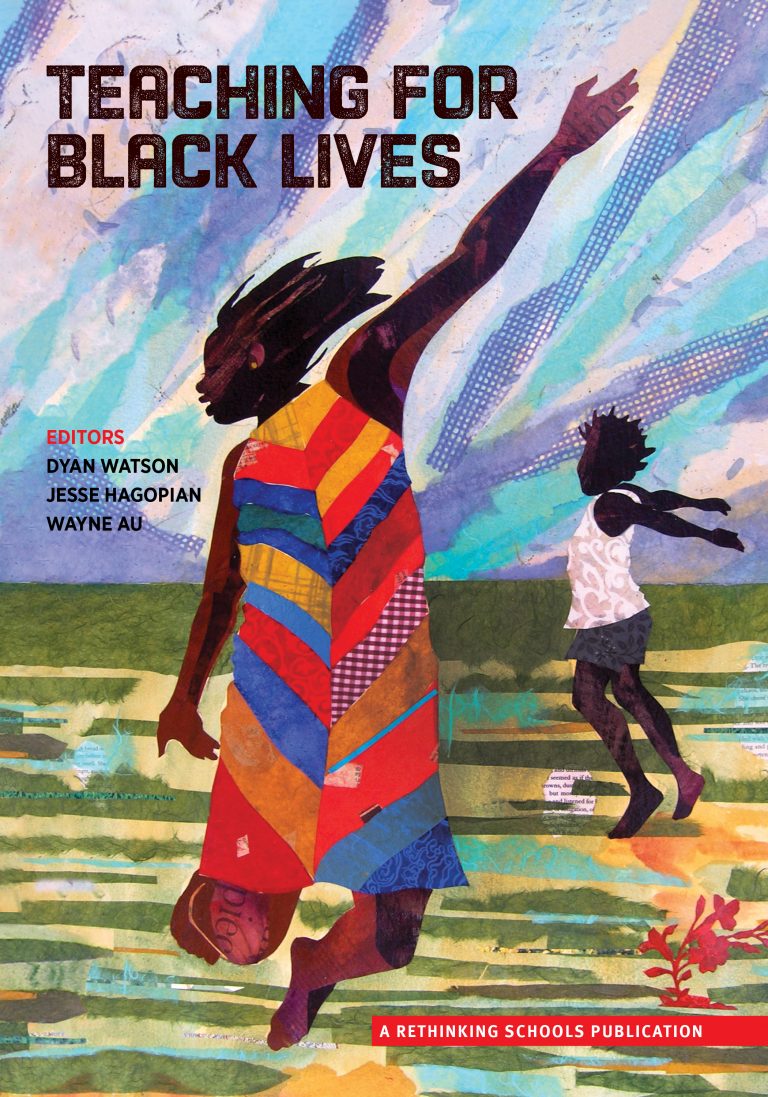
Teaching for Black Lives

Teaching for Black Lives

Edited by Dyan Watson, Jesse Hagopian, and Wayne Au

Essays, teaching activities, role plays, poems, and artwork, designed to illuminate, the movement for Black students' lives, the school-to-prison-pipeline, Black history, gentrification, intersectional Black identities, and more.

Read more

Teach Reconstruction

Teach Reconstruction

Reconstruction, the era immediately following the Civil War and emancipation, is full of stories that help us see the possibility of a future defined by racial equity. Yet the possibilities and achievements of this era are too often overshadowed by the violent white supremacist backlash.

We offer lessons for middle and high school, a student campaign to make Reconstruction history visible in their communities, and an annotated list of recommended teaching guides, student-friendly books, primary document collections, and films.

Read more

 
Zinn Education Project - Stacked logo 
 
COORDINATED BY:
 
 
Rethinking Schools logo
 
&
PO BOX 73038, WASHINGTON, D.C. 20056 
202-588-7205 | zinnedproject.org

ZEP Donate Now 
STAY CONNECTED: