|
This Labor Day, explore the emergence of worker cooperatives and employee-owned businesses and the history of organized labor with this selection of documentaries from the Bullfrog Films catalog.
From the pivotal role that cooperatives played in the organic food and agriculture movements of the 1960s and 1970s, to present-day examples of successful worker-owned businesses across the US and Canada, these films take a deep dive into the nuts-and-bolts of running cooperatives and the uniformly positive impact they have on local economies and workers' rights.
These films are available on DVD and DVD+DSL from Bullfrog Films. Academic streaming can be licensed from Docuseek. Campus and community groups interested in hosting in-person or virtual screening events can book screenings through Bullfrog Communities.
| |
|
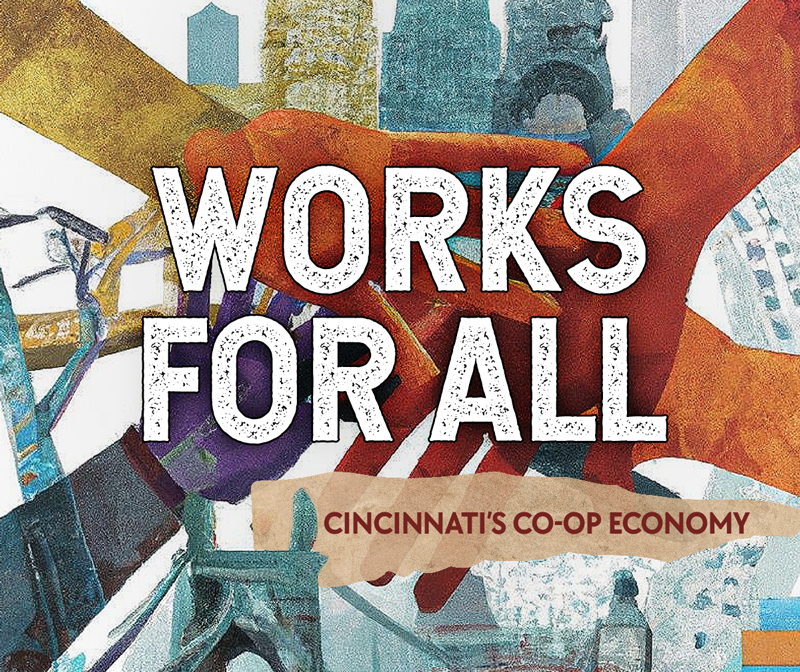
"The Cincinnati union co-op movement should be an inspiration to everyone looking for what racial and economic justice looks like in practice. Black workers, immigrants, women, youth, and working people shut out by corporations are nurturing a solidarity economy in Southwest Ohio. Works For All provides us with a glimpse of beautiful stories from these communities, stories I think we will look back on as seeds for what came next."
—Esteban Kelly, Executive Director, US Federation of Worker Cooperatives
| |
Cincinnati is a historic city just across the Ohio River from Kentucky in the heart of the American Midwest. Since 2011, it has been home to Co-op Cincy, a non-profit that partners with individuals and organizations to develop worker-owned businesses, create family-sustaining jobs, and build an economy that works for all. Works For All visits several of the diverse worker-owned cooperatives affiliated with Co-op Cincy—many of them led by people traditionally marginalized in the US economy—and shows Co-op Cincy's remarkable efforts to provide training and support for these businesses. The product of an international partnership between Spain's Mondragon Corporation, the world's largest workers cooperative, and the United Steelworkers union in the US, Co-op Cincy is proving that a thriving network of cooperative businesses can have significant, beneficial impacts on local economies and quality of life. | |
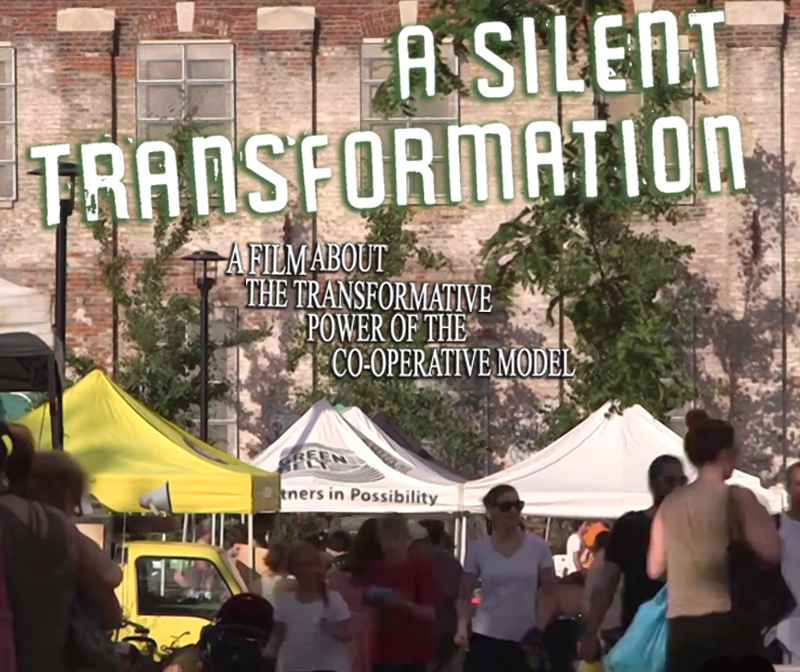
The cooperative movement was built by people who took on the responsibility for their collective well being in the face of government neglect, economic exclusion and cultural discrimination. As the modern economy increasingly denies vast sectors of the population basic amenities, this cooperative spirit is as critical as ever. A Silent Transformation sets out to explore the innovative self-help efforts of different communities across the Canadian province of Ontario. By addressing their needs collectively, they are helping to regain the radical vision of cooperation. | |
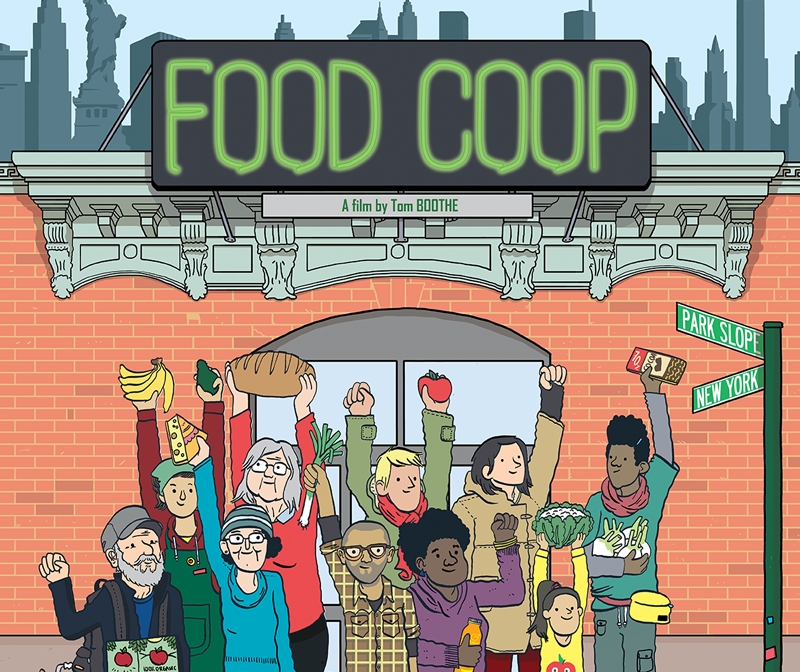
Nestled deep in New York City, which, for many, exemplifies both the glory and the horrors of the capitalist spirit, you can find the Park Slope Food Coop, a highly prosperous institution, just as American and certainly more efficient than Wall Street, but whose objective is entirely non-profit. Working against everything that defines "The American Way of Life," each of its 16,000 members work 2.75 hours per month to earn the right to buy the best food in New York at incredibly low prices. Founded in 1973, this Brooklyn institution is probably the most successful example of economic democracy in the United States. Food Coop is a thoroughly entertaining, behind-the-scenes exploration of this inspiring and very practical enterprise. | |
It’s 2012 in New York City. In a bustling bakery café on the Upper East Side, a team of undocumented workers endure low wages, dangerous conditions, and abusive managers. Among them is Mahoma López, a mild-mannered sandwich-maker who decides to rally his coworkers and fight back. As they risk deportation and their livelihoods, the bakery workers receive guidance and support from the non-profit Laundry Workers Center and take the unusual step of forming an independent union, launching themselves on a path that will test the limits of their resolve. In a fortuitous turn of events, the workers are joined in their fight by passionate young activists from the Occupy Wall Street movement, sparking a fierce battle for hearts and minds that plays out with battling lawyers, protests inside the restaurant, and a community divided by a picket line. | |
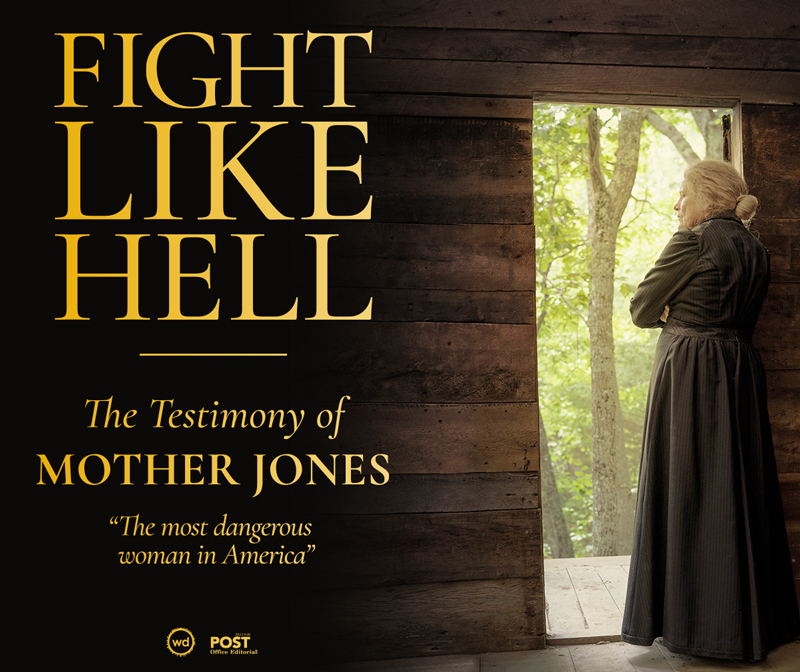
Mary Harris Jones was a poor Irish immigrant who survived famine and war, fire and plague. Unable to save her husband or their four small children, she dedicated her life to saving working families everywhere. The robber barons called her “the most dangerous woman in America,” but workers called her “Mother Jones.” She educated, agitated, and organized the dispossessed and showed America what it could be. Drawn from her autobiography, letters, speeches, and interviews, Fight Like Hell - The Testimony of Mother Jones is as bold and forceful as Mother Jones herself. Adapted from Obie Award-winning Actress Kaiulani Lee’s one-woman play “Can’t Scare Me,” Fight Like Hell was written and performed by Lee and directed by Emmy-nominated and Peabody Award-winning filmmaker Ian Cheney. | |
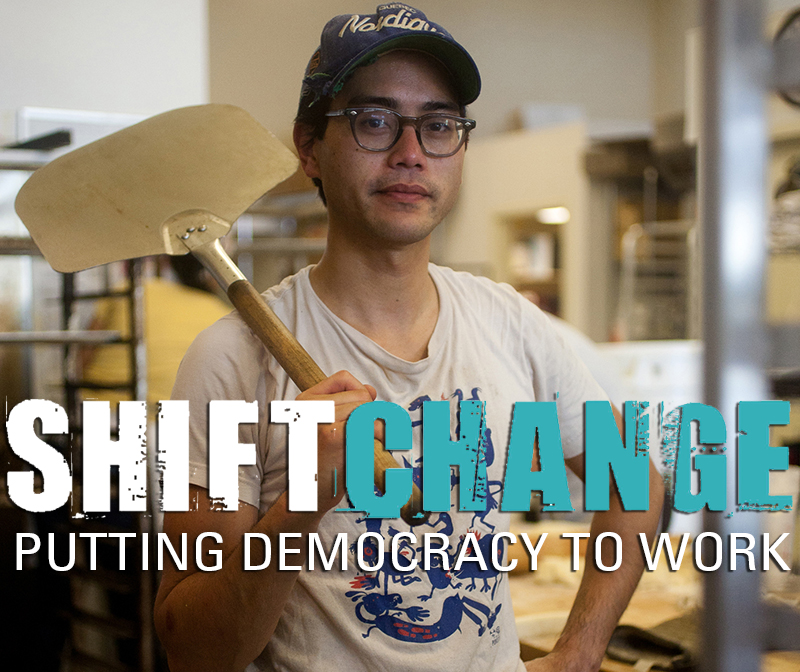
Shift Change: Putting Democracy to Work investigates employee-owned businesses across the US that provide secure, dignified jobs in democratic workplaces even in today’s economic crisis. Features businesses include featured the Evergreen Cooperatives of Cleveland, Arizmendi Association of Cooperatives, San Francisco, and Equal Exchange, Boston. The film also gives viewers a detailed look at Mondragon Cooperative Corporation. Begun in the 1950s, the Mondragon co-ops have transformed a depressed area of Spain into one of the most productive in Europe with a high standard of living and an egalitarian way of life. They are owned and managed by their workers. | |
Bullfrog Films is the oldest and largest publisher of documentary films about the environment in the United States. We define "environment" broadly, and our catalog includes programs on ecology, energy, agriculture, indigenous peoples, women's studies, genetics, marine biology, sustainable development, community regeneration, economics, ethics, and conflict resolution. | | | | |