August 17, 2023

NUCLEAR SAFETY | ABOUT | PROGRAMS | DONATE | SUBSCRIBE


Defending The Ocean

"Dilution is not

the solution."


— Bart Ziegler, PhD

President, Samuel Lawrence Foundation

As World Water Week begins Sunday, we draw attention to infuriating behavior by the nuclear industry, which discharges radioactive water into the sea from San Onofre to Japan.


The industry's handling of nuclear material should not come at the expense of the environment and human health.


Join us in telling regulators, policy-makers and industry officials that dilution is not the solution.

Fukushima Wastewater

Japan approves discharge of radioactive wastewater.

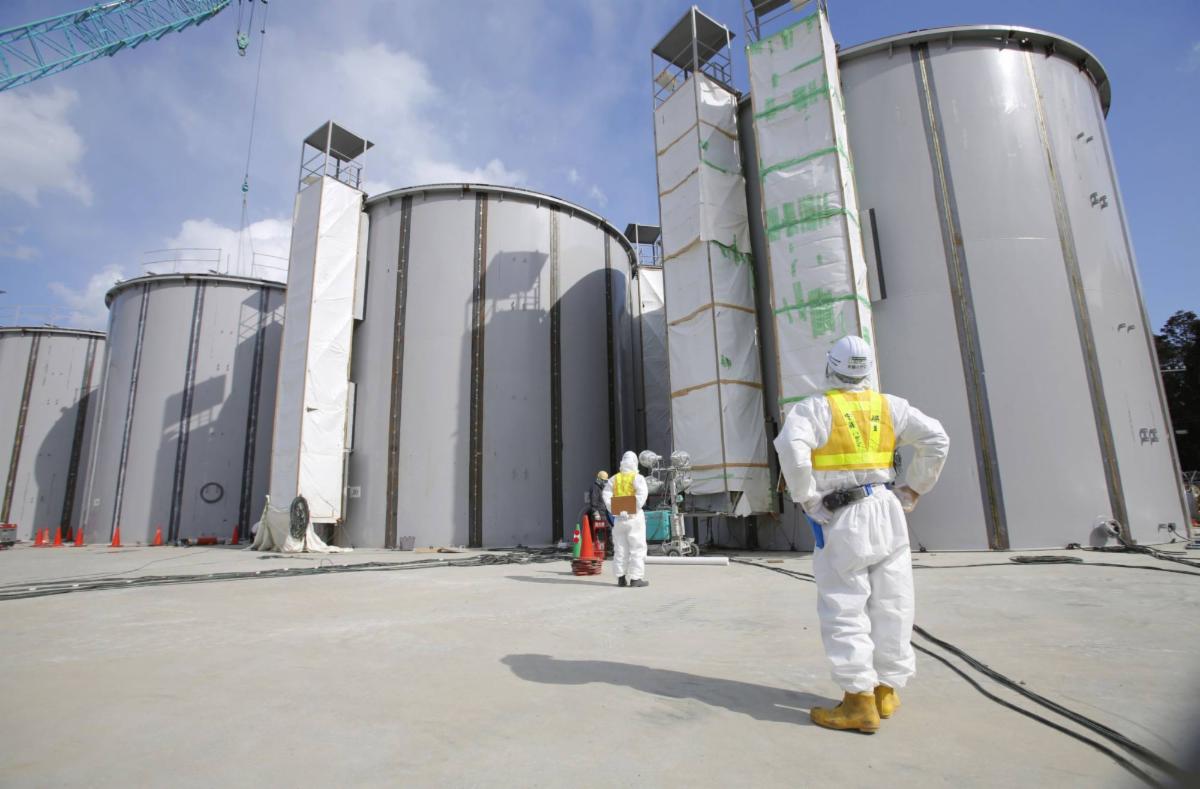
Wastewater tanks at Fukushima (Bloomberg)

We are appalled by a Japanese company's plans to dump radioactive wastewater from the Fukushima nuclear disaster into the ocean later this month.


The quarter-billion gallons of wastewater, enough to fill more than 500 Olympic pools, has accumulated in towering tanks that are reaching capacity. Tokyo Electric Power Company Holdings could begin discharging the tanks into the sea later this month, according to news reports.

In 2011, an earthquake and tsunami triggered meltdowns that contaminated surrounding water with highly-radioactive material.


We share in the outrage of activists in Japan, China and South Korea.


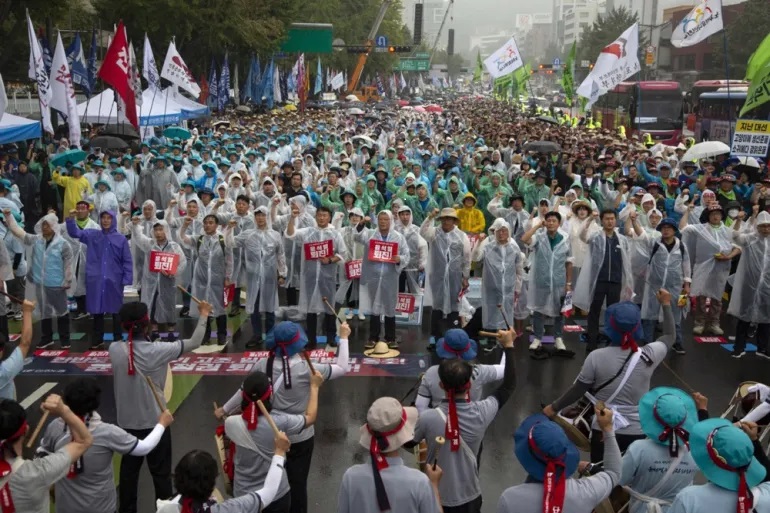
Protestors in Seoul (Jeon Heon-Kyun/EPA)

"The sea is not just for the Japanese government," said Choi Kyoungsook of Korea Radiation Watch, "but for all of us and for mankind."


While the Japanese government says the water is safe, we object to any release of radionuclides — especially tritium — into the ocean.


We stand by our refrain that dilution is not the solution.


Related Articles:


Inside the Fukushima nuclear plant 12 years after catastrophic meltdown PBS News Hour, Aug. 16, 2023


Hundreds rally in S Korea against Fukushima wastewater release plan Aljazeera, Aug. 12, 2023


More data needed before ocean release of Fukushima water Japan Times, Aug. 26, 2022

San Onofre Wastewater

A discharge in July adds to billions of gallons of released over decades.

Southern California Edison continues to violate our shoreline with discharges of radioactive wastewater.


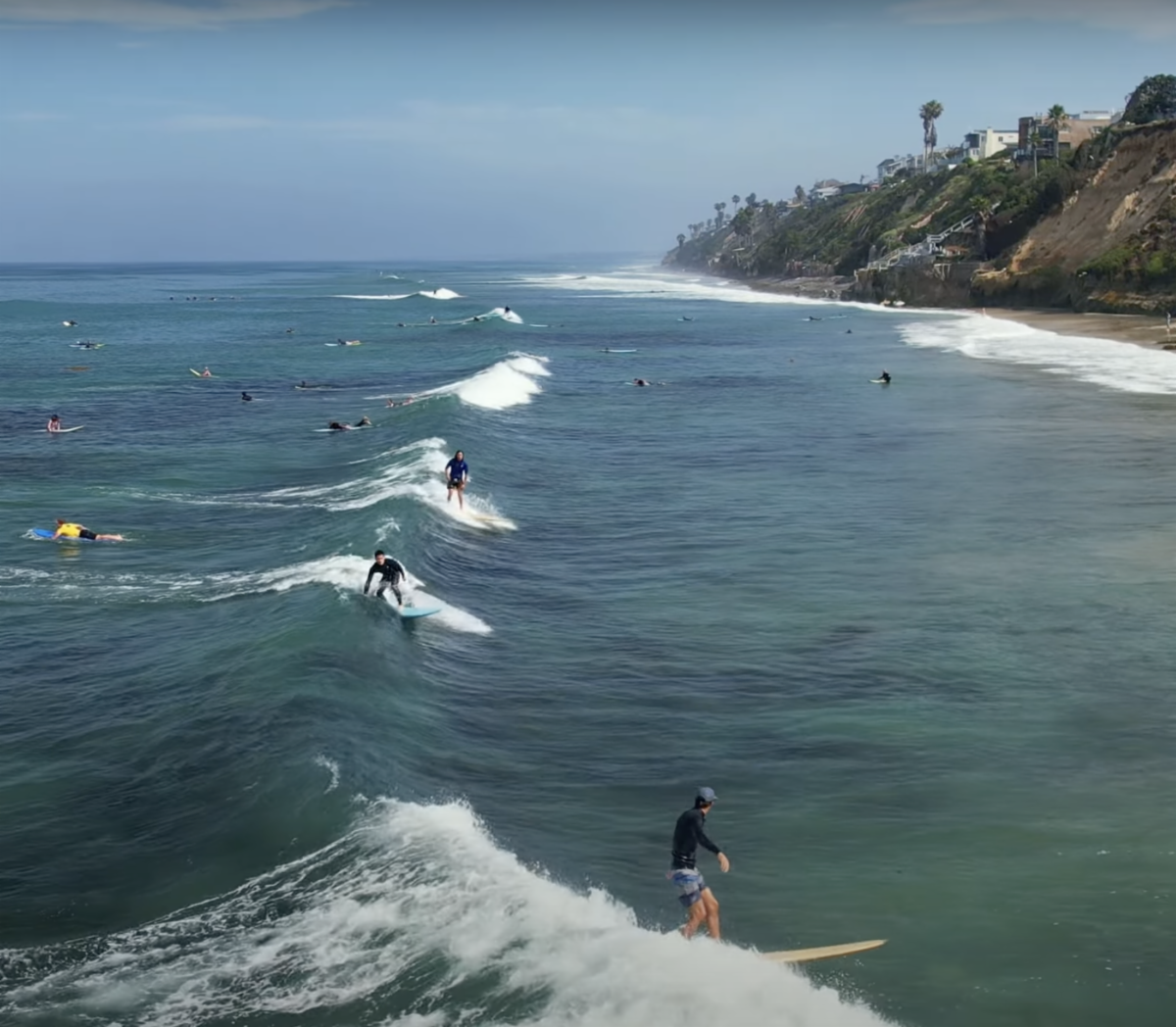
The most recent, on July 27, released more than 119,000 gallons into the sea near San Onofre's world-famous surfing beaches.


According to U.S. NRC reports, Edison released more than 150 billion gallons of wastewater during one, 10-year period.


More exposure means more cancer risk. Radioactive particles are the most deadly contaminants on the planet. After decades' worth of discharges, the contaminants don't just go away. Dilution is not the solution, especially when it comes to the environment and our health.

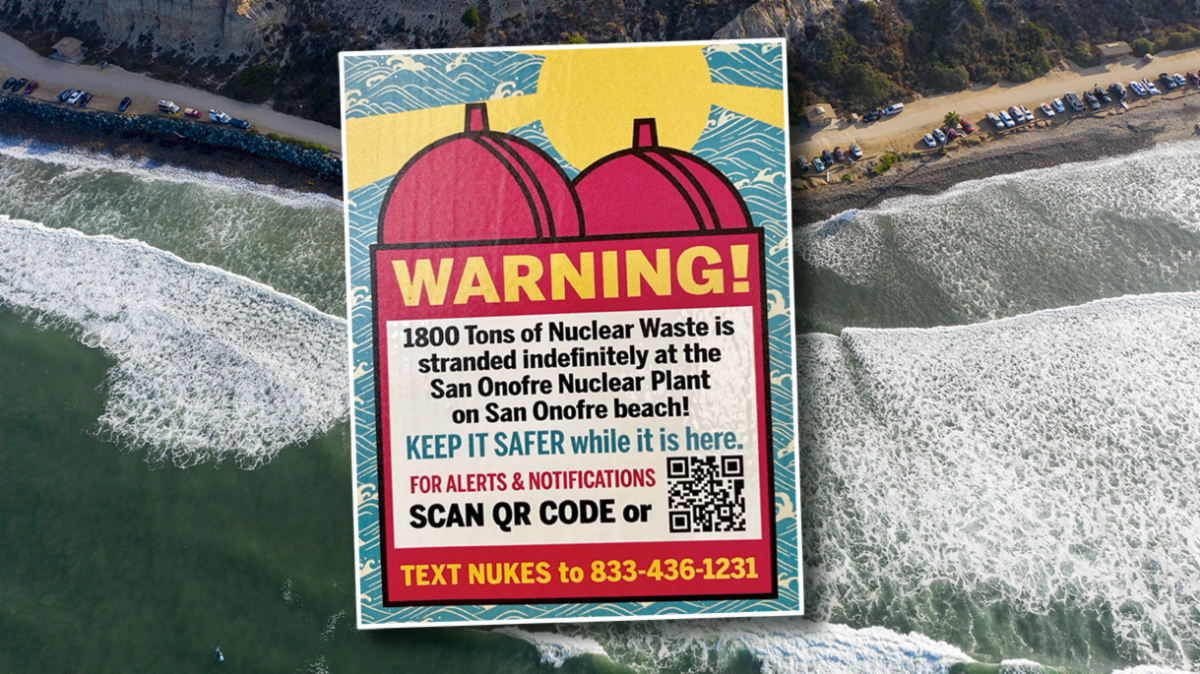
Did you know that Southern California Edison is storing 3.6 million pounds of highly-radioactive waste 100 feet from the ocean at San Onofre?

Sea Collective Surfing Contest

Sea Collective is compiling data to expand marine protected areas.

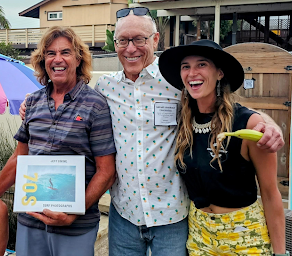
Thanks so much to the great people of Sea Collective for hosting a surfing contest and after party July 29 in Encinitas. Sea Collective is on a mission to compile a data and expand marine protected areas. It was our pleasure to support the group's fundraiser and distribute information about discharges of radioactive water at San Onofre.


Our giveaways included delicious, potassium-rich bananas with this message: Bananas take about a month to decompose but nuclear waste remains deadly for more than 100,000 years.

  Sea Collective Website  

"Not a Dumping Ground"

High school swimmer muses on her relationship with the sea.

By Tatiana Dorrestein


As an open-water swimmer who has grown up on the coast of California,  I have always held the ocean in a special place in my heart. From its colorful aquatic life to its deep blue waters that can be seen stretching out for miles, the ocean is a beautiful and intricately complex ecosystem which needs to be cherished and preserved.

Open Full Story

Tatiana Dorrestein, 17, attends University City High School.

Currents

Accelerating the Renewable Era

  Watch Video  

Watch Blue Planet Alliance founder Henk Rogers, Tetris pioneer, and Stanford Professor Mark Z. Jacobson discuss a sustainable future with clean, renewable sources of energy. This live discussion is part of the Samuel Lawrence Foundation's monthly "First Fridays" webinar series. Moderated by Brooklyn Story Lab CEO Lance Gould.

SLF Reviews Oppenheimer

  Open Review  

Times of San Diego has published our Oppenheimer review, which discusses how nuclear horrors continue today, especially in regard to nuclear waste management.

NRC Approves Reckless Rule

Days ago, the U.S. Nuclear Regulatory Commission (NRC) ruled to remove requirement for offsite emergency plans. Dr. Edwin Lyman at the Union of Concerned Scientists says the rule is reckless.

Open Statement

Thank you!

Today is National Nonprofit Day.

Aug. 17 is National Nonprofit Day. You make our important work possible. On this and every other day we thank you for your support.

   Donate   


      Copyright © 2023

    Samuel Lawrence Foundation

      All rights reserved.


   Our mailing address is:

     P.O. Box F, Del Mar, CA 92014, USA


Email us at:

admin@samuellawrencefoundation.org


Thank you for supporting the Samuel Lawrence Foundation. Your gift, of any size, makes our

programs and advocacy possible.

Click here to make a donation


Donate to SLF when you shop on Amazon


View this email as a Webpage

Facebook        Twitter        Instagram        YouTube        Email