| President's Corner | Other Societies and Organizations | | International Geomechanics Conference News | Employment Opportunities | | Upcoming Conferences with Calls for Abstracts | Funding Opportunities | | Showcase of the Month | Benefits for ARMA Members | | Student Chapters | How to Contact ARMA | | Technical Committees | How to Support ARMA | | Future Leaders' Corner | Sponsor's Corner | | Lectures and Courses |
| | |
Chief Editor of this Issue: Yao Huang | |
|
Morning traffic was heavy. Unusual for my tame, almost small-town commute in Pittsburgh. I decided to wait it out.
I had two things on my mind. One was the topic I will get to in a minute. The other was self-organized criticality, the branch of physics research that became well-known in the late 20th century and was the topic of a book that fascinated me in my free time reading during graduate school. Somehow they seemed to relate.
In How Nature Works: The Science of Self-Organized Criticality, physicist Per Bak wrote eloquently and audaciously about how self-organized criticality surrounds us. While sparking both deep thought and sharp debate, the work impacted my outlook in one very important way. That outlook seemed to be relevant to ARMA, but I needed to figure out how to articulate it.
For me, the most memorable experiment summarized in “How Nature Works” is the now-classical sand pile experiment. Because of the aforementioned traffic keeping me at home for an extra hour, I decided to repeat the experiment in my kitchen. I found a bag of dried black beans. I laid a towel on the countertop and poured out a small pile. Then I started carefully placing the beans so the pile was growing as tall as possible compared to its lateral extent. I kept gently dropping beans. Usually a few beans would move, slide, take a tumble. Sometimes five or ten other beans would be swept along. Many small events and a few medium-sized events occurred. And then it happened, the moment that Bak’s book prepared me for. A single bean dropped, same as before, but this time a side of the mound slid, maybe fifty beans all set in motion by a single event. Dropping a bean would usually generate a small avalanche, but it could also generate medium and large avalanches. Many sizes of outcomes from the same driving event.
In his book, Bak summarized the early literature to argue that certain granular materials under carefully-controlled experimental conditions generate power-law distributions of avalanche sizes. This indicator of underlying scale-invariance is something that has been argued by its proponents as a hallmark of self-organized criticality. Not wishing wade into the debates about the universality of the theory to capture other power law distributed phenomena, I am going to take a sharp turn from physics to the lesson the sand pile experiment taught me about life and leadership. Over the past two decades it has become a guiding principle. It is this:
“Look for the potential energy and see what happens if you drop a bean.”
I used to say “if you drop a grain”. But after this morning’s experiment, I like “bean” better.
The point is this. A pile of sand, or beans, is much more than meets the eye. To understand its physics is to focus not on what is seen, but what is unseen. It is to realize the pile is brimming with potential energy. And while we cannot see the potential energy, we can profoundly experience its effects. Drop another grain on the pile, mobilize some movement, and anything can happen. The energy is already there, it just needs a nudge.
Transitioning to the second thing that was on my mind, let me drop a bean, and let’s see what happens. The bean is this:
Entrepreneurship.
That word struck me afresh through two conversations I had on the second day of the Symposium in June. One was with an ARMA Fellow, the other with an early career scientist. Both spoke passionately about what they are building and have built through the companies they have founded.
The next morning, I made my way to the exhibit hall. Then it hit me. So many of our exhibitors started their companies or work for companies that are relatively young, often still with the founders involved in day-to-day operations. This is neither new nor declining. Many of ARMA’s fellows and senior members are entrepreneurs and their companies comprise part of the fabric of rock mechanics and the vessels for achieving impact in rock engineering practice. At the same time, early and mid-career members, too, are launching companies or going to work for company founders. Companies new and old, large and small, all pointing to the same conclusion:
Entrepreneurship is core to rock mechanics and it is foundational to ARMA’s past, present, and future.
Remove entrepreneurship from the history of rock mechanics and the loss would be immeasurable. Because of this centrality of entrepreneurship to rock mechanics, we must ask ourselves how ARMA can serve its members who are future, present, and past company founders. How can ARMA be the place where the lessons of experience can be passed from successful entrepreneurs to the next generation who will establish the newest wave of companies, mobilizing investment, and driving the impact of rock mechanics on rock engineering practice? How can ARMA be the place where a company founder can drop a bean into a community full of potential energy because great things might happen?
ARMA is and always will be its members. To lead within ARMA is to empower all of us to be ARMA. So, there is no proposal here for a top-down initiative in entrepreneurship. However, I want to drop a bean, just to see what happens. Maybe there is some potential energy, ready to be mobilized. Maybe there is a group of past, present, and future company founders who resonate with ARMA growing in our role as a home base for rock mechanics entrepreneurship. Maybe there is a community with a passion to help us better serve our small businesses and to catalyze the next generation of entrepreneurs. Maybe there are some who are ready to take the lead. If so, it would be great to hear your thoughts (info@armarocks.org) so we can seed a network of colleagues who are ready to help ARMA grow in this area, moving us forward in our shared mission to advance rock mechanics into its most impactful future.
| |
Sincerely,
Andrew Bunger, PhD
President, American Rock Mechanics Association
| |
59th US Rock Mechanics / Geomechanics Symposium | |
8-11 June 2025, Santa Fe, New Mexico
The American Rock Mechanics Association invites you to its 59th US Rock Mechanics / Geomechanics Symposium to be held in Santa Fe, New Mexico, USA, on 8-11 June 2025. The technical program will focus on theoretical advances and innovative applied research in rock mechanics and geomechanics. Technical tours and field trips are planned. Short courses and workshops will be held prior to the symposium. Travel companion activities will be available during the symposium. Program details will be provided on the symposium website as they become available.
| |
International Geomechanics Conference News | |
|
International Geomechanics Conference: the Role of Geomechanics in Sustainability and Energy Efficiency
Hosted by PETRONAS and co-organized by nine professional societies ARMA, DGS, SEG, SPE, AAPG, SPWLA, CSRME, EAGE, and SRMEG, IGS 2024 will continue to foster interdisciplinary connections, and drive transformative advancements in #geomechanics research, practice, and education. Technical Program Chair - Tan Chee Phuat of Malaysia and Ausama Giwelli of Australia invite you to exchange your geomechanics knowledge and experience on Nov 18 -20 in Kuala Lumpur. Abstract topics include:
🔸 CO2 Sequestration and Utilization
🔸 Subsurface Hydrogen and Energy Storage
🔸 Fundamental Geomechanics
🔸 Petroleum Geomechanics
🔸 Geomechanics for Geothermal & New Energies Systems
🔸 Geotechnics and Environment
🔸 Mining Rock Mechanics
| |
Upcoming Conferences with Calls for Abstracts | |
|
American Geophysical Union (AGU) 2024
The annual meeting of AGU will be held in Washington, D.C. between 9-13 December, 2024. The theme of this conference is “What’s Next for Science.”
There will be a special sessions titled "Mining-induced seismicity: challenges in monitoring, modeling, managing, and related risks"
Click here for more details.
|
|
SPE Workshop: Geomechanics Applications in Unconventional Reservoir Development (spe-events.org)
In today's dynamic energy landscape, unconventional reservoirs stand as a vital and enduring resource. Yet, unlocking their full potential demands capital efficiencies and environmental stewardship. Join us 15–16 October in Galveston, Texas to explore the synergy between geoscience, engineering, geomechanics, and unconventional reservoirs. Learn more go.spe.org/_40409-0908p
Join us for the SPE workshop to explore the synergy between geoscience, engineering, geomechanics, and unconventional reservoirs as we focus on reaching the full potential of this pivotal resource shaping the future of the dynamic energy landscape. Learn more go.spe.org/_40409-0908p
|
|
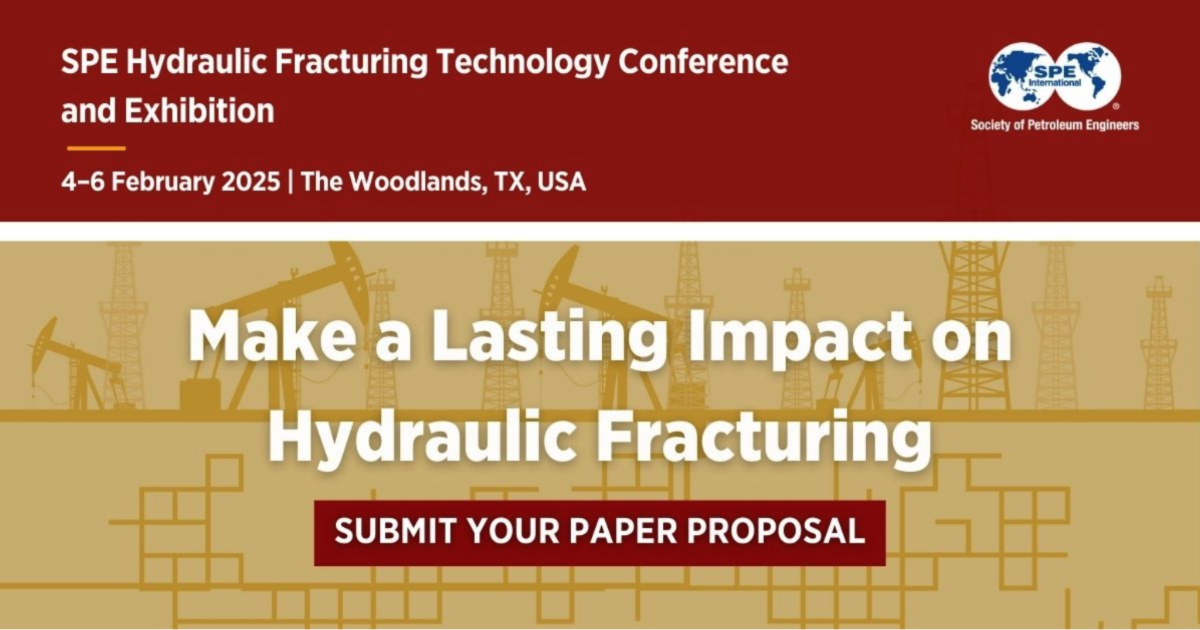
2025 SPE Hydraulic Fracturing Technology Conference and Exhibition
This conference will be at the forefront of hydraulic fracturing innovation. This eagerly anticipated event will convene industry pioneers from around the world to explore groundbreaking developments and best practices in hydraulic fracturing.
The conference will take place between 4-6 February 2025 at The Woodlands Waterway Marriott Hotel & Convention Center at The Woodlands, Texas, USA.
There will be a special ARMA session in this conference. We cordially invite you to attend HFTC as well as the special ARMA session.
| |
|
GeoProc 2025
The 8th International Conference on Coupled THMC Processes: Geomechanics for Energy and Environmental Applications will be held in Nicosia, Cyprus between 20-23 October 2025. The conference will address the role of multi-scale, coupled THMC processes in geo energy extraction and storage and protection of subsurface environment.
Click here for more details.
| |
Comparison of fully-coupled and sequential solution methodologies for enhanced geothermal systems
| |
|
Bruce (2021) presents the first such comparison of monolithic and sequential solution schemes for the modelling of EGS wells. A custom thermo-hydro-mechanical finite element model for an EGS well connected by planar fractures is developed along with two monolithic schemes; one using the Newton–Raphson iterative method and another using the Newton–Raphson iterative method modified by Aitken’s 𝛥2 relaxation method.
The sequential solution schemes are shown to provide optimal rates of convergence with respect to mesh and timestep refinement and converge to the same solution as the monolithic solution schemes, verifying the results of both methodologies and previous modelling efforts. It is demonstrated that the sequential solution schemes are computationally more expensive than the monolithic schemes when seeking well-converged solutions. The loosely-coupled scheme demonstrates an optimal rate of convergence with mesh and timestep refinement, but is also shown to be much less accurate than the other schemes.
Gee, B., & Gracie, R. (2021). Comparison of fully-coupled and sequential solution methodologies for enhanced geothermal systems. Computer Methods in Applied Mechanics and Engineering, 373, 113554.
| |
Please tell us what you think should be featured here next month using news@armarocks.org. Thank you! | |
|
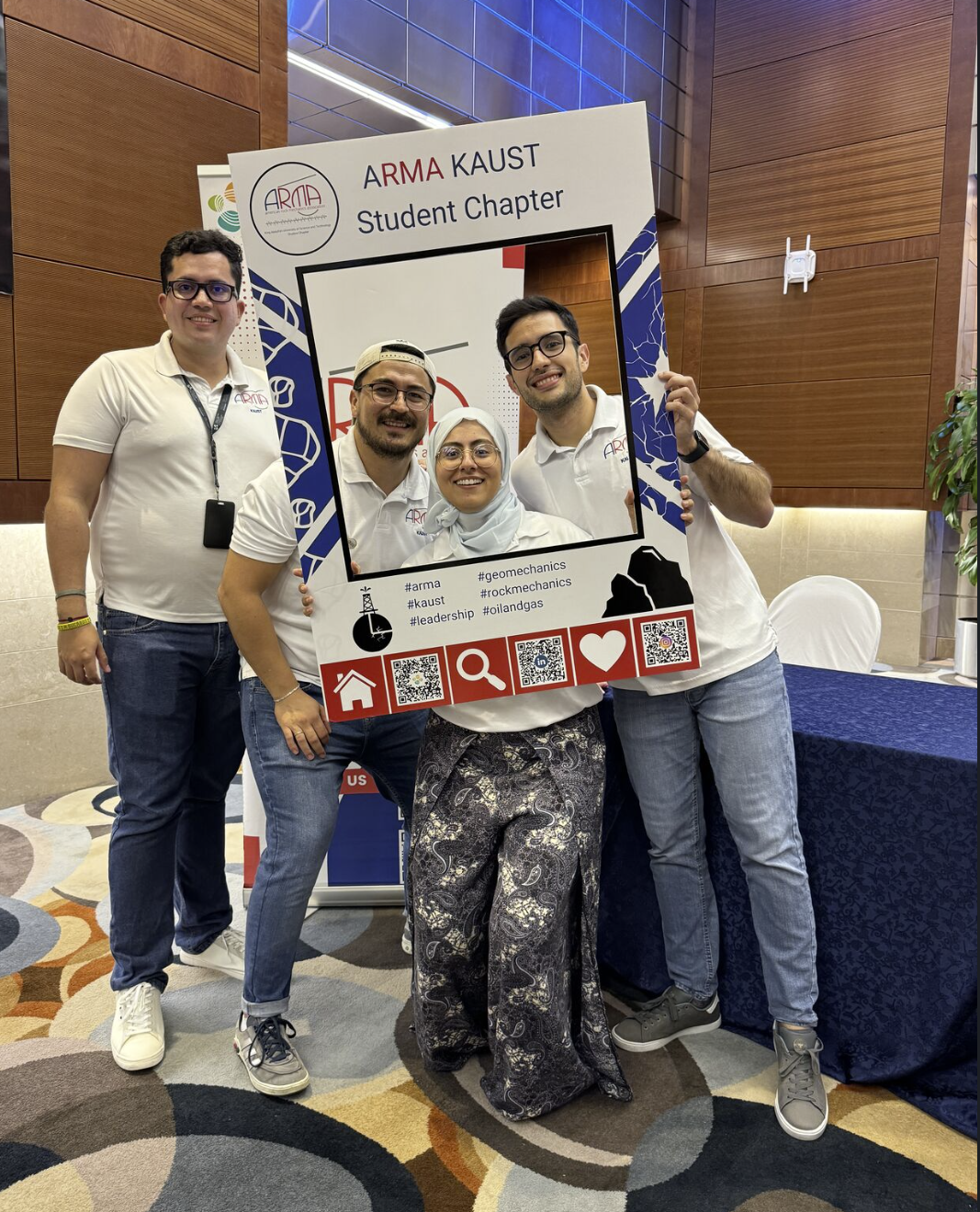
KAUST - ARMA Student Chapter
What an Amazing Day!
A big thank you to all the new students who joined us at the KAUST Orientation Expo! The ARMA Student Chapter had a fantastic time meeting all and sharing our passion for rock mechanics and geomechanics.
Welcome to the KAUST family, and we can’t wait to see what you’ll achieve with us!
| |
|
|
WASADE - ARMA Student Chapter
Our chapter hold or participated in the following three events from March 2023 to February 2024.
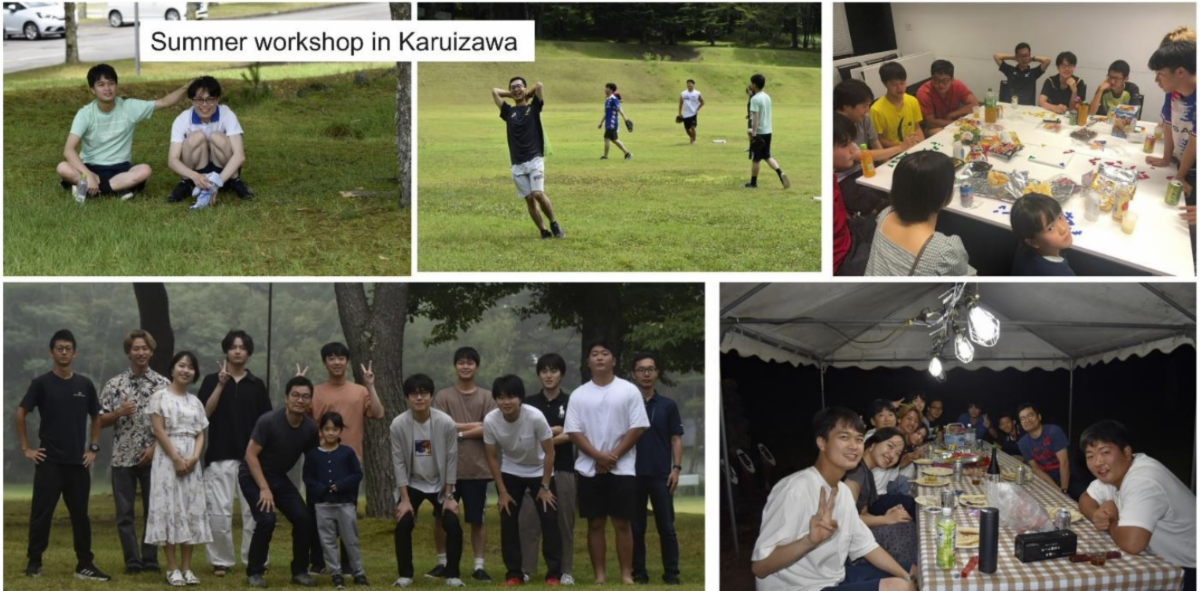
Summer workshop (August 2023). In August, we held a three-day Summer Workshop in Karuizawa, Nagano, a well-known summer
retreat in Japan. During this event, nine Student Chapter members presented their research work. In addition to the academic presentations, members engaged in various activities such as baseball, soccer, basketball, and a barbecue, fostering camaraderie among participants. This event heldsuccessfully promoted both academic and social interaction.
| |
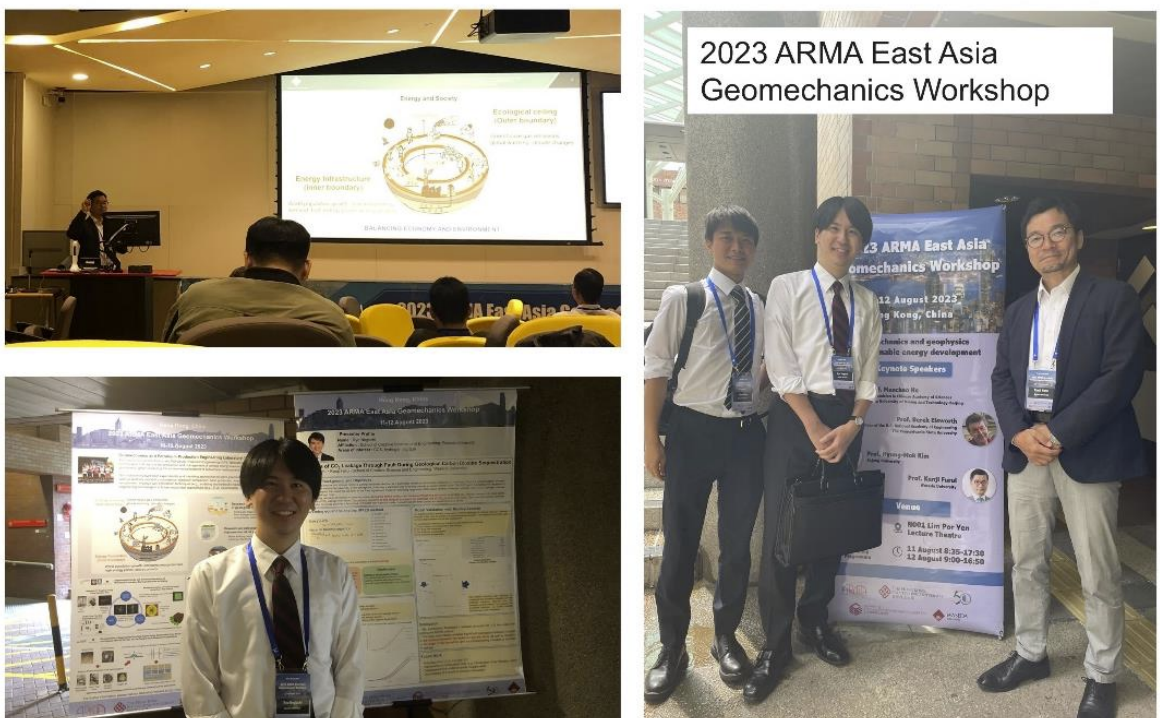
WASADE - ARMA Student Chapter Participation in 2023 ARMA East Asia Geomechanics Workshop (August 2023). Ryo Noguchi, Satoshi Ito, and Kenji Furui attended the 2023 ARMA East Asia Geomechanics Workshop held in Hong Kong. Ryo Noguchi presented a poster titled "Analysis of CO2 Leakage through Faults during Geological Carbon Dioxide Sequestration," while Kenji Furui delivered a keynote presentation on "Perspectives of Oil and Natural Gas Development and Geomechanics Related Issues in Geological CO2 Storage." Through presentations, poster sessions, and group lunches and a dinner, we were able to engage and network with various researchers and students. | |
|
UT - ARMA Student Chapter
The ARMA UT Austin Student Chapter is excited to introduce their newly elected board members for the 2024-2025 term! These passionate and dedicated individuals are ready to lead the chapter and elevate various initiatives. Join us in congratulating:
💼 President: Mohamed Awad
📚 Vice President: Karem Al-Garadi
📣 Public Relations Officer: Mohammad Aldaihani
📝 Secretary: Graciela López Campos
💰 Treasurer: Arun Sathyanath
| |
|
Hydraulic Fracturing
-
Contact the TC Chair
-
See our webinars on YouTube!
-
Past Online seminars could be found via https://hfc.armarocks.org/hydraulic-fracturing-seminar-series/
- Next seminar by Dr. Jon McKenna, a geological engineer at MicroSeismic, Inc. He will speak on Thursday, September 5, 2024. The topic is “Applied Microseismic Monitoring.”
| |
Underground Storage and Utilization
| |  |
Induced Seismicity
- Contact the TC Chair
-
See our webinars on YouTube! They are normally held biweekly so please contact the TC Chair for the most current schedule.
| |
|
ARMA Future Leaders Program
Dear ARMA Members, Student Chapters, and other affiliates,
Future Leaders aim to launch collaborations on various research, practice, and educational projects among different or similar organizations (universities, companies, and government).
To know more about this ARMA group’s work and exchange ideas, join us online every other Friday from 9:00 to 10:00 AM US Mountain Time for an excellent lecture on emerging topics.
| |
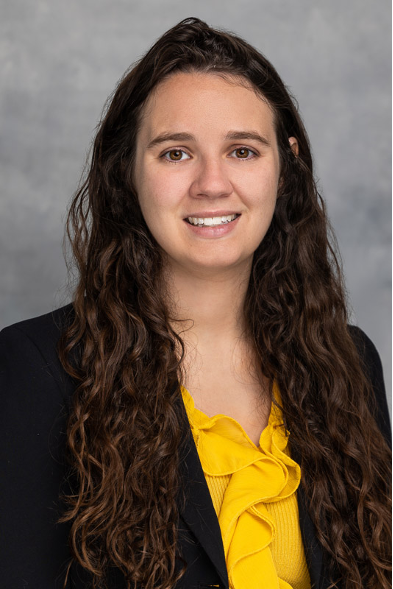
September 13t: Dr. Xiaorong Li of China University of Petroleum (Beijing) will present "Full Lifecycle Cement Sheath Integrity of CCUS Wells" | | |
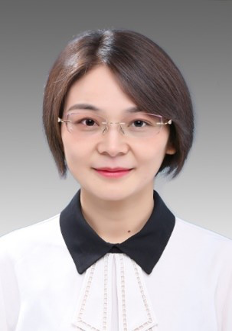
September 27: Dr. Isabella West of WSP USA will present "Evaluating the Accuracy of Bonded Block Models for Prediction of Rockmass Analog Mechanical Behavior" | | |
Other Societies and Organizations | |
|
European Association of Geologists and Engineers (EAGE)
Event highlights:
-
ECMOR 2024. Oslo, Norway, 2–5 September 2024
-
SGI - SIMP Congress. Bari, Italy. 3–5 September 2024
-
Near Surface Geoscience Conference & Exhibition 2024. Helsinki, Finland, 8–12 September 2024
-
First EAGE Workshop on The Role of AI in FWI. Cartagena, Colombia, 12–13 September 2024
-
Eighth EAGE High Performance Computing Workshop. KAUST, Saudi Arabia, 16–18 September 2024
-
Fourth EAGE Conference on Pre-Salt Reservoir. Rio de Janeiro, Brazil, 17–19 September 2024
| |
International Society for Soil Mechanics and Geotechnical Engineering (ISSMGE)
Event highlights:
-
4th International Conference of International Society for Intelligent Construction (ISIC 2024). Orlando, USA, 10-12 September 2024
-
77th Canadian Geotechnical Conference and the 16th Joint CGS/IAH-CNC Groundwater Conference. Montreal, Canada, 15-18 September 2024
-
Nordic Geotechnical Meeting - NGM 2024. Göteborg, Sweden, 18-20 September 2024
-
IS-Grenoble 2024: International Symposium on Geomechanics from Micro to Macro. Grenoble, France, 23-28 September 2024
-
XXI Brazilian Congress of Soil Mechanics and Geotechnical Engineering. Balneario Camboriu, Brazil, 24-27 September 2024
-
The 4th International Symposium on Risk Assessment and Sustainable Stability Design of Slopes (ISRASSDS-Toronto 2024). Toronto, Canada, 29 September-4 October 2024
-
5th European Conference on Physical Modeling in Geotechnics. Delft, Netherlands, 2-4 October 2024
| |
Society for Mining, Metallurgy & Exploration (SME)
Event highlights:
| | |
|
Society of Petroleum Engineers (SPE)
Event highlights:
-
SPE Workshop: Carbon Storage and Management. Kuala Lumpur, Malaysia, 3-4 September 2024
-
SPE Workshop: Improving Recovery Factors in Onshore Fields. Natal, Rio Grande do Norte, Brazil, 4-5 September 2024
-
SPE International Health, Safety, Environment and Sustainability Conference and Exhibition. Abu Dhabi, UAE, 10-12 September 2024
-
SPE Workshop: Holistic Approaches to Understanding Water Management, Injection, Production and Disposal in a Low Carbon Economy. Rio de Janeiro, Brazil, 10-12 September 2024
-
SPE Workshop: Heating Up Geothermal Innovation and Development in Canada. Calgary, Alberta, Canada, 17-18 September 2024
-
SPE/IADC Managed Pressure Drilling and Underbalanced Operations Conference and Exhibition. Rio de Janeiro, Brazil, 17-18 September 2024
-
SPE Workshop: Adaptive Approach in Integrated Reservoir Modeling and Simulation in the Age of Digitalization. Kuala Lumpur, Malaysia, 18-19 September 2024
-
SPE Annual Technical Conference and Exhibition. New Orleans, Louisiana, USA, 23-25 September 2024
| |
Association of Environmental & Engineering Geologists (AEG)
Event highlights:
| |
American Association of Petroleum Geologists (AAPG)
Event highlights:
| |
International Society for Rock Mechanics and Rock Engineering (ISRM)
Event highlights:
| |
|
University of Utah
The University of Utah's geotechnical engineering program is pleased to announce three open Ph.D. positions starting fall of 2024. These positions will delve into various research areas through a combination of experimental and computational studies:
- Multi-physics and multi-scale behavior of granular materials and jointed rocks
- Wave propagation in heterogeneous geomaterials
- Non-destructive evaluation of fractures
We invite MS graduates in Civil Engineering, Mechanical Engineering, and Geophysics who meet the following qualifications and reside in the United States to reach out to Dr. Shahrzad Roshankhah at Shahrzad.roshankhah@utah.edu or Dr. Kami Mohammadi at kami.mohammadi@utah.edu.
Required qualifications:
- Strong quantitative background (BS and MS Technical GPA>3.5),
- Excellent verbal and written English communication skills,
- Strong in programming and Finite Element Analysis, or image analysis and operating laboratory transducers.
Equally crucial, we are actively seeking individuals who embody qualities such as curiosity, enthusiasm, diligence, ethics, tenacity, and professionalism to contribute to the vibrant and collaborative environment of our research teams.
| |
Open Pit Mining Geotechnical Engineer
Here is a new on-site role and an opportunity to learn from a great team what it takes to be a valuable, technical practitioner for maintaining safe highwalls while optimizing slope angles.
Northeastern Nevada has year-round activities and abundant 4-season outdoor adventures for your balanced lifestyle.
Apply now! https://lnkd.in/ge8BdG9w
| |
National Central University, Taiwan
Offers a 36-month fully funded postdoctoral fellowship (which can start in August 2024) in the Fault-Zone Geology Lab (https://fzgl-liweikuo.com/), which can be evaluated annually in years 4 and 5 with a possible extension to July 31, 2029. The applicant must hold (or be about to receive) a Ph.D. degree in Earth Sciences, Civil Engineering, or Computer Engineering (with numerical modeling capability).
The successful candidate will participate in a joint research project between our department and Academia Sinica (Taiwan) on the faulting process under liquid, vapor, and supercritical conditions for water and brines and the associated physical and chemical property changes within fault zones. The postdoctoral position will focus on laboratory rock mechanics also for medium- to high-enthalpy geothermal reservoir characterization during hydroshearing in the upper crust. These laboratory-scale experiments will provide information for the safe exploitation of deep reservoirs for geothermal energy production purposes, e.g., the Taiwan Tatun volcano. Experiments will be conducted with dedicated low to high-velocity rotary shear apparatus, integrated with microanalyses (e.g., SEM, micro-Raman etc.). The laboratory work will be based at NCU, but the project will include close collaboration with colleagues at Academia Sinica (Taiwan) and the University of Padua (Italy; with prof. Giulio Di Toro). The project team will include graduate students, postdocs, research associates, and senior staff from these institutions, including a comprehensive mentoring plan with opportunities for career development. Candidates with laboratory experience and interests in rock physics, geothermal energy, thermodynamics, and numerical simulations are strongly encouraged to apply. During the project, the postdoc will interact with researchers from different fields, and open-mindedness and communication skills are strongly recommended.
Contract information
Salary: The gross salary is at least TWD 63,000 per month before taxes. The cost of living is relatively low compared to the US and EU.
Please contact Li-Wei Kuo (liweikuo@ncu.edu.tw) to answer questions regarding this opportunity.
| |
Benefits for ARMA Members | |
|
As a "Thank You" to our paid ARMA members, your active membership provides you with the following:
-
Reduced registration rates for ARMA symposia
-
Complimentary access to ARMA Letters
-
Complimentary access to ARMA papers in OnePetro to all paid symposium registrants
- Student grants program
AND
-
ARMA is partnering with several societies in unique ways that include workshops, coordination of feature sessions, short courses, and reciprocal exhibit-booth space. The organizations include:
| |
|
Click on the topic to learn more about these exciting initiatives!
| |
|
Please consider donating to and sponsoring our programs. Your generosity helps ARMA to better serve its members worldwide.
The American Rock Mechanics Association Foundation (ARMA Foundation) is a 501(c)(6) tax-exempt charitable sister organization to the American Rock Mechanics Association.
| | | |
|
Thanks to all who have supported our activities! | | | | | |
Opt In for ARMA!
If you or a colleague haven't already opted-in, please do so and indicate if you are a student (undergrad, grad) or currently an ARMA Member.
If you have already opted-in, you can update review your email preferences via this link.
| | | | | |