|
This summer has been quite the hot potato. Across Texas, we experienced a record-breaker in terms of drought and high temperatures. This fact, also coupled with the fact that many of us became indoor and outdoor plant parents, made for a frustrating situation involving frequent watering, frantic internet searches, and—in some sad cases—dead plants.
But not every plant dies in extreme heat or without water. Some wither, some wane, and yet still—some thrive. What makes the difference?
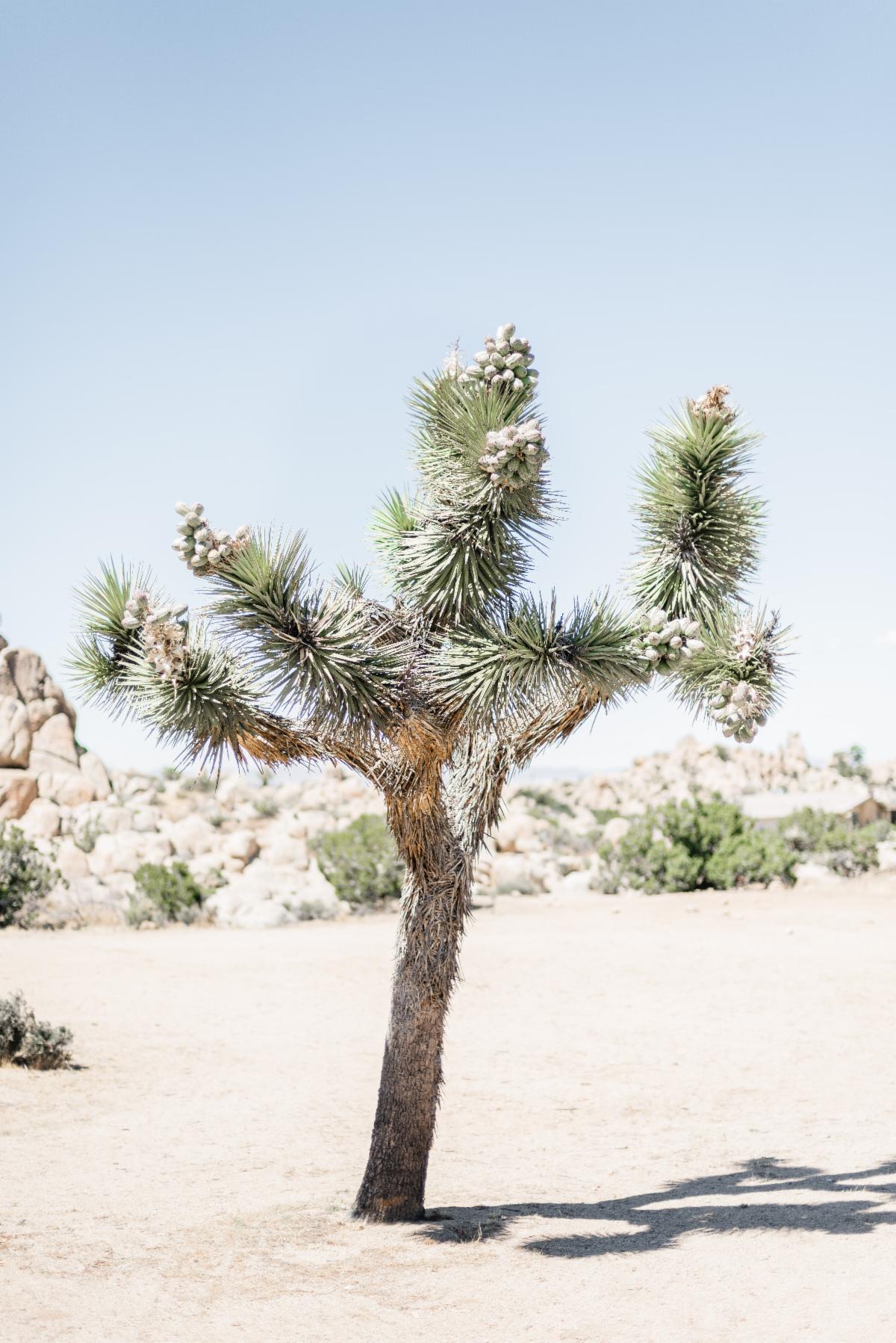
The magic ingredient in the ability of a plant to survive in extreme weather is not grit or even a super complex root system. In many cases, it’s the ability to adapt. Okra, for example, is considered drought-tolerant, and guides advise gardeners not to water their okra plants too frequently. It works best and blooms when left alone in the heat. If you’re not into plants like that, take the tardigrade or “water bear” as many of us know it—an eight-legged micro-animal (according to Wikipedia). They are popular because they are cute, but more importantly, they exhibit an ability to adapt and tolerate extreme conditions for long periods of time.
Why is this important?
Well, because humans can adapt.
We often might think that ‘some have it while others don’t’, and it would be wrong to ignore the role that privilege plays in many instances, but this discourse on adaptation speaks to the inner capacity to assess a situation as difficult and find a way around it. We do that often as medical students.
We discover that Foundations material is quite the beast to master—so we adapt, reaching out for a free peer tutor. We learn that Anki isn’t our forte, so maybe we’ll adapt and take the ‘multiple passes’ approach to learning information.
Medical school is hard. That very likely won’t change. So, adapt.
Even in your personal life, it works!
Major life changes may be happening, so try therapy. Incorporate exercise into your daily routine. Celebrate the small wins. It’s hot out there, as you study, struggle, and eventually win, learn to ride the heat wave. Soon, you might find that you aren’t just growing, you’re blooming.
|