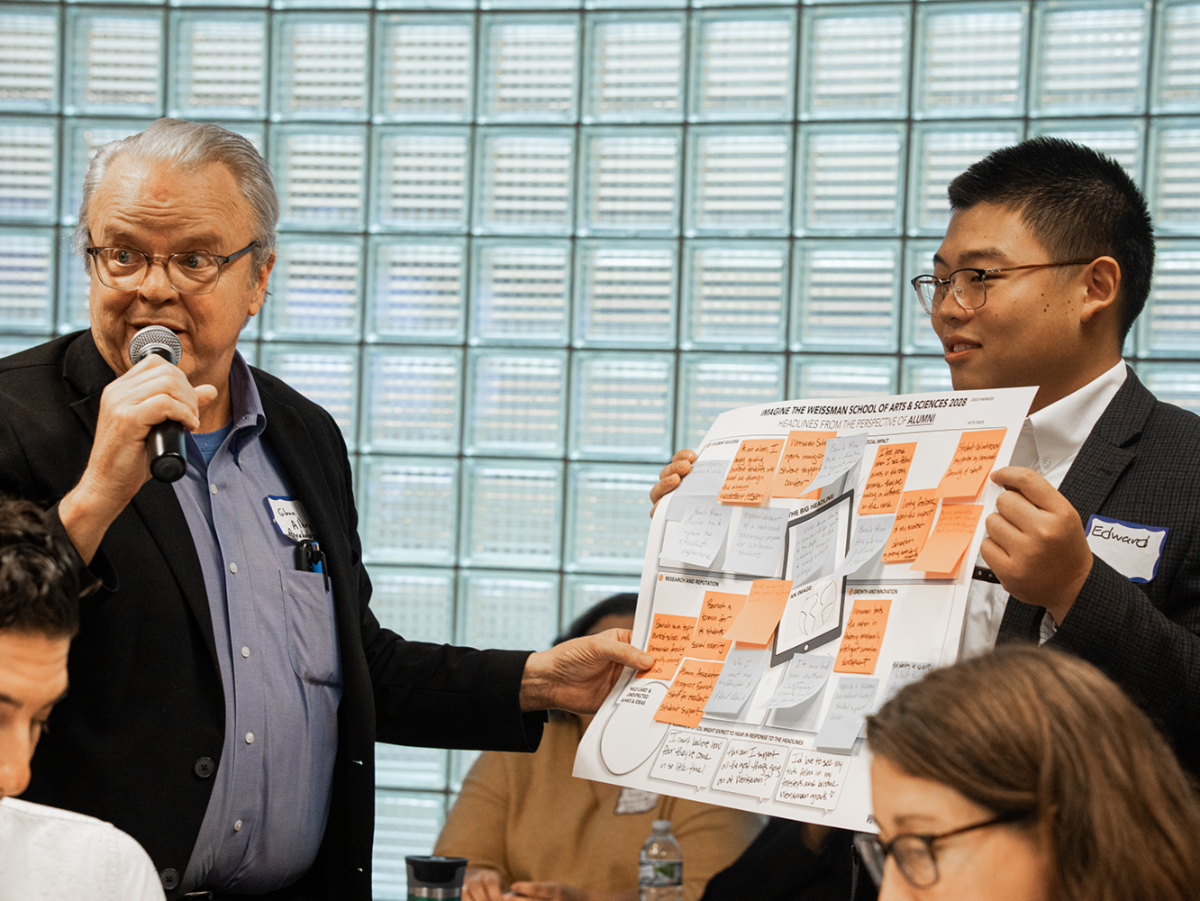
Professor of Psychology Glenn Alright and current I/O Psych PhD student Edward Xue present on the alumni perspective at the Weissman Strategic Planning Summit. | Weissman Imagines Its Future at Inaugural Strategic Planning Summit | |
Baruch College has been actively shaping what the next five years are going to look like for its whole population, and the Weissman School of Arts and Sciences is playing a vital role as it embarks on its own strategic planning process.
On December 1, more than 100 members from of the college community, including students, faculty, and staff gathered at the Newman Vertical Campus to envision the future of Weissman.
Blue Beyond, a consulting firm which recently aided Baruch in its college-wide strategic plan, facilitated a deeply inclusive process. "They've been great partners for us," said Dean Jessica Lang. "Their approach is to operate from a position of appreciative inquiry — a practice that is designed to have participants identify existing strengths and opportunities and use those responses to think expansively about a future vision."
Attendees were asked to put their heads together, listing everything they appreciated about WSAS, and making dream lists for the school's evolution. Needless to say, some exciting and, most importantly, achievable strategies quickly came into view.
Stay tuned for more ways to have your voices heard on the future of Weissman.
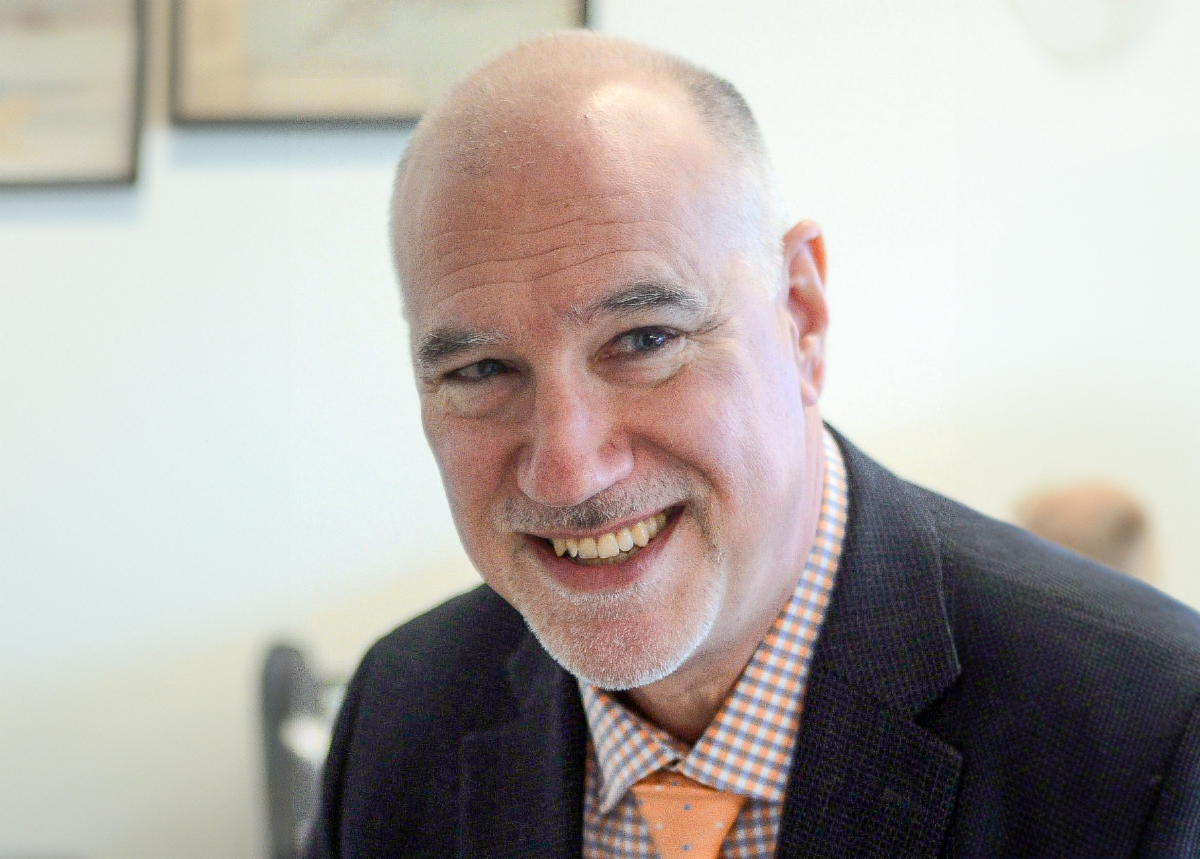
| 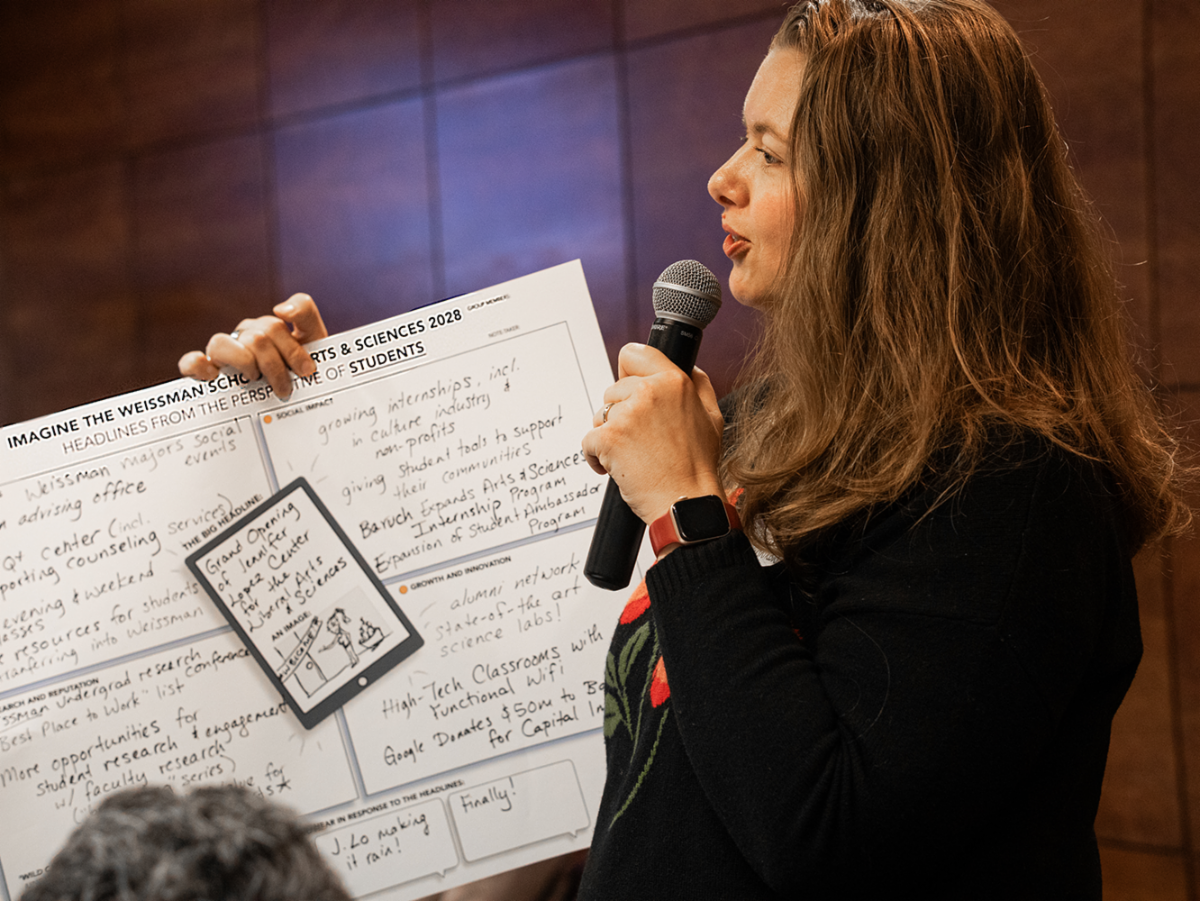 | Stephanie Hershinow, Associate Professor of English, presents her group's imagining of Weissman in 2028. | | |
Gary Hentzi Takes On the Mysteries of the Beat Generation in Literature and Film | by Raven Brookes and Dan Jacobson | |
Postwar America is often remembered as a time of domestic peace, prosperity, and repopulation following the horrors of the Second World War, a period of conformity and social conservatism. But the late 1940s and ‘50s also saw the beginnings of the counterculture – the Beat Generation and its contemporaries who in different ways pushed back against the mainstream with an eruption of art, music, and poetry, eventually spreading their style and message around the world. Although their work varied greatly, they had in common a determination to shun social conformity in favor of the power and significance of individual thought and feeling, often expressed through a stream of unedited lived experience without academic or societal constraints.
“American culture really does have many of the characteristics attributed to it by its critics. It's about ideological manipulation. It's about selling things. It's about distraction – giving people conventional genre narratives that don't take them out of their habitual realms of thought and feeling. But it's not quite the closed enterprise that it’s sometimes made out to be. The counterculture demonstrated that culture is more of a battleground.”
The 1950s first brought this battleground into sharp focus, and many of its conflicts resonate today. Professor of English Gary Hentzi explores this resonance in his latest book, On the Avenue of the Mystery: The Postwar Counterculture in Novels and Film (Routledge, 2023).
“There’s a general acknowledgement that we're living in the wake of the global counterculture, but it’s hardly something that's been laid to rest and is more than just an academic concern. That's one big issue. Another is how new narrative forms have been made possible by technology. Film and television have eclipsed literature as the dominant forms of storytelling in modern culture. This is such a big development that it’s often compartmentalized or just ignored.”
The co-editor of The Columbia Dictionary of Modern Literary and Cultural Criticism, Hentzi brings his expertise to bear on 20th century literature, social criticism, and film, offering a fresh perspective on the period. His book is a study of eight major novels of the postwar era (1945-65) and the films they inspired in the following five decades. It’s a vibrant mix of cultural history and critique, that explores how the interpretation of the counterculture when the novels were written has transformed over the intervening years.
Hentzi’s readings are informed by his keen explorations of the movement’s major intellectual and aesthetic influences, which are viewed through the prism of mystery: “a sense of the unknown, an intimation of something hidden and as-yet unnoticed, a feeling that there may be more to the world than meets the eye.” It’s a theme that slowly, surprisingly – and fittingly – revealed itself to him as he worked.
“I didn't really know what book I was going to write. But as I thought about it, I realized how pervasive the idea of mystery is. Suddenly it began turning up everywhere. It’s a feature of the period that is easily caricatured nowadays – people sitting around getting stoned and having visions – something that's been outgrown and looks a little silly. But that's a caricature of the idea that obscures the real thing. It has to do with the complexities of human relationships, with the way we experience our own lives and each other. And with technology too.”
This isn’t just a history. Hentzi highlights a specific period of cultural transformation that is, in many respects, still with us. The ways that mainstream culture can be countered have indeed changed, but the countercultural impulse isn’t something that simply disappears.
“There's a whole set of themes dating from the period of the counterculture that are still with us, that are still ripe for use. Many areas were violently opened up and have since been assimilated. But my feeling is there's always room for a capable artist to do something special.”
This is a book for cultural historians, literary critics, and artists alike, and perhaps a source of inspiration to those who – like the Beat generation and their fellow travelers – have grown weary of the artistic and social status quo. Content-creators, activists, and intellectuals take heed: if Hentzi’s research is to be believed, there’s still plenty of mystery and plenty more to be done.
Buy On the Avenue of the Mystery: The Postwar Counterculture in Novels and Film here.
| | |
Baruch's Masters of Financial Engineering Program is No. 1 in the US Four Years in a Row |  | |
We are thrilled to announce that Weissman's Master of Financial Engineering (MFE) program has once again achieved the first-place ranking in the 2024 QuantNet Ranking of MFE Programs, for the fourth year in a row.
The program not only maintained its leading position but also recorded an all-time high in compensation and a remarkable 100% job placement rate before graduation.
In addition to these accomplishments, the Baruch MFE Program attained the highest peer score among all competing programs, a sign of the respect and recognition it has earned within the academic and professional communities.
The program was also featured in an article on eFinancialCareers. Check it out here.
2024 Quantnet Ranking of Financial Engineering Programs (Top 10):
- Baruch College - 100
- Princeton University - 97
- Carnegie Mellon University - 95
- UC Berkeley - 91
- Columbia University (MFE) - 88
- U Chicago - 85
- Cornell University - 83
- New York University - 83
- Columbia University (Math Fin) - 82
- MIT (MFin) - 82
For the complete ranking, visit QuantNet's MFE Programs Rankings.
| | | |
Scenes from the Close of Fall '23 | |
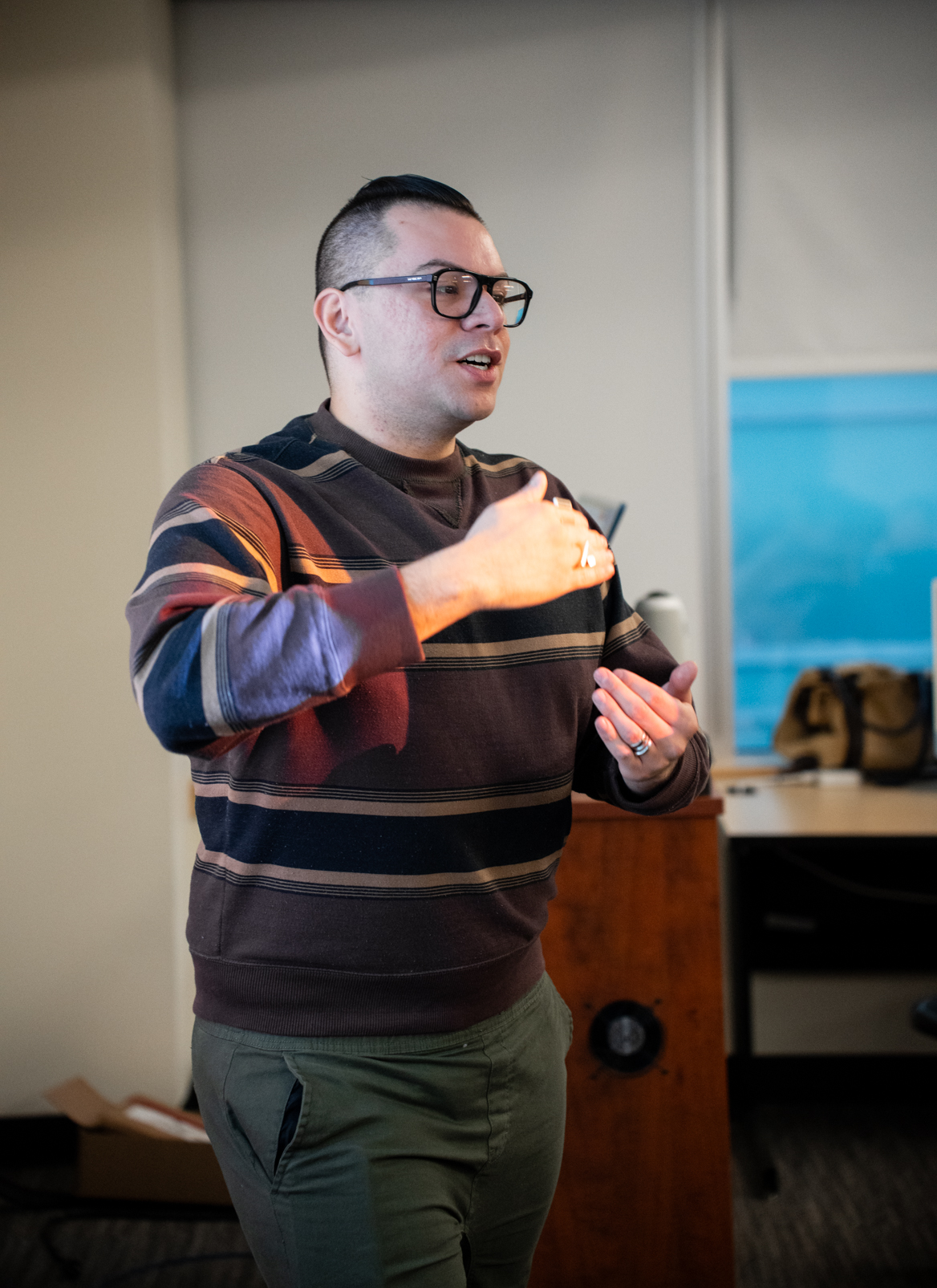
Marcos Gonzalez joined Professor of English Stephanie Hershinow's section of ENG 2100 for a conversation about research, laziness, rest, and resistance. Gonzalez, an author and professor of English at Adelphi University, discussed his book Pedro's Theory (Melville House, 2021) and introduced his new project, "Lazy Liberations: Experiments in Slacking Off, Lounging, Daydreaming, and Other Wayward Acts."
Special thanks to the Harman Writers in Residence Program for its support in making this event possible.
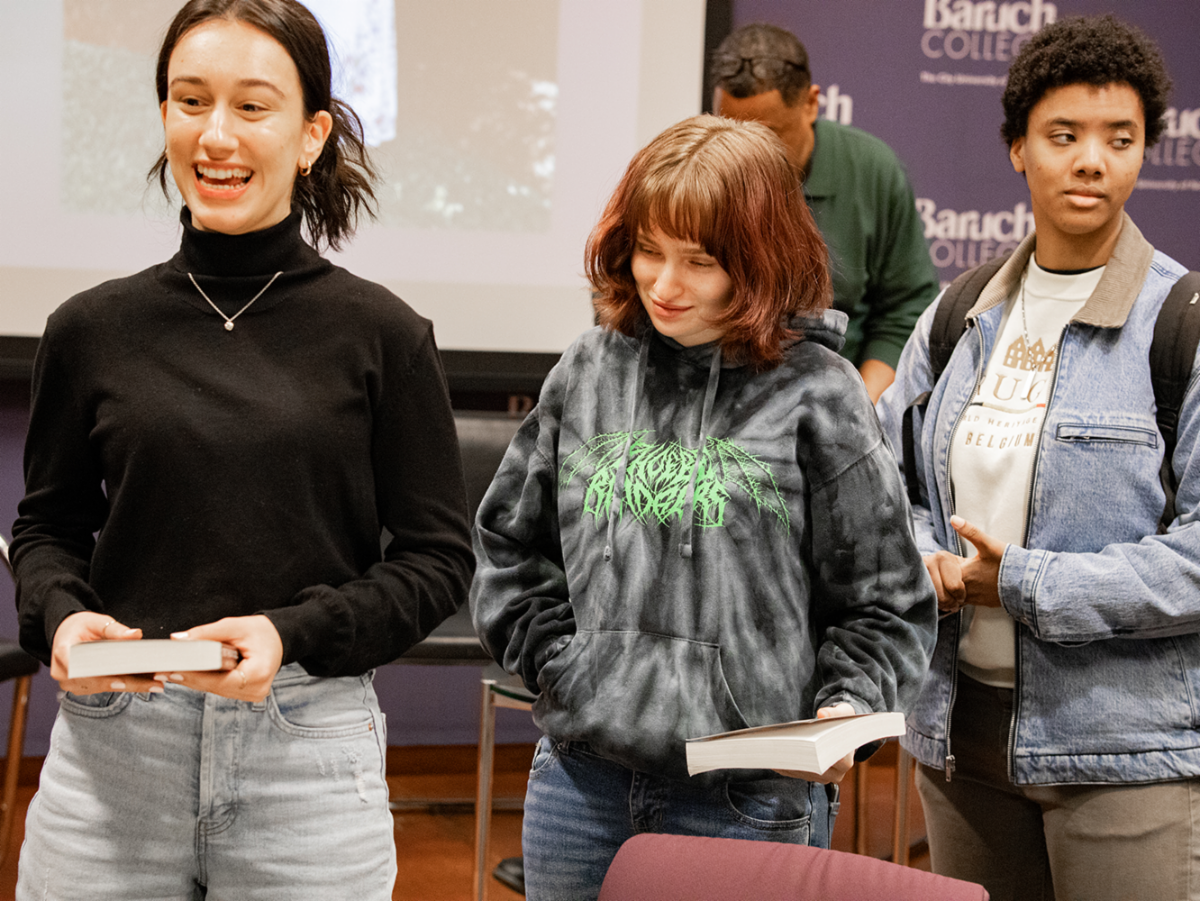
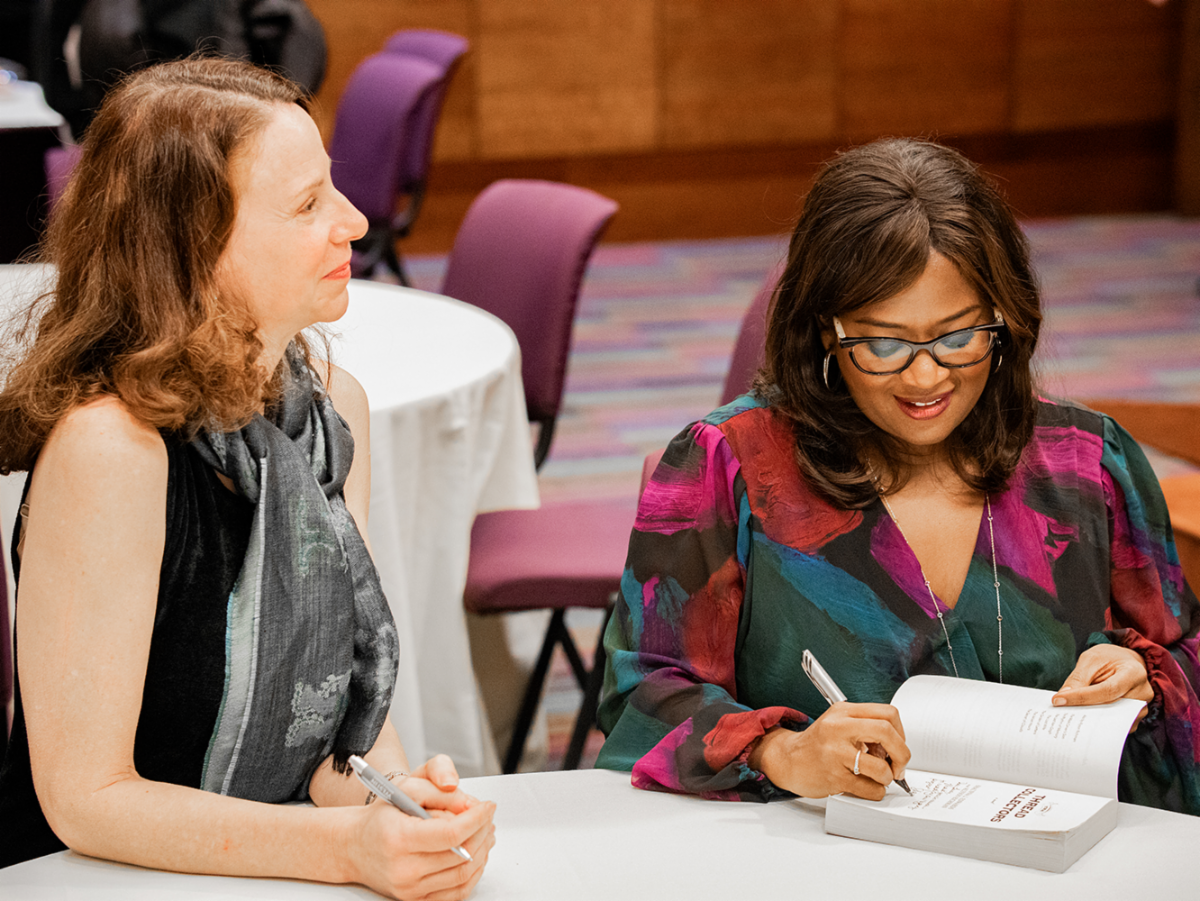
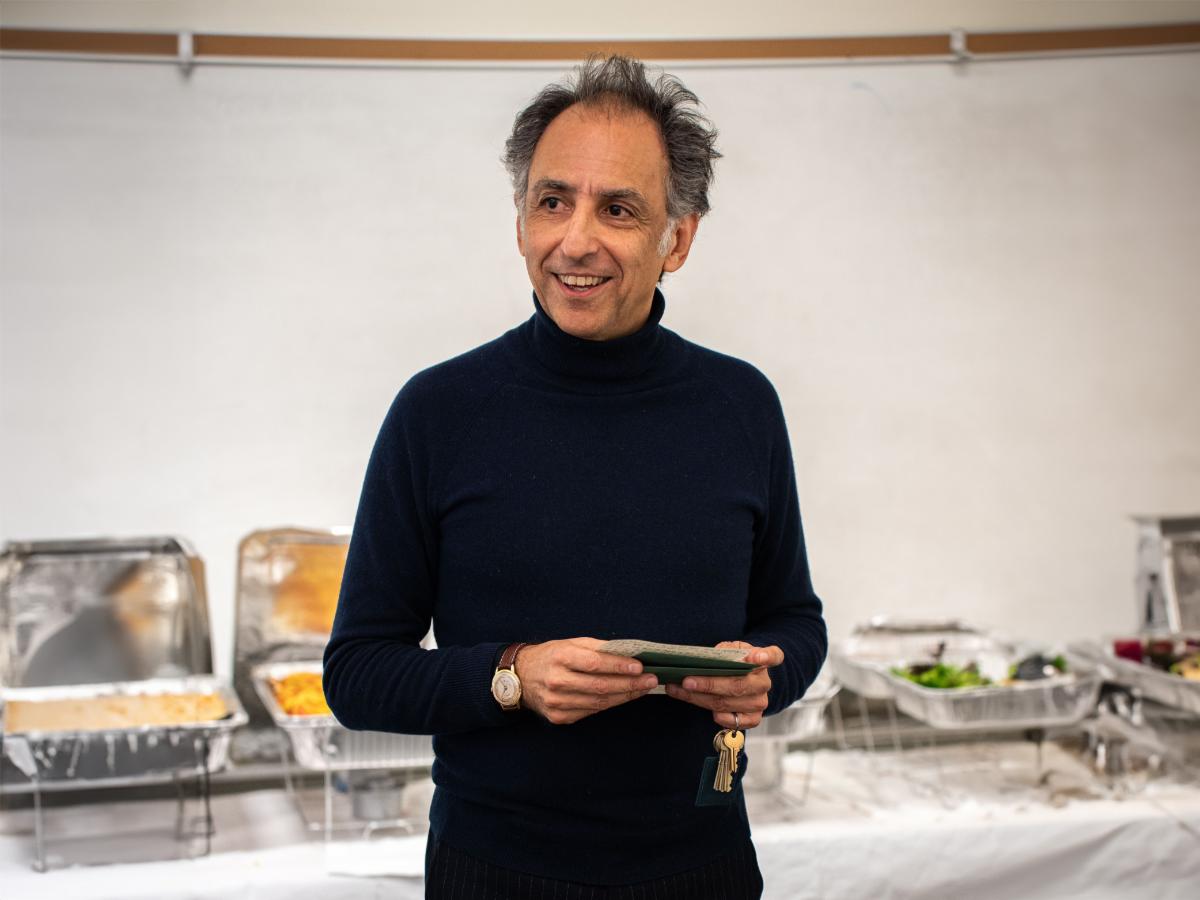
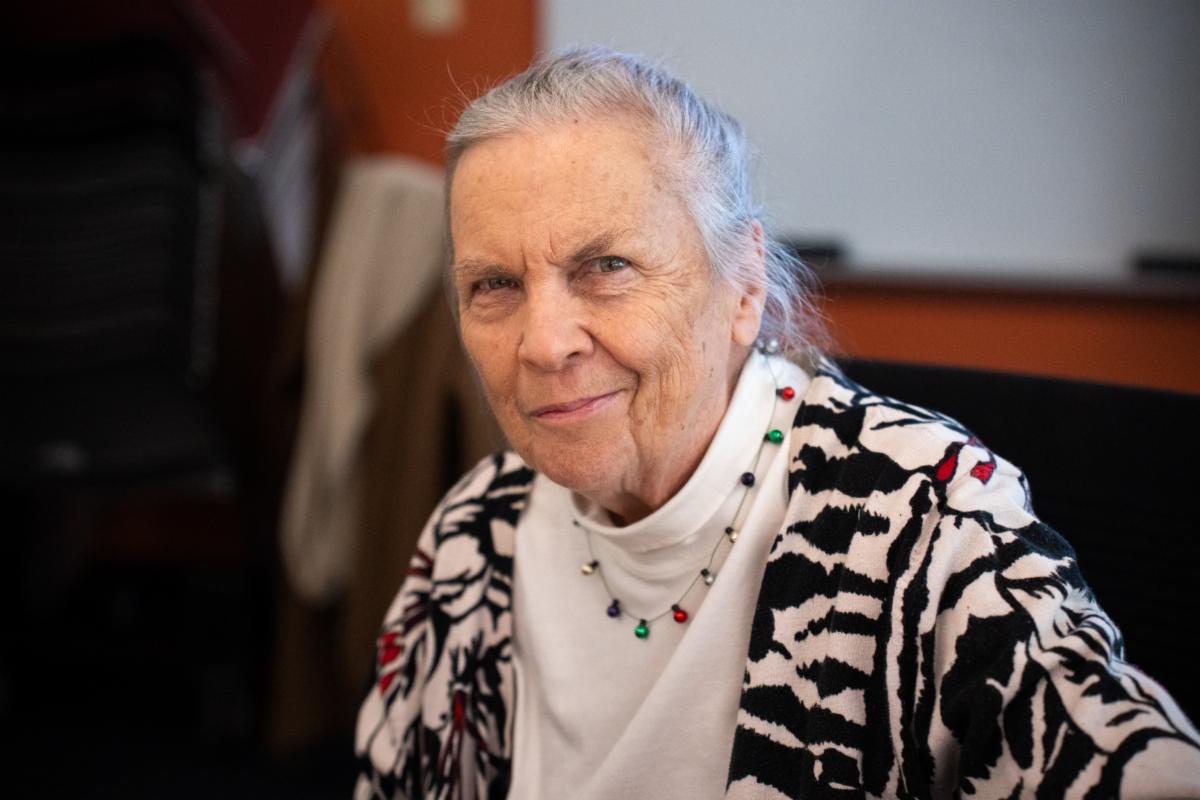
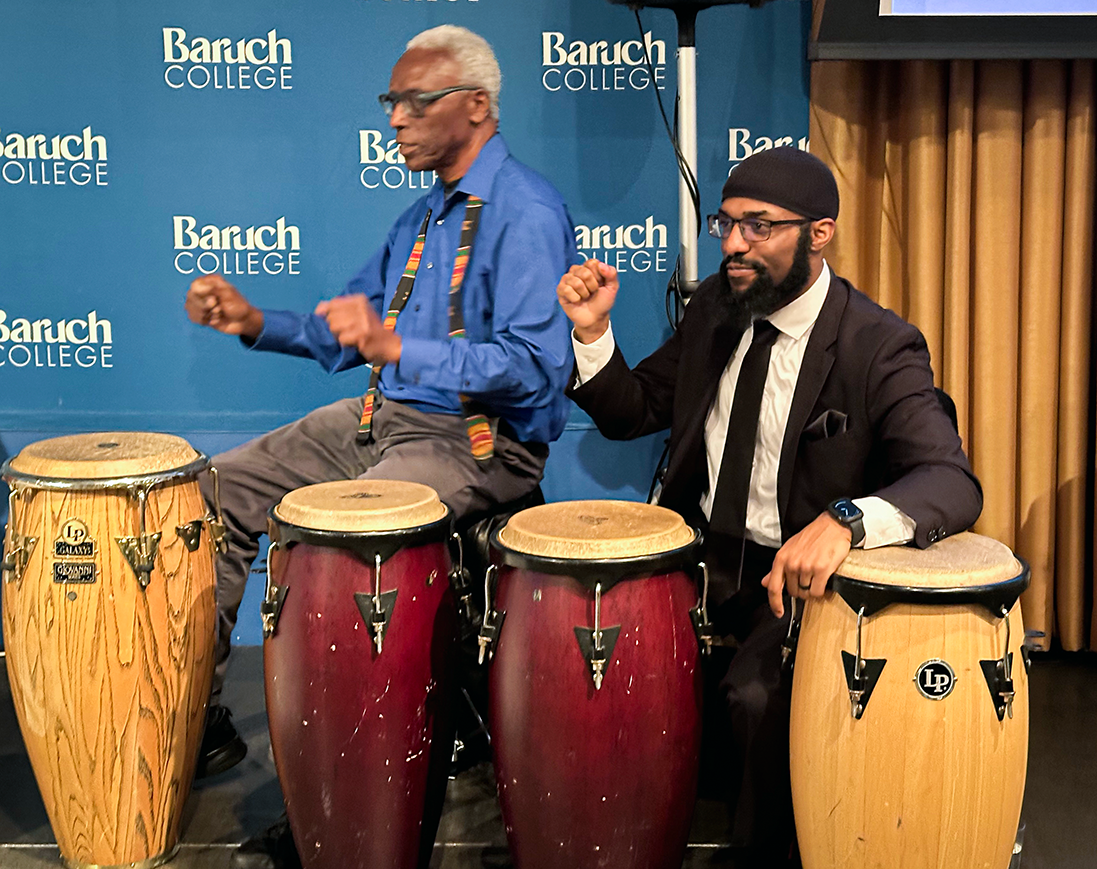
| Students wait to have their copies of the novel signed at The Thread Collectors: A Novel Discussion on Nov 28. Students, faculty, and staff were treated to lunch with authors Alyson Richman and Shaunna Edwards (L-R below). The two friends shared the story of how they collaborated to write a fictional adaptation of their family stories depicting unexpected friendships between black and Jewish – enslaved and free – women in Civil War-era New Orleans. | Ali Nematollahy, Professor and Chair of the Department of Modern Languages and Comparative Literature gives a heartfelt toast at the department's first holiday party since the pandemic. | Jana O'Keefe Bazzoni, Professor Emerita of Communication Studies, former Chair and Director of Undergraduate Programs from 2006-2021, and Associate Dean of Baruch’s Weissman School of Arts and Sciences from 1998-2000, joined the department holiday party. | Weissman starts the party: Prof. Jamel Hudson, Lecturer of Communication Studies and Arthur Lewin, longtime member of the Department of Black and Latino Studies, bring out the congas at President Wu's Holiday Party. Photo by Leslie Hunt. | | |
FACULTY NEWS AND PUBLICATIONS | |
|
Gisele Regatão on PRX Radio and theworld.org.
In a recent segment for PRX Radio's "Monumental" series, Gisele Regatão, multimedia journalist and Associate Professor in the Department of Journalism and the Writing Professions, explores the legacy of Christopher Columbus. Her 40-minute piece takes listeners from Puerto Rico to Queens, discussing the complex history associated with him.
Listen in here.
In a recent feature on WNYC, hosted on the world.org, Regatão, also covered an initiative in New York City involving the transformation of religious spaces into shelters. The story, which includes insights from our very own Professor of Anthropology Ken Guest, delves into Mayor Eric Adams' plan to convert 50 churches, synagogues, mosques, and temples in the city into housing facilities.
Check it out here.
| |
| |
|
Clarissa Sosin in Verite News
Adjunct Professor Clarissa Sosin, an investigative and multimedia journalist, recently published a second series as part of her continuing investigation into the Baton Rouge Police Department in Louisiana. This latest offering follows her initial investigative work from earlier this year, which revealed extensive corruption within the department.
The new series focuses on police reform, examining the steps and challenges involved.
Check out "In the Dark" here.
| |
| |
|
Patrycja Sleboda in The Washington Post
Patrycja Sleboda, an Assistant Professor in the Department of Psychology, was quoted in a Washington Post article, "The secret to getting people to eat more plant-based food." She lends her expertise in decision psychology and behavioral science to understanding consumer behavior around health.
Check it out here.
| |
| |
|
Johanna Fernández in NY Times
Johanna Fernández, Associate Professor of History at Baruch College and author of The Young Lords: A Radical History (UNC Press, 2019), was recently quoted in a New York Times article on the life of Pablo Guzmán, a Puerto Rican activist turned TV newsman who recently passed away at 73. Guzmán, known for his role as the voice of the Young Lords in the 1970s, was instrumental in advocating for improvements in poor New York neighborhoods. In a successful media career, he later earned Emmy awards.
Read it here.
| |
| |
|
Weissman Visiting Artist Featured in The New York Times
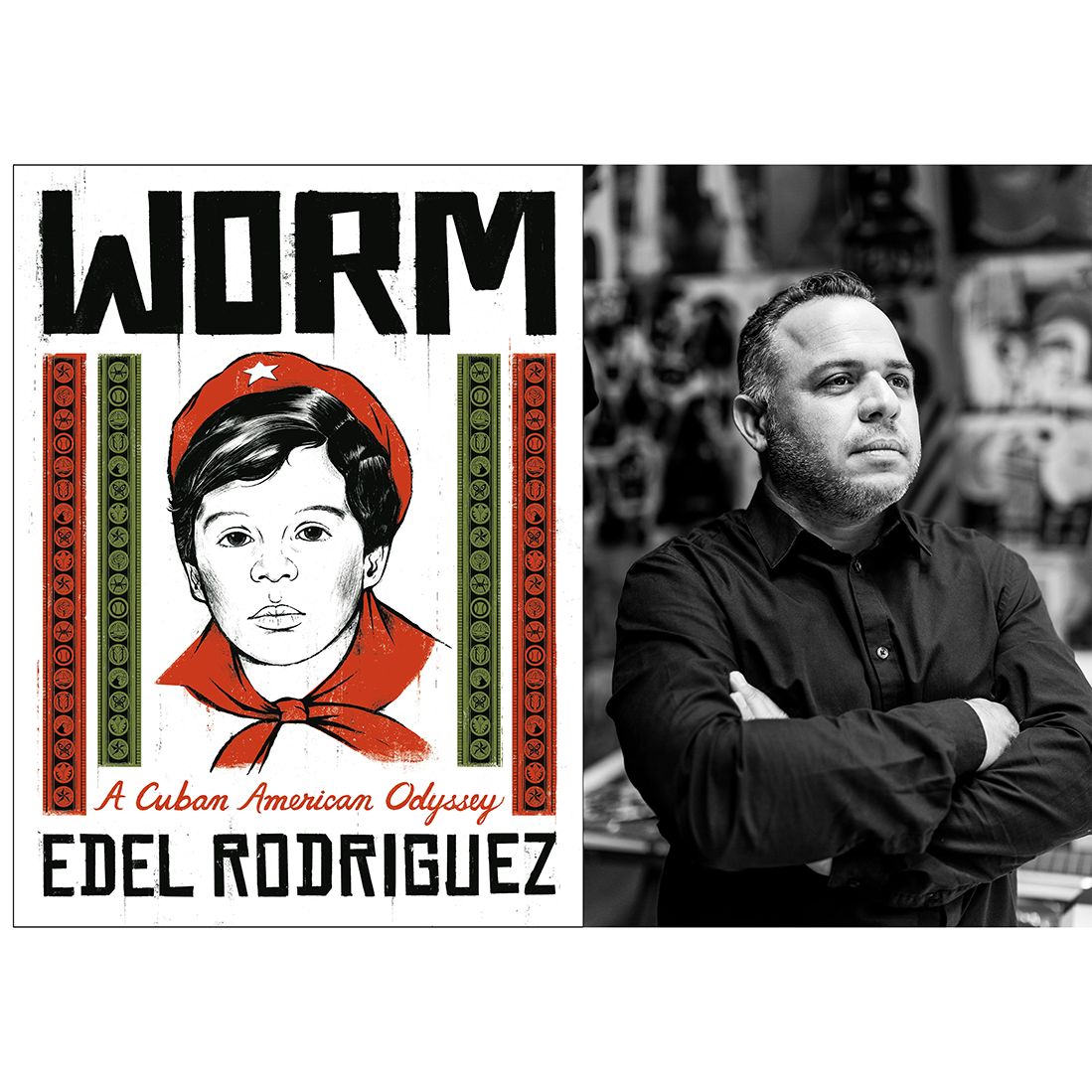
On Nov. 9, Weissman was featured in The New York Times, highlighting its involvement in the arts. Two days earlier, the college hosted Edel Rodríguez, a graphic artist and author known for his graphic memoir Worm: A Cuban American Odyssey. This event included a luncheon and workshop with students, organized by Ted Henken from the Sociology and Anthropology Department and co-sponsored by Harman, Institute for the Study of Latin America, and BLS.
Later, at the Graduate Center, the Bildner Center for Western Hemisphere Studies, led by Marxe Professor Enrique Desmond Arias, hosted a conversation between Edel Rodríguez and Jennifer Caroccio Maldonado, Assistant Professor of English at Baruch and an expert in Latinx comics and graphic novels.
Read the article here.
| |
| |
|
WSAS Israel/Gaza Event in NY Times
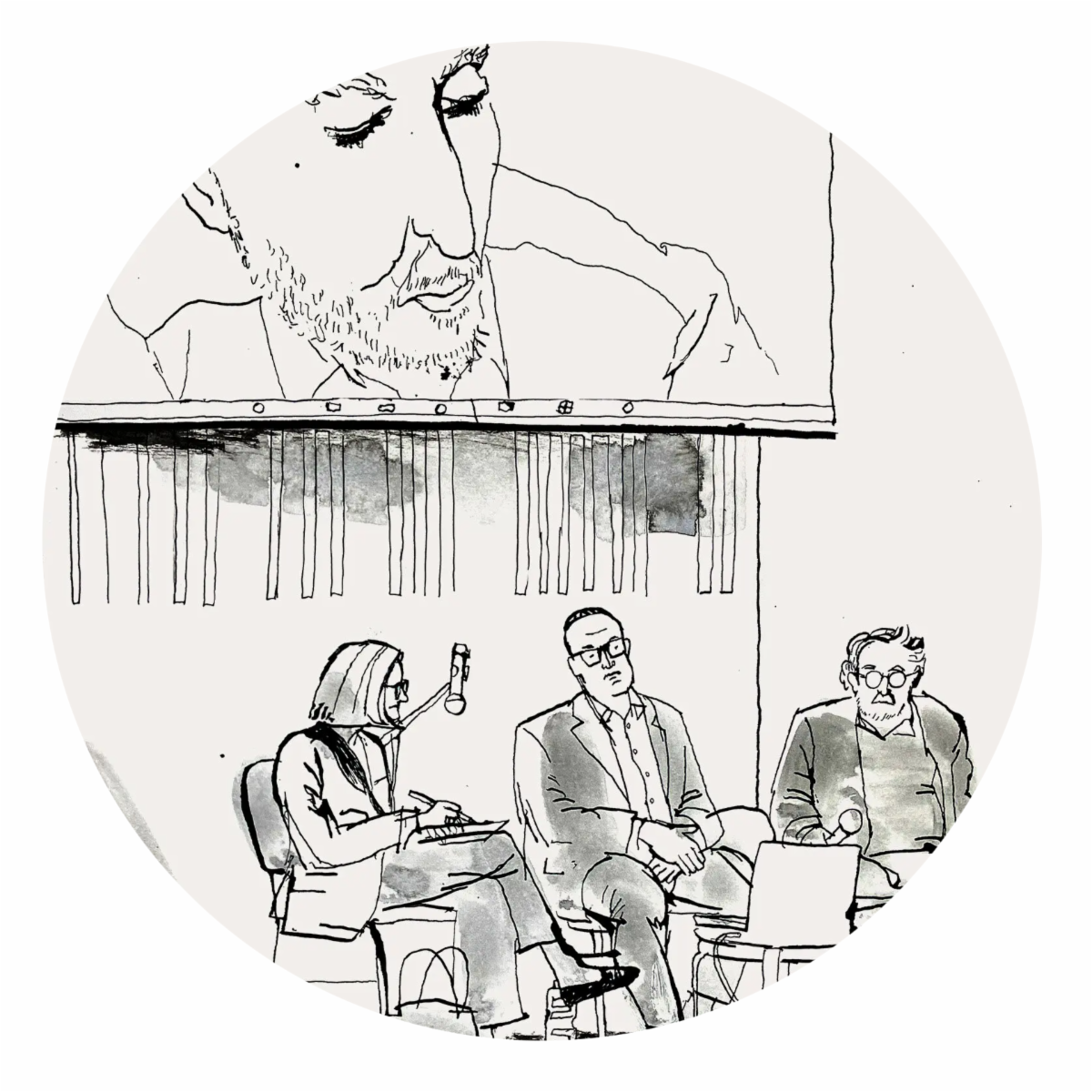
On Tuesday, Oct. 31, Weissman organized a public panel discussion titled "Israel/Gaza: Past, Present, and Future." The event, which was highlighted in The New York Times with an accompanying drawing, was moderated by Carla Robbins, the Marxe faculty director of the Master of International Affairs program at Baruch. The panel featured Yehuda Kurtzer, President of the Shalom Hartman Institute; Mitchell Cohen, a Professor of Political Science at Baruch College; and Mohammed Dajani, a Palestinian peace activist, who joined via video. This discussion offered diverse perspectives on the complex and evolving situation in Israel and Gaza.
Check it out here.
| |
| |
|
David Gruber on TEDEdDaily
In another fascinating exploration of marine communication, Professor David Gruber, featured in a TEDEdDaily segment titled "The Ingenious Communication of Sperm Whales," delves into the complex vocalizations used by sperm whales. These majestic creatures use a sophisticated array of sounds to interact, hunt, and comprehend their environment.
The segment reveals a significant behavioral shift observed in the North Pacific: a 58% decrease in successful whale hunting by whalers within a few years. This phenomenon, as investigated by Gruber and his colleague Shane Gero, suggests that sperm whales might be sharing survival strategies, adapting their behavior to avoid the increasing threats posed by human activities. The lesson, directed by Anna Benner, offers a glimpse into the extraordinary intelligence and adaptability of these marine giants.
Watch the full exploration of this underwater mystery here.
| |
| |
|
Christina Christoforatou is re-elected and presents at 49th Byzantine Studies Conference
Christina Christoforatou, Associate Professor of English, was re-elected vice president of the Byzantine Studies Association of America at its annual convention in Vancouver. BSANA is the North American branch of the International Association of Byzantine Studies (Association Internationale des Études Byzantines) and is closely aligned with its international peers. She also delivered a presentation at Simon Fraser University’s Wosk Centre for Dialogue in Vancouver on the topic of consciousness in premodern poetics under the title, "Seeing in the Mind's Eye: Theories of Consciousness from Aristotle to Bachelard by Way of Byzantium” and organized a series of cross-disciplinary panels on behalf of BSANA and MJC for the 49th Byzantine Studies Conference. The titles of the panels were “History, Memory, and Prophesy in the Twelfth Century” (moderated), “Byzantium Beyond the Academy: Research, Careers and Public Engagement,” and “Digital Byzantium: A Cross-Disciplinary Workshop on Digital Tools."
| |
| |
|
Ted Henken in Politifact, The Paradise News, and Digital Journalism
Ted Henken, Professor of Sociology and an expert on Cuban culture, was recently quoted in Politifact and The Paradise News. Discussing former President Trump's remarks, Henken observed their likely appeal to the audience in Hialeah. He noted that Trump was "telling a Cuban-American audience what they wanted to hear," by referencing the trauma associated with the Castro regime's impact on Cuban democracy and civil society. Henken emphasized that drawing parallels between this and the Biden administration is factually baseless.
Read it here.
Henken, together with Sara García Santamaría, is preparing to publish a paper titled "Diasporic Epistemologies in Cuban Independent Journalism" in the journal Digital Journalism. The study focuses on the last decade, which has seen a significant shift in the Cuban journalism landscape due to the emigration or forced exile of many young journalists and the capabilities provided by digital technologies.These developments have allowed journalists to continue their work despite being geographically dispersed.
| |
| |
Dr. Sabrina Kizzie joins ForbesBLK
Dr. Sabrina Kizzie, Doctoral Lecturer in Communication Studies, has recently been welcomed into ForbesBLK, a new Forbes community comprised of Black content creators, business owners, and entrepreneurs dedicated to effecting social change. Dr. Kizzie plans to engage further with the community, particularly to discuss her research on Black millennials and mobile advertising, with the aim of having her work featured in Forbes.
| |
| |
Baruch Performing Arts Center's Presentation of ENOUGH! featured on CBS
The Baruch Performing Arts Center (BPAC) recently made headlines as its production with CAT Youth Theatre, ENOUGH!: Plays to End Gun Violence was featured in as segment on CBS 2 news.
Watch it here.
| |
|
New Media Arts Presents Fall '23 Capstone Exhibition: you are but what am I
| | |
 | |
The New Media Artspace at Baruch College presents you are but what am i, a group exhibition led by the Fall 2023 Capstone class of the New Media Arts undergraduate minor. The exhibit will run from December 11, 2023 to February 1, 2024
online at newmediartspace.info and in the New Media Artspace located in the library of Baruch College.
The exhibition is comprised of original works created and curated by New Media Arts students Abiha Amir, Allison Lai, Amanda Martinez, Amely Gonell, Anika Rios, Eric Ip, Francis Alicka, Ismael Hernandez, Jack Vazquez-Perez, Jessica Lian, Jesus Pinto, Joel Bautista, Josie Romano, Julie Li, Julio Ramirez, Kevin Wang, Matthew Han, Molonie Rishilakram, and Xinyao Li.
you are but what am i explores the intricate tapestry of human experience through the
themes of self-discovery, surreal exploration, and acceptance of imperfections. It delves
into the raw, tactile essence of being alive—offering a profound journey through the
diverse perspectives of the featured artists.
Read more here.
| | | | | |