|
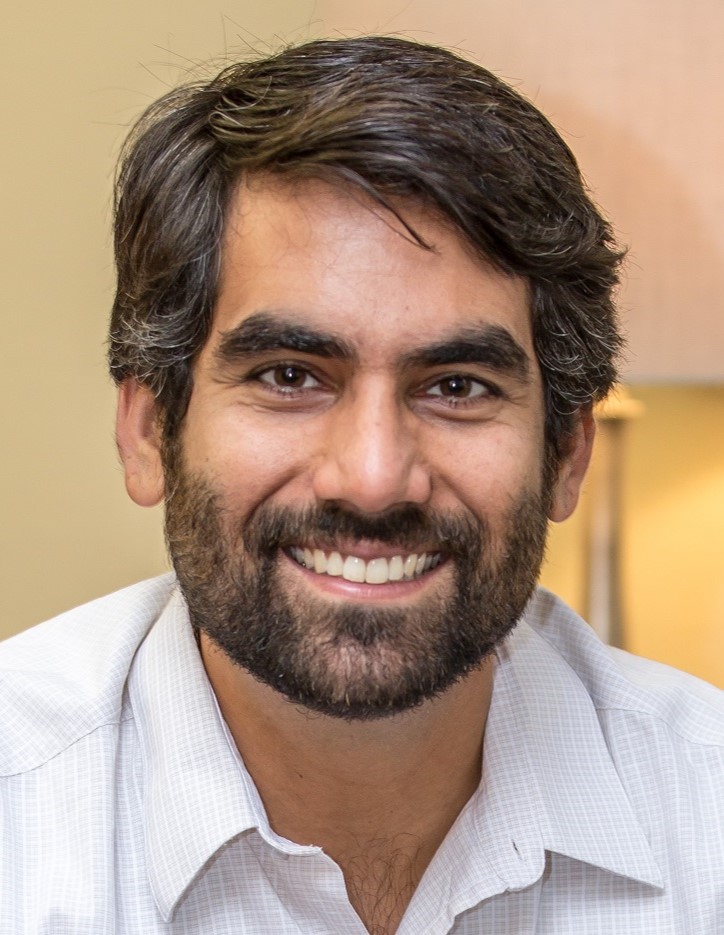
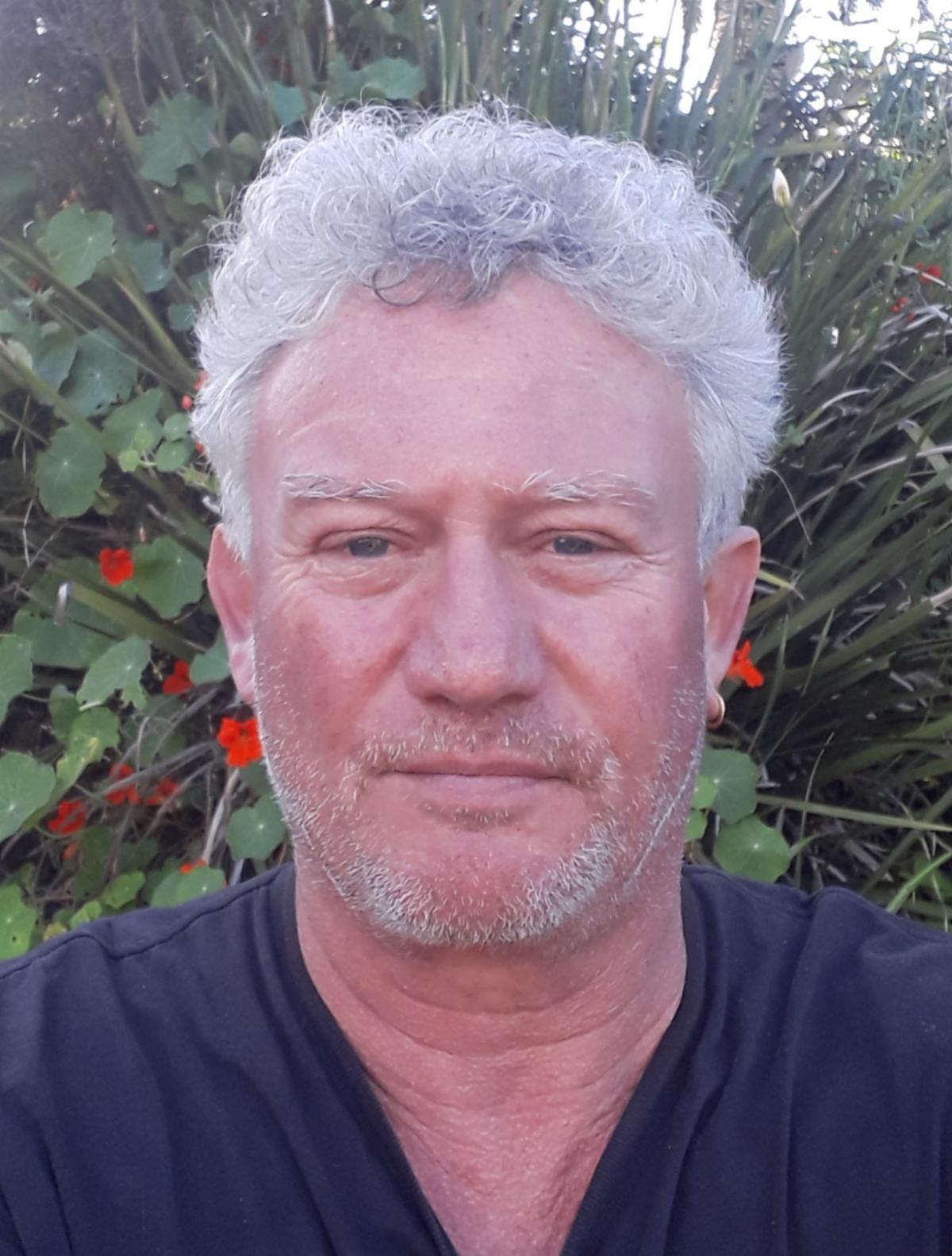
I want to approach this retrospective with a question I held from the beginning of my doctoral journey – “Who will I become?” Having long admired the writings and research of PhDs, I was suspicious that simply achieving the degree of “PhD” would put me in their ranks. I’m still suspicious about that, but remain hopeful. Now, with PhD in hand, who I have become in this moment and the consequences of my PhD journey depend on how I craft the plot points of the story. In the fun of crafting a story for this newsletter and for the Taos community, I will detail a couple renditions of the journey, both of which are true, and limited.
For context, my PhD journey began in 2017. With seven years of experience as a family therapist specializing in domestic violence (DV) within refugee communities, I was driven by epistemological and ethical questions about my work. These questions seemed best addressed through research and scholarship. My training in narrative therapy and poststructuralist perspectives made partnering with the Taos Institute a clear choice.* Most importantly, the Taos Institute annual conference that was held in San Diego in 2012 concluded in the most fun gala I have ever attended, so I knew I had to stick around.
Story one goes as follows: In 2017, I began my doctoral work. In 2018, my daughter, Leila, was born. Soon after, the COVID-19 pandemic and consequent lockdown occurred. The shift in lifestyle led to back issues that required surgery in June 2021. My daughter began school in 2023, and my son was born February of 2024, about two months after I received my PhD. Through all of that, I worked on my PhD. I became a father and a survivor of chronic pain and concluded somehow with my doctorate.
Story two: In 2017, I began my doctoral work. The process of my literature review exposed me to critiques about my DV work. I integrated these understandings into my practice and trainings. I initially felt a sense of completion having landed on a thick critique of the field, but was quickly held to the question of “So, what now?” by my Taos adviser. That question led me to develop an approach for practice with Middle Eastern refugee couples in active violence as a preventative effort to DV, paving the way for my post-doctoral work. I became a researcher-practitioner, activist-researcher and a scholar who concluded with my doctorate through deliberate and focused efforts.
Regardless of the iterations of the story, the relationships with my family and colleagues remain the most influential features of the journey. I’m beyond grateful to the Taos Institute, and remain forever indebted to the communities who made it possible. For now, I am doing what I said I would do when people asked me “what’s next” after my dissertation: continuing my work and raising a family.
Navid's complete dissertation, Domestic Violence Epistemology and its Effects on Couples’ Counselors, is available here.
* From 2000 to 2021, the Taos Institute offered a Ph.D. program through its collaboration with several European universities. This program is no longer available but if you wish to study with the Taos Institute, we encourage you to explore the Taos Institute International Diploma in Social Construction and Professional Practice.
| | |
A new Taos Institute workshop hosted by Taos Institute Associate Deb Nathan & Taos Institute Vice-President Sheila McNamee |
|
May 31-June 1, 2024
NEW: Pathways to Relational Resilience
Creating relational resilience in the midst of conflict through the use of the arts and reflective dialogue
| |
Whether it’s conflict between nations, within families, between partners, or with colleagues, it is challenging to find ways to move beyond conflict towards greater understanding and an appreciation of difference. However, it is not impossible, and hope can be found even amid the deepest of divides. How do we hold on to our beliefs while making room for other perspectives? As the political and social aspects of the world in which we live become more polarized, how do we learn to tolerate difference and listen to viewpoints that differ dramatically from our own? How do we work together and learn to value difference?
This 2-part online workshop (2.5 hours each day) features relational alternatives to more traditional approaches to conflict resolution. Participants will explore a unique approach to engaging with conflict that encourages the development of relational resilience by helping them learn to think critically and creatively, and to appreciate the value of difference.
We will engage in interactive experiences that incorporate the utilization of art and reflecting dialogue to illustrate how the two can work together to shift from conflict to curiosity and generate constructive understandings of difference.
| Note: Registration closes on May 15, 2024. | |
What's Happening in the Commons | |
Join with over 1600 members from around the world in the Taos Institute Commons online community as we explore social constructionist, relational, and appreciative theory and practices. We invite you to attend the free events in the Commons to engage in rich dialogue, share valuable resources, watch event replays, and make meaningful connections with others interested in creating more promising futures, one conversation at a time. More details here. | |
|
|
|
|
Taos Conversation: Placing People in Time
April 10, 10:00-11:00am EDT
Taos Associate David Kenkel invites an exploration of the uses and dangers of hope following his doctoral research on how the nature of people might be different in a more resource constrained future world. Hope can either maintain allegiance to a dangerous business-as-usual; or face painful predicaments and find new ways of being. Critical take-aways from the research suggest a future shift from self-interest to relational care of the other in community and a move away from independence as an influential discourse toward interdependence as virtuous norm. More details.
| | | |
|
|
|
Community Meet & Greet
Informal gatherings in the Taos Commons
April 16, 2:00-2:30pm & May 1, 10:00-10:30am EDT
Whether you are new to the Taos Institute Commons online community or already a member, we invite you to join this informal gathering to meet other Taos Institute Commons members and share stories of how you are applying (or hoping to apply) social constructionist, relational and appreciative approaches in your work and life. Stop by to say hello, even if you can't stay for the whole time.
| | | |
|
|
|
Taos Conversation:
Cross-Positions as Therapist in Norwegian Contexts
April 22, 11:00am-12:00pm EDT
The transition from the static concept of role to the more dynamic, multidimentional concept of position offers a significant contribution to the therapy field. Despite this, there are still discourses that prevent a more fluid and human way of being in therapy, and some constructions of therapy that are preventing some from seeking help and finding the help meaningful. In this close-to-the-person conversation, Taos Associates Ottar Ness, Siw Heidi Tønnessen and Andreas Breden challenge some of the (Norwegian) discourses of how to be a therapist. More details.
| | | |
|
|
|
Dialogue with the Author:
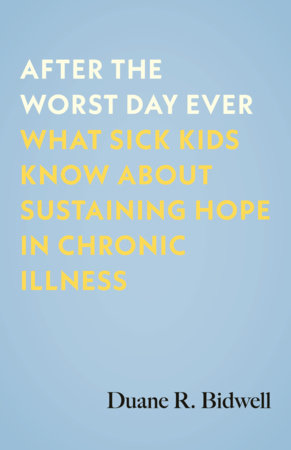
After the Worst Day Ever: What Sick Kids Know About Sustaining Hope in Chronic Illness
May 8, 2:00-3:00pm EDT
Join Duane Bidwell to discuss his latest book, which highlights hope as a relational resource that emerges between people rather than as a virtue, feeling, or cognitive skill that belongs to individuals. Duane interviewed 51 children and adolescents living with end-stage renal disease about their understandings of hope and the practices they say sustain it: realizing community, claiming power, attending to Spirit, choosing trust, and maintaining identity. More details.
| | | |
|
May 23-24, 2024, 9:30am-3:30pm EDT
Join David Cooperrider to learn how to lead change with confidence via three of the most powerful and positive change tools that can propel both your career trajectory and your organization’s highest potentials. Upon completion of this workshop, you will know how to creatively combine three leading change superpowers: the “AI” Summit Method, Design Thinking for Teams, and Moonshot Missions. For more details, click here.
| | | |
|
April 25 & 26, 2024, Boston, MA, USA
This 2-day, in-person conference is an opportunity to connect with other people around narrative ideas, form relationships, and further develop your narrative therapy skills. The event includes keynote speaker Vikki Reynolds, small-group storytelling sessions, and outsider witnessing. For more details, click here.
| | | |
|
May 5-June 2, 2024
In their completion of Vygotsky, Newman and Holzman developed tool-and-result methodology, a new way to engage with our past, present and future. A critical feature is that it can, some might say must, be played with and continuously re-enlivened by reorganizing the very environments that keep us stuck in the past. In this practical-philosophical course, Lois Holzman will lead us in an exploration of some of Vygotsky’s most revolutionary tools and how they can be made powerfully useful for social change makers around the world. Details and registration available here.
| | | |
One way the Taos Institute carries out its mission to create brighter futures through social construction is by creating and disseminating a wide variety of resources for scholars, practitioners, and students interested in dialogic and relational approaches. These free resources span many disciplines and languages. To suggest a resource, email info@taosinstitute.net. | | |
|
This month's feature:
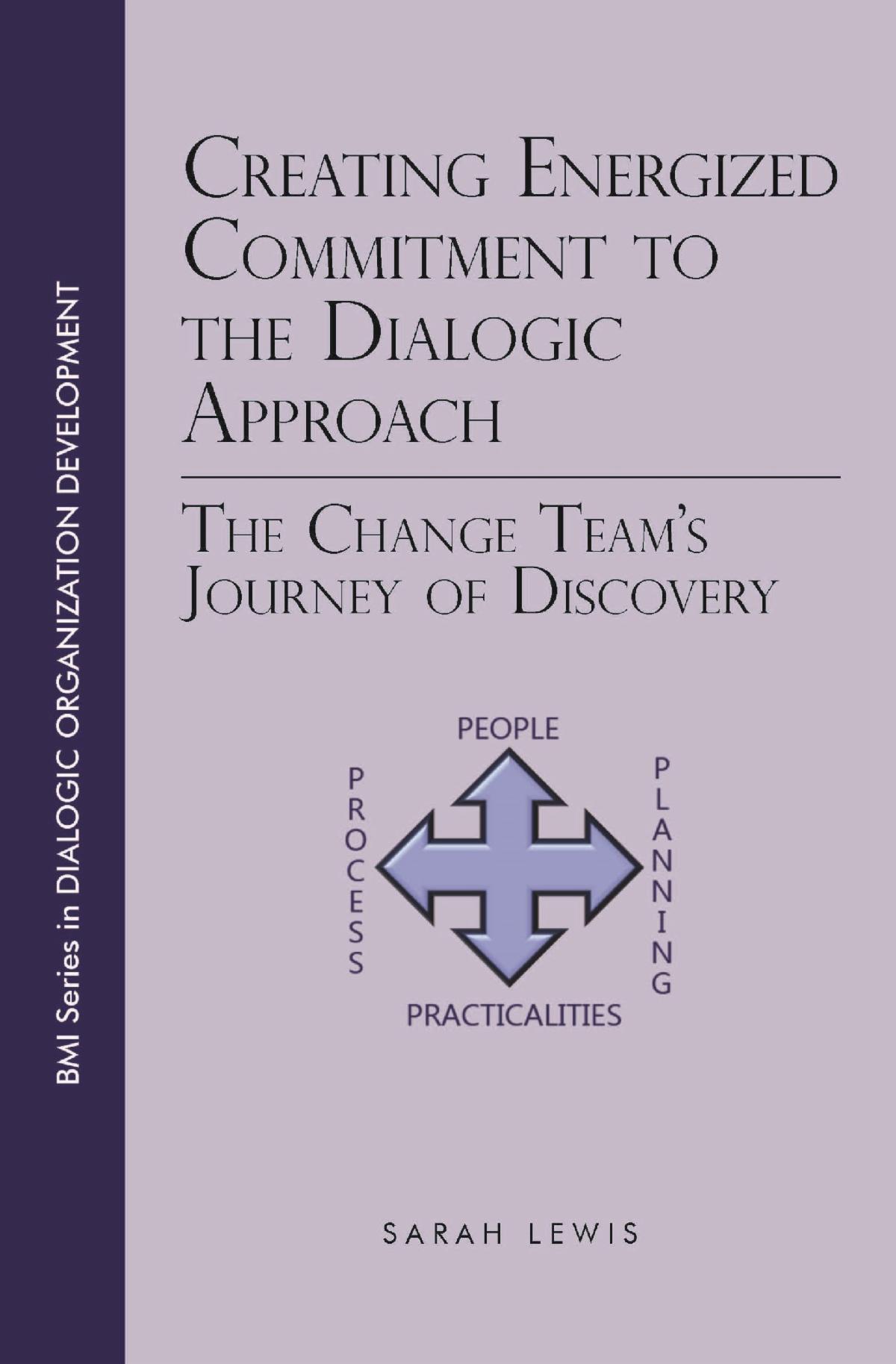
If you want to know how to bring Dialogic OD into an organization that needs it but doesn’t know what it is, this is the book you want to read. Sarah Lewis brings her considerable experience and intellect to overcoming many of the barriers you will likely encounter when you are the first to use a dialogic, emergent, generative approach. More details.
| | |
|
The Taos Institute is a non-profit educational organization. We strive to keep our offerings free or at low cost to make social constructionist, relational, and appreciative ideas available to as many people as possible around the globe. Financial contributions from you are vital to support our activities. Please consider making a donation. | | | | |