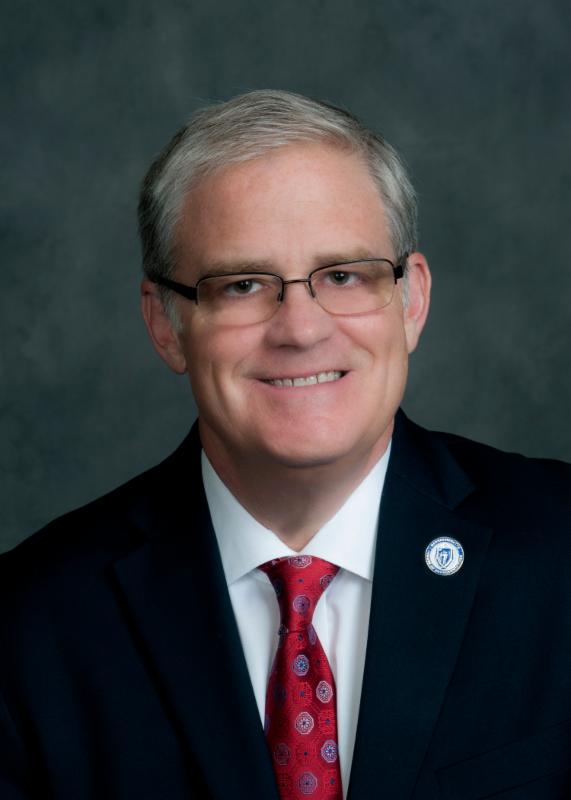
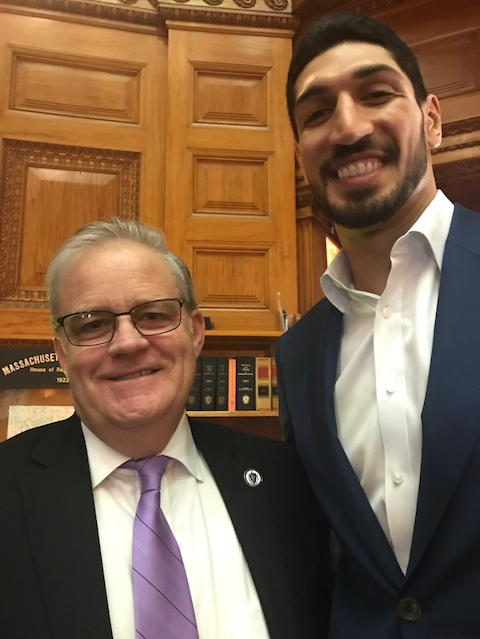
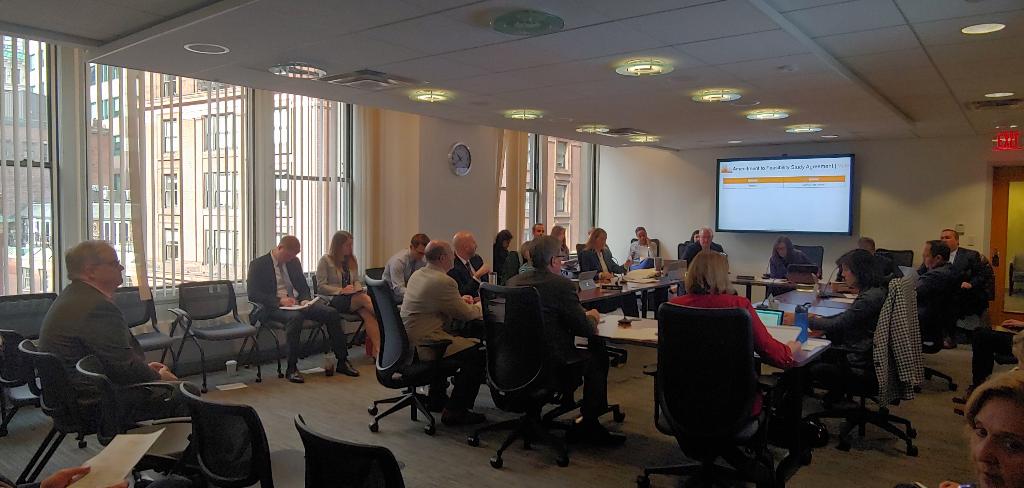
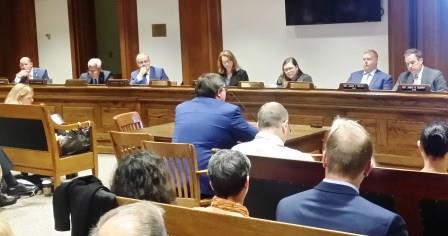
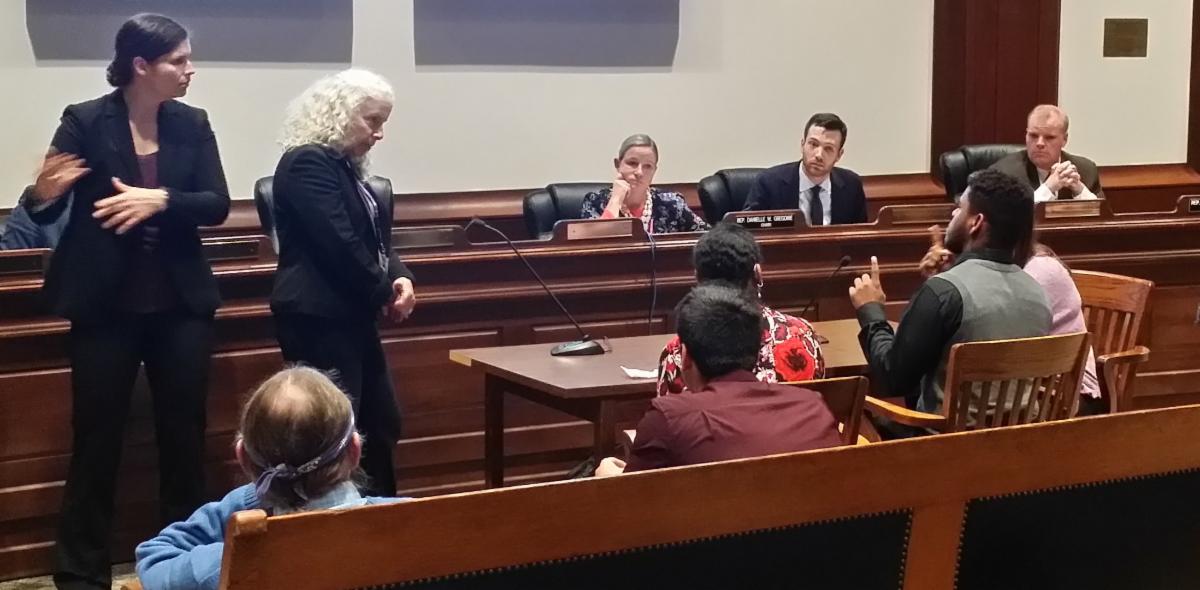
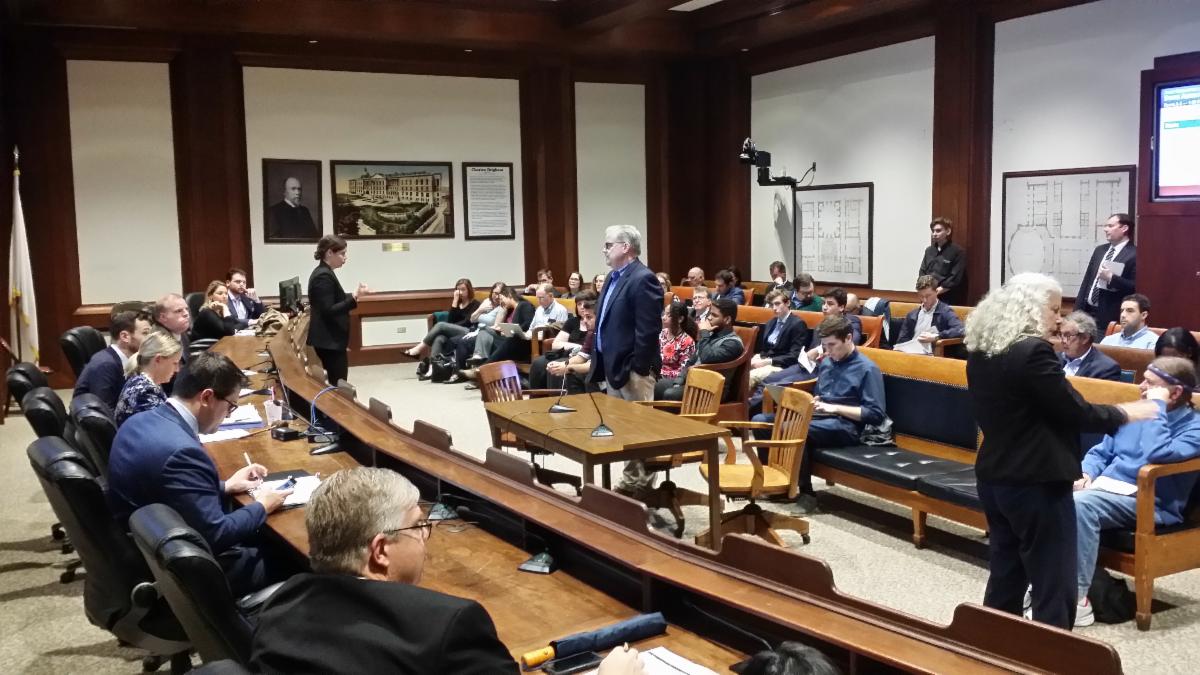
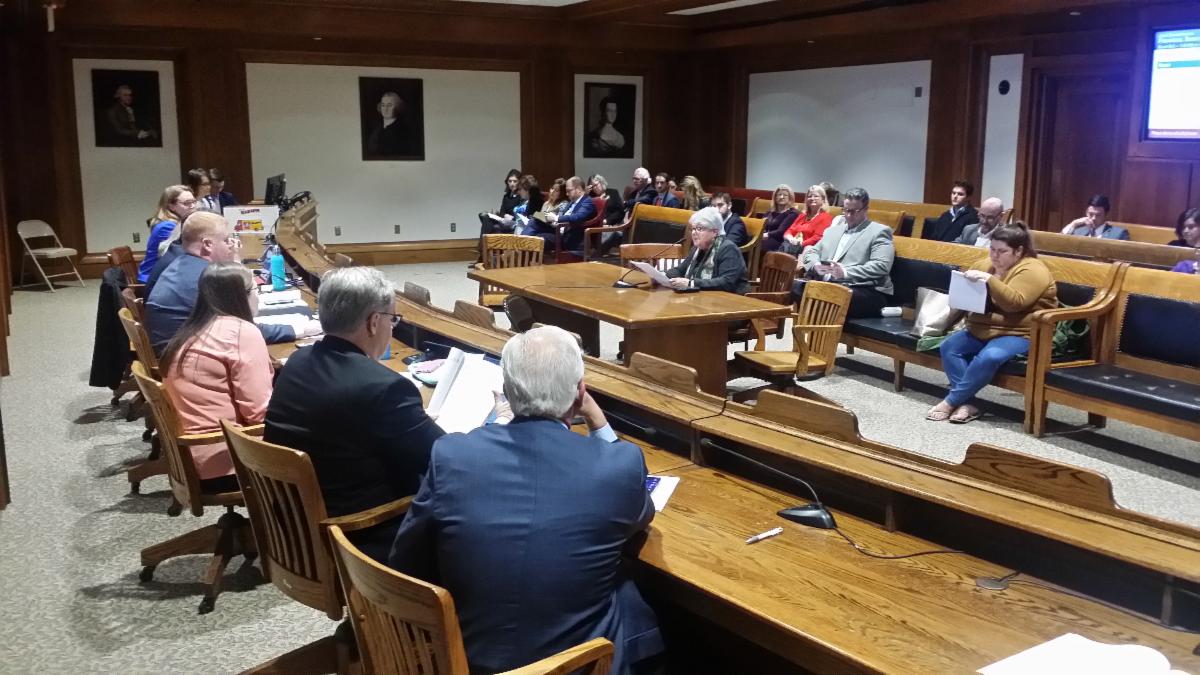
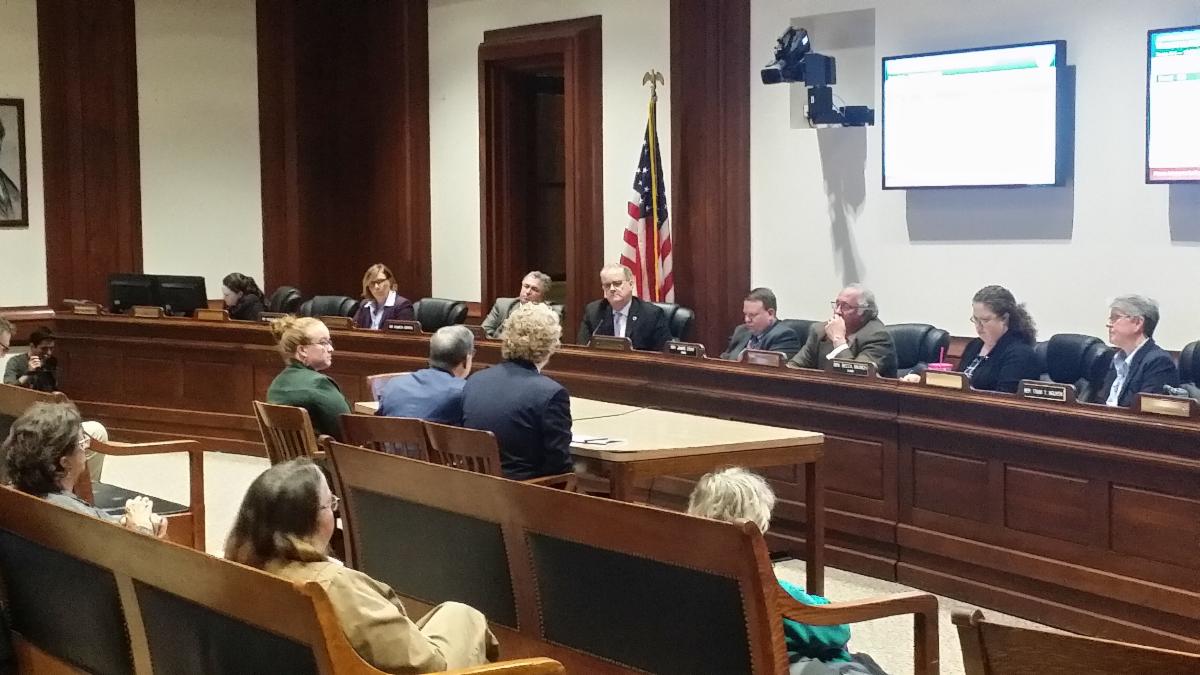
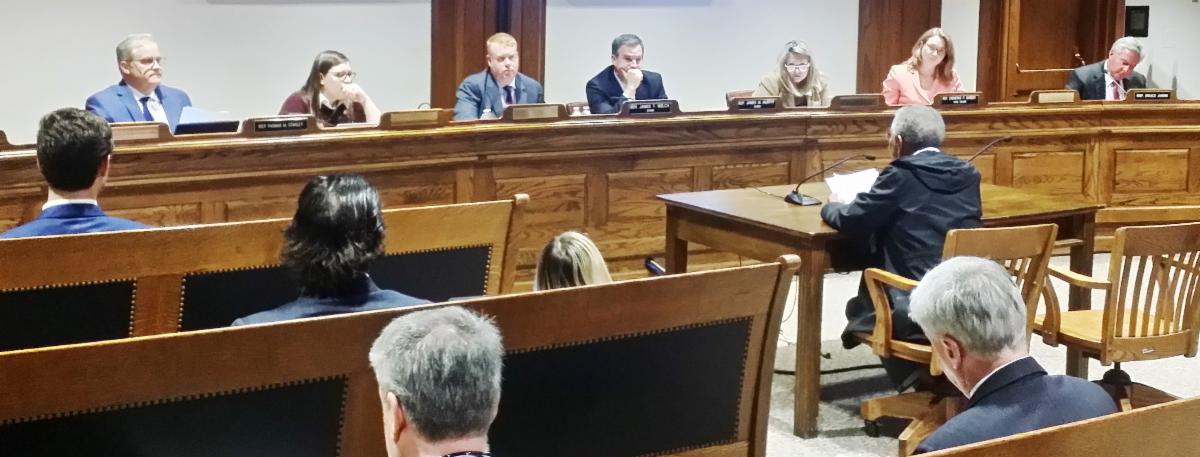
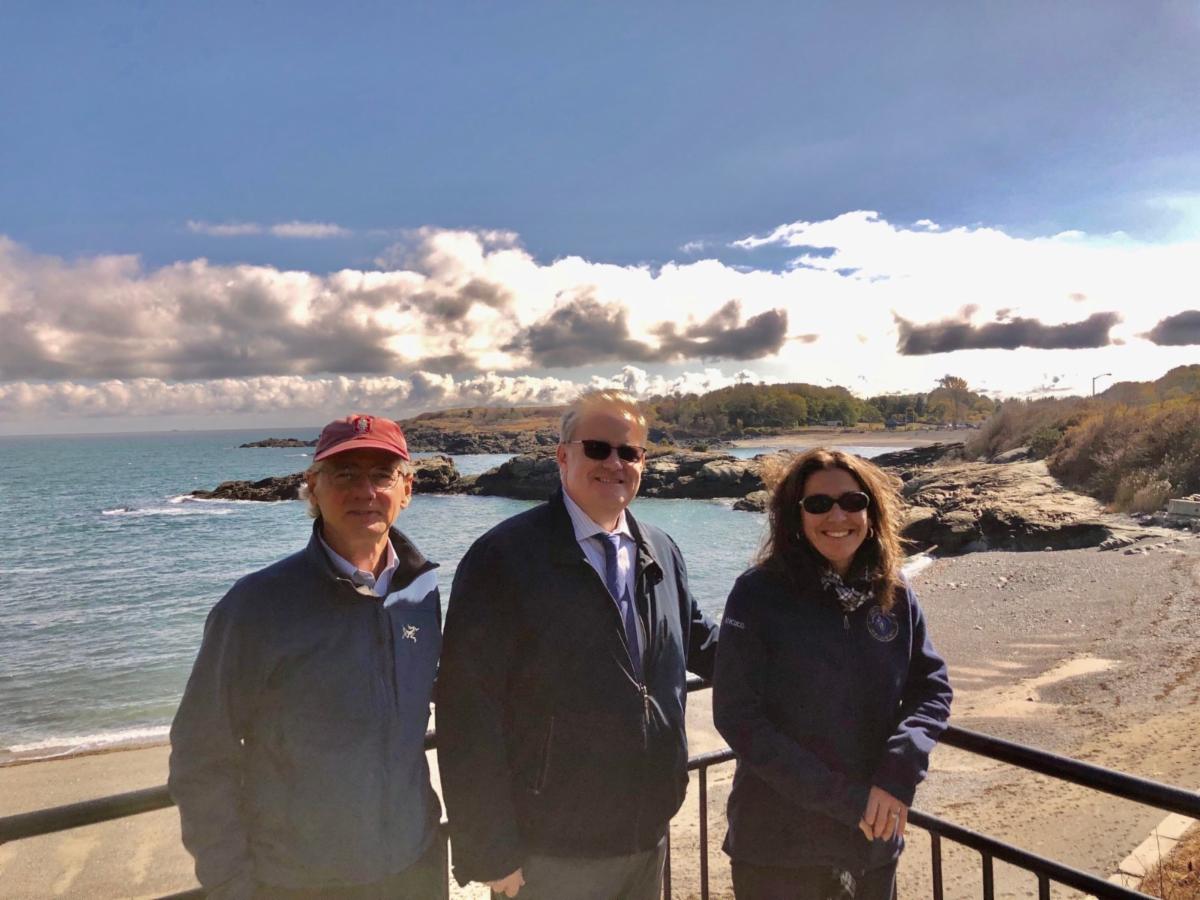
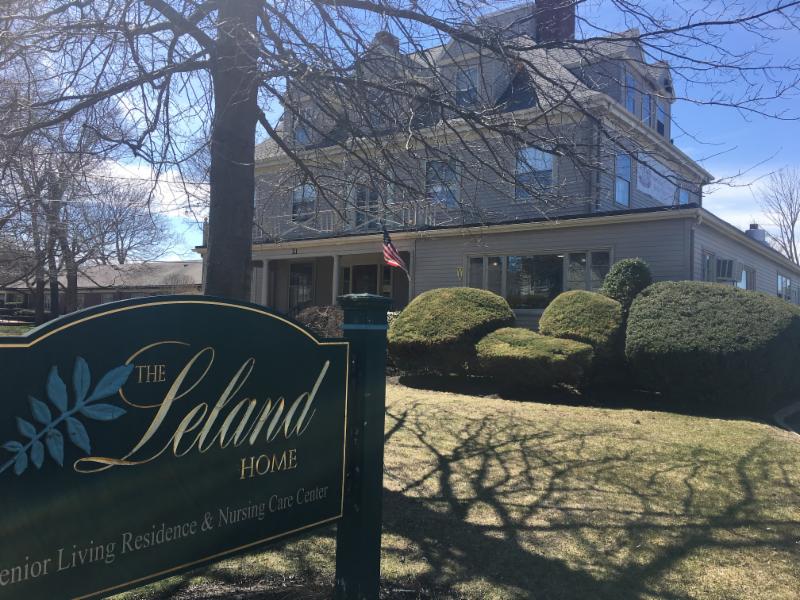
Representative Stanley and Representative Lawn joined their colleagues in the House in unanimously passing historic legislation to invest $1.5 billion in the Commonwealth's public education system. Known as The Student Opportunity Act, the legislation invests funding to support the needs of English learners and school districts that serve high concentrations of low-income students in order to help address persistent disparities in student achievement. In addition, school districts across the Commonwealth will benefit from updates to the existing funding formula, along with increased state investment in other vital education aid programs such as transportation, guidance and psychological services, school buildings and special education.
Waltham is projected to annually receive an additional $4.3 million dollars in Chapter 70 education funding over current funding levels. Total annual Chapter 70 funding would change from $14,846,143 today to $19,212,071. Waltham Public Schools will also receive an additional $730,000 next year to help with special education costs, a 20% increase over current funding.
The legislation fully implements the recommendations of the Foundation Budget Review Commission (FBRC) to ensure that the school funding formula provides adequate and equitable funding to all districts across the state and will provide an estimated $1.4 billion in new Chapter 70 aid over and above inflation when fully implemented over the next seven years. The Foundation budget estimates school districts' employee health care costs using up to date health insurance trend data collected by the state's Group Insurance Commission (GIC), and includes for the first time an amount for retiree health insurance costs; Increases special education enrollment and cost assumptions to more accurately reflect district enrollment and costs and increases funding for English learners (EL) that is differentiated by grade level to reflect the greater resources required to educate our older EL students.
Additionally, the bill will provide additional state financial support to help public schools and communities deliver a high-quality education to students, implements policy updates designed to maximize the impact of new funding in improving student outcomes and closing opportunity gaps, and identifies education policy areas requiring further analysis.
Waltham to Acquire UMASS Field Station
Rep. Stanley and members of the Waltham City Council approved $13.75 million to acquire the field station, a 58-acre UMass property on Beaver Street. Rep. Stanley had advocated for the purchase of this land and will subsequently, with Rep. Lawn and Sen. Barrett, help pass state legislation mandating that UMASS sell the land to Waltham. Funding will come from the city's Community Preservation Act (CPA), a fund established to preserve open space, protect historic preservation and create affordable housing. There are currently six sustainable agriculture tenants renting space at the field station, including the Waltham Land Trust and the Waltham Fields Community Farm, whose leases are set to expire at the end of the year.
Reps Stanley and Lawn pass Fiscal Year 2019 Supplemental Budget with Targeted Investments in Infrastructure, the Environment, Wellness and Education
Reps. Stanley and Lawn helped pass a supplemental budget allowing the Commonwealth to increase the balance of its "Rainy Day Fund" to $3.2 billion, invest in local infrastructure projects, and fight the opioid crisis. To strengthen Massachusetts' financial resiliency, the Legislature dedicated $400 million to the Commonwealth's stabilization fund, bringing the Rainy Day Fund's total balance to an unprecedented $3.2 billion, the first time the fund has reached that amount in its history. As part of the House's priority to protect the environment, the supplemental budget makes a $24 million investment for the testing of potential per- and polyfluoroalkyl substances (PFAS) contamination of water supplies and for grants to support treatment and remediation of affected public drinking water systems, and $35 million for the Clean Water Trust Fund.
In addition, the supplemental budget:
* Recognizes the need for increased investment in the MBTA by providing $50 million for additional staffing and contract costs to support capital project delivery, inspection and maintenance activities, and service diversions necessary to accelerate capital projects;
* Works to support the Commonwealth's public higher education institutions by investing $20 million in a program that encourages private fundraising with matching state dollars;
* Keeps with the House's priority to promote gun safety by including $10 million for gun violence prevention programs;
* Supports low-income households at the risk of eviction or facing foreclosure by investing $7 million for a rental and mortgage arrearage assistance pilot program;
* Continues the House's leadership on the Commonwealth's early education efforts by including $3 million for grants for early educator scholarships for school paraprofessionals;
* Support the House's priority of supporting Massachusetts' most vulnerable youth by investing $5 million in a program to expand access for students to community-based mental and behavioral health services in schools; and
* Includes $10 million reserve for salary increases for home health aides and personnel providing homemaker and personal care homemaker services.
Rep. Stanley supports bill to help identify hundreds of individuals buried at the Metfern Cemetery
In a letter to the chairs of the Joint Committee on State Administration and Regulatory Oversight, Rep. Stanley urged favorable action on House Bill 2779, legislation relating to access to public records. The bill would amend current law to create access to public records, currently under the custody of the state secretary, that were created more than 75 years ago for historical and genealogical purposes. These records contain some of the only information ever obtained about the hundreds of residents of the Fernald State School and other state hospitals and schools throughout the Commonwealth.
Over 300 people died while residing at either the Metropolitan State Hospital or the Fernald School for individuals with disabilities. They were buried at the Metfern Cemetery in unnamed graves, with just a number and letter to indicate whether they were Protestant or Catholic. Unfortunately, those individuals were most likely buried anonymously to spare families the embarrassment and shame of having a relative in a state institution.
Students from Gann Academy recently initiated a project to determine the names of the individuals buried at Metfern and provide a proper burial for these individuals. Their work is instrumental in ending the stigma of disability which perpetuates and violates the human rights of people with intellectual and developmental disabilities. With passage of H.2779, Gann Academy and others will be able to uncover the hidden lives of those individuals who were institutionalized in state facilities. Moreover, the importance of public access to these records becomes especially important to family members who have a deep desire to know the stories of their relatives and family members - uncles, aunts, cousins, parents or grandparents - whose memory has been lost.
Rep. Stanley asked House Committee on Ways and Means to support Nicky's Law
In a letter to Ways and Means Chair Michlewitz, Rep. Stanley expressed his support for legislation to protect persons with intellectual or developmental disability from abuse. The bill, also known as Nicky's Law, is currently under review in the House Ways and Means Committee. This legislation would establish a law that prevents individuals who have been proven to be abusive to not be allowed to work with individuals with intellectual or developmental disabilities. As a result, caretakers will be evaluated based off of their personal records in an effort to keep all care receivers safe.
This registry would be very important because all individuals with intellectual and developmental disabilities deserve to have caring and supportive caregivers to ensure the best possible outcomes. It will protect all individuals with disabilities from people who might be a risk towards their safety. This legislation proposes to include a registry for all offenders to be listed on in an effort to stop wrongful caregivers from working in these jobs. It will also ensure that all individuals added to the registry cannot find work for another caregiver job with a different group of individuals with intellectual and developmental disabilities.
Nicky's Law has been worked on extensively and received input from the DDS and DPPC, the Joint Committee on Children, Families and Persons with Disabilities and a number of stakeholders in the disability advocacy community. It is also a priority for The Arc of Mass and their 17 affiliates, Triangle, Advocates for Autism of Massachusetts, the Mass Down Syndrome Congress, the statewide Abuse Prevention Committee, Mass Families Organizing for Change and the Mass Developmental Disabilities Counsel.
Rep. Stanley Supports 2050 roadmap bill
Rep. Stanley wrote a letter to leaders of House Way and Means urging favorable action on House Bill 3983 which would create a 2050 roadmap to a clean and thriving commonwealth. This legislation is currently under the review of the House Committee on Ways and Means after being redrafted and given a favorable recommendation by the Joint Committee on the Environment, Natural Resources and Agriculture.
H.3983 would set interim emission targets of 50 percent below 1990 by 2030 and 75 percent by 2040, before the final net zero requirements in 2050. Moreover, the bill requires the Administration to develop a plan to meet the 2050 requirements by reducing emissions across all sectors (i.e. construction and transportation), providing a comprehensive roadmap for how the Commonwealth will achieve these goals. Only by engaging all sectors will we be able to transform our entire economy to prevent the worst impacts of climate change.
Massachusetts has long been at the forefront of addressing the impacts of climate change and promoting renewable energy. However, recent reports from the United Nations Intergovernmental Panel on Climate Change and the most recent National Climate Assessment warn that the challenge of preparing for and slowing climate change will get more difficult every year. With United Nations scientists giving the world only 12 years to take sweeping action, more must be done to avoid the devastation of irreversible climate change. The carbon emission reduction requirements under the 2008 Global Warming Solutions Act must be updated to reflect the most recent science on climate change. The Commonwealth simply cannot wait for the federal government to respond to the increasing threat of climate chance.
Rep. Stanley submits testimony to the Joint Committee on Environment, Natural Resources and Agriculture in support of legislation that would ensure safe drinking water in our schools
In a letter to Chair Pignatelli and Chair Gobi, Rep. Stanley urged favorable action on House Bill 774 to ensure safe drinking water in schools. Currently, Massachusetts offers optional lead testing programs to districts, but not all schools participate. Moreover, the program does not require that any action be taken if high lead levels are found. H.774 seeks to eliminate lead in drinking water in schools by requiring annual testing of all water fountains and faucets for lead. If the tests show elevated levels, the institution would be required to immediately turn off that fountain or faucet. The bill would establish the lead level standard for schools and child-care centers of one part per billion, so any water that tests to have lead levels higher than that would be deemed unsafe.
Schools and child-care centers would also have to make testing information easily available, as well as submit a plan of action and status report to the Department of Environmental Protection (DEP), and notify parents, teachers, and employee organizations that the information is also available to the public. Public water systems would be required to fully replace lead service lines at every school district, charter school, nonpublic school and child care center they serve within three years of the bill's passage. To help pay for the required renovations, H.774 creates the Lead in School Drinking Water Trust Fund, which would be administered by the commissioner of elementary and secondary education, with consultation from DEP.
In a recent report released by the U.S. Public Interest Research Groups and Environment America Research and Policy Center ("Get the Lead Out"), Massachusetts received a "D" grade on the state's existing policies protecting children from lead in water at school. If H.774 is passed, Massachusetts would have the strongest policy lead in drinking water policy in the country, according to the U.S. Public Interest Research Groups and Environment America Research and Policy Center.
Rep. Stanley supports bill to protect elephants, big cats, primates, and bears in traveling exhibits and shows
In a letter to the Joint Committee on Tourism, Arts Cultural Development, Rep. Stanley requested favorable action on House Bill 2934, legislation relative to the use of elephants, big cats, primates, and bears in traveling exhibits and shows. H.2934 ensures that the state will no longer play a role in endangering the safety of captive elephants, big cats, primates, and bears to inhumane traveling show conditions. The bill specifically prohibits the use of these animals in traveling shows in the state, allowing them to move and live natural lives. Banning these animals from these types of venues would also improve public health and safety as hundreds of people, including scores of children, are injured by elephants, big cats, primates, and bears used in circuses and traveling shows every year.
Currently, many kinds of animals are participants in circuses, fairs, and other traveling shows where they are unfairly treated and even harmed. Disadvantaged from not being in their natural environment, these highly intelligent, social animals are being subjected to cruel treatment and a life on the road where they are deprived of exercise and the ability to express even the most basic, natural behaviors.
Rep. Stanley lobbies to promote public safety and better outcomes for young adults
Rep. Stanley urged the Joint Committee on the Judiciary to favorably report legislation that will promote public safety and better outcomes for young adults. H.3420 will ensure that all young adults in the court system are properly charged and punished for their actions, with the ability to grow from their actions and participate in rehabilitation programs. H.3420 would increase the upper age in delinquency and youthful offender (Y.O.) cases to gradually include 18, 19, and 20 year olds over three years. The bill also expands the upper age of commitment to DYS for emerging adults (18-20) to ensure there are adequate opportunities to rehabilitate older youths entering the system.
Currently, young adults across Massachusetts are being put into the state's adult correctional facilities where they aren't able to access the support services needed to be properly rehabilitated and integrated back into society. While many youths "age out" of offending by their mid-twenties after receiving developmentally appropriate interventions, continued exposure to such toxic environments (jails) not only entrenches them in problematic behaviors, but actually increases recidivism rates. Recidivism among young people incarcerated in adult corrections is more than double those of similar youth released from the Department of Youth Services (DYS) care. Moreover, the Council on State Governments' final report identified emerging adults as a key priority for reform, with the highest recidivism rate in the Commonwealth.
Baker Administration Announces $1.8 Million from American Student Assistance for High Schools to Launch Innovation Pathways Programs
Governor Baker announced the availability of $1.8 million in grants to help high schools across the Commonwealth develop programs that prepare students for college and careers. The Baker Administration also awarded grants to 21 Massachusetts high schools approved to develop Innovation Pathways programs aimed at giving students knowledge and internship experiences in growing industries in the Commonwealth. The grants totaled more than $354,000.
American Student Assistance, a national nonprofit based in Massachusetts that helps students find their path and plan for their future, chose to award the grant to the Governor's Workforce Skills Cabinet to help fund college and career preparation programs, known as Innovation Pathways. This is the first time the organization has awarded a major grant to support college and career pathways in high schools.
It's healthcare open enrollment season!
The Massachusetts Health Connector is the state's Marketplace for health and dental insurance. If you need to enroll or make changes to your health insurance, Massachusetts Health Connector can help you find the right coverage.
Learn more.
Apply for the 2020 Municipal Firefighter Exam
The 2020 Municipal Firefighter Exam consists of two components, a written test and an entry-level physical ability test (ELPAT). Find key dates and resources for the entry-level exam
here.