|
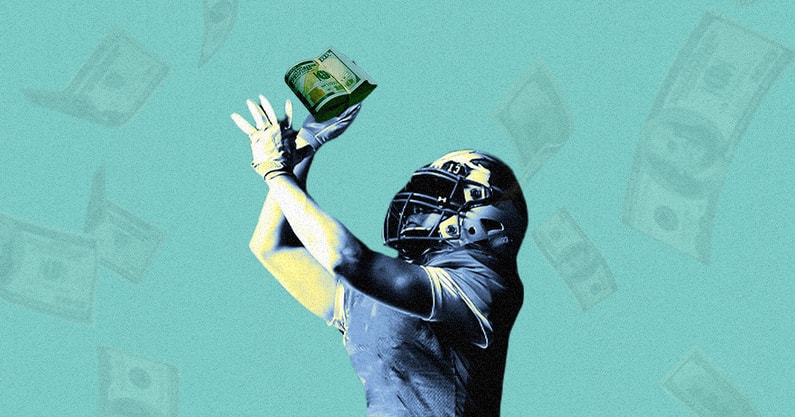
The start of college football later this month will bring with it a renewed focus on NIL deals and whether or not college athletes should get paid. To some degree, the question seems to have been settled with the Supreme Court, NCAA policy, and public opinion all coming down in favor of athletes receiving compensation for playing their prospective sport. Then why does there still not seem to be consensus on this topic?
The arguments on both sides closely resemble the arguments during the emergence of professional golf and tennis leagues to compete with amateur leagues. For years pros were prohibited in competing in golf and tennis U.S. Opens to “protect the integrity” of the sports. The same argument is the cornerstone of the NCAA’s position, while the opposite side says the only party benefitting from the prohibition of student-athlete compensation is the NCAA itself. It’s no secret that top programs have been paying athletes and their families in top sports for decades, with the only deterrent from doing so being public shaming for those that are caught. The introduction of NIL was the first step in bringing the compensation of athletes out from under the table. Where will it go next?
NIL is designed to allow student athletes to be compensated based on their own personal brand without being paid directly by the schools they represent. Few athletes ever achieve the level of stardom to reach brand awareness, so American ingenuity quickly created the current solution used by most schools: Collectives. Rather than donating directly to the school or athletic program where the money can’t be used to compensate athletes, collectives pool funds from boosters, local businesses, and fans outside the school’s reach (a policy ardently maintained by the NCAA) and are distributed to athletes in return for NIL agreements.
The NCAA’s insistence on forbidding schools themselves to compensate their student-athletes has created a wild-west in the infant stages of athlete compensation. The insistence of “protecting the integrity” that caused the prevalence of under-the-table payments to college athletes has now created a situation where schools have little to no control over the future success of their athletic programs and forcing them to rely on unaffiliated parties to raise money for their student-athletes. As of June 27 this year, 92% of Power 5 schools had a collective. Those that don’t either have to join the pack quickly or face the potential of significant decline in recruiting success compared to those that already have a collective.
The more that I think about it, maybe we should've figured out the “how we pay college athletes” question before we answered the “if they should be paid" question. Then again, maybe those two questions are two sides of the same coin. "Show me the incentive, and I'll show you the outcome" -Charley Munger
|