|
By Lingrui Zhou, Katherine M. Du and Keisha M. Cutright
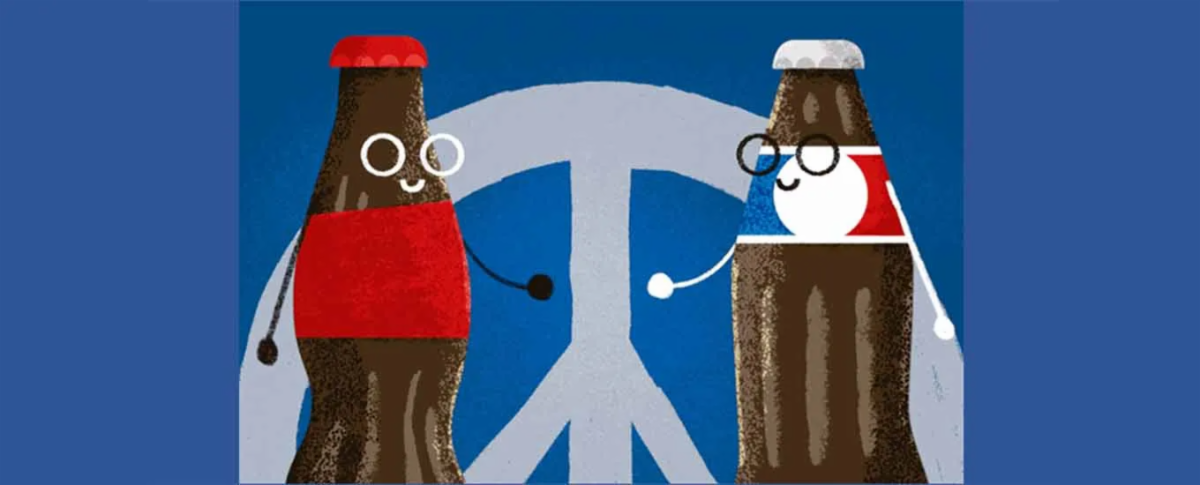
The day Nintendo launched the Switch gaming system, both Xbox and PlayStation made a surprising move: They publicly congratulated Nintendo on Twitter. Brands typically avoid complimenting their competitors because they do not want to offer a rival brand free publicity. However, the response to this was positive. The posts generated a significant number of likes and retweets for Xbox and PlayStation. In fact, these compliments, on average, generated over ten times more likes and retweets for the brands than their usual content.
A new Journal of Marketing study explores what happens when brands communicate positively toward their competitors. Our research team ran nearly a dozen experiments that show that a brand that compliments a competitor ends up boosting its own reputation and sales.
In our initial experiments, we compared a brand complimenting a competitor, which we term “brand-to-brand praise,” to traditional brand communication, such as self-promotional messages or informative content. We discovered that brand-to-brand praise indeed boosts preferences for the praiser brand. In one particular experiment, we showed half of the participants a fictitious tweet in which Kit Kat complimented a top competitor, Twix (“@twix, Competitor or not, congrats on your 54 years in business! Even we can admit – Twix are delicious”). We showed the other half of participants a tweet in which Kit Kat mentioned its own products (“Start your day off with a tasty treat!”). After 11 days, we asked participants to report any candy purchases since the time they completed the study. Those who saw the tweet in which Kit Kat praised Twix purchased Kit Kat 34% more frequently compared to those who saw the tweet from Kit Kat about its own product. Importantly, we found that Twix sales did not increase, even after Kit Kat called Twix delicious.
Click here to continue reading article
|