April 30, 2024

Top stories


Press Freedom


CRAFT
Disinformation, Elections & Democracy: How journalists can spot and disarm current tactics to influence voters. Wednesday, May 1, 11:30 a.m. to 12:30 p.m. ET. Ethics in an age of disinformation webinar series. Part four of four, produced with support from the Inasmuch Foundation.

TOMORROW: How journalists can spot & disarm tactics to influence voters


Join the National Press Club Journalism Institute for a practical look at current tactics used by disinformation specialists to disrupt the 2024 election and what journalists can do to counter them.


This virtual session, taking place at 11:30 a.m. ET on Wednesday, May 1, will empower journalists with the tools to challenge election-specific disinformation and lies with tact and authority while respecting audiences who may be vulnerable to such campaigns.

REGISTER NOW

Covering the Columbia University protests as a student journalist


More than 100 protestors were arrested in an April 18 police sweep of the “Gaza Solidarity Encampment” on the Columbia University campus, authorized by university president Minouche Shafik. The university’s gates have been mostly closed to outside press, citing security, except for a few hours a day. Since then, the Columbia Daily Spectator’s student journalists have been the primary source of information about the increasingly contentious pro-Palestine and pro-Israel demonstrations on the university’s campus. 


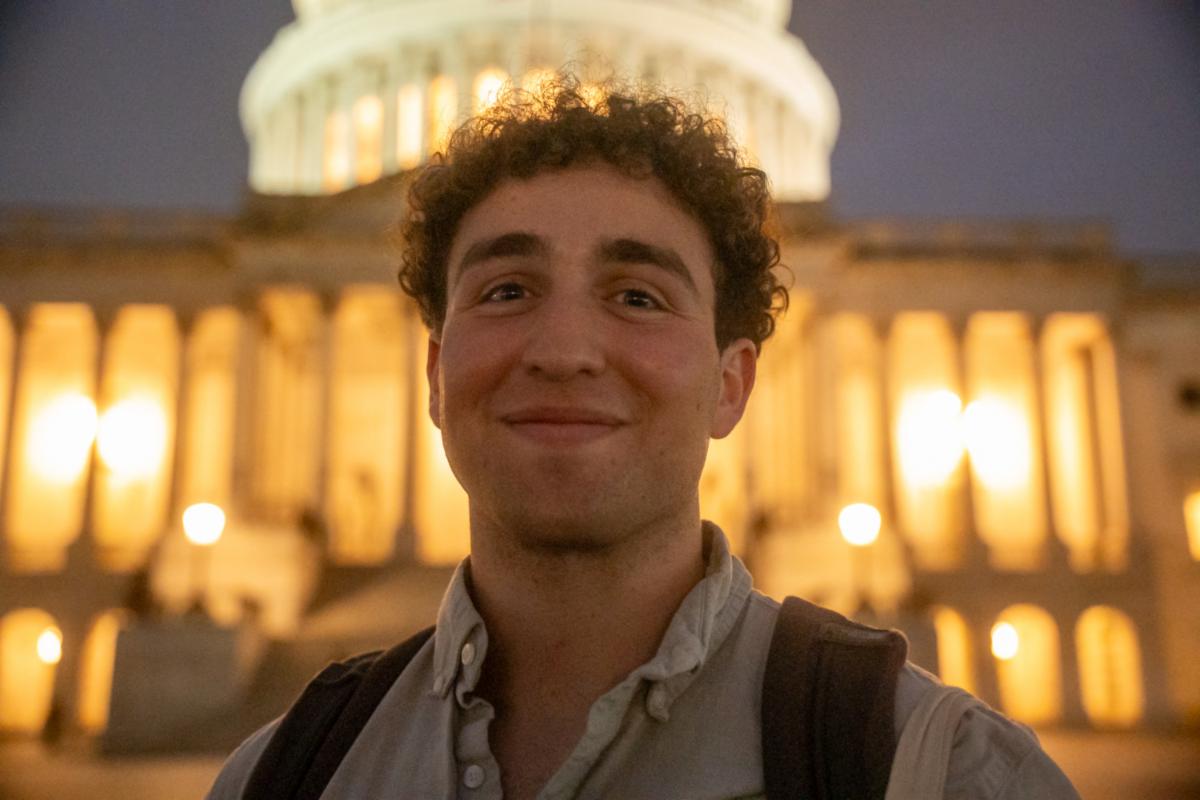
The moment has been exciting and exhausting for the Spectator’s reporters. One is Noah Bernstein, a deputy news editor at the Spectator. The National Press Club Journalism Institute’s Bara Vaida reached out to Bernstein last week to talk to the 19-year-old sophomore about how he is managing his reporting while studying for finals.


What’s it like to be a student journalist covering this moment right now?


Bernstein: Being a student journalist is both the biggest asset and liability at this moment because there are various [times when] only Columbia affiliates, including students, are able to access campus, [and] members of major media outlets [cannot]. So being a student journalist [means we are the only ones who can] cover [the story]. On the flip side, we are still students. We have our last day of class on Monday. We have finals soon thereafter. I don't think I, or any of my colleagues, have ever written and edited and taken photos and interviewed and reported at the level that we have been doing in the past week. 


And is everyone being supportive of one another as staff? Are there any divisions about how to cover this story?


Bernstein: There's always disagreement, like any newsroom, but the general consensus [is that] actually [everyone has] been quite collaborative and supportive. I've even gotten to engage with a number of Spectator alumni, all of whom have been supportive both with their expertise and insight and, in some cases, with sourcing. And then in more practical cases like people [have been] just sending us money to buy food, [so when we are working] in the office overnight, [it’s] frankly [been] quite nice to have Panda Express on the Spectator’s dollar.


Has it been challenging to separate your own personal feelings about how this story is unfolding while also maintaining objectivity as a reporter?


Bernstein: I have opinions. I’m an opinionated person. I think one thing that's been an important central belief of mine is that …. delivering facts is absolutely the most important thing for any important opinion to be argued. That has reigned supreme, at least for me, [and] for many other members of our newsroom. [This experience] has been, … endlessly intellectually stimulating. Also, unfortunately, emotionally stifling. But that's par for the course. Right? And at the same time … certainly in my reporting and just in friendly, casual conversations, [many] envy my position on Spectator because it's a platform for me to engage with issues that are very complex and need to be dealt with and [being a reporter] is a great way to do that.


What has been most surprising to you over the past week of covering this story?


Bernstein: The earnest and frequent support that I've received from people from all parts of campus life, friends, faculty, friends from back home, [and people] who have no affiliation with Columbia but who have been following our reporting very closely and have been complimenting [the coverage] in a way that feels encouraging. Many of us on staff are not used to reaching such a wide audience of readers. I used to be excited when a piece would get a few thousand engagements online. And now we're looking at hundreds of thousands of eyes on this coverage. … And our coverage is now a part of the [national] discourse. It is a pleasant surprise. Also, somewhat daunting, but it's welcome.


Read the complete interview with Bernstein on our website.

Leaders advocate for their teams (even when it's uncomfortable)


"Management pro tip: Advocacy breeds trust. Trust breeds loyalty. Loyalty breeds productivity. Advocate for your employees, even when it feels uncomfortable. Good employees will give their best to the bosses who have their backs, and in the long run, that benefits the whole organization.”


- Rhema Thompson Bland, deputy director of news talent acquisition & development for McClatchy

COMMUNITY

While in exile, Juan Luis Font continues coverage of Guatemala


In honor of World Press Freedom Day on May 3, members of the National Press Club’s Press Freedom Team have interviewed journalists in exile living in the U.S. We will feature their stories this week to shed light on global press freedom issues.


By Pat Host, National Press Club Press Freedom Team volunteer


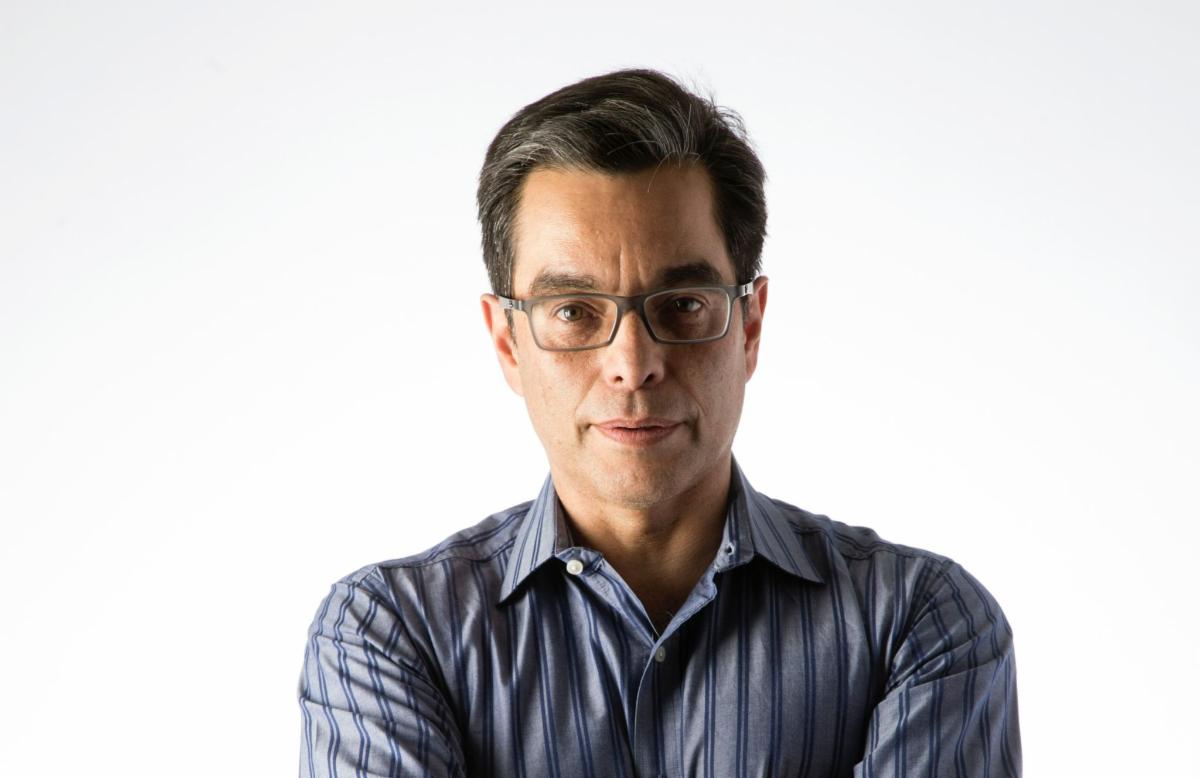
Juan Luis Font, a Guatemalan journalist living in exile in the U.S., isn't allowing his challenging circumstances from practicing the profession he loves.


Font left Guatemala on April 1, 2022, under persecution from the attorney general's office against prosecutors, justices, magistrates, and journalists who were outspoken about corruption among government officials. Font said former Guatemalan communications minister Alejandro Sinibaldi is persecuting him, falsely accusing Font of accepting bribes for positive news coverage.


Additionally, Font said he's being harassed by an organization called Fundación Contra el Terrorismo. This group defends Guatemalan army officers accused of human rights violations during the Guatemalan civil war that took place from 1960 to 1996.


But Font continues his work from the United States by putting on his popular ConCriterio radio talk show every morning, which is broadcast online and on Radio Fabulosa in Guatemala. Here, Font discusses the most important political, social, economical, and cultural trends in Guatemala. He also talks about the authoritarian politicians who have come to power in Central America.


“Exile can be a very hard and painful phenomenon in life, but it can also be enriching,” Font said. “I am so stimulated by listening to NPR, reading newspapers, watching the discussions on TV … I'm interested in my profession and I want to keep doing things.”


Font loves journalism so much he's creating his fourth news product in his 33 years as a journalist: GuateNews, a news site for Guatemalans living in the U.S. Font also created ConCriterio, the ContraPoder weekly news magazine, and the “A las 8:45” television talk show. Font co-founded the prestigious elPeriodico daily newspaper with José Rubén Zamora, who has been incarcerated in Guatemala since July 2022 for his reporting.


Font estimates that around 23 Guatemalan journalists have been forced into exile. He said many of them live in Costa Rica, Mexico, and Washington. About 30 percent of these exiled Guatemalan journalists, he said, still have work related to journalism. But a few of them have left the profession, performing jobs such as running a parking lot in Los Angeles or performing food delivery around Boston.


Though he does not have current charges against him, Font believes he would be locked up if he returned to Guatemala. This, he said, is because Guatemala's justice system and its attorney general's office are controlled by people who oppose democracy and who could find a judge to issue a detention order and incarcerate him indefinitely.


Font said that many Guatemalans are aware of his exile. Even if they don't share the will of the former government and the legal institutions persecuting him, Font said that many view his exile as normal. This is because Guatemala has been an unstable society that does not have democratic principles in its personality, he said.


Font was at first inspired to become a journalist because he found politics fascinating. But his interest in politics led to journalism, where he enjoyed the journalistic process — talking to sources, gathering and verifying information, and explaining to news consumers the issues of the day.


In addition to the U.S., Font has also lived in exile in France and Mexico. While living in exile can be stressful due to one's uncertain migratory legal status, Font said he's been lucky most of the time. Many people have offered help to him and he's been able to continue reporting and keep his opinion alive in Guatemala.


“I haven't stopped [doing my radio show] even one single day,” Font said. “I'm very proud of having been able to keep doing my job for all this time.”


On Friday, May 3, at 1 p.m. the National Press Club will host a livestreamed roundtable discussion on the state of press freedom. This 90-minute discussion will explore the year’s biggest stories in press freedom and the state of press freedom around the globe. 

Resources


This newsletter is written & edited by the National Press Club Journalism Institute staff: Beth Francesco, Bara Vaida, and Holly Butcher Grant. Send us your questions and suggestions for topics to cover.


Get this from a friend? Subscribe, and view the archives.

Facebook  Twitter  Linkedin  Youtube  

DONATE TO THE INSTITUTE


The National Press Club Journalism Institute promotes an engaged global citizenry through an independent and free press, and equips journalists with skills and standards to inform the public in ways that inspire a more representative democracy. As the non-profit affiliate of the National Press Club, the Institute powers journalism in the public interest. The Institute's tax ID number is 52-1750908.