April 27, 2023

Top stories

U.S. sanctions Russian, Iranian security services over wrongful detentions (Wall Street Journal) / Russia denies visit to American reporter in visa retaliation (Associated Press) / WSJ, WaPo, NYT leaders run joint ad demanding reporter's release (Axios) / National Press Club statement on denial of consular visits to Evan Gershkovich (NPC/JI) 


Photographer captures Biden holding 'cheat sheet' during press conference (PetaPixel) / Biden ‘cheat sheet’ did not contain ‘pre-scripted’ question as some have alleged (Mediaite) / The dirty little secret of White House news conferences (Washington Post) 


Tucker Carlson breaks his silence, but doesn't say what's next (Washington Post) / Tucker Carlson video nets 57 million views in less than 24 hours (The Hill) / Fox has a secret 'oppo file' to keep Tucker Carlson in check, sources say (Rolling Stone) / Newsmax ratings climb after Tucker Carlson’s exit at Fox (New York Times) 


Don Lemon: ‘I’m a survivor’ (Extra) / Don Lemon on what’s next after CNN (TIME) 


Michael Cavanagh set to run NBCUniversal for the long term (Broadcasting & Cable) / Comcast CEO Brian Roberts calls Jeff Shell departure 'a tough moment' (Los Angeles Times)


Marly Rivera, ESPN baseball reporter, fired after on-field incident (Washington Post) 


Dana Bash to lead CNN’s ‘Inside Politics’ as John King shifts to 2024 election project (The Wrap) / Dana Bash calls out Los Angeles Times over coverage of new role: ‘Do better please’ (The Hill) 


‘Vice News Tonight’ canceled amid company layoffs, refocus on digital video and news documentary (The Wrap) / Internal memo from Vice leadership announcing cuts including the end of Vice News Tonight’ (Max Tani)


Time to remove digital paywall (Axios) 


The first Substack dedicated to war correspondence launches (Nieman Journalism Lab) 


Wall Street Journal Magazine editor to resign (Washington Post)


Kerry Bean named McClatchy vice president of news publishing and partnerships. (McClatchy)


Audience loyalty may not be what we think (Nieman Journalism Lab) 


Roy Wood Jr. says he has a big responsibility as the featured entertainer at the White House Correspondents' dinner (CBS News) / Arnold Schwarzenegger set to kick off White House Correspondents' Dinner in cold open (Hollywood Reporter) 


Joe Biden’s secret Oval Office TV (and other media habits of the 46th president). (POLITICO)


Press Freedom


Ukrainian journalist's death leads to investigation and criticism (NPR) / Sniper kills fixer and wounds Italian reporter in Ukraine (BBC News) 


China, Iran top index of jailed writers (VOA)


Friends of Vietnamese dissident suspect state-sponsored abduction in Thailand (VOA)

CAREER

3 things to know about the next generation of journalists, from a j-school educator

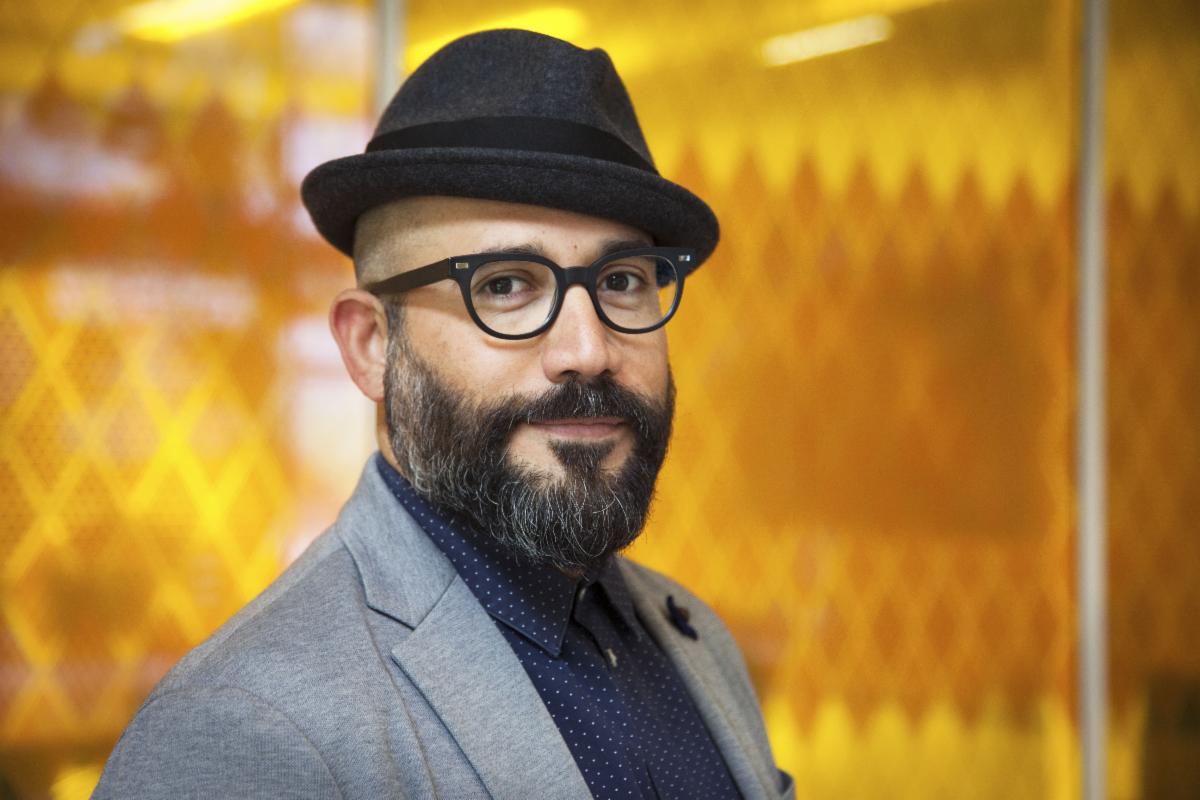
Robert Hernandez

With graduation around the corner, a new wave of entry-level journalists will soon enter the workforce. 


We asked Robert Hernandez, professor of professional practice at USC Annenberg, to share insights about the next generation of journalists. Hernandez is an award-winning journalist with a focus on exploring and developing the intersection of technology and journalism.

What are three things to know about students coming out of journalism school right now?


Hernandez: They are impatient, won't tolerate inefficient and ineffective ways we do journalism — or the culture we produce journalism in. This isn't a fear or laziness around "paying their dues." They are just more vocal and more active about working in places that are no longer debating whether or not to be a modern, digital news organization.


They are not expecting any news org to have solved the digital challenges, but they are expecting to be part of the solution to help their organization get closer to those answers. They bring in perspectives of current and future news consumers and they know what they want/expect in a news product ... if your news product is not evolving, they aren't going to work for you for long.


Pay them. No one pursues a career in journalism thinking they are going to make a fortune, but this generation is not going to be abused for low pay. There is a growth in unionization as a way to force news organizations to treat their employees fairly. If this makes you uncomfortable, you are likely part of the problem that has led to journalists to be frustrated with the poor pay and treatment. And a shift is coming ... best embrace it rather than fight it. Pay them.


What can journalism organizations do to help these emerging journalists succeed?


Hernandez: Do not talk down to them. Do not dismiss them. Do not apply the same framework that exploited young talent in the past. Their expectations have changed, and if you won't treat them well and pay them fairly, they will walk, leave your news org for another, or leave the industry entirely. These modern content creation skills are in demand in many industries, not just journalism ... but the importance of our type of content has never been so essential. They are here to produce quality journalism, but they are not going to waste away their lives while being mistreated.


What advice do you have for students about to graduate before starting their first journalism job?


Hernandez: Assuming they haven't secured a journalism job yet: The most important piece of advice is to network. Realize that the human network is the key to succeed in any industry, including journalism. As you fight your way into our industry looking for a job that will value you and work skills, don't sit idly. Take advantage of the reality that creating quality and effective journalism can be produced without the backing and funding of a newsroom. Apply your acquired skills and make a piece of multimedia journalism that can become an example of the journalism you want to be paid to produce. 


Assuming they have secured a journalism job but haven't started: Find and get to know others of your demographic inside your new employer. You are not alone and, realistically, you are not going to reinvent the wheel. But you — with your colleagues — can help the org evolve. There is strength — and sanity — in numbers. Find colleagues that care. Sometimes that means connecting outside of your news org and may be found inside of a "competitor" org. If you can't find community, build it. Organize informal meetups/happy hours. 

CRAFT

Next week: Exiled journalists share firsthand accounts of navigating asylum and work abroad

As part of our extended World Press Freedom Day activities, the National Press Club’s Press Freedom Committee and the Institute are hosting an online panel discussion at 11 a.m. ET on Thursday, May 4, to highlight cases of exiled journalists from around the world. 


The reasons an increasing number of foreign journalists are making the difficult decision to flee their home countries vary — from government crackdowns to foreign invasions, military coups to drug cartel threats. As more journalists seek asylum and try to build a life abroad, the support they receive in their new locations can vary greatly and, with it, the ability of these exiled newsgatherers to practice their craft. 


Join us to hear what life has been like for a few of these exiled journalists since they made the decision to pursue life and freedom abroad.

REGISTER NOW

Meet the panel:

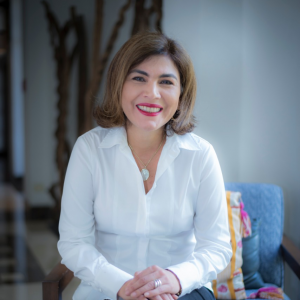
María Lilly Delgado is a co-founder of Traces of Impunity, a data and investigative journalism effort that highlights human rights violations in Nicaragua. Until late 2021, she worked as a freelance correspondent for Noticiero Univision, reporting on the socio-political crisis in Nicaragua until threats prompted her to go into exile in Miami.

Muhamadjon Kabirov is the editor-in-chief of Azda TV, a Tajik-language news network based in Poland, and board president of the Foundation for Intercultural Integration, which assists refugees in Poland.

Sonny Swe is a co-founder of Frontier Myanmar, an independent media organization now operating out of northern Thailand that covers Burmese news. Swe previously spent nearly a decade in prison for breaching the military junta’s censorship laws during his time running The Myanmar Times, an English-language newspaper that he also founded.


Masrat Zahra is an independent photojournalist from the Indian-administered region of Kashmir. Her photographs of human rights violations prompted the Indian government in 2020 to charge her with “anti-national activities.” Fearing arrest if she is forced to return to India, Masrat is a Knight Wallce fellow at the University of Michigan.


Moderator: Preethi Nallu is the global director at Report for the World and the former founding editor of the news outlet Refugees Deeply

COMMUNITY

Share your work (and your tips!)


Great journalism happens every day in communities across the U.S. Readers, we want to celebrate and amplify your great work in this newsletter. If you’d like to share a journalistic piece you’re proud of — and tips for how you did it — let us know! We could feature you and your work in this space.


Please complete this brief form to be considered for our subscriber spotlight.

Resources

This newsletter is written & edited by the National Press Club Journalism Institute staff: Beth Francesco and Holly Butcher Grant. Send us your questions and suggestions for topics to cover.


Get this from a friend? Subscribe, and view the archives.


If you value this newsletter, consider supporting The Latest with a tax-deductible, recurring gift to the Institute: Even $5 a month will help fund the technology and time it takes to provide this important service.  

Facebook  Twitter  Linkedin  Youtube  

The National Press Club Journalism Institute promotes an engaged global citizenry through an independent and free press, and equips journalists with skills and standards to inform the public in ways that inspire a more representative democracy. As the non-profit affiliate of the National Press Club, the Institute powers journalism in the public interest.