May 7, 2024

Top stories


Press Freedom


CRAFT

‘Dogged patience’: CBS News investigations director on how to succeed in investigative reporting

Investigative reporting is the hallmark of accountability journalism. But what does it take to become a good investigative reporter? 


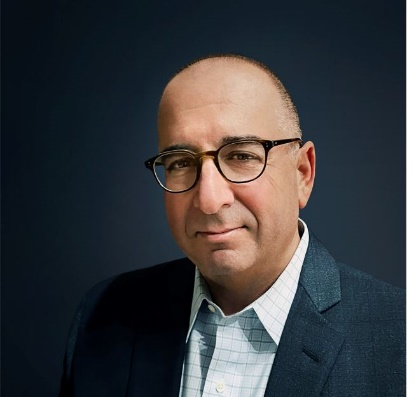
To learn more, we talked with Matthew Mosk, director of CBS News’ investigative unit, to learn what skills it takes to succeed as an investigative journalist, obstacles that he has overcome, why he finds the work so satisfying, and why young journalists should explore investigative stories.

What skills do you need to be a successful investigative reporter?


Mosk: Great investigative reporters have a natural ability to build trust with sources and dogged patience to ferret out documents and wade through complex topics. But, in my book, the most important quality is the fortitude to overcome obstacles and barriers that invariably crop up to impede that story from being told. When the producer on the CBS News investigation into the military’s failure to provide honorable discharges to LGBTQ+ service members dismissed under Don’t Ask Don’t Tell made inquiries to both the victims AND the Pentagon, they were resistant to talking about it. Only through dogged pursuit of sources and documents did the stories come together and force the military to change its policy.


What advice do you have for a journalist who might be interested in pursuing investigative reporting?


Mosk: Do it! Investigative reporting is hard, sometimes agonizingly so. But there can be great satisfaction in seeing a story expose wrongdoing, help bring a just outcome and improve lives. One word of advice: Meet people in person. Emails are never the way in. And, even though the news landscape has changed, the best opportunities for a young, aspiring journalist are still grounded in small market news operations, where there is room to learn and do every type of story. 


Can you give an example of an obstacle that emerged while pursuing an investigative story and how you overcame it?


Mosk: One of the biggest challenges I faced moving from newspapers to network television came with reporting from sources who wanted to remain anonymous, often because they faced serious risks or pushback to talking publicly. Protecting sources is a mainstay of investigative journalism, but television often needs key players to speak on camera. When our team was examining alleged shortcomings in the way social media and online dating companies had responded to the recent rash of romance scams, we leaned on reporting from industry insiders. But, they were concerned about the consequences of speaking publicly on network television.


We overcame that roadblock by using the insights of anonymous insiders to help us ask the right questions to outside consultants and law enforcement experts who could speak without fear of reprisal. 


We are hearing reports that investigative reporters are increasingly being threatened with lawsuits even before stories have been published or broadcast as a new tactic to stifle news reports. Have you or CBS been subject to pre-defamation legal threats? 


Mosk: I have watched the rise of corporate and crisis PR over the years and seen all manner of tactics used to try and stymie or intimidate reporters. The pointedly worded legal letter is not new. That said, there are times that engagement – even if it’s hostile – can at least initiate an open dialogue. It can be far more challenging when the subject of an investigative report refuses to communicate at all. The legal environment for investigative reporters has always been thorny. Fortunately, I have had the benefit of working with incredibly talented first amendment lawyers who help us navigate these waters.


What do you find most satisfying about being an investigative reporter?


Mosk: I believe that everyone who does this work hopes that each story will bring positive change. But, the part of the work I cherish the most comes from the friendships made along the way – with colleagues, and also with sources. So much of this work relies on earning the trust of the people we seek out, or who seek us out. I am in their homes, meeting their families, and may be engaging with them on issues that are deeply personal or highly emotional. Those interactions may start with a single story, but when all goes right, they are bonds that can be sustained over years, or even a lifetime.

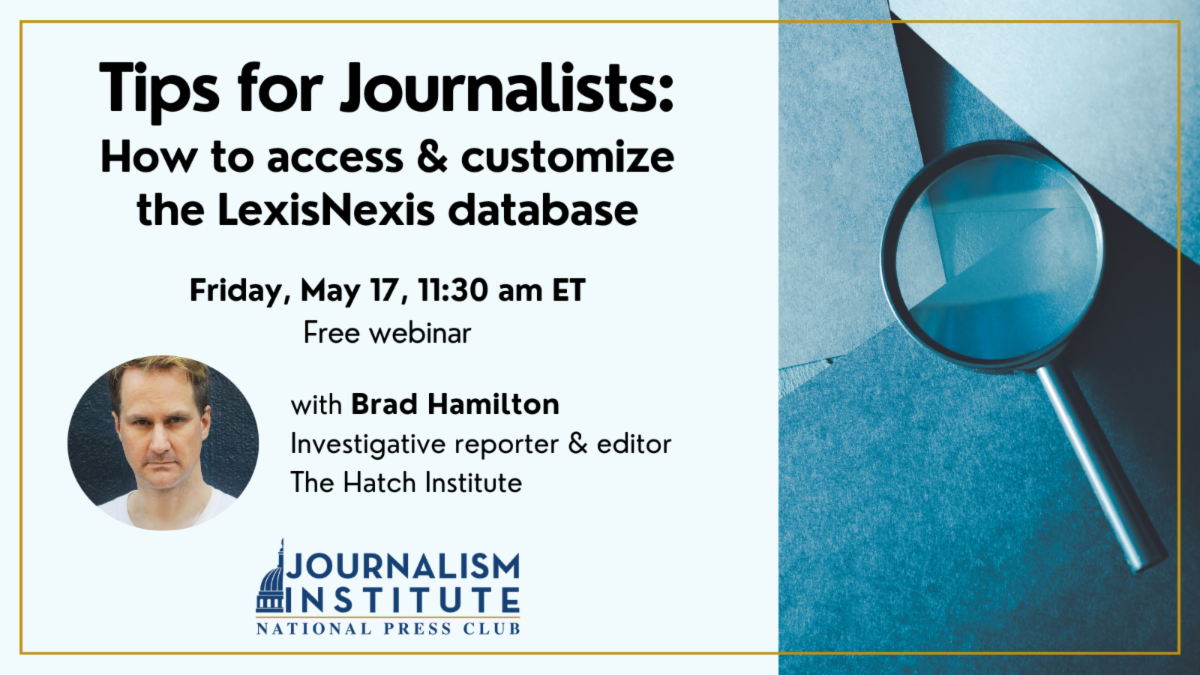
Tips for Journalists: How to access & customize the LexisNexis database. Free webinar on Friday, May 17, 11:30 am ET. Featuring Brad Hamilton, investigative reporter & editor, The Hatch Institute

Learn how to access & customize the LexisNexis database: May 17

Research is the basic starting point for developing story ideas, gathering information, and fact-checking. Among the places to start is using LexisNexis — a database of legal, business, government, high-tech, and news articles. Many of these articles are not available through a basic Internet search because they are behind a paywall.


With millions of articles within the LexisNexis database, it can be easy to get lost in the database. Knowing how to customize it for your reporting purposes is key.


Join the National Press Club Journalism Institute for a webinar at 11:30 am ET on Friday, May 17. Participants will learn how to use and customize LexisNexis.


Award-winning investigative reporter and editor Brad Hamilton will walk participants through how to customize LexisNexis to source stories, find unexpected story angles, and to identify and reach potential sources through LexisNexis’ Contact References database.

REGISTER NOW

While LexisNexis is a fee-based database service, some newsrooms provide access to staff. Most public libraries provide access to their communities, and National Press Club members have free access to the LexisNexis database as part of their annual membership.

CAREER

Improving mental health in the workplace


“When it comes to challenging and changing the culture of local news organizations, we have to start with the basics by stepping back from the complexities, which can over-inundate us … Harvard Business Review uses a career growth strategy, ‘from/to’ statements, to do this. This ‘current state/future state’ tactic is clear and begets concise, memorable direction. You’ll write two brief statements — one describing where you are today and one describing where you aspire to be. Keep in mind, though, that organizational culture change isn’t a direct shot and won’t happen overnight. Tempering our expectations and being committed to the long game is critical for measuring and sustaining newsroom well-being. Consider where you are now versus where you aspire to be. Consider this both for you as a news leader or as an individual contributor and also for your organization.”


-- Samantha Ragland, vice president, journalism programs, American Press Institute, excerpt from "Steps for imagining what better mental health in news looks like" (American Press Institute)

COMMUNITY

Resources


This newsletter is written & edited by the National Press Club Journalism Institute staff: Beth Francesco, Bara Vaida, and Holly Butcher Grant. Send us your questions and suggestions for topics to cover.


Get this from a friend? Subscribe, and view the archives.

Facebook  Twitter  Linkedin  Youtube  

DONATE TO THE INSTITUTE


The National Press Club Journalism Institute promotes an engaged global citizenry through an independent and free press, and equips journalists with skills and standards to inform the public in ways that inspire a more representative democracy. As the non-profit affiliate of the National Press Club, the Institute powers journalism in the public interest. The Institute's tax ID number is 52-1750908.