February 9, 2023

Top stories

NewsNation reporter released from jail after arrest at Ohio news conference (NewsNation) / Police: Reporter pushed down, arrested had refused to leave (AP News) / ‘Based on the video available, it appears NewsNation reporter Evan Lambert was arrested for doing his job at a press conference. Even Governor Mike DeWine seemed perplexed by what happened and called it wrong.’ (Taylor Popielarz) / ‘NEW: Cell phone video obtained from NewsNation source shows law enforcement official grabbed correspondent Evan Lambert by the arm and pulled him out of a room where a press conference was being held. Seconds later, Lambert was arrested.’ (Matthew Keys)


NBC and MSNBC staffers walk off the job to protest layoffs (Daily Beast) / 'The NBC Guild chair Tate James says that the decision to walk out resulted from a growing belief that NBC News management is excluding the union from key employee matters, such as the process of negotiating layoffs and the terms of severance agreements.' (Eddie Du)


Twitter suffers major outage, prompting emergency fix and apology (ABC News) / ‘Elon has emailed staff following the Twitter outage. “Please pause for now on new feature development in favor of maximizing system stability and robustness, especially with the Super Bowl coming up.” ’ (Kylie Robison)


Exclusive: Yahoo to lay off more than 20% of staff as it shrinks ad biz (Axios)


After 19 years, Spanish-language newspaper Al Día’s staff is disbanded (Dallas News Guild)


Disney reorg: Dana Walden, Alan Bergman gain streaming, international; Rebecca Campbell to exit (Hollywood Reporter)


WSJ ME Pensiero leaving paper next week (Talking Biz News) / Danny Freeman joins CNN as Philadelphia-based correspondent (Ad Week) / Announcing new Southern bureau chief: Susanna Capelouto (NPR)


Bannon podcast top spreader of misinformation, researchers say (The Hill) / Read the report (Brookings Institution)


Newsrooms handle online harassment inequitably, journalists say (Nieman Lab)


Is AI software a partner for journalism, or a disaster? (CJR) / Magazine publishes serious errors in first AI-generated health article (Futurism) 


Barbara Brandon-Croft brought a Black woman’s voice to comics (Washington Post) 


How Mina Kimes, football nerd, is shaping the future of NFL coverage (Washington Post)


The New York Times’ most popular recipe is … old-fashioned beef stew? (Nieman Lab) 


Press Freedom


TN court orders unsealing of records in Henry Hodges's civil rights case (RCFP) 


Nicaragua political prisoner release brings ‘sense of relief’ (Committee to Protect Journalists) 


Thai journalists wary of proposed media ethics act (VOA)

3 strategies for journalists writing a book

Congratulations, you are writing — or thinking about writing — a book. While this can be a daunting undertaking, you can take small steps right now to help get published.


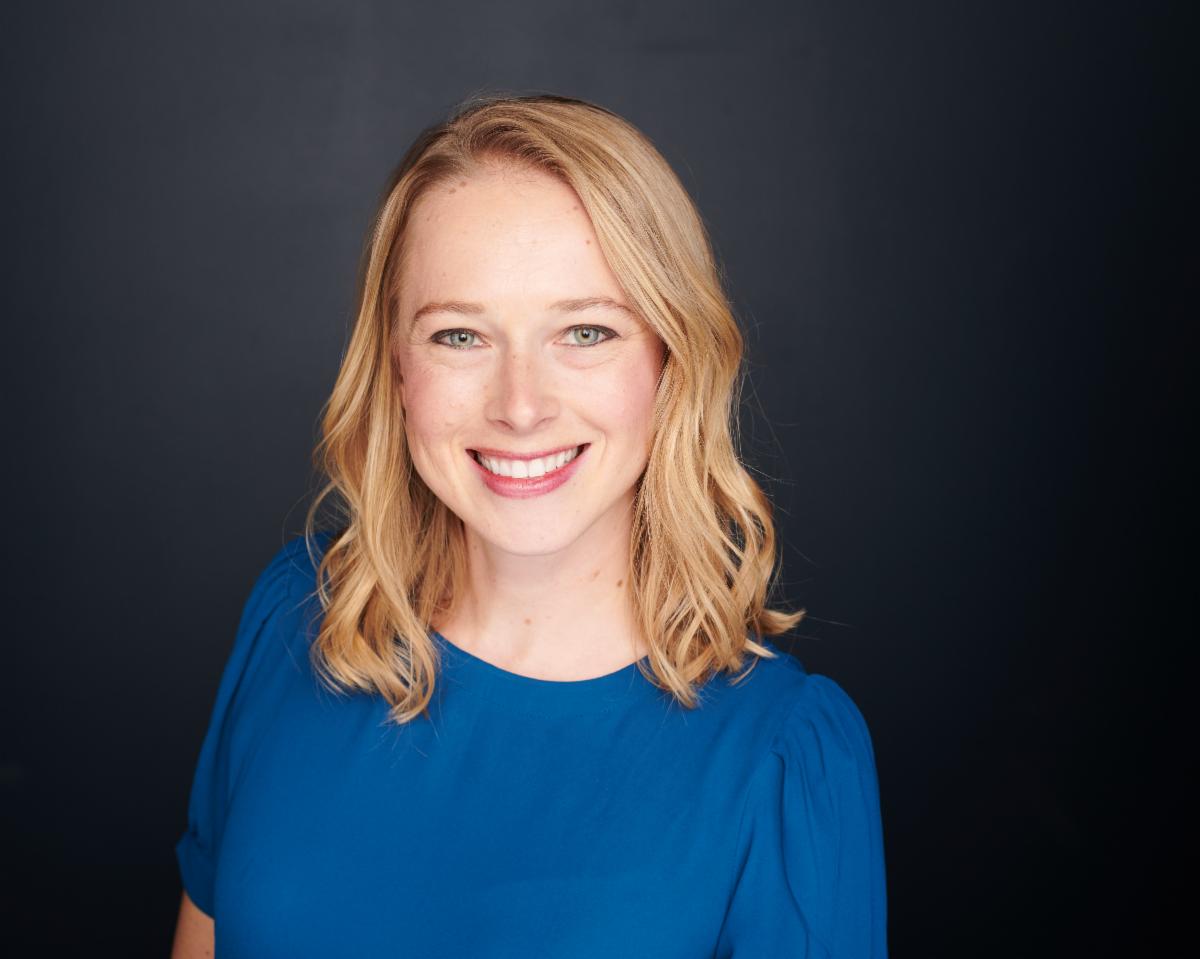
We asked Olga Khazan, staff writer at The Atlantic, for her tips for journalists who want to publish a book. Khazan published her first book, “Weird: The Power of Being an Outsider in an Insider World,” in 2020; she is currently writing another book on personality change.


Here is her advice:


“First, a giant disclaimer that getting a book published involves a great deal of randomness and special cases. It's perhaps the most ‘your mileage may vary’ activity out there. So if you've written a book without using any of these tips, I salute you and totally believe that that's possible and valid. 


Second, ultimately publishing any book is less important than actually writing a book you want to write, so I would not follow these tips in pursuit of a project you're not really interested in.


1. Try to get an agent by reading books similar to the one you want to write and looking in the acknowledgements to see who the author's agent was. If you want to kick the tires on the agent a bit, you can call around to those authors and ask them candidly what they thought of their agent. 


2. Then I would write your agent-to-be a beefy email with your book idea. Discuss your platform: Who do you write for? Describe the idea in brief and who the audience would be. Good book ideas, generally, have some takeaways for the reader. They either present an argument or offer the reader something in exchange for their time. So if you're writing a long tale of woe, what can be done about it at the policy level? If you're writing about the human brain, why is your way of thinking about the brain the more correct way? You want to imagine the reader following along and going, ‘Amen!’ occasionally.


3. If you are successful with the beefy email, your new agent will give you some sample proposals to model your book proposal on. Write the proposal with an eye toward showing editors how your book, chapter by chapter, will advance that ‘Amen!’ argument or take the reader on some sort of journey. I would not have the chapters be something like, 1. The Brain; 2. The Eyeballs; 3. The Teeth, or whatever. They should build on each other, not just be Wikipedia articles.


4. Profit! Hopefully. Your agent will work with you to refine the proposal, then you'll pitch the book to editors — hopefully successfully!”


If you have writing or reporting advice you'd like to share and be featured in The Latest, email Holly Butcher Grant at hgrant@press.org.

Managers: Here’s why your messages fall flat, create fear, or confuse people


by Jill Geisler


Today’s leadership lesson is a quick read with a quick communication tip. To ensure that your messages have the impact you’d like, make certain to apply the power of “here’s why.” Some examples:


  • Positive feedback. “Great job” is nice. “Great job, and here’s why…” with specific details makes it more likely your praise will be remembered and the good work repeated. 
  • Email invitations. If your email says, “Could we talk tomorrow at 10 a.m.?” your employee may fear there’s something terrible lurking. You might think such fear is irrational, but it is more common than you know. Be sure to add the “here’s why” to keep someone from needless anxiety.
  • CC’ing people. Our inboxes are awash in correspondence that copies us but leaves us wondering why. Don’t assume people know why you’re looping them in. Your intent can’t be misconstrued if you simply offer a “here’s why.” For example, “I’m cc’ing Sarah because this could affect her budget” shows you’re being intentionally, rather than indiscriminately, inclusive.
  • Status inquiries: Your one-line correspondence asking a staffer “Where do we stand on the project?” can come across as “Why isn’t it done yet?” when that’s not your intent at all. Your “here’s why” may be curiosity or the need to include information about the project in a report or at a meeting. Share the “why.”


Remember, leaders, because you have power, your words carry great weight. So do the gaps in your communication, which people can fill with their worst fears. Your team members benefit from specificity in your feedback and clarity about your intentions. You’ll get credit for being a good communicator. And that’s why I wrote this column for you.


© Jill Geisler


Join Jill's online Master Class for Media Managers, a two-week course through Loyola University Chicago. Apply by Wednesday, Feb. 15.

Loyola Master Class for Media Managers 2023

Jill Geisler is the Bill Plante Chair in Leadership & Media Integrity, Loyola University Chicago. Jill has spent decades hiring, coaching, and mentoring journalists at all stages in their careers. Her first career was in broadcast journalism, where she became one of the country’s first female TV news directors at WITI-TV in Milwaukee. After 25 years on the front lines of news management she joined the faculty of the Poynter Institute, where she guided its leadership and management programs for 16 years.

Resources

This newsletter is written & edited by the National Press Club Journalism Institute staff: Beth Francesco and Holly Butcher Grant. Send us your questions and suggestions for topics to cover.


Get this from a friend? Subscribe, and view the archives.


If you value this newsletter, consider supporting The Latest with a tax-deductible, recurring gift to the Institute: Even $5 a month will help fund the technology and time it takes to provide this important service.  

Facebook  Twitter  Linkedin  Youtube  

The National Press Club Journalism Institute promotes an engaged global citizenry through an independent and free press, and equips journalists with skills and standards to inform the public in ways that inspire a more representative democracy. As the non-profit affiliate of the National Press Club, the Institute powers journalism in the public interest.