April 20, 2023

Top stories

BuzzFeed shuts down Pulitzer Prize-winning newsroom, lays off 180 staff across the company (Poynter) / Read the memo (Ben Mullin) / BuzzFeed News closure unites journalists in disgust: ‘The hardworking staffers pay the price, as always’ (The Wrap) / ‘Terrible day. BuzzFeed News helped free people from prison, changed laws, got sexual harassers fired, and more. As it did so, it won a Pulitzer, Pulitzer finalist honors 3 times, 3 Polk Awards, a National Magazine Award, etc. Happy to help editors find great journalists.’ (Mark Schoofs) / ‘A spokesperson for BuzzFeed News told me that there are “ongoing discussions” about the future of the outlet’s website, but said that all the work will be archived and available after the newsroom shutters.’ (Oliver Darcy)


The end of BuzzFeed News signals a vast shift in digital media: The old way of thinking about news, based on text and distributed via social media, has passed (Semafor) / A history of BuzzFeed News, Part I: 2011–2017 (Nieman Lab) / BuzzFeed News is shutting down, and Vice World News could be next (Wall Street Journal)


Insider cuts 10% of staff, says ChatGPT experiments aren't to blame (Gizmodo)


Newspaper publishes more clips of McCurtain County, Oklahoma officials (The Oklahoman) / ‘So what led up to McCurtain Co. officials allegedly plotting to kill Gazette journalists in an audio recording? Reporter Chris Willingham filed a defamation lawsuit that details events leading up to the recording. The suit was filed the same day as the recorded meeting.’ (Erin Christy) / Widow sues Oklahoma sheriff who discussed killing reporters (Associated Press) 


Twitter begins removing blue checks from users who don't pay (Associated Press) 


Fox settlement is a victory for Dominion. But the misinformation war continues. (New York Times) / Fox News producer’s secret recordings helped spur Dominion deal (Bloomberg) / Report: Judge ‘implored’ Fox and Dominion to settle, with a vacationing mediator stepping in to close the deal (Vanity Fair) / Fox News, unapologetic and unwavering, steams ahead after staggering Dominion settlement (Vanity Fair) 


CNN CEO Chris Licht wasn't prepared for 'absolute scrutiny' (New York Post) 


The Buffalo News was the crown jewel of Warren Buffett’s news empire. Now it’s just another Lee paper. (Poynter)


The Harvard Crimson aims to fill local news gaps with a new Cambridge-focused newsletter (Nieman Lab)


Twitter permanently suspends Wired senior writer after he interviews Matt Walsh hacker (The Wrap) 


Fact-checkers boosted budgets and broadened focus to tackle misinformation, report finds (Poynter) 


How cable changed sports and what happens when fans cut the cord (Washington Post) 


Press Freedom


A record number of journalists were detained worldwide prior to Evan Gershkovich’s arrest (Wall Street Journal) / How to support Evan Gershkovich (The Atlantic) 


House Democrat threatens ‘Twitter files’ journalist with prosecution and imprisonment (Lee Fang)


Film documents Muscogee (Creek) Nation newsroom's fight for press freedom (VOA) 


Leaked documents show how Russia, China collaborate on censorship (VOA)

CRAFT

Start with the problem? Or with the solution? You can organize a solutions story either way. Look at your reporting and decide what makes the best lede. Do you have a great anecdote that will hook the reader? One that's understandable without a lot of explanation? Then start with that. Or you can combine them — even in the lede.”


-- Solutions Journalism Network Learning Lab, guide on health storytelling

CAREER

Advice for freelance journalists: ‘Learn when to move on from a pitch’

Freelancing offers journalists the chance to create their own hours, publish work in different places, and secure income in a volatile industry. And as more newsrooms announce budget cuts and layoffs this year, more journalists are considering going freelance full time. 


We reached out to journalist Sonia Weiser to learn more about making the transition to a full-time freelance career.

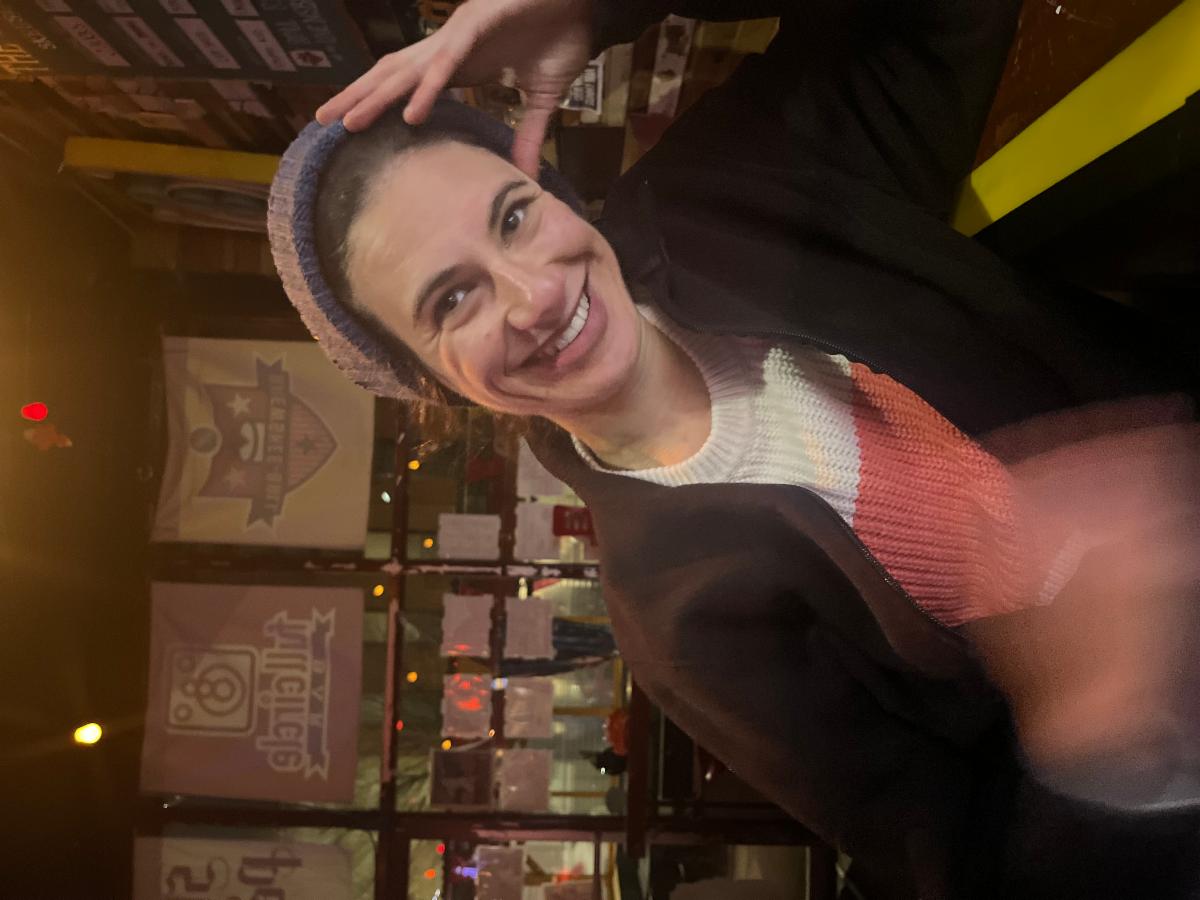
Sonia Weiser

Weiser has helped other freelancers find opportunities for work, first through social media, and then through the Opportunities of the Week newsletter, which she launched in July 2018.


You created the Opportunities of the Week newsletter to help other freelancers. What are three tips that you frequently offer freelance journalists?


Weiser: Find a few people or organizations whose opinions and advice you trust and/or whose career you respect and make them your core resources. 


Use your portfolio to showcase your best work — not all your work. No one has to know all the things you do to make money. If it ruins your personal brand to admit that you're ghostwriting someone's dating profile messages in exchange for cash, then don't put it on your resume. 


Learn when to move on from a pitch. It is very possible that your idea is not good and editors are turning it down to save you from yourself. 


Can you describe your journey to becoming a full-time freelancer? 


Weiser: For me, freelancing was less a choice and more a necessity. I had enough experience as a full-time, in-office employee and enough experience getting fired from my roles as a full-time, in-office employee to know (or at least believe), that I was not cut out for a traditional workplace. Fresh out of college, I had little respect for office hierarchies and politics, didn't understand what professionalism looked like, had trouble understanding boundaries, and didn't bother hiding my self-destructive behavior. I had grown up excelling at academics, and I foolishly believed that my smarts alone would carry me. 


But they didn't. Luckily, I had freelanced during college and had enough writing samples from my brief and terrible stint as a staffer for a website (from which I got fired after the months) that I could pass myself off as a writer, so I started networking and applying for everything while doing weird gig economy jobs to supplement my meager income. I'm fortunate that my parents were able to help me financially during this period, but I hated being reliant on someone else. So I worked constantly and eventually got to a place where I could scramble together enough to support myself. As my career progressed, I was able to turn down assignments that didn't align with the kind of writer I wanted to be, became better at pitching, got better bylines, and then started the newsletter, which was not supposed to be a five-year thing — but here we are. 


How has freelancing changed since you started? 


Weiser: I don't know if this is true, but I'd like to believe that freelancers have grown intolerant of bureaucracy … and are more open about how they've been screwed over. It's become so common for freelancers to take to Twitter to call out publications for not paying them in time (or at all) or editors who were disrespectful, or whatever else we all used to only talk about in private. I also think that because so many former staffers have turned full-time freelance, people are more willing to consider freelancers as real journalists, not unemployed failures.

COMMUNITY
UPCOMING WEBINARS

Journalists in Exile: How foreign reporters are coping after their work pushed them from home


Join us at 11 a.m. ET on Thursday, May 4, for a discussion highlighting cases of exiled journalists from around the world. This virtual program, produced by the National Press Club's Press Freedom Team and the NPC Journalism Institute, will include personal accounts about what life has been like since these journalists made the decision to pursue life and freedom abroad.

REGISTER NOW

Panelists will discuss:


  • Experiences navigating the asylum and immigration process in their new host country, barriers to entry, and gaining work visas
  • Decisions around whether to continue to work as a journalist or pursue a different line of work
  • Technical, personnel, and financial reporting challenges of efforts to cover their home countries from afar

Arrested on the Job: Press freedom trends & advice for journalists working in the field


Join us at 11:30 a.m. ET on Friday, May 5, for a discussion about concerns for journalists working in the U.S. This virtual program, produced by the National Press Club's Press Freedom Team and the NPC Journalism Institute, will feature firsthand accounts from journalists who have been arrested or mistreated for simply doing their jobs.

REGISTER NOW

Participants will gain: 


  • Knowledge of recent cases of press freedom violations within the U.S. 
  • Insight into the personal and professional impacts of facing hostility from law enforcement or sources
  • An understanding of their legal rights when faced with threats 
  • Advice on preparing for work in the field
Resources

This newsletter is written & edited by the National Press Club Journalism Institute staff: Beth Francesco and Holly Butcher Grant. Send us your questions and suggestions for topics to cover.


Get this from a friend? Subscribe, and view the archives.


If you value this newsletter, consider supporting The Latest with a tax-deductible, recurring gift to the Institute: Even $5 a month will help fund the technology and time it takes to provide this important service.  

Facebook  Twitter  Linkedin  Youtube  

The National Press Club Journalism Institute promotes an engaged global citizenry through an independent and free press, and equips journalists with skills and standards to inform the public in ways that inspire a more representative democracy. As the non-profit affiliate of the National Press Club, the Institute powers journalism in the public interest.