February 13, 2023

Top stories

Reporter's dismissal exposes political pressures on West Virginia Public Broadcasting (NPR) / ‘... A look at how political pressure from state government/lawmakers has negatively impacted West Virginia Public Broadcasting (and the perils of a public broadcaster receiving $$$ from a state gov, even if not directly funding news)’ (Stephen Fowler) / ‘On Jan. 25, two days after NPR first approached Antolini about this story, West Virginia Public Broadcasting abruptly changed its website. It no longer links to any reporting from NPR News. Most member station sites do.’ (Tom Hunter) / ‘I spoke to more than 20 people for this story, reflecting different experiences and viewpoints. Each was concerned about repercussions in WV's small journalism industry.’ (David Folkenflik)


‘Washington Post publisher Fred Ryan says he doesn’t expect additional layoffs in staff email.’ (Ben Mullin)


Yamiche Alcindor to exit PBS‘ ’Washington Week’ (Variety) / ‘After deep thought & some meaningful conversations, I have decided to step away from the moderator role of Washington Week. This move will allow me to focus full time on my commitments to NBC News & to finish my upcoming memoir.’ (Yamiche Alcindor) 


Why financial news needs more Black and Brown journalists (Bloomberg)


Bloomberg Media targets 500,000 subscribers in first half of 2023 (Talking Biz News)


Here’s how 12 newspapers responded to the Eagles-Chiefs Super Bowl outcome (Philadelphia Inquirer) / 10-year-old Jeremiah Fennell is football's newest sports reporter (Today)  


The story behind President Joe Biden not doing a Super Bowl interview with Fox (Poynter) 


Chris Licht reportedly looking to bring Charles Barkley to CNN — for a news prime time show (Mediaite) / Licht’s rebound play (Puck) 


Jerrold Schecter, Time magazine correspondent and author, dies at 90 (Washington Post)


News publishers are wary of the Microsoft Bing chatbot’s media diet (WIRED) 


Multiple newspapers declared her dead. She wants to resurrect herself. (Washington Post)


A vintage newspaper press keeps rolling. Music helps. (WCAI)


The mystery of the disappearing vacation day (Washington Post) 


Press Freedom


Ron DeSantis wants to roll back press freedom (New York Times) 


Body-camera shows Ohio National Guard leader confront NewsNation reporter Evan Lambert before arrest (AP via CBS Pittsburgh) 


Cambodia’s leader shuts independent news outlet ahead of election (New York Times)


German ballet director suspended over feces attack on critic (AP News


Dozens of radio channels stop broadcasting in Taliban-ruled Afghanistan (VOA)

Science reporting: 3 ways to find sources and connect with readers

Journalists don’t need a science degree to get the facts right when it comes to covering climate change, health and medicine, or new technologies. 


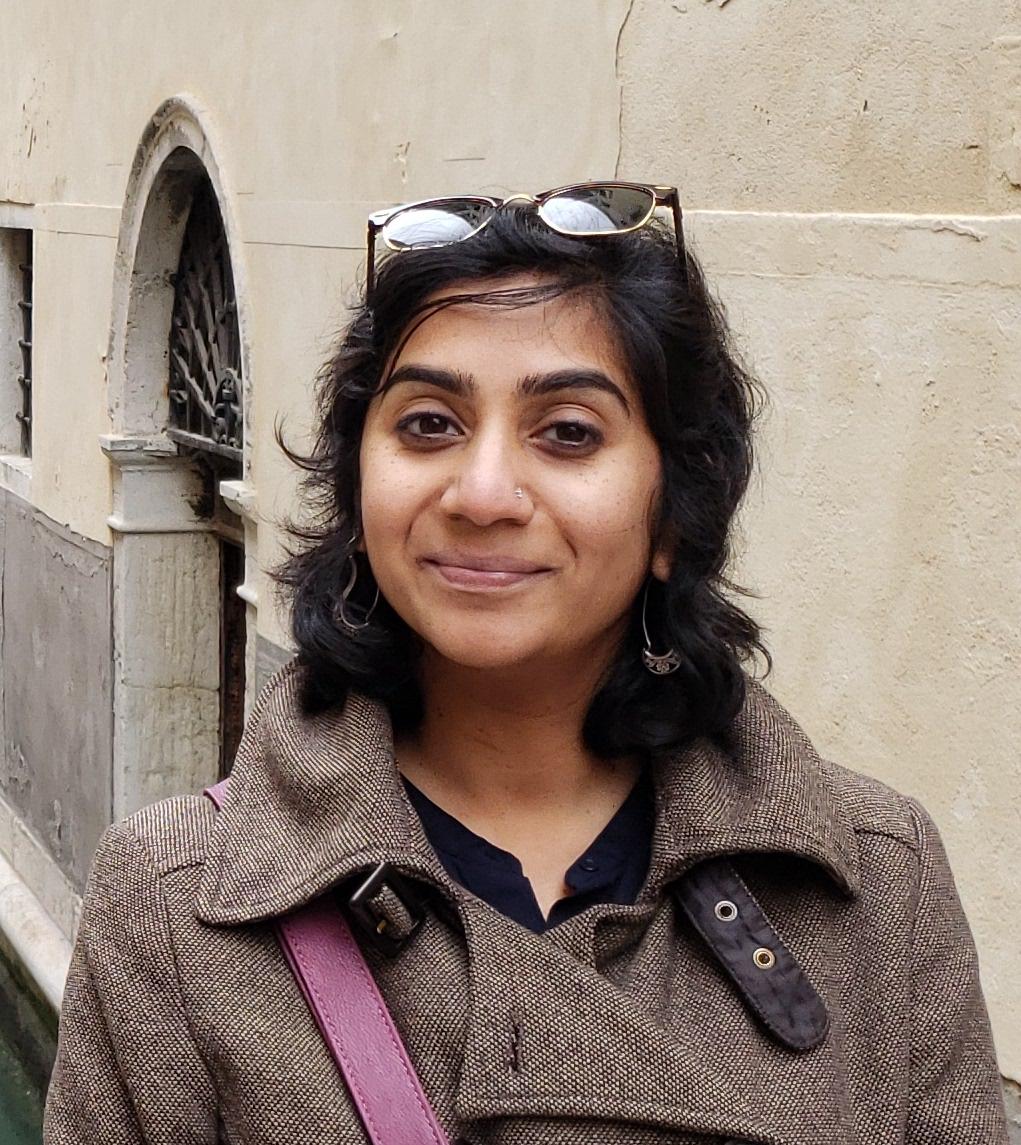
We asked Nidhi Subbaraman, science reporter at The Wall Street Journal, for strategies to build sources within the scientific community and approach complicated topics in ways that resonate with readers. 


What are your top three tips for reporting on complex scientific studies for a general audience to understand?


Subbaraman: First, scientists who conduct a study are almost always willing to talk on the phone with a reporter. I often ask: What inspired their research, when it hit them that they were really onto something big, how they might describe their work to a friend at a bar, how this latest work is newer or better than what came before it. Those questions quickly nail down the What's New and Why It Matters, and places the new stuff in the context of a discovery story.  


Second, the reference list of a scientific study is essentially a roster of outside experts on this exact topic. These other scientists are usually willing to serve as outside expert comment — look to them to kick the tires on the study. They'll point a reporter to a study's real breakthroughs while flagging its weak spots. That reference list is a good place to find someone who can zoom out and describe the state of the field, including why this new work matters to non-scientist readers and what happened before it to get us there. 


Third, scientific conferences are a great place to meet researchers just before they've presented their latest work. New results are often shared at these talks before they're published in a journal, so it's a chance to jump the competition. They're also great events to very quickly immerse yourself in a field and get to know the scientists leading it.


What’s your approach to covering big, overarching topics like climate change in new ways that connect with readers?


Subbaraman: Climate change is often described as a future problem, but the reality is that … many communities have already changed [in] a warming world. The stories that have brought climate change into sharpest focus for me are those that have zoomed in on such places and told the stories of people navigating this change now. 


In your opinion, what are the climate stories that are not getting enough attention right now?


Subbaraman: Scientists are beginning to define the scope of the health toll that a hotter, dryer, wetter, more fiery world will exact. I think there will be room for more reporting on this soon. 


If you have editing, writing, or reporting advice you’d like to share and be featured in this newsletter, email Holly Butcher Grant at hgrant@press.org.

“Organizations should help younger staff progress from self-oriented thinking to selfless behaviors and actions. Invite them for reverse mentoring initiatives and give them the psychological safety needed to speak up and actively engage with senior leadership. Leverage new-age social enterprise tools to drive collaboration, connect, and integrate within Gen Z communities based on shared interests.”


-- Amit Das, director of human resources and chief human resources officer, Bennett Coleman & Co. Ltd., “Attracting, retaining Gen Z requires flexible work environments, cross-role learning

Resources

This newsletter is written & edited by the National Press Club Journalism Institute staff: Beth Francesco and Holly Butcher Grant. Send us your questions and suggestions for topics to cover.


Get this from a friend? Subscribe, and view the archives.


If you value this newsletter, consider supporting The Latest with a tax-deductible, recurring gift to the Institute: Even $5 a month will help fund the technology and time it takes to provide this important service.  

Facebook  Twitter  Linkedin  Youtube  

The National Press Club Journalism Institute promotes an engaged global citizenry through an independent and free press, and equips journalists with skills and standards to inform the public in ways that inspire a more representative democracy. As the non-profit affiliate of the National Press Club, the Institute powers journalism in the public interest.