SHARE:  
June 2, 2021
Top stories
Steve Padilla, writing coach and Column One editor for the Los Angeles Times
Robert Samuels, national political reporter for The Washington Post
Julie Moos, executive director for the National Press Club Journalism Institute
After longer than a year working from home, journalists and other communicators around the country are hitting reset on their routines as they plan for life — and coverage — after vaccination. Whether you’re a newsroom journalist, freelancer or communications professional, you’ll leave “Pro Tips: Writing refresh” with concrete skills that will help you take your work to the next level.  

Sessions will include “Re-energize your writing … and your love for it,” taught by Steve Padilla, writing coach and Column One editor for the Los Angeles Times; “How to be intentionally inclusive when reporting and writing,” taught by Robert Samuels, a national political reporter for The Washington Post; and “How to write a headline your audience can't resist,” taught by Julie Moos, executive director for the National Press Club Journalism Institute. 

If the circumstances of 2020 — and the year to date — have left your creative reserves drained, you’re not alone. Guests will have a chance to mingle during a virtual networking event before the workshops begin at 1 p.m. Doors will “open” at 12:30 p.m. 

The three-hour workshop will take place on Zoom from 1 p.m. to 4 p.m. ET Friday, June 4, 2021. Registration is $50; tickets for National Press Club members are $40. Sales end at noon ET on June 3.
Advice from Jill Geisler, Bill Plante Chair in Leadership & Media Integrity at Loyola University Chicago and Freedom Forum Fellow in Women’s Leadership

Here’s a quick quiz for managers:

You see one of your team members having a conversation with YOUR boss. Is your response:

  1. I’m uncomfortable because I fear that staffer is doing an end run around me
  2. I’m curious about what they’re discussing, but not concerned about it
  3. I’m glad to see people getting time and attention from my boss

I hope you landed on numbers two or three, either of which is a sign of a healthy team — one that includes you, the person you report to, and those who report directly to you.

It means that both you and your supervisor encourage people to reach out whenever they have something on their minds. It also means you and your supervisor communicate regularly and have strong trust between you. If one of your team members brings something to your boss’s attention, your boss will automatically ask if the person’s already discussed it with you. If not, the next step will be to make sure that happens. Your boss makes sure that you’re in the loop.

If you’re a good manager, you don’t fear people having routine conversations with your manager. You’re not so hung up on “chain of command” that you feel people need your permission before they’d even dream of talking to someone higher than you on the food chain. You know your people — and your boss — well enough that there’s no downside. No backstabbing. No game playing. It’s just open, creative, friendly communication — and a great way to work.

Now, things don’t always work out that neatly. You may work for a supervisor who doesn’t loop you in about conversations with your staff, cuts side deals with them or arbitrarily reverses your plans or decisions. In that case, you need a conversation with your boss about the problems such actions cause you as a manager. If the problem persists despite your best good-faith efforts, you need to explore your options — which range from going over THAT boss’s head, to finding a new job. 

You may have an employee who routinely bypasses you to get time with your boss to promote themselves, dump on others, or sow dissension. In that case, both you and your boss need to get on the same page with that employee, setting boundaries and expectations about behavior.

And, sad to say, if people go over your head, you might be the problem. The way you lead — or fail to lead — may leave your staff with no alternative but to talk with someone above you. It may be their only way to get solutions to problems you’ve caused or neglected to solve. Here’s a reality check: If you forbid your people to talk to your boss without your express permission, I suggest you give some deep thought to your level of insecurity, your need for control, and the trust that’s missing in your work relationships.

But let’s not end on a downer like that. Let’s go back to the quiz. If you’re not quite sure you’re at answer number three: “I’m glad to see people getting time and attention from my boss,” now’s the time to work on it. It’s especially important as people return from remote work to the new normal, when people will be under the same roof. Make certain yours includes open doors, open minds, and open communication.

Reports of hate crimes have surged nationally, with targeted violence against Asian-Americans, Jewish Americans, and Black Americans all dominating national headlines. 

Journalists need to understand what is behind the increased violence, and what the trends are in hate crime attacks, which have historically been significantly under-reported.

Seeking to remedy that problem, Congress last month passed a law that approves more federal resources for local police departments to improve their training in the recognition and reporting of hate crimes to the FBI, while providing funding for states to establish hate crime hotlines. The law further authorizes judges in their sentencing of individuals convicted of hate crimes to require community service and educational rehabilitation programs that are centered on the community victims of the crime.

Registration is now open for this program, which will take place on June 9 at 2 p.m. ET. The program is free to attend; donations will support the Institute’s programs.

Speakers include:
ďťż
  • Lecia Brooks, chief of staff at the Southern Poverty Law Center and a longtime public speaker and educator on hate crimes and the American Civil Rights movement
  • Tara Rosenblum, an award-winning senior investigative reporter for the News 12 Network who led a two-year long project documenting hate incidents across New York, New Jersey and Connecticut

The program will be moderated by Rachel Oswald, reporter for CQ Roll Call and Journalism Institute professional development team lead. 
The National Press Club Journalism Institute just started a reading group for people who love journalism and books and want to discuss them both. The group meets Thursdays from 6-7 p.m. ET, and you can drop in just once or join every time. Learn more and sign up here.
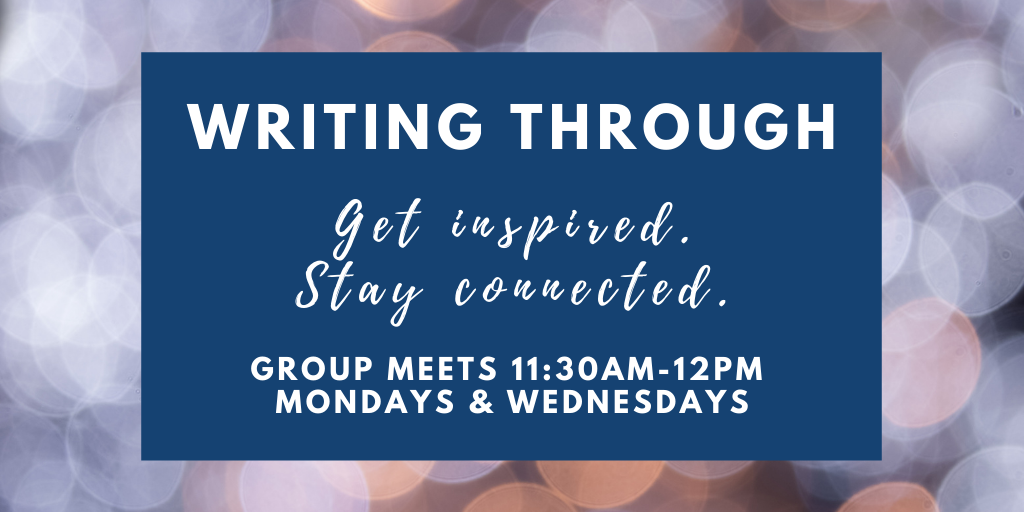
Spend time with other nonfiction writers in the National Press Club Journalism Institute's writing group every Monday and Wednesday at 11:30 a.m. ET on Zoom. Newsroom journalists, memoirists, historians, whatever your preferred nonfiction form of writing — all are welcome. Learn more and sign up here.
Events and resources
This newsletter is written & edited by the National Press Club Journalism Institute staff: Beth Francesco, Holly Butcher Grant and Julie Moos. Send us your questions and suggestions for topics to cover.

Get this from a friend? Subscribe, and view the archives.