|
The Digital Health Newsletter by Paul Sonnier
May 10, 2017
|
|
|
More than half a million patients in the U.S. require dialysis several times each week to clean toxins from their body when their kidneys can no longer do so. They can spend up to half of their day at one of about 7,000 dialysis centers across the country and at a cost that can exceed $50,000 a year. Patients would of course prefer to do this at home and Medicare is working to make this easier.
|
|
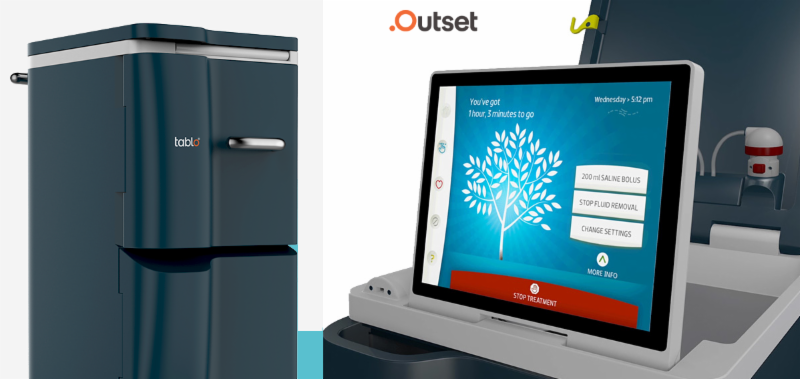
A startup named Outset Medical just landed $76.5 million in funding to transform the $13 billion global dialysis market. By using sensor-based automation, wireless data transmission, and a touchscreen interface, the company's Tablo device is intended to provide “self-serve” dialysis, where patients can administer their own treatment independent of a clinic.
CEO Leslie Trigg sits down with Tom Salemi of Healthegy at JP Morgan 2016 in this video.
|
|
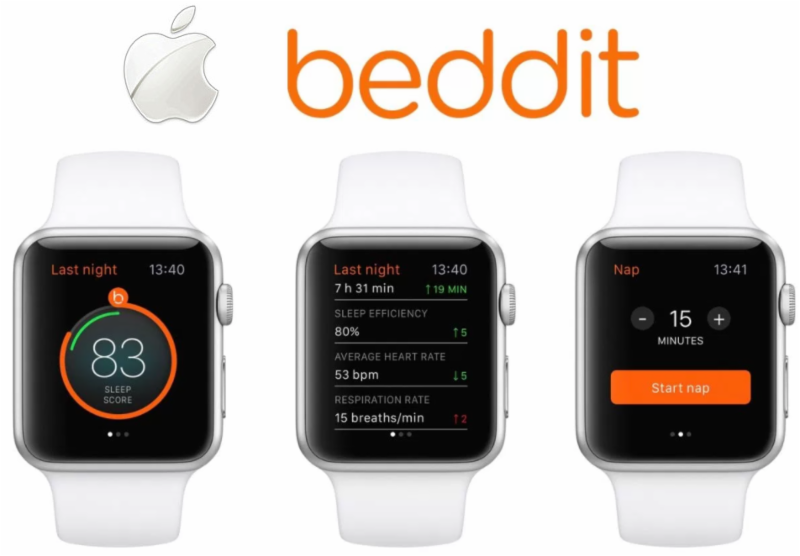
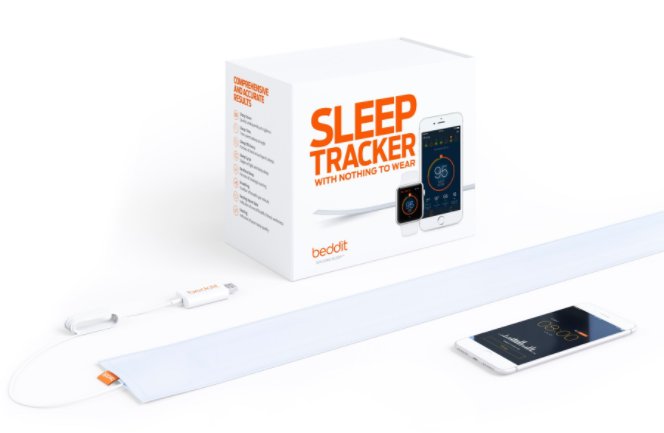
The Apple digital health juggernaut continues as the company acquires yet another consumer health app. This time it's
Beddit
, an Apple Watch & iOS sleep tracking platform utilizing hardware placed underneath a bed sheet. The other acquisition was personal health record app-maker
Gliimpse
.
|
|
|
"Digital health is the convergence of the digital and genomic revolutions with health, healthcare, living, and society." - Paul Sonnier
|
|
|
ARTIFICIAL INTELLIGENCE (AI)
|
|
|
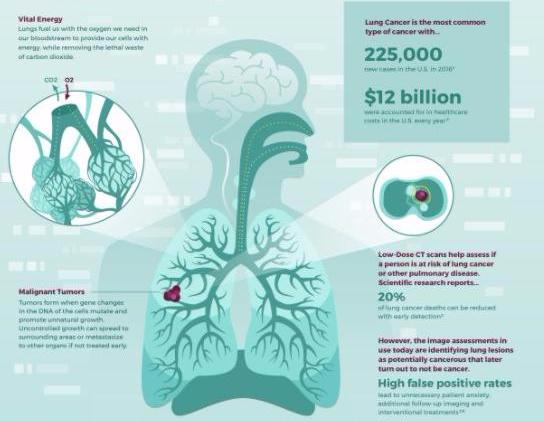
Researchers from Tsinghua University in China have taken the top prize in a $1M contest to identify algorithms that can identify signs of lung cancer in low-dose computed tomography (CT) images. The team used a neural network and annotated images to provide more data points and an additional data set that helped identify nodules and diagnose cancer.
The contest was sponsored by Booz Allen Hamilton and Kaggle.
|
|
|
A travel agency is using both AI and “real humans” to “make travel easy and fun again.” As Natasha Lomas points out in her TechCrunch piece, "The phrase “real humans” is an oxymoron. All humans are in fact real. So the implication of the phrase is that, in the not too distant future, we the consumer might be being sold interactions with ‘humans’ when in truth we’re chatting to an artificial."
|
|
|
Maluuba, a Microsoft company that 'teaches machines to think, reason, and communicate', is developing an intelligent personal assistant that does something different than most AI systems: It generates questions from a selected body of text. This presents opportunities for digital health. Check out the video at right for a demo.
|
|
|
|
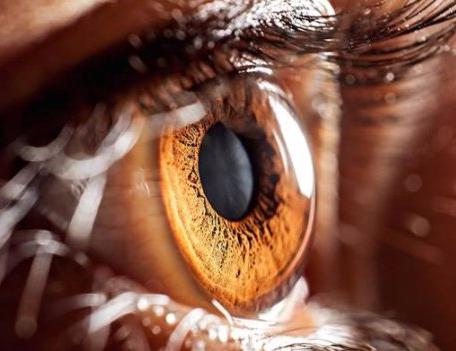
For the first time ever, surgeons used a robot to operate inside the human eye and remove potentially-blinding membrane growth on the retina. In a study of 12 patients, with 6 taking advantage of the robot and 6 utilizing the traditional techniques, patients in the robot group had fewer hemorrhages and less retinal damage.
|
|
|
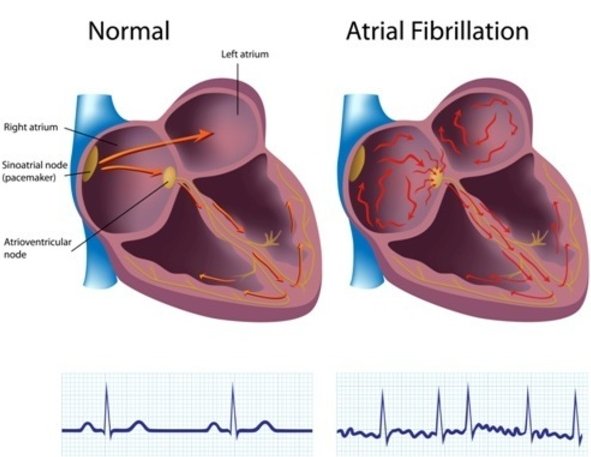
According to a report in the Journal of the American Heart Association, 10% of ischemic strokes are associated with atrial fibrillation (AF) that is first diagnosed at the time of stroke. The authors state it would be possible to prevent these strokes by detecting asymptomatic AF and instituting anticoagulation.
|
|
|
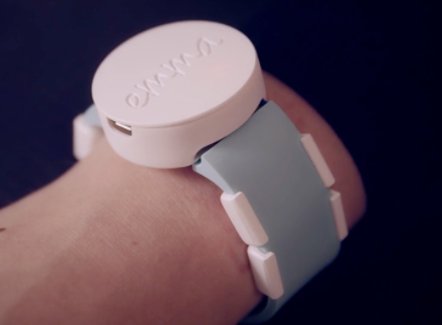
Wearable technology developed by Microsoft researcher Haiyan Zhang stops the hand tremors of Parkinson's Disease sufferer Emma Lawton. The device works by short-circuiting the feedback loop between Emma's brain and her hand, thereby stopping the tremors.
|
|
|
By sequencing tumor DNA in patients with advanced, metastatic cancer, doctors can identify better ways to treat the disease
. Researchers at
Memorial Sloan Kettering Cancer Center found that 37% of 10,000 bi
opsies indicated a
t least one mutation that could be treated with a different prescription or that patients could take part in a clinical trial of new therapies. While g
enetic testing is readily available, it is not a standard of cancer care. Moreover,
not all insurance companies cover tumor sequencing, since "they aren't yet convinced that it's a critical part of cancer care."
|
|
|
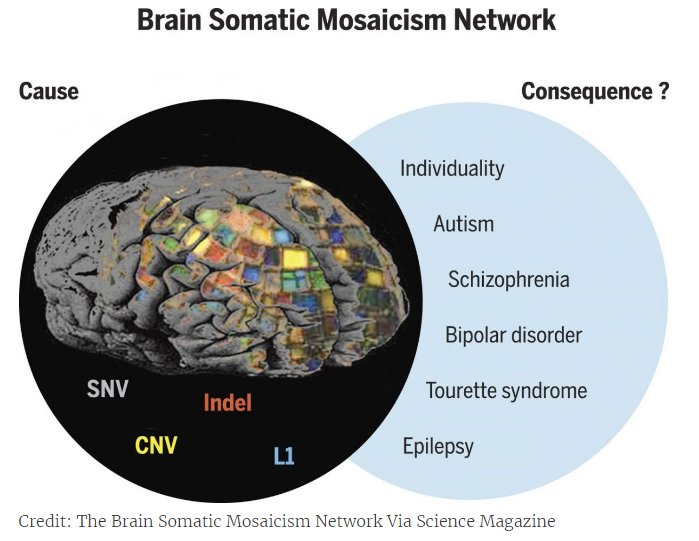
Researchers have discovered that, contrary to conventional wisdom, each individual neuron in our brain may be genetically unique and that this is due to mutations occurring on a single cell basis. The discovery may provide new insights into risk factors for neurological and psychiatric disorders (mental health). A new group called The Brain Somatic Mosaicism Network was founded to explore this area of research further and hopefully identify associations between the mutations within neurons and specific neurological disorders.
|
|
|
KEYNOTE SPEAKING & SERVICES
|
|
|
|
|
If you are a digital health company, event organizer, or provider of other relevant solutions or services you can advertise in my announcements, on my website, and I'll mention you on Twitter. Working with me puts you in front of tens of thousands of targeted global prospects each week. I also provide strategic consulting and keynote speaking services. Contact me for my media kit, standard plans, and pricing.
|
|
|
Copyright © 2017 Paul Sonnier, Story of Digital Health
|
|
|
You can unsubscribe at any time by clicking the link at the bottom of every email
|
|
|
|
|
|
|