NOVEMBER 2023

ENVIRONMENTAL SCIENCE

A DFOP-based PRZM model to predict non-first order degradation and subsurface transport in soil and groundwater

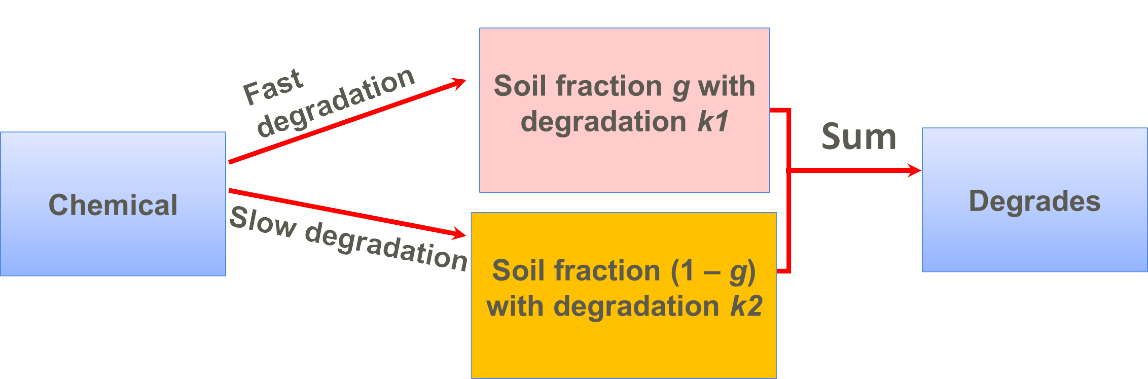
Chemicals applied to a field have the potential for degradation to be underestimated when modeling soil residues and groundwater concentrations. Many soil metabolism and other environmental fate studies have observed non-first order degradation often in a biphasic pattern with fast initial decline followed by a noticeably slower phase, which deviates from the classical simple first-order SFO kinetics. SFO kinetics used in modeling when the chemical observes a biphasic pattern tends to over-predict groundwater concentrations, which would increase dietary exposure from drinking water. To overcome this SFO challenge, Waterborne applies an updated version of PRZM (winPRZM) that can better predict concentrations in soil and groundwater and match field study results.


Although widely recognized, biphasic degradation has never been directly incorporated into regulatory models. Instead, most regulatory models require an SFO curve fit preferentially to the slow portion of the decline data while largely ignoring the fast initial phase. As a result, modeling errors in the predicted exposure levels in surface water and groundwater can be artificially elevated. The EU PRZM model (winPRZM) was updated with code developed by Waterborne and Syngenta to handle Double First-Order in Parallel (DFOP) kinetics.

The model directly incorporates the kinetics of DFOP to account for the complete biphasic decline profile with the option to account for the temperature and soil moisture effects. Sensitivity analysis of winPRZM shows that the model converges to the same results of the original PRZM model when the kinetics fit is SFO. When the kinetics shows DFOP characteristics, winPRZM can represent biphasic degradation in the soil better. Using DFOP, winPRZM can predict soil and...

>> Read the full article

Insects as Climate Change Indicators: Meet the Woolly Caterpillar

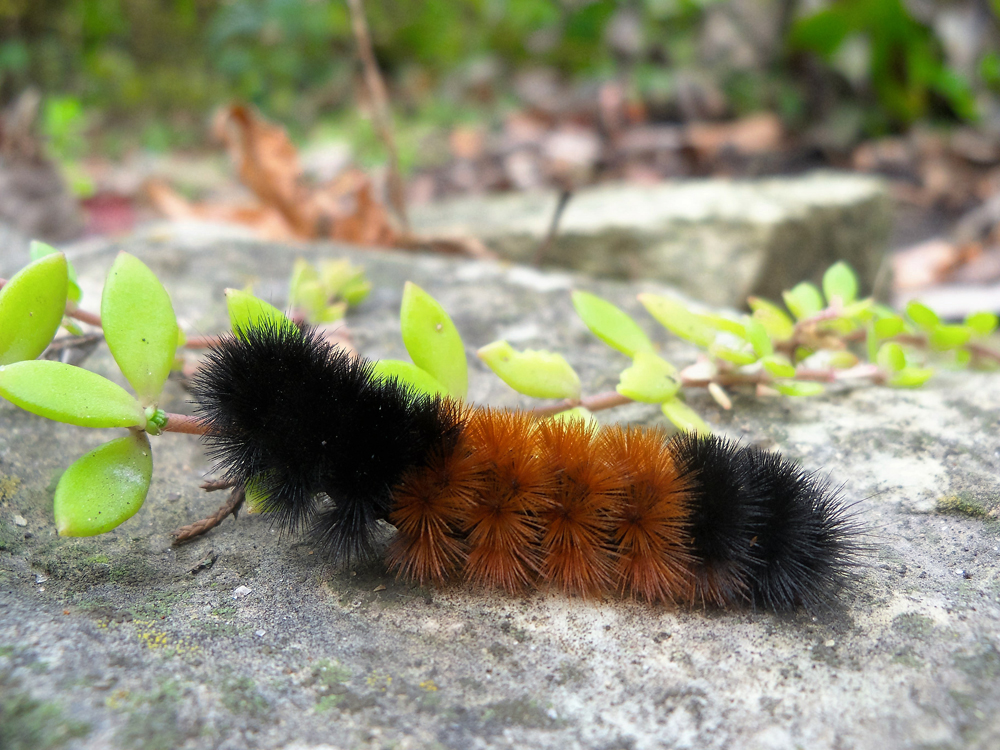
In the intricate web of our environment, insects are indispensable bioindicators, offering profound insights into the complex repercussions of climate change on ecosystems. These tiny creatures, often overlooked, convey valuable information about the health of our ecosystems amidst environmental shifts. Among these tiny messengers, the woolly caterpillar stands out as a subtle yet powerful herald of shifting climates. This seemingly unassuming creature carries important clues about the impacts of climate change, providing scientists with insights into the dynamic relationship between insects and their changing habitats.


The woolly caterpillar, known for its distinctive bristly appearance and varied coloration, has long been a subject of fascination. What makes this creature particularly intriguing is its potential role as a weather forecaster. According to folklore, the width of the brown band on the caterpillar's body can predict the severity of the upcoming winter. While this is a tale charming children and adults alike, scientists have lately taken a closer look at the woolly caterpillar and discovered a more complex and scientifically grounded story.


The coloration of the woolly caterpillar is not merely a whimsical detail but a temperature-dependent adaptation. Researchers have found that the ratio of black to brown bands on the caterpillar's body is influenced by the temperature during its early development stages. Warmer temperatures lead to more brown coloring, while colder conditions result in a predominantly black appearance. Recent years have shown woolly caterpillars with more brown coloring, potentially signaling longer and warmer autumns... >> Read the full article

The Environmental Cost of the Winter Holidays

As the winter holidays unfold each year, many of us revel in the magic of snow-covered landscapes, cozy gatherings, and the timeless traditions that define the season. However, beneath the surface of this festive season lies a growing and often overlooked impact: climate change and human consumption are reshaping the very essence of our winter celebrations. From changing weather patterns to the sustainability of holiday traditions, the influence of a warming planet is becoming increasingly evident.


One of the most noticeable effects of climate change on the winter holidays is the dwindling presence of snow in traditionally snowy regions. Warmer temperatures and altered precipitation patterns have led to delayed snowfall and reduced snow cover, challenging the picturesque winter wonderlands we associate with the season. Iconic scenes of snow-covered landscapes are becoming less reliable, affecting everything from holiday travel plans to epic snowball fights with friends.


Climate change is also altering the landscape of holiday travel. Unpredictable weather events and changing conditions impact transportation, leading to potential disruptions for those trying to reunite with loved ones. Traditional winter activities, such as skiing, ice skating, or sleigh rides, are becoming less dependable due to shifting winter patterns, prompting families to reconsider long-standing holiday traditions... >> Read the full article

Waterborne Shines at SETAC North America's 44th Annual Meeting

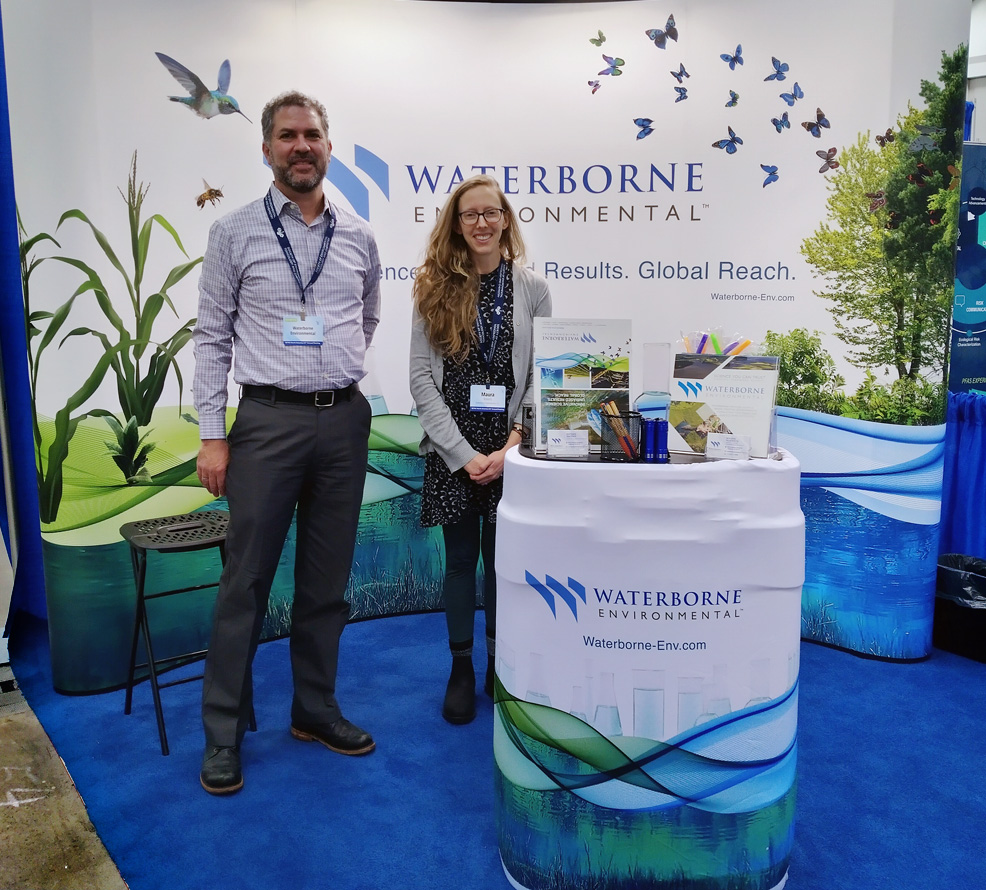
Earlier this month, Waterborne Environmental's team of scientists attended the SETAC conference on November 12-16, 2023 held in Louisville, Kentucky.


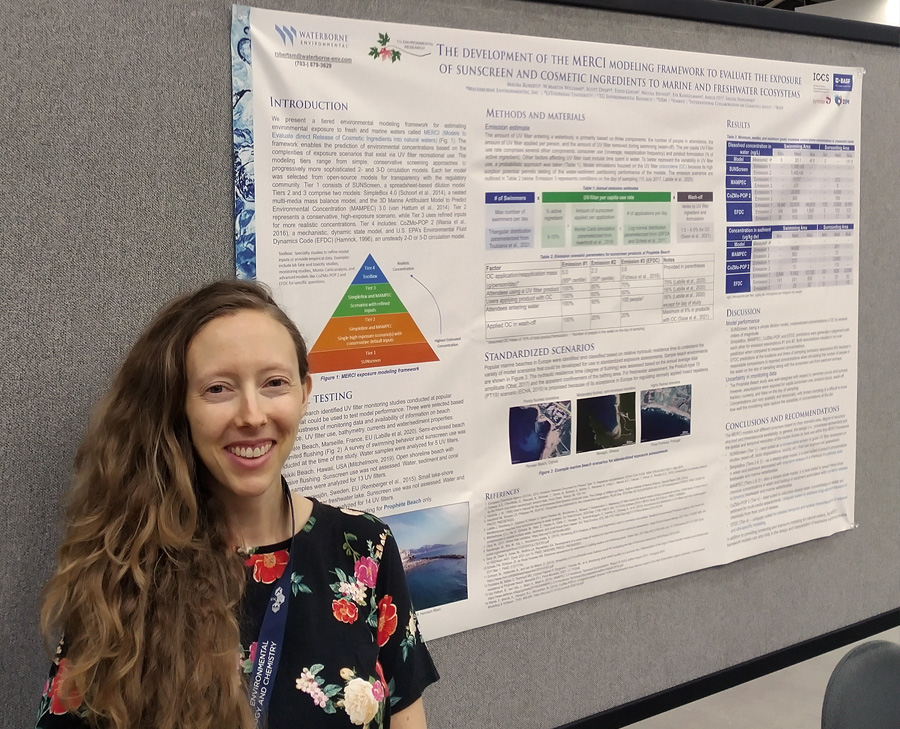
In addition to hosting a booth in the exhibit hall, we presented the following research posters. Abstracts and details for each of the below can be found here.

5.02.P-Mo-180, Accessing Pollinator Decline Associated Risks to Endangered Plant Populations using Bayesian Networks.


1.14.P-Tu-055, The Development of the MERCI Modeling Framework to Evaluate the Exposure of Sunscreen and Cosmetic Ingredients to Marine and Freshwater Ecosystems


4.25.P-Tu-188, Refining environmental exposure assessments for consumer-use down-the-drain ingredients using spatially resolved datasets and surface water flow modeling: Focus on Europe  

Waterborne Environmental is a renowned consulting firm that has provided innovative solutions to the world’s most complex environmental problems since 1993. Our experienced, unbiased scientists and engineers work across industries to evaluate environmental, ecological, and human risks. Our work spans across industry and regulatory agencies to support the balance in the needs of a growing population with the environmental impact on our valuable natural resources.


Our The Current Newsletter is published monthly. Visit us online to find more articles, videos, and information about our work. Click here to contact us.

Waterborne Environmental Inc.

CORPORATE HEADQUARTERS

897B Harrison Street SE

Leesburg, VA 20175

Phone: +1 (703) 777-0005

Connect with us

Facebook  Linkedin