Spotlight
  What Makes A Great Leader?
Lighten Up!
Little Girl: Daddy, did you know that girls are smarter than boys?
Dad: No, I didn't know that.
Little Girl: There you go.
Last month, we talked more about DISC.
Check out the blog posts you may have missed:
  
Norm Bobay, CPBA, CPVA
Phillip Shero, PhD

Connect With Us


 Follow us on TwitterView our profile on LinkedInFind us on Facebook
 

Effective Benefit Engagement Strategies
Do your employees "get" and appreciate the benefits package that your company offers? Statistics show that most employees don't fully understand the value of what they have.
Companies should educate their staff about their benefits. How quickly they forget orientation day! They were most likely too nervous to comprehend what you told them anyway.
One thing is for sure, you want to continuously market your benefits package to your team. The goal is for them to feel the value that they have received. You want their continual buy in.
Steps to increase benefit engagement include:
1. Orientation...What comes next?
After day 1, your new employee will be in all out training mode. Be sure to follow up on the benefits package. How? Create an attractively laid out marketing piece that will allow for a clean, concise summation. Plan to email it and hand deliver it to their desk / department.
2. Involve the family
Your employee may not process the info as well as perhaps their spouse. Consider a meeting, dinner, a meet and greet or some other type of session where questions can be answered.
The bottom line is that you want the "family" to see the value that you are offering too. You don't want your new hire to jump ship because the grass seems greener on the other side.
3. Q & A
Offer a question and answer session where new hires can meet with upper management to find out more info about the company, benefits and any other lingering curiosities that may have crept in their minds since day one.
4. Email Newsletter
Utilize your company emails to mention and explain the company's benefit package. Include tips on how to be sure they maximize their benefits.
Take the opportunity to occasionally reiterate the many great facets of your outstanding benefits package. Keep the info in the forefront of their minds and they will be reminded of the value.
The key to benefit engagement strategies is to market, market, and market your outstanding benefit package to your staff. Be sure to continue to tell your employees what you've "done for them lately." t
~ Written for us by our associate Gary Sorrell, Sorrell Associates, LLC. Copyright protected. All rights reserved


"Always bear in mind that your own resolution to succeed is more important than any other."
~ Abraham Lincoln
  HIRE the BEST & AVOID the REST!™                                           January 2017
Drop Shadow Accent Image
The Costly Gift Of Feedback
(or Why We Put Off Employee Reviews)
by Dr. Shero
 
"I will not offer a gift that costs me nothing."
The biblical story of King David tells of a time when one of his subjects offered to freely give him the wood and oxen for a sacrificial offering to God (2 Samuel 24:24). David refused, because a gift that did not cost him anything personally would not be meaningful.
One of the most significant gifts a leader can give employees is the gift of feedback.
Personal Investment Communicates Value
At this time of year, we are thinking about gifts. Some of the best gifts do not cost money, but they can still be costly. For example, think about the time investment of making a gift or creating your own card. Or what about the heart investment of a hand-written note or the traditional Christmas letter to share significant events of the year? We value such gifts because it costs the giver something personal.
On the other hand, we have access to so many options that make gifts easier, faster, more convenient. I am a huge customer of Amazon because of the value of convenience, but convenience is not always the highest value we should pursue. When it comes to people, our own personal investment communicates to the other person that we value them-that they are important and worth our time.
The Cost of Feedback
Feedback should be a costly gift. A leader's time is precious, and it seems like there is never enough of it. But giving quality feedback will cost the leader a significant amount of time. The leader needs time to reflect on each employee-his or her personality, strengths, weaknesses, performance, and development needs.
Many leaders have not cultivated the habit of making time for reflection, so the task of preparing to give feedback seems overwhelming. That's one of the reasons we procrastinate on annual employee reviews. Unfortunately, when we put off preparing for and giving feedback, we are communicating that our employees are less important, less valuable than the other tasks we make time to pursue.
Feedback is also costly because of the risks we take when speaking the truth. We all know that constructive feedback can backfire. Even with the best intentions and the best words, our feedback can bring out defensiveness, denial, or anger. It takes courage to speak the words people need to hear so that they can grow. Courage is a costly virtue.
Life-Giving Feedback
It may sound grandiose to you, but feedback can be life-giving experience. Next month, I'll be blogging about four times I was given feedback that stung at first, but later produced greater health, self-awareness, and joy. The people who gave me that feedback did so at a personal cost and with personal risk. But I reaped the benefit. In every case, I felt valued and invested in.
Consider these four movements of life-giving feedback:
  1. Life-giving feedback begins with noticing the uniqueness and value of an employee. You may be the first to articulate that uniqueness in words.
  2. Life-giving feedback envisions the best possible future for the other person and helps them to see what they could become.
  3. Life-giving feedback openly shares obstacles and potential blind spots that could keep the employee from achieving their best future.
  4. Life-giving feedback expresses confidence in their ability to move forward and offers reliable support for their efforts.
Feedback is an expensive gift. But the people who work with you are worth it. This year, give them a gift that costs you something and communicates their value both to you and the company.
If you found this article worthwhile, please take a moment to forward it to a friend or post it to your Linkedin or Twitter page.
Follow us on Twitter, Linkedin, or Facebook to get the thoughtful articles on the bridges leaders must build and cross to inspire greater performance.

Newsletter - Dance Drop Shadow Image
Make Your Company Values Known
Every business owner has a reason behind starting their company. Whatever that reason is, it is important that your staff understands it. When employees know your passions, they will feel more motivated to help you be successful.
People will put more of themselves into something they believe in. It is your job as a CEO to make your vision for the company known to those that work for you. It is just as important for your top level management as well as your entry level employees to understand your vision.
Here are ways to make your values known to your employees.
Incorporate Your Vision Into Staff Orientation
When a new person comes onto the team, they need to be introduced to the vision of the company. You need to put together a very clear idea of what the company stands for and where you plan to take the company in the future.
Introducing the vision during orientation will help new employees understand how important it is for them to get behind the company's values.
Share Your Passions During Staff Meetings
First of all, you should have regular staff meetings. During these meetings, it is a good idea to go over the vision and passions you have for the business. You do not have to take up much time doing this, but it should be part of your meetings to remind everyone why they are here.
Create An Engaging Marketing Campaign For Your Employees
It is just as important that you market your company to your employees as you do to your potential customers. Employee buy in is essential to having individuals that are loyal to you and work hard for the success of the business.
Put together engaging campaigns that can be made into poster form. These posters can be displayed in employee break areas or around high trafficked areas of the building.
Digital marketing is also an important outlet to get your vision across to employees. Put together a logo and tagline that can be included at the close of every email that you send.
When you have people in the company that know what you are passionate about, it will give them a sense of purpose. They will work harder and be more dedicated because they work for someone they can believe in. All of us are better at our jobs when we understand what the purpose of the job is and the direction of the company.
Do you need any help getting your company values known throughout the company? Contact us today! t
~ Written for us by our associate Gary Sorrell, Sorrell Associates, LLC. Copyright protected. All rights reserved.

 
Newsletter - Dance Drop Shadow Image
 Understand Yourself & Your Team With DISC

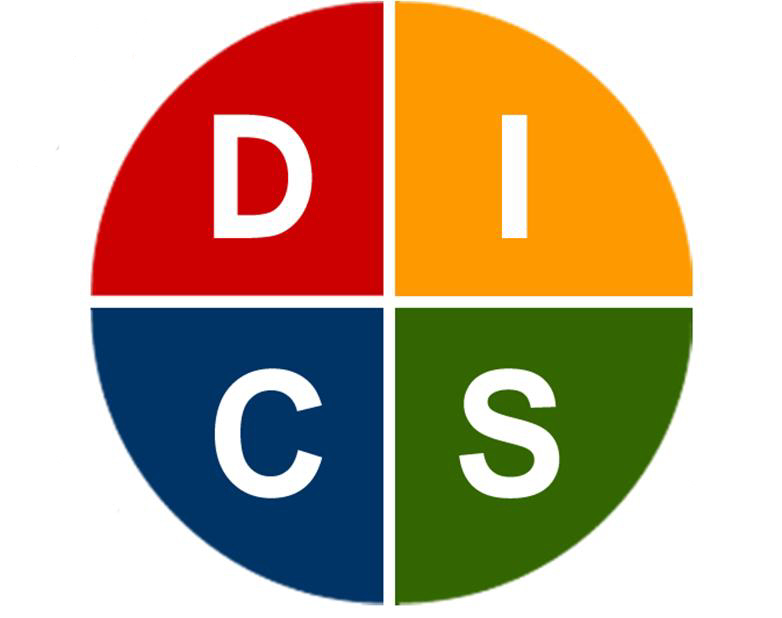
DISC
DISC is the most widely used behavioral assessment tool, measuring twelve behavioral styles so individuals can better understand themselves and adapt their behaviors with others.
 
Do You Want to Learn More? Click Here

 
Newsletter - Dance Drop Shadow Image
7 Employee Handbook Must Haves
Every business needs an employee handbook. If you don't have one, then you need to contact your HR department ASAP. There are so many important sections in an employee handbook but I'll focus on the 7 essentials today.
7 Must Haves for an Employee Handbook:
1. Code of Conduct
You must have clear expectations laid out in writing for specific behaviors, dress code, attendance and a variety of other policies. The only way to have clear expectations is to put them in writing.
2. At Will Disclaimer
Be sure to have an "at will employment disclaimer" in your handbook. Everyone needs to understand that the employment is not forced but at will and is at the discretion of the employer.
3. Family Medical Leave Act
An employee handbook is not complete without the FMLA regulations defined. Companies with more than 50 employees are required to comply with 12 weeks of unpaid leave each year.
4. Harassment and Discrimination Policies
The details of these polices are essential. The goal is to set expectations and alleviate any potential fears or concerns for your employees. Everyone wants to feel at ease in the workplace and a policy that explains what is permissible is quite helpful.
5. Confidentiality
Each company's handbook should have wording that ensures your employee's personal info will be kept confidential. This should protect the info about them during and after they leave the company.
6. Leave of Absence
Employees want to know the details about vacation days, sick days, bereavement, paid time off and the days a business closes. Don't assume that they will know what you mean. Be very specific and include the hours of operation and specific dates that you are open and closed.
7. Compensation and Benefits
Your employee handbook should explain the pay schedule, benefits package, overtime policy, review and salary increase information. Try and be as direct and detailed in this as possible so that there will be fewer questions later.
If you don't have an employee handbook for your company, then get that corrected quickly! Set a goal and get one written.
Already have one? Well pull it out, dust it off and see if these 7 "Must Haves" are in there. A yearly revamp is a great idea to be sure that the handbook stays updated with the best info.
Take time right now to ensure your employee handbook is up to date.
We would love to hear your comments. Contact us today! t
~ Written for us by our associate Gary Sorrell, Sorrell Associates, LLC. Copyright protected. All rights reserved
 

Newsletter - Dance Drop Shadow Image