Read a snippet from the introduction...
There is our history. Then there are the tales we tell about ourselves.
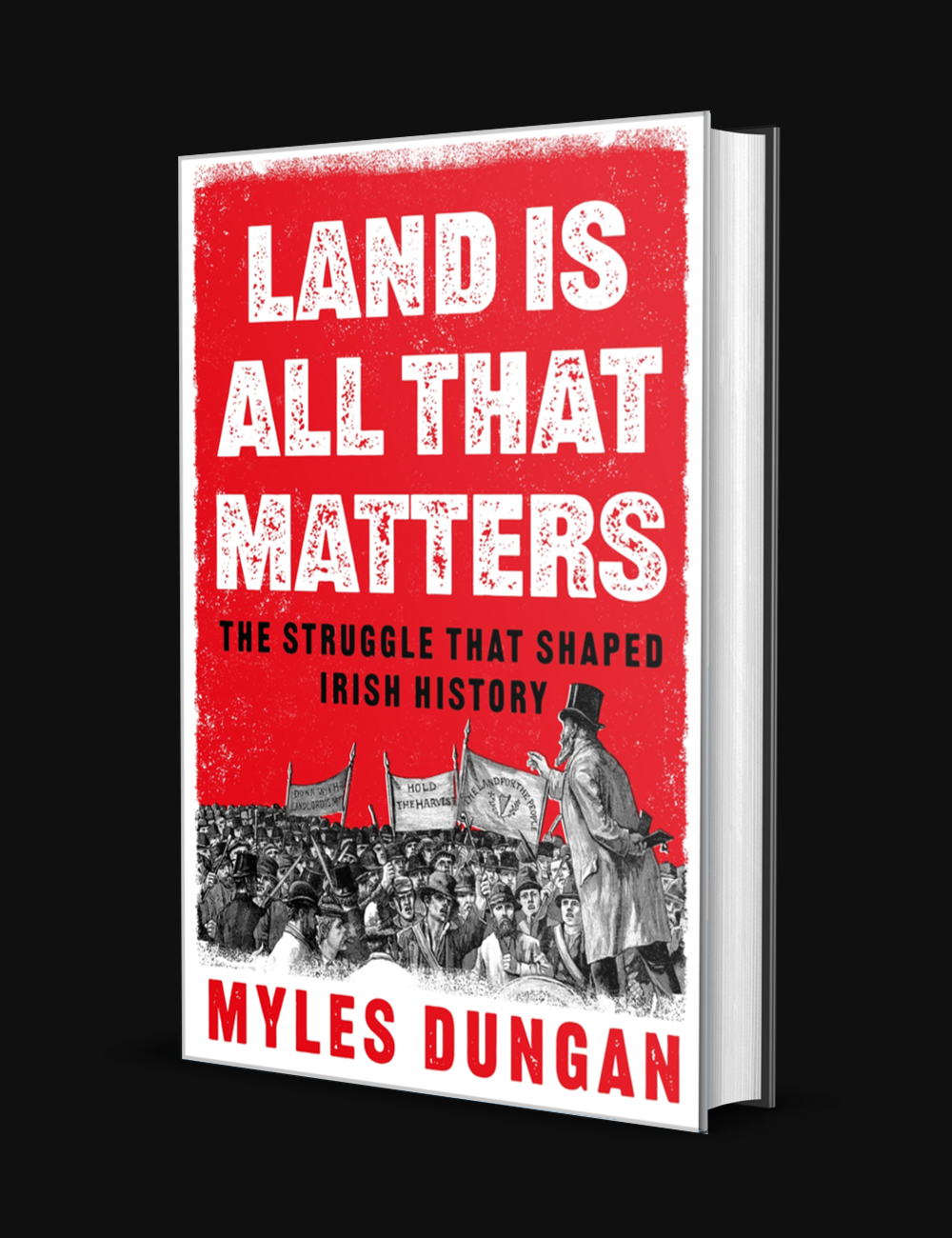
‘Held in fee simple’ – it’s a phrase whose roots lie in feudal times, well-known in the legal profession, and perhaps vaguely familiar to anyone who has ever bought a house or a farm. But that modest legal concept encapsulated the aspirations of generations of Irish peasants. They killed, burned, slashed, scalded, carded, boycotted and were hanged, beaten and jailed for the entitlement to ‘fee simple’, the right to possess, enjoy and bestow their own real estate. In so doing, they turned on their equally penniless neighbours in envious rage far more often than they ever tweaked the noses of their overlords.
Landlord and tenant relations in Ireland were never entirely unproblematic, though perhaps they were not always as fraught as those between the fourteenth-century magnate John de Bermingham (conqueror of Edward Bruce at Faughart in 1318) and his Louth tenantry. In what has become known as the Braganstown massacre, in 1329 they attacked him within the curtilage of his own manor, ‘not wishing that he should rule over them’, and hacked to death more than 150 members of the de Bermingham family and his retinue of, clearly, not very effective mercenary defenders. The body count of subsequent landlord/tenants disputes was mercifully lower, though the animosity and the disinclination to submit to authority was often of a similar magnitude.
The struggle for the ownership of Ireland’s land encompassed two major famines; a host of minor subsistence crises (one estimate puts this at more than twenty); and a plethora of localised and nationwide insurrections.
|