|
Thine eyes shall see the king in his beauty, they shall behold the land that is very far off. --- Isaiah 33.17
Sometimes someone will ask us if we can share with them precisely what Episcopalians believe and hold in common with other Christians or that is unique to our confession of faith. If the question is sincere and the circumstances allow a succinct yet full enough reply, for starters you might say:
‘Episcopalians confess Jesus Christ as Lord and Savior and further, that 1) Holy Scripture is the Word of God; 2) the Nicene and Apostle's Creeds are the rule of faith; 3) there are two sacraments (baptism and eucharist) ordained by Christ; and 4) the Episcopate is the keystone of order and unity.’
Your answer would be in harmony with that of one of the most outstanding leaders and teachers in the history of the Episcopal Church, the Rev. William Reed Huntington (1838-1909) who formulated these four points as an Anglican starting position for discussions towards unity with other churches. They became known as the Chicago-Lambeth Quadrilateral, a statement adopted by the House of Bishops of the Episcopal Church in 1886 and by the bishops of the world-wide Anglican Communion at Lambeth in 1888.
Huntington was the most prominent leader in the House of Deputies in the General Convention of the Episcopal Church – he attended some thirteen of them between 1870 and his death--- and he was the chief leader in bringing forth a revision of The Book of Common Prayer completed in 1892.
I love Huntington for the prayers he wrote for that edition of the Prayer Book and most notably for the collect he wrote for Holy Week and for Fridays:
Almighty God, whose dear Son went not up to joy but first he Suffered pain, and entered not into glory before he was crucified: Mercifully grant that we, walking in the way of the cross, may find it none other than the way of life and peace; through the same thy Son Jesus Christ our Lord.
That our Prayer Book has a collect, epistle and gospel for the Feast of the Transfiguration on August 6th we owe to Huntington. I love the collect for the Feast, penned by Huntington:
O GOD, who on the mount didst reveal to chosen witnesses thine only-begotten Son wonderfully transfigured, in raiment white and glistering; Mercifully grant that we, being delivered from the disquietude of this world, may be permitted to behold the King in his beauty, who with thee, O Father, and thee, O Holy Ghost, liveth and reigneth, one God, world without end. Amen.
Huntington wrote this collect on top of Sargent Mountain on Mount Desert Island, (Acadia National Park), Maine. The chief inspiration for it is St Luke’s version of the transfiguration, which serves as the gospel for the feast. All revisions of the prayer book around the Anglican Communion in reference to the Transfiguration since Huntington’s inclusion in the 1892 revision have followed the American example.
One more book for the summer and its not too long and it speaks to issues in our Church today: William Reed Huntington’s The Church-Idea: An Essay Toward Unity – October 27, 2022 (reprint).
Yours sincerely,
Douglas Dupree
| |
Hagar: The Bond Woman Promised of God | |
|
The book review in this newsletter is about ‘mapping’. As Owene Courtney our reviewer describes ‘mapping’: Map-making in my mind is charting the path of your journey...all that has guided you on your way: literature, poetry, people, music, art, circumstance, happenstance, tragedy and comedy and on and on.
The poem in this newsletter is by Linda Privitera about Hagar, the bondwoman of Abraham’s wife Sarah, who gives birth to Abraham’s son Ishmael. Her story is told in Genesis 16.1-16; 21.8-21. After Sarah bears Abraham a son, Isaac, the patriarch reluctantly casts out Hagar and his first-born son Ishmael. Linda presents Hagar in her poem as a woman cast out without a map and with no where to go with her child. The poem is an attempt to give her a map and to give her the dignity of being seen.
| 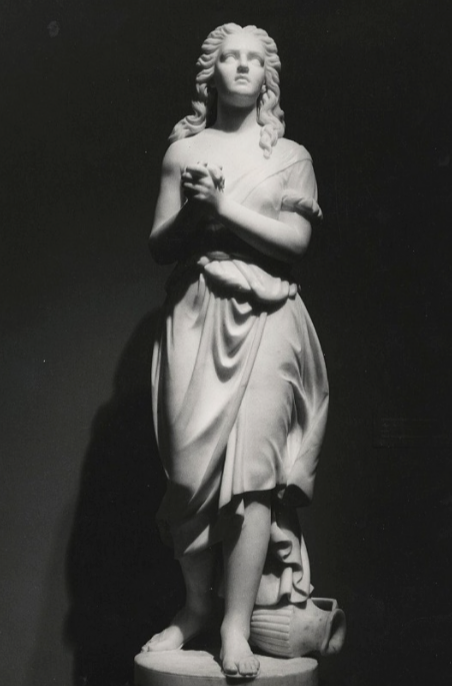 | This beautiful sculpture of Hagar in the Smithsonian is by the American sculptor Edmonia Lewis (1844-1907), of Native American and African American heritage who worked most of her career as an ex-patriot in Rome. She attained national and international recognition for her work. See: Harry Henderson and Albert Henderson. The Indomitable Spirit of Edmonia Lewis: A Narrative Biography Paperback – November 17, 2021. | |
Poem: Making Maps for Hagar | |
|
She didn’t have one when she was thrown out the door.
She had to go for safety, for peace, but there was no street sign planted in the sand,
No arrow pointing, no this way to the oasis.
Although she had been this way before.
And the child looking to her for answers and the harsh words still clinging to her skin.
The future not looking at all hopeful. Looking deadly in fact.
“Nothing I could do,” he said. “The forms aren’t right. You don’t belong.
Your status is unclear and your presence takes away what we want for ourselves.
Beyond my control.”
As if we don’t know who is always in control, in power,
And it is not us. Who really put all of this in motion?
Who can’t stand the sight of me and this beautiful child? My gift. My legacy.
Is the God of promise signing documents without benefit of counsel?
Or is there a difference between contract and covenant?
What is the fine print here? Wasn’t my signature also binding?
Hagar lived here once; see it is marked on the old map.
Now it has an x over her name, a note that says address unknown.
Return to sender.
By Linda Privitera
The Rev. Dr Linda Privitera is Associate Priest, St John’s Cathedral, Jacksonville
| |
Book Review by Owene Courtney | |
|
Mapping Your Spiritual Journey:
A Creative Reflection Method By Sally Welch
In the Diocese of Florida during COVID, small groups began to study scripture and the seasons of the church using a method called Mapping the Gospels, Mapping Advent, Lent, Easter etc. Written and created by our Cerveny Speaker Series’ guest the Reverend Susanna Gunner, small groups continue to study with these maps still today. It is a clever and effective way to study the story of the people of God using multiple mediums including art, music, poetry and prose, and different translations of scripture. It also encourages sharing and small group development of trust and understanding which are essential for the Body of Christ in our time.
When I first started Sally Welch’s clever book Mapping your Spiritual Journey, I was reminded of Susanna’s maps. I was also reminded of the important spiritual tool of writing spiritual autobiography, tracing people and times in our lives that have influenced us and understanding God’s presence or absence in our lives.
Welch offers in her book many ways to reflect on our stories including thinking back and Remembering what we want to focus on. She also uses the word map as a verb and as a noun, encouraging the reader to care for herself as she remembers: mapping in prayer and creating maps with which to tell our stories. She includes copious lists of materials that can be used for mapping including collage, papier maché, and two- and three-dimensional maps.
To continue reading, please click here.
| |
|
An interview with the Rev. Wiley Ammons,
Rector of Redeemer Episcopal Church, Jacksonville.
| |
|
Over the recent past years, Fr Wiley Ammons has made a significant contribution to the liturgical offerings of the wider Church in the mission of helping people to worship and pray. Daily thousands of people pray the offices of Morning and Evening Prayer on podcasts designed by Wiley Ammons and sponsored by the Forward Movement --- the ministry that publishes the wonderful daily devotional Forward Day by Day.
INTERVIEW
1. Father Wiley, how did your podcasts get started? Did it have anything to do with the isolation and separation we all experienced when COVID became a reality in our midst?
Unexpectedly, it was a tweet. There is a morning prayer podcast that has been published for years by a priest in Maryland with meditation music and lots of extras. Someone tweeted, “Can we have a no-frills, BCP 1979, morning prayer podcast please?” My wife Laura forwarded me the tweet and asked, “how hard would that be for you to do?” We realized the audio content for the daily office is a large set of material, but a finite set of material which lends itself to assembly once it’s all recorded. All that was required was programming. As many have said trying to take on projects like these, “how hard can it be?” I’m still working on the podcasts nearly every day four years later. As it turns out, it was harder than I expected. What I also didn’t expect is how connected a project like this can make you feel with people all over the country and all over the church. It has become a labor of love that’s still worth the effort.
As for COVID, all I can say is Laura's question was providential. I started programming on our summer vacation in 2019, and we launched the podcasts the first Sunday in Advent, December 1, 2019. Four months later, the church suddenly needed readily available electronic prayer resources and we were already in place to be one of those options. While the pandemic wasn’t the impetus, the podcasts were certainly in the right place at the right time.
2. You pray and lead these two offices daily—morning and evening—year in and year out with the help of Laura Ammons, your wife, and with the Rev. Lisa Meirow, Rector of St Andrew’s, Jacksonville. How did the three of you all make such a commitment to a daily routine and a platform for prayer that thousands are drawn to daily? How do you manage it with all of your other responsibilities?
Initially it was very much Laura, Lisa, and I recording lots of scriptures and prayer. Mtr. Lisa’s family and ours were already meeting weekly for prayer, so she was there at the beginning of the conversation and was happy to help do the heavy lifting. We now have a group of readers who are reading and submitting parts of the service for assembly. The software I wrote is liturgically aware, and allows us to assemble parts of the service from the collection of recordings our readers send in. Gradually, we’re working in other voices from clergy and laity. We want to keep the podcasts varied and new and a daily office gives us lots of opportunities to invite folks to pray with all sorts of voices from all over the church. It also reduces our recording workload. My podcast routine is now much more focused on production than recording, especially as more readers are willing to volunteer.
3. For those who have not prayed Morning or Evening Prayer (according to the Book of Common Prayer) as a daily commitment, what would you say is the ‘draw’ or the joy or grace of this discipline? Where is the blessing?
Most importantly, daily prayer is a regular invitation for the presence of God in your life. Liturgical prayer gives an opportunity for these prayers to “sink into your bones” much in the way people have familiarity with the Lord’s Prayer or the Nicene Creed. It’s a very directed way to get started with a prayer practice for people who don’t know how to begin to pray. It seems complicated when you open the prayer book which is part of the reason we hope the podcasts are helpful, guiding people through the process of prayer. One of the most important moments of the office is "the pause," when you are invited to add your own prayers of thanksgiving and intercession. This is a special gift for me on Sunday morning. I pray the office on the way to church and Sunday morning happens in “the pause.” So, when I return on my way home, I’m praying the General Thanksgiving for everything that just happened.
To continue reading, please click here.
| |
Rector's Picks: August Books | |
|
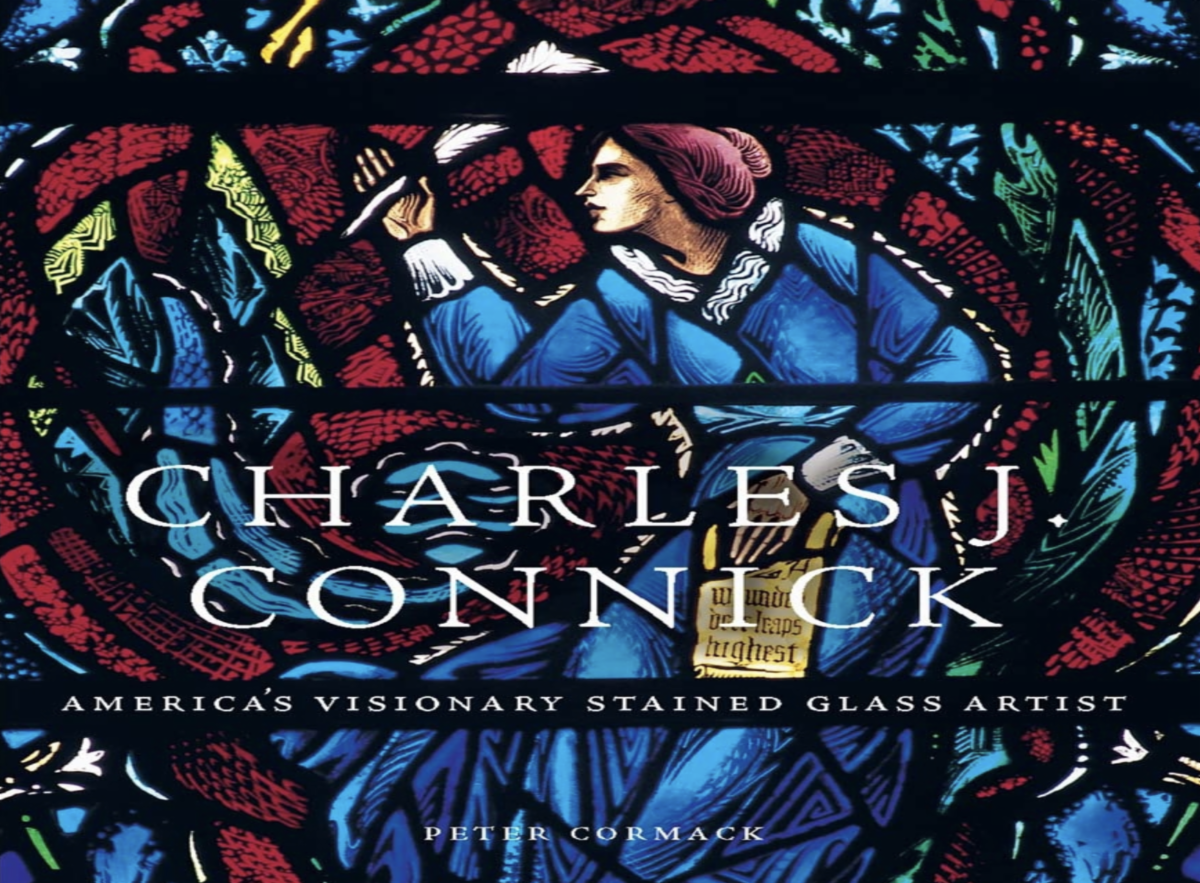
Peter Cormack. Charles J. Connick: America’s Visionary Stained-Glass Artist Hardcover – June 25, 2024.
Charles J. Connick (1875-1945) collaborated with some of the leading church architects like
Ralph Adams Cram to restore the medieval craft of stained glass to inspire modern glass in a period when all were fascinated by the newly invented windows of Tiffany and La Farge.
Connick’s work endures in beautiful churches small and large and including New York’s St John the Divine and San Francisco’s Grace Cathedral.
| |
|
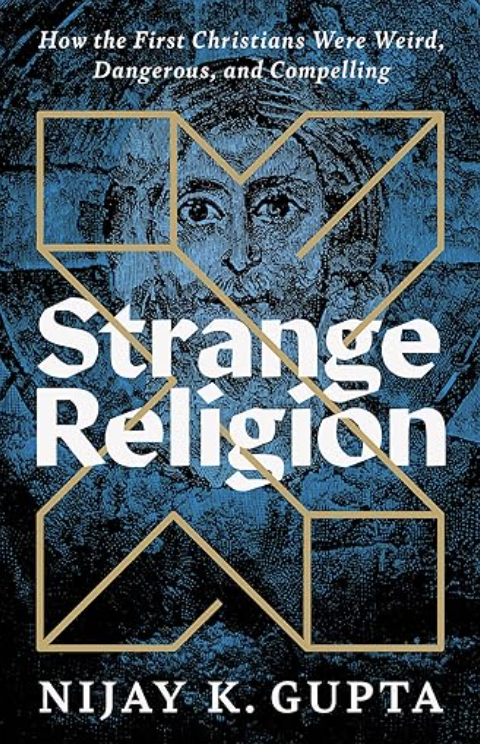
Nijay K. Gupta. Strange Religion: How the First Christians Were Weird, Dangerous, and
Compelling Paperback – February 27, 2024.
"In the twenty-first century, when Christianity has been so dominant for so long, it is hard to imagine a context in which the Christian faith was viewed as out of the ordinary and in some respects dangerously weird. This book packs a punch and is well worth reading."
--Paula Gooder, canon chancellor, St. Paul's Cathedral, London.
| |
|
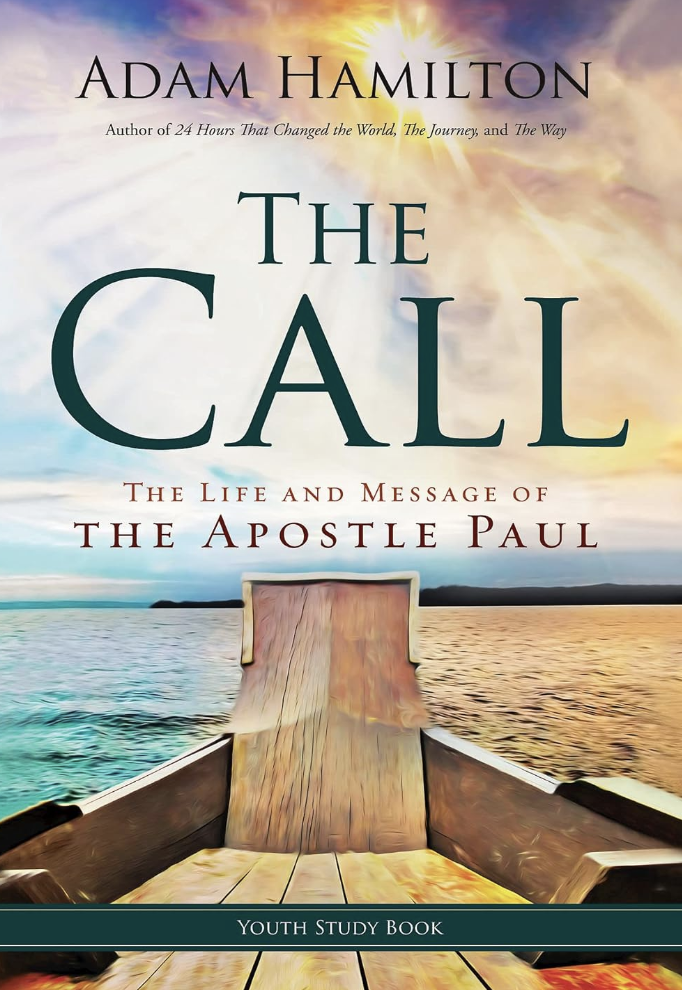
Adam Hamilton. The Call: The Life and Message of the Apostle Paul Paperback January 1, 2022.
Adam Hamilton is the senior pastor of The United Methodist Church of the Resurrection in
Leawood, Kansas, was founded in a funeral home in 1990 with ten members and is now a multi-campus church of some 15,000 plus members. His gift for teaching and explaining the Christian faith in a down-to-earth way is beautifully reflected here in his study of St Paul.
| |
|
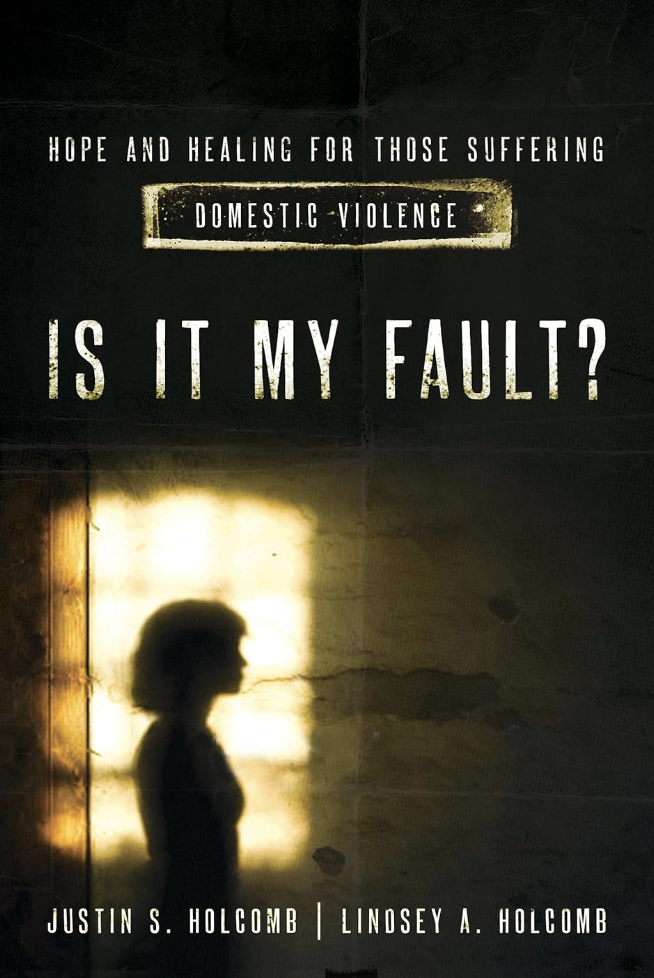
Lindsey A. Holcomb and Justin S. Holcomb. Is It My Fault? Hope and Healing for Those
Suffering Domestic Violence. Paperback – May 1, 2014
Lindsey Holcomb is an author who works in non-profit development and is an advocate for survivors of abuse. Justin Holcomb is the Bishop of the Episcopal Diocese of Central Florida and has written or edited twenty-two books on abuse, theology, and biblical studies.
| |
|
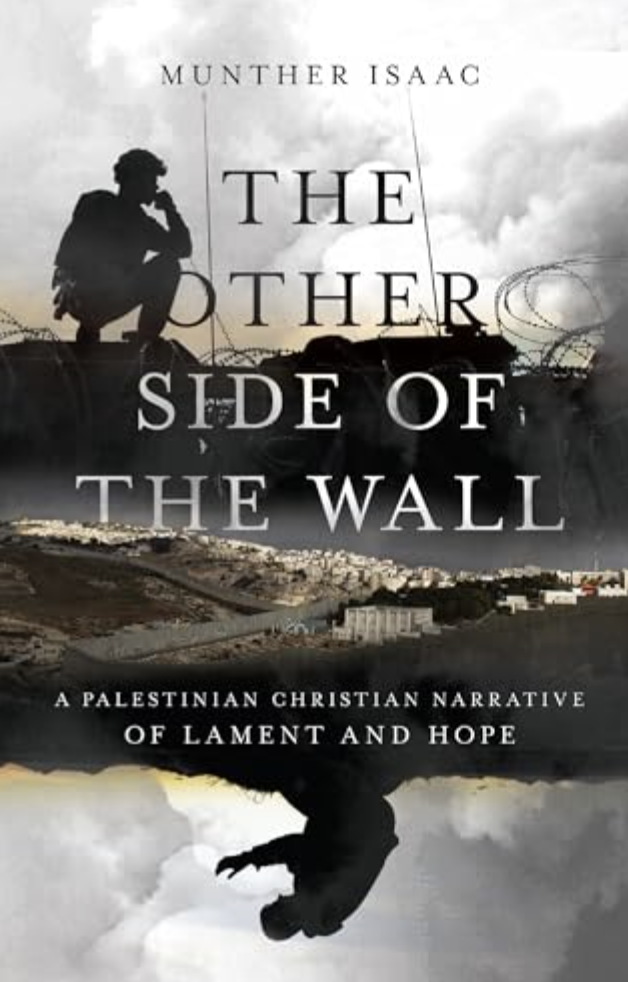
Munther Isaac. The Other Side of the Wall: A Palestinian Christian Narrative of Lament and Hope Paperback – June 16, 2020.
Life on the ground and on the other side of the segregation wall as told by a faithful Palestinian pastor and theologian who laments the injustices members of his Christian congregation suffer
while praying and working for peace with his Jewish and Muslim neighbors.
| |
|
Mohja Kahf. Hagar Poems Paperback -- July 1, 2016.
Throughout Hagar Poems, the author accomplishes the amazing marriage of wit and divinity as she describes thousands of years of Middle Eastern women. The women in her poems are survivors. Despite often being exiles and refugees, they can make a new home in the desert, stay in the presence of the divine, and (like Hagar) become the mother of a people.”—Julia Stein.
| |
|
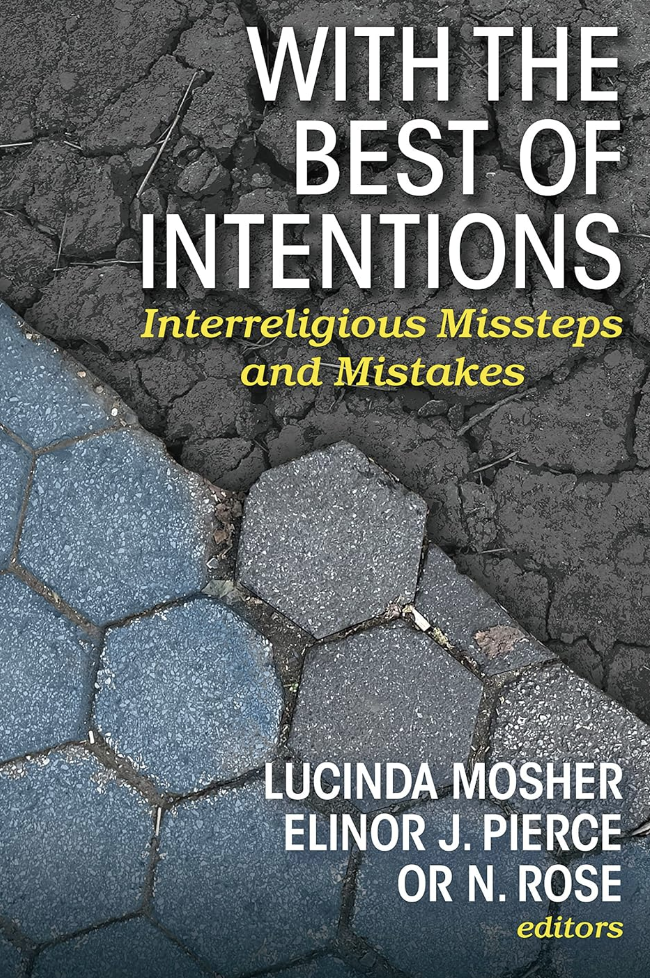
Lucinda Mosher. With the Best of Intentions: Interreligious Missteps and Mistakes Paperback – September 28, 2023.
How we grow and learn. “More than three dozen scholars and practitioners of many faiths own up to missteps and outright failures of interfaith encounters. Each case also provides critical discussion of what went wrong and why.” --- Amazon review.
| |
|
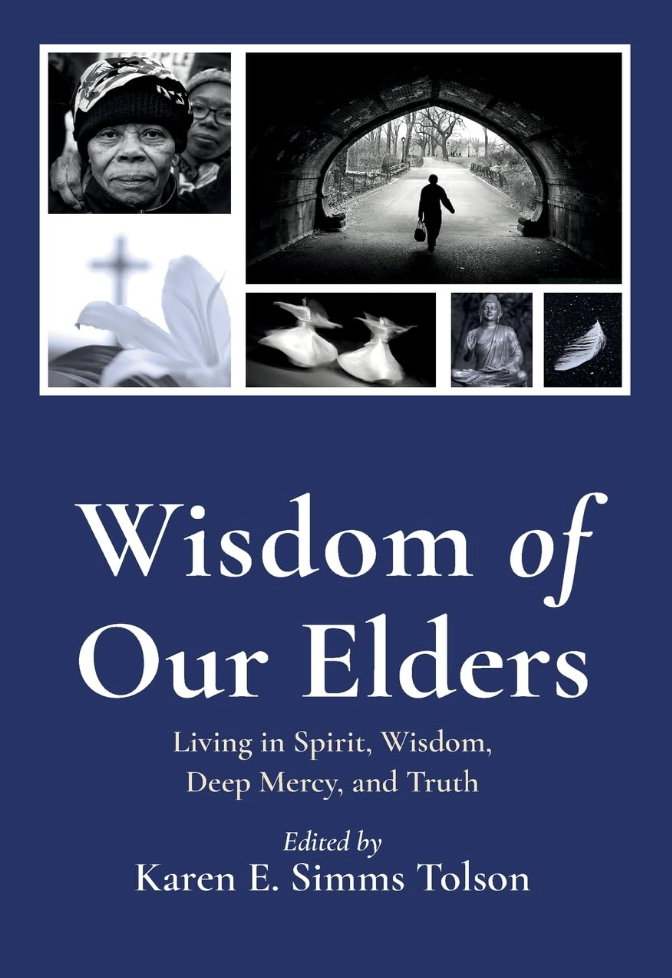
Karen E. Simms Tolson (editor). Wisdom of Our Elders: Living in Spirit, Wisdom, Deep Mercy, and Truth Paperback – May 23, 2024.
This collection of essays includes “I Am a Dreamer” by the Rev. Deacon Marsha Holmes, Spiritual Director and a member of the Diocese of Florida. Her work at the Haden Institute encouraged her to delve into the significance of dreams in relation to faith and spirituality.
| |
|
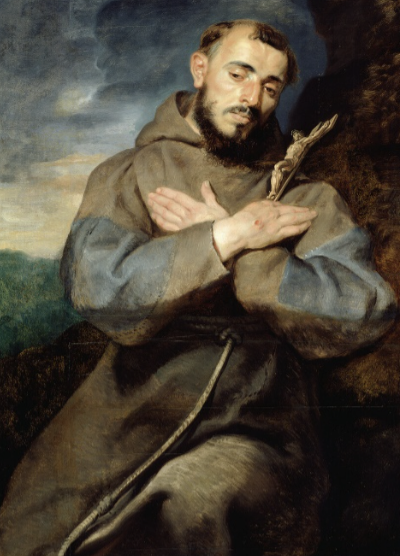
This quiz is inspired by Franciscan Wisdom: The Essential Teachings of Saint Francis of Assisi, a devotional book edited by Matthew Kelly. The book is basically 365 quotations for daily meditation from St Francis interspersed with those from other Christians whose writings the editor views as consistent with what is essential to Franciscan teaching.
QUESTIONS
Here are the quotations. Five of the ten are from St Francis and five are from others. Read each of them and mark each of them as you think correct:
A. St Francis of Assisi (d. October 3, 1226.)
B. Another author.
____ The deeds you do may be the only sermon some persons will hear today.
____ In a gentle way, you can shake the world.
____ You wouldn’t abandon ship in a storm just because you couldn’t control the winds.
____ I am as I am in the eyes of God. Nothing more, nothing less.
____ God longs to give us something. God longs to give us the precious gift of himself, but we’re not able to receive it because our hands are already too full.
____ Our labor here is brief, but the reward is eternal. Do not be disturbed by the clamor of the world, which passes like a shadow.
____ What is it that stands higher than words? Action. What is it that stands higher than action? Silence.
____ What do you have to fear? Nothing. Whom do you have to fear? No one. Why? Because whoever has joined forces with God obtains three great privileges: omnipotence without power, intoxication without wine, and life without death.
____ We differ from others—from criminals, for example—only in what we do or don’t do, not in what we are.
____ Strength and guidance. That’s all I’m wishing for, my friends.
Click here for the answers.
| |
|
In one of his online daily meditations, the Franciscan Richard Rohr reminds that
one strong form of biblical prayer almost completely overlooked is the prayer of
lamentation or grief work. Yet about one-third of the Psalms are psalms of lament.
We forget that Jesus called weeping a ‘blessed state’ (Matt. 5.4) and that only one
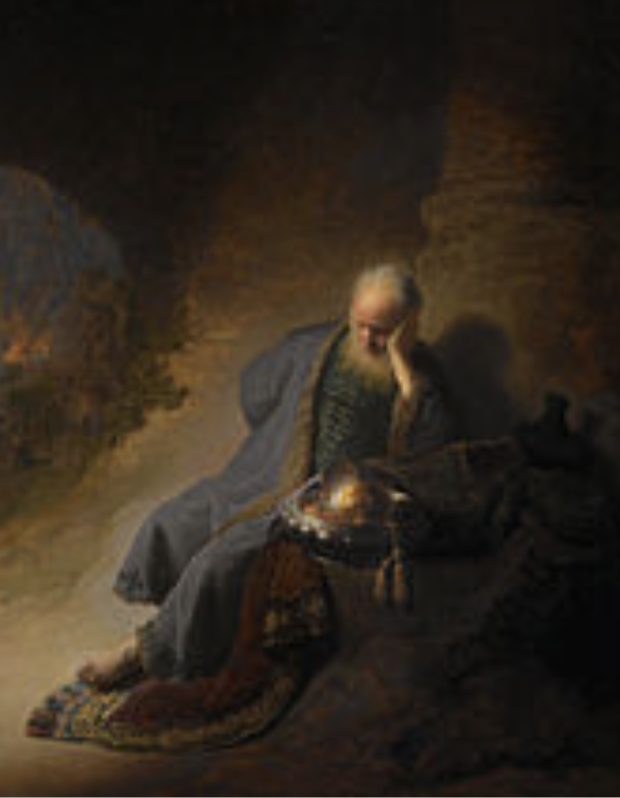
book of the Bible is named after an emotion: Jeremiah’s book of ‘Lamentations’.
Here, our Archdeacon tells us more about the Book of Lamentations.
The Book of Lamentations
A Brief Overview
Found in both the Hebrew Bible and our Old Testament, is the Book of
Lamentations. It is a profound portrayal of sorrow and hope amidst suffering.
While the author is unknown, the book is traditionally attributed to the prophet
Jeremiah.
The Book of Lamentations is a poetic work that reflects on the devastating
aftermath of the Babylonian siege and destruction of Jerusalem in 586 B.C.
Consisting of five chapters, each is methodically arranged as an acrostic (certain
letters in each line, form a word or words in that chapter) in the original Hebrew.
Lamentations capture the grief and desolation of a nation experiencing divine
retribution and despair.
To continue reading, please click here.
| |
Upcoming Lay Preacher Course | |
|
The Course
The course is a 12-month Licensed Lay Ministry (LLM) designed to equip, and train lay leaders in our Diocese called to the ministry of Preaching Starting Saturday, September 14, 2024.
The course will include class meetings led by clergy with a commitment to preaching from within and across the Diocese one Saturday a month starting Saturday, September 14, 2024, 9 a.m. – 2.30 p.m. (with lunch) at St John’s Cathedral, Jacksonville. The course will be taught in cooperation with the Episcopal Preaching Foundation (EPF) providing each student with a well-designed 12-month curriculum for home self-study comprised of a video component and study guide accessed via GoogleClassroom.
Certification
On completing the course graduates will receive a certificate from the Ecclesiastical Authority of the Diocese licensing them as a lay preacher in the Diocese. The Episcopal Preaching Foundation (EPF) will enroll graduates in a new national network of lay preachers in The Episcopal Church.
Further particulars
Please see the attachments for a word about discernment, clergy endorsement for registering, registration, costs, scholarships and the EPF home study curriculum.
Deadline
Submit your application by the end of August.
Contact
Please contact Hannia Reyes in the Diocesan Office for further particulars re the application form and clergy endorsement: hreyes@diocesefl.org. Contact the Rector of the Bishop’s Institute, Douglas Dupree, for any questions you may have about the course and further particulars regarding discernment, costs, scholarships and a copy of the EPF HOME STUDY CURRICULUM: ddupree@diocesefl.org.
| |
Yoga and Christian Prayer Retreat | |
|
The Bishop's Institute for Ministry and Leadership invites you to attend a Yoga and Christian Contemplative Prayer Retreat at Camp Weed and Cerveny Conference Center for the weekend of Sept. 27-29 2024. The retreat will begin at 5 p.m. on Friday, Sept. 27, and conclude after lunch on Sunday, Sept. 29.
Megan Cochran will lead the yoga sessions and the retreat chaplain leading prayer will be The Very Rev. Kate Moorehead Carroll.
No yoga experience is needed. This retreat works for those trying yoga for the first time and for those who regularly practice yoga. Chair yoga is an option. All ages are welcome. The retreat is inter-generational and singles as well as couples are welcome.
For more information and to register, please click here.
| |
Bishop's Institute Spring 2024 Pilgrimage | |
|
March 11-25, 2025
A Tour led by the Rev. Canon Douglas Dupree with the Archdeacon, Mark Richardson and the Rev. Deacon Annette Sines
Join the Bishop's Institute for an extensive journey from March 11- 21, starting with a flight to Greece and then traveling to various historical and archaeological sites. On arrival in Athens, the group will visit Corinth to see ancient ruins and the Corinth Canal. The following days include a tour of Athens' significant monuments like the Acropolis, Parthenon, and the Acropolis Museum. The journey continues to Vergina, Thessaloniki, and Philippi, following the footsteps of St. Paul, visiting ancient tombs, and significant early Christian sites.
The tour then proceeds to Rome, exploring key locations associated with early Christianity, including the Abbey of the Three Fountains, St. Paul's Basilica, the Catacombs of Santa Domitilla, the Colosseum, and the Vatican Museum. The trip concludes with visits to significant basilicas and the Vatican, reflecting on the early Christian history in Rome, before flying back home.
Don't miss this unique opportunity to connect with history and faith in some of the world's most storied locations. Book your spot today and be part of this enlightening and inspiring journey!
| | | | |