The Bishop’s Institute for Ministry and Leadership was established in 2015 in the Episcopal Diocese of Florida to provide opportunities to develop lay and clergy leadership in the Diocese; to prepare candidates for ordination to the vocational diaconate and the local priesthood; to prepare candidates for licensed lay ministries and to be a focus for the continuing education for laity and clergy alike. | |
|
‘Cleanse the thoughts of our hearts . . .’
If someone should ask me to name something quintessentially Anglican, I would not hesitate to reply, ‘The Collect for Purity.' It is the prayer that opens every celebration of the Eucharist in our churches. It is the prayer that seeks to prepare our hearts and minds to worship God Almighty and to enter his courts with ‘praise and thanksgiving.’ 'It is supremely lyrical:'
ALMIGHTY God, unto whom all hearts be open, all desires known, and from whom no secrets are hidden: Cleanse the thoughts of our hearts by the inspiration of thy Holy Spirit, that we may perfectly love thee, and worthily magnify thy holy Name; through Christ our Lord. Amen.
Cranmer is attributed with translating the prayer into English and introducing it into the Book of Common Prayer although it is found much earlier in English in the 14th-century mystical book The Cloud of Unknowing:
GOD, unto whom all hearts be open, and unto whom all will speaketh, and unto whom no privy thing is hid. I beseech Thee so for to cleanse the intent of mine heart with the unspeakable gift of Thy grace, that I may perfectly love Thee, and worthily praise Thee. Amen.
The prayer is found in the Sarum rite (the medieval liturgy of England) as a prayer of preparation for the celebrant readying to say Mass.
The phrase from this prayer that stands out most prominently to me is ‘Cleanse the thoughts of our hearts by the inspiration of thy Holy Spirit.' This petition reverberates with the same power as that of another petition, much similar in tone and spirit—the petition of the last line of the Te Deum (1662 Book of Common Prayer): O Lord, in thee have I trusted, let me never be confounded.’ The thoughts of our hearts are confounded, distracted, and pierced through by the loud and incessant siren calls of the world around us. Sir Thomas Beecham (1879-1961), the composer and impresario once remarked that the world is so filled with distracting noise that one day we will gladly pay for silence.
In this October Newsletter, I have included some book picks for the upcoming season of Advent that starts Sunday, December 3. It is not too early to think about something to read during the season and have your Advent book close by and ready to go. An ideal Advent goal is to clear the mind and heart of all the clutter accumulated that distracts us from worshipping God. Perhaps a good practice might be to set aside a specific time each day to enjoy your reading--- and open the session by saying the Collect for Purity.
Yours sincerely,
Douglas Dupree
| |
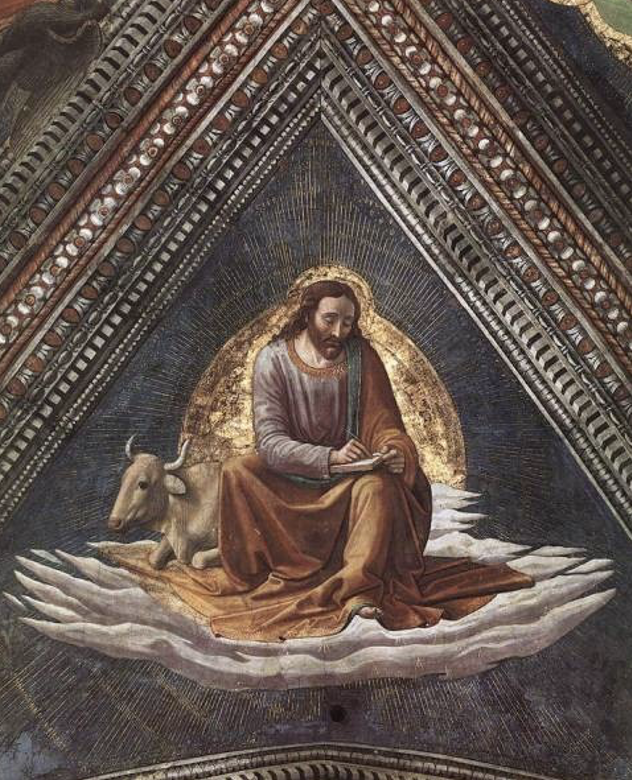
St. Luke the Evangelist: October 18 | |
|
ALMIGHTY God, who didst inspire thy servant Saint Luke the Physician, to set forth in the Gospel the love and healing power of thy Son; Manifest in thy Church the like power and love, to the healing of our bodies and our souls; through the same thy Son Jesus Christ our Lord. Amen.
Honor physicians for their services,
for the Lord created them;
for their gift of healing comes from the Most High,
and they are rewarded by the king.
The skill of physicians makes them distinguished,
and in the presence of the great they are admired.
The Lord created medicines out of the earth,
and the sensible will not despise them.
And he gave skill to human beings
that he might be glorified in his marvelous works.
Sirach 38: 1-4, 6.
| |
|
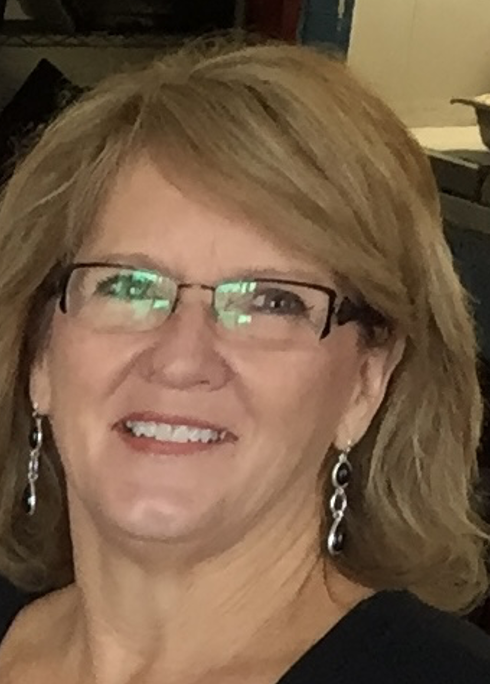
An Interview with Vickie Haskew,
Retiring on October 31 after 25 Years of Service to the Diocese of Florida
| |
|
HDD (Douglas Dupree): What brought you to the Diocese of Florida? How did you hear about the job you have held all these years?
VH (Vickie Haskew): I was working as a secretary for the Nassau County School Board in 1998 when a lady stopped by my office. As we chatted, she told me that she worked for Career Source in Downtown Jacksonville, helping people find employment. She mentioned an opening at the Episcopal Diocese of Florida for a Bishop’s Secretary, and it sounded very interesting. I just happened to have my resume with me and gave it to her and the rest is history…
Prior to that, I began my “secretarial” career in an Engineering Department with eight bosses from different countries. Frustrated one day I commented to a friend, “I believe secretary is just another word for servant.” (And I didn’t mean it in a good way). Shortly thereafter, God reminded me through sermons, prayers, etc. that He wants us all to become servants. When I came to interview, I read the Diocesan mission statement “Living and Proclaiming the Gospel in Community, Eucharist, and Servanthood ministry.” There was that “S” word again. I felt that was a confirmation and I was hired.
HDD: Tell us a little about yourself: where you were born and grew up; your family—kids and grandchildren— where you graduated from school and where you’ve worked before coming to the Diocese.
VH: I was born in Fernandina Beach in 1956 and grew up in Yulee. We were a family with two boys and two girls. Mama was a devout Christian, and we went to church every time the doors were open. Daddy loved nature, hunting, and fishing when not at work. I went to school in Yulee and graduated from Fernandina Beach High School in 1974. I married young and have a son and daughter. Tony has four children and Erica has three.
HDD: If you were hiring a Bishop’s executive assistant: what sort of gifts and skills would you be looking for? What are some of the chief ingredients of being a real help to the leader of the Diocesan family?
VH: I would highly recommend a person of faith with secretarial/administrative background maybe in a parish. You would need someone with good people skills, computer skills, flexibility, someone you can trust, etc. In a diocesan office they would need “A Basic Church Dictionary.”
HDD: How do you feel about bishops after twenty-five years working for the church?
VH: I’ve worked for two Diocesan bishops and numerous assisting bishops – all some of the nicest people you will ever meet. They were truly called to be shepherds and servant leaders.
HDD: What special award were you given for your work and your service to B*E*S*T*?
VH: In 1986, a Bishop’s Assistant noted the Episcopal Church has an organization for almost every group of persons except one for Bishop’s Secretaries. Shortly after that Bishop Browning became the Presiding Bishop, he gave his support and B*E*S*T* (Bishop’s Executive Secretaries Together) was formed. I’ve been a member for 25 years and received the Browning Fellowship award for those who have served a Bishop for over 20 years.
Later in 1986, Connie Brantley started a group for Parish (Office) Staff Together here in the Diocese. I’ve led that annual conference at Camp Weed for most of my time here. It was one of my favorite things to do.
HDD: You have made several trips abroad over the years with the Diocese: the Lambeth Conference, Cuba, Greece, Israel, Italy. What have you learned from your travels?
VH: I have been privileged to walk where the Apostles and Jesus walked and see so many wonders of the world. One of the main things that I have learned is that traveling with a community of believers is such a blessing to all, but especially to solo travelers. When I climbed up a mountain there was hands reaching back down to make sure I was safe. I then reached down to the next person.
HDD: You have been so very busy and active for so many years. What do you expect retirement to hold for you? What do you want it to hold for you?
VH: I plan to say “YES” more often after I retire. I’ll travel to the mountains in November, cruise to the Dominican Republic right before Christmas and to Alaska in the Spring with my Christian Singles Group. I will get together with more of my family and friend circles. I also have a small business, Cheswick Cottage Staging and Design and plan to do some fun stuff with that. Art, flower arranging, raising Monarch butterflies, and tea parties in my back yard will continue as well.
HDD: A final word to share?
VH: I can’t thank God and the Episcopal Diocese of Florida enough for the way that you have cared for me throughout the past 25 years. You have all been a blessing and inspirational to me in so many ways. God bless you all!
| |
|
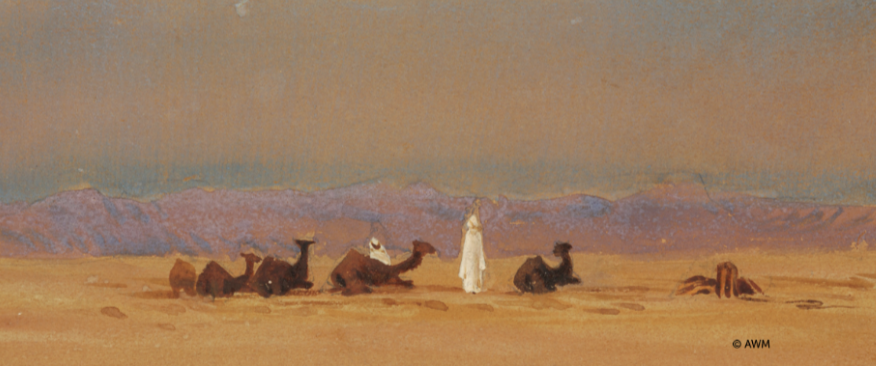
Lilias Trotter (1853-1928), Artist and Missionary
to the Middle East
| |
|
In May 2013 five women met in Mount Dora Florida as part of the Trotter Trust to decide on a filmmaker to be commissioned to make a film of the life and art of the missionary to Algeria, Lilias Trotter (1853-1928).
The result was Many Beautiful Things, a 70-minute documentary augmented by a beautiful presentation of Trotter’s art and readings from her missionary journals and letters. I had never heard of this missionary contemporary to Amy Carmichael until I came across by chance this beautiful documentary.
| |
|
As a young woman, Trotter met the great Victorian art critic John Ruskin in Florence. Ruskin did not take women artists seriously until he met Trotter. As he came to know her and her work, he is said to have commented that had she not abandoned her art for the mission field she might have been the greatest artist of her generation.
Want to be inspired? Watch Many Beautiful Things on your television or smart phone. Then, if you are so minded, read a bit more about Lilias Trotter, her devotional works, her missionary work in Algeria among the Sufi mystics, girls and women, and others. You will love her beautiful sketches and paintings of north Africa.
| |
In March 2016, Many Beautiful Things was released in DVD form and as a digital download. In January 2017, Oxvision Films (the production company of Many Beautiful Things) partnered with Vision Video, allowing Many Beautiful Things to be available internationally for purchase. I simply entered the title of the film into Search on my television and it came up for me to watch. | |
|
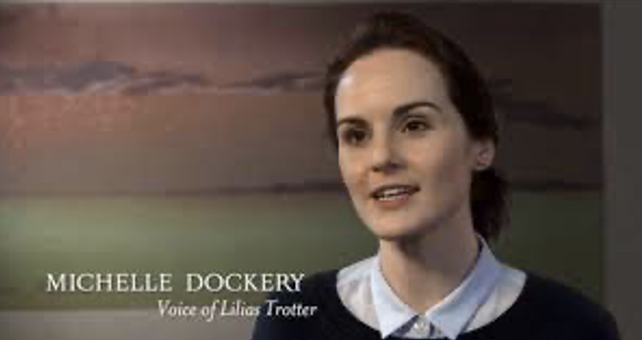
Her zest and fervor for life... it takes your breath away. And from start to finish I was so moved by it. The whole world should see this movie.
Downton Abbey’s Michelle Dockery
Lilias Trotter legacy: liliastrotter.com.
| |
Rector's Picks: Advent Books 2023 | |
Choosing something to read through the days of Advent is an excellent preparation for Christmas and the new Christian year. Choose something that you can read from each day of Advent. My list is pretty subjective, but I like all the books listed. | |
|
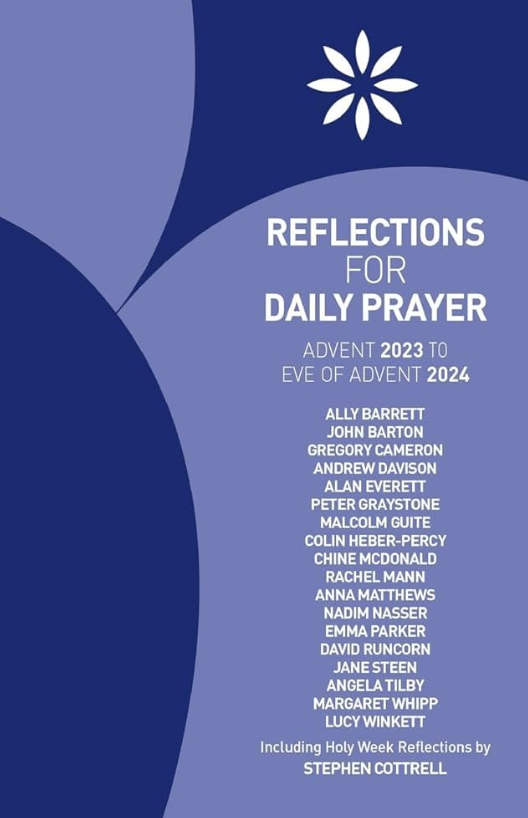
All Barrett. Reflections for Daily Prayer Advent 2023 to Christ the King 2024 Paperback. May
31, 2023.
This is an excellent daily guide and brief commentary from Church House Publishing (UK) and includes some of the best church related journalists including the distinguished Old Testament scholar John Barton, Stephen Cottrell, Matthew Guite, Angela Tilby and Lucy Winkett.
| |
|
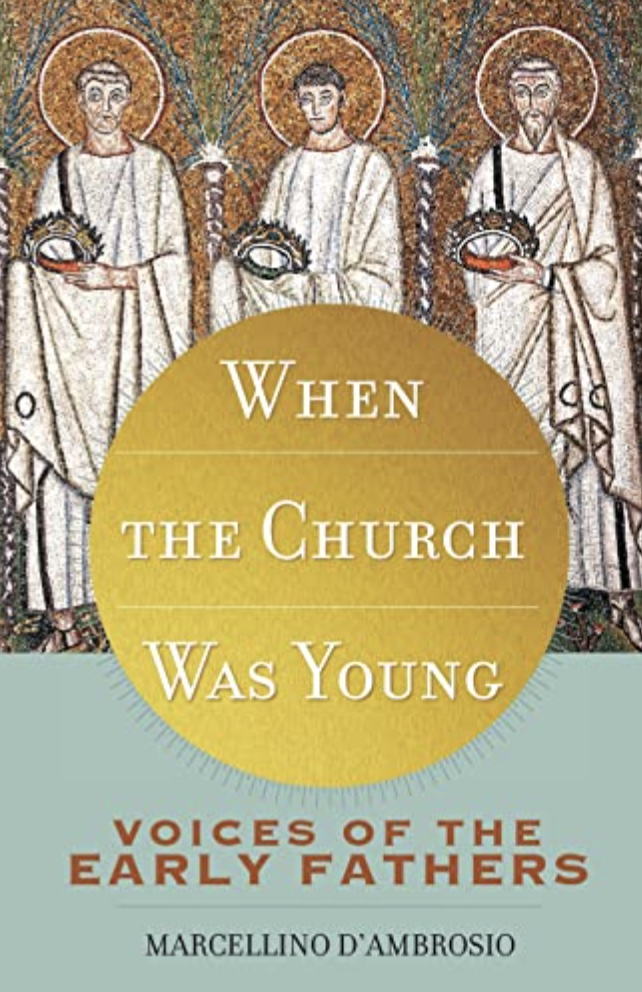
Marcellino D’Ambrosio. When the Church Was Young: Voices of the Early Fathers Paperback. August 22, 2014
Here is a good read if you want to get back to basics. From the book’s promotional
advertisement: ‘If the word trinity isn’t in Scripture, why is it such an important part of our faith?
And if the Bible can be interpreted in many ways, how do we know what to make of it? And who decided what should be in the Bible anyway?’
| |
|
Bear Grylls. Soul Fuel: A Daily Devotional Hardcover. July 30, 2019
I gave this book to a friend of mine undergoing treatment for cancer. I liked it so much I ordered
another copy to read and have been taking strength from it daily.
| |
|
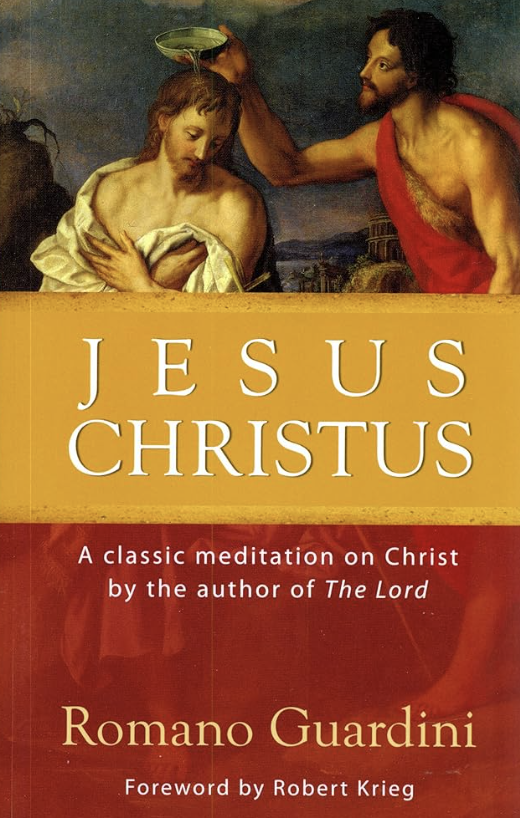
Romano Guardini. Jesus Christus Paperback. June 4, 2012.
This is a beautiful, meditative book perfect for Advent.
| |
|
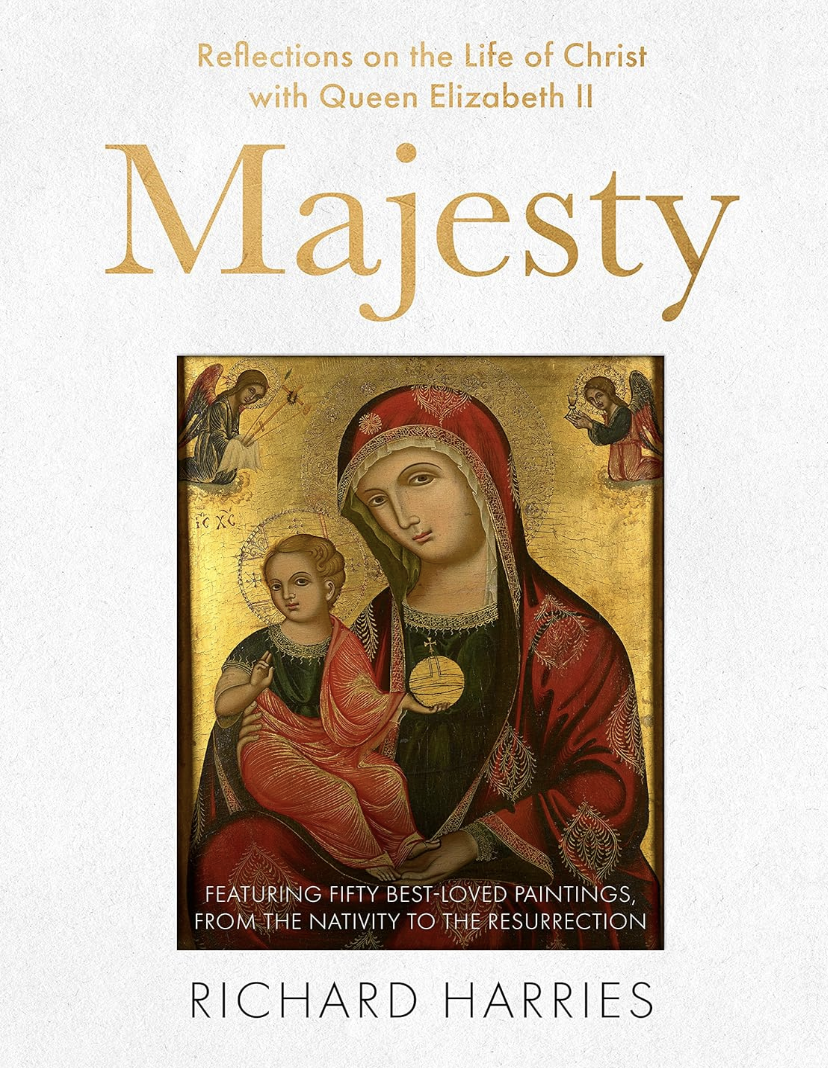
Richard Harries. Majesty: Reflections on the Life of Christ with Queen Elizabeth II, Featuring Fifty Best-loved Paintings, from the Nativity to the Resurrection Hardcover. September 8, 2023
‘The artworks [from the Royal Collection] illustrate key scenes from the life of Christ, accompanied by the words and teachings of Jesus that are found in the Gospels. With these, Richard Harries juxtaposes words from Her Majesty's Christmas broadcasts, relating her faith to
the life of Christ and his wisdom, while simultaneously reflecting on how the artists have
depicted the scenes.’
| |
|
Hilary Mantel. A Memoir of My Former Self: A Life in Writing Hardcover. October 24, 2023
Hilary Mantel, the bestselling author of the Wolf Hall Trilogy, not only wrote historical fiction
but also essays, personal memoirs and short stories over four decades. She died in 2022, age 70.
This posthumous collection of her essays and other writings includes an essay on C.S. Lewis’s
crisis of faith in the wake of his wife’s death from cancer and another on the myth and death of Diana, Princess of Wales. Mantel’s reflections on the human condition might make the ideal springboard for self-reflection during Advent.
| |
|
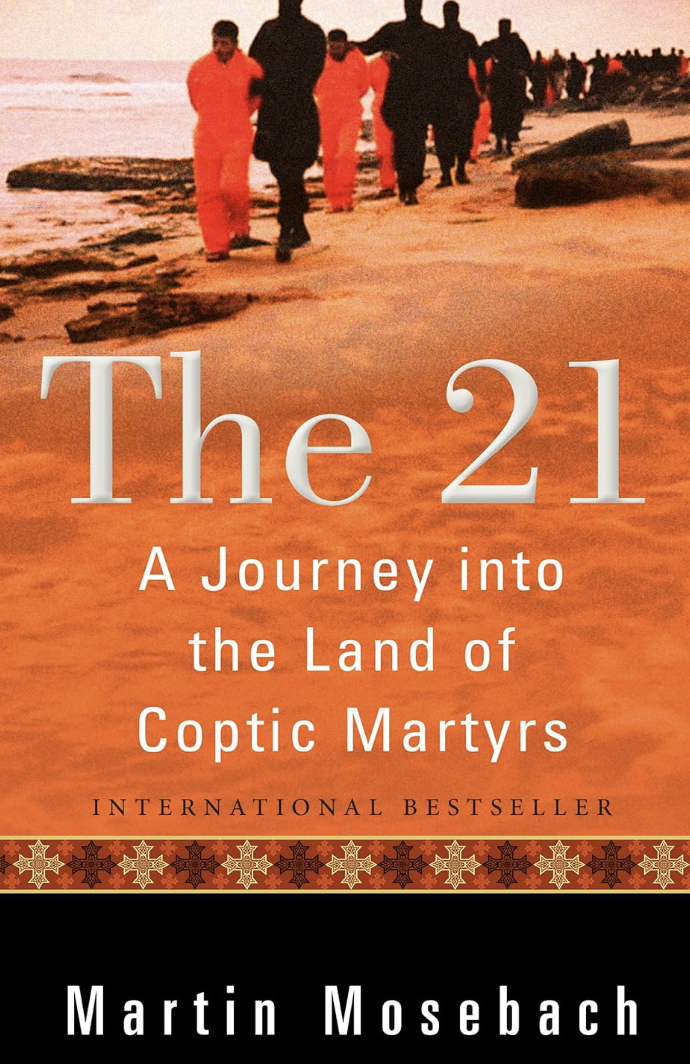
Martin Mosebach. The 21: A Journey into the Land of Coptic Martyrs Paperback – February 11, 2020.
In February 2015, ISIS militants behead twenty-one orange-clad Christian men on a Libyan
beach.
From a promotion for the book: ‘In twenty-one symbolic chapters, each preceded by a picture, Mosebach offers a travelogue of his encounter with a foreign culture and a church that has preserved the faith and liturgy of early Christianity – the “Church of the Martyrs.” As a religious minority in Muslim Egypt, the Copts find themselves caught in a clash of civilizations. This
book, then, is also an account of the spiritual life of an Arab country stretched between
extremism and pluralism, between a rich biblical past and the shopping centers of New Cairo.’
| |
|
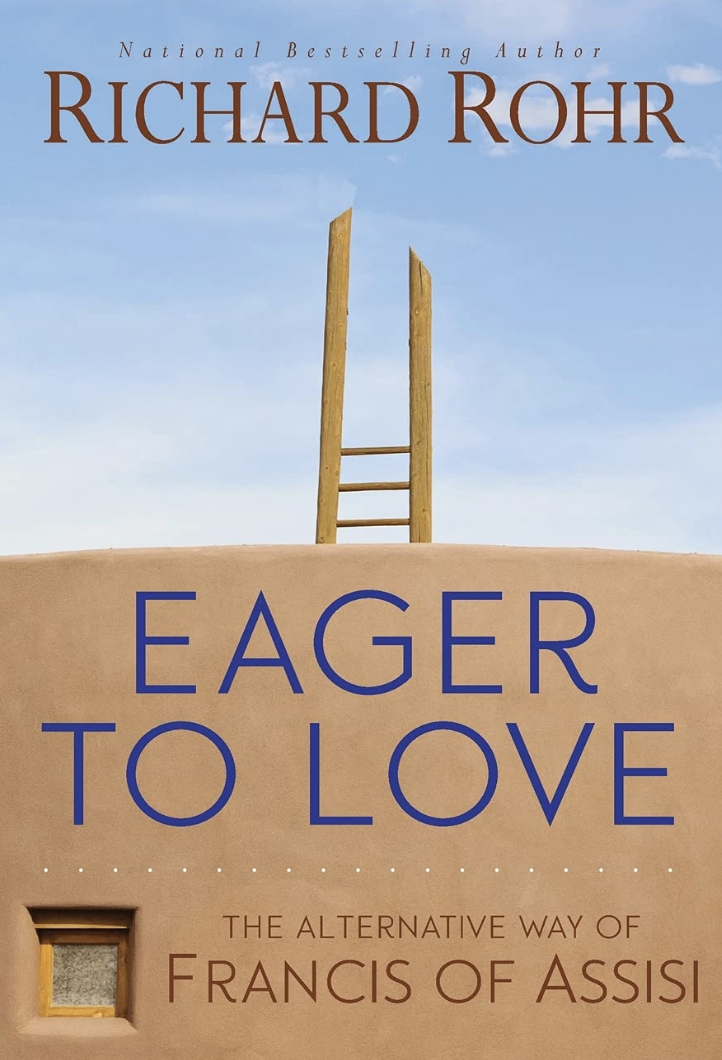
Richard Rohr, O.F.M. Eager to Love: The Alternative Way of Francis of Assisi Paperback. September 30, 2016
In this clear and beautifully written book Richard Rohr shows how Francis of Assisi is a saint for all seasons and especially relevant in our own day.
| |
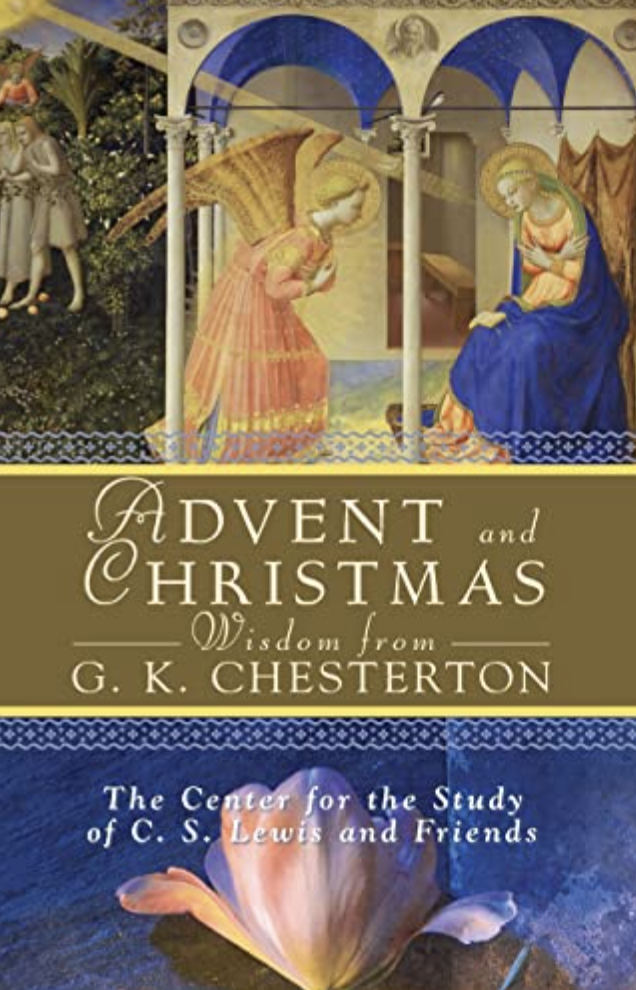
Thom Satterlee (compiler). Advent and Christmas Wisdom from G. K. Chesterton Paperback September 1, 2007 | |
|
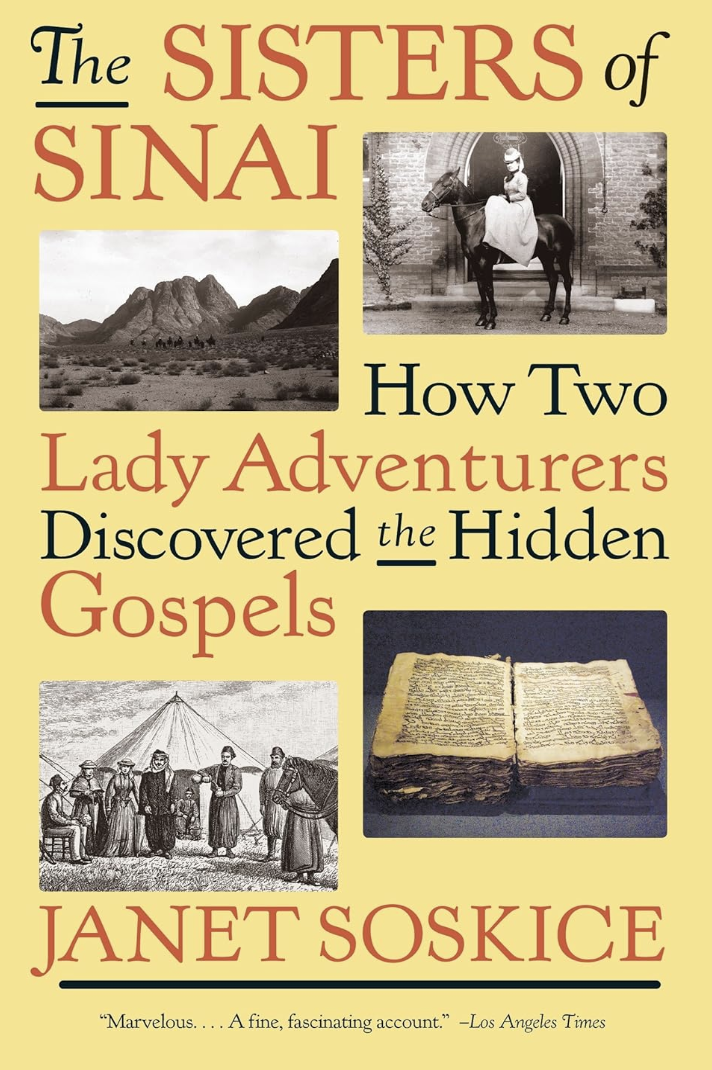
Janet Soskice. The Sisters of Sinai: How Two Lady Adventurers Discovered the Hidden Gospels Paperback. August 24, 2010
A theologian, Janet Soskice is also a wonderful storyteller as illustrated by this biography that tells the true story of two Victorian sisters Agnes and Margaret Smith who discovered the earliest copy of the Gospels in ancient Syriac. As someone has written, if the Smith sisters had not been identical twins the movie version of their story would cast Dames Judi Dench and Maggie Smith in the lead roles.
| |
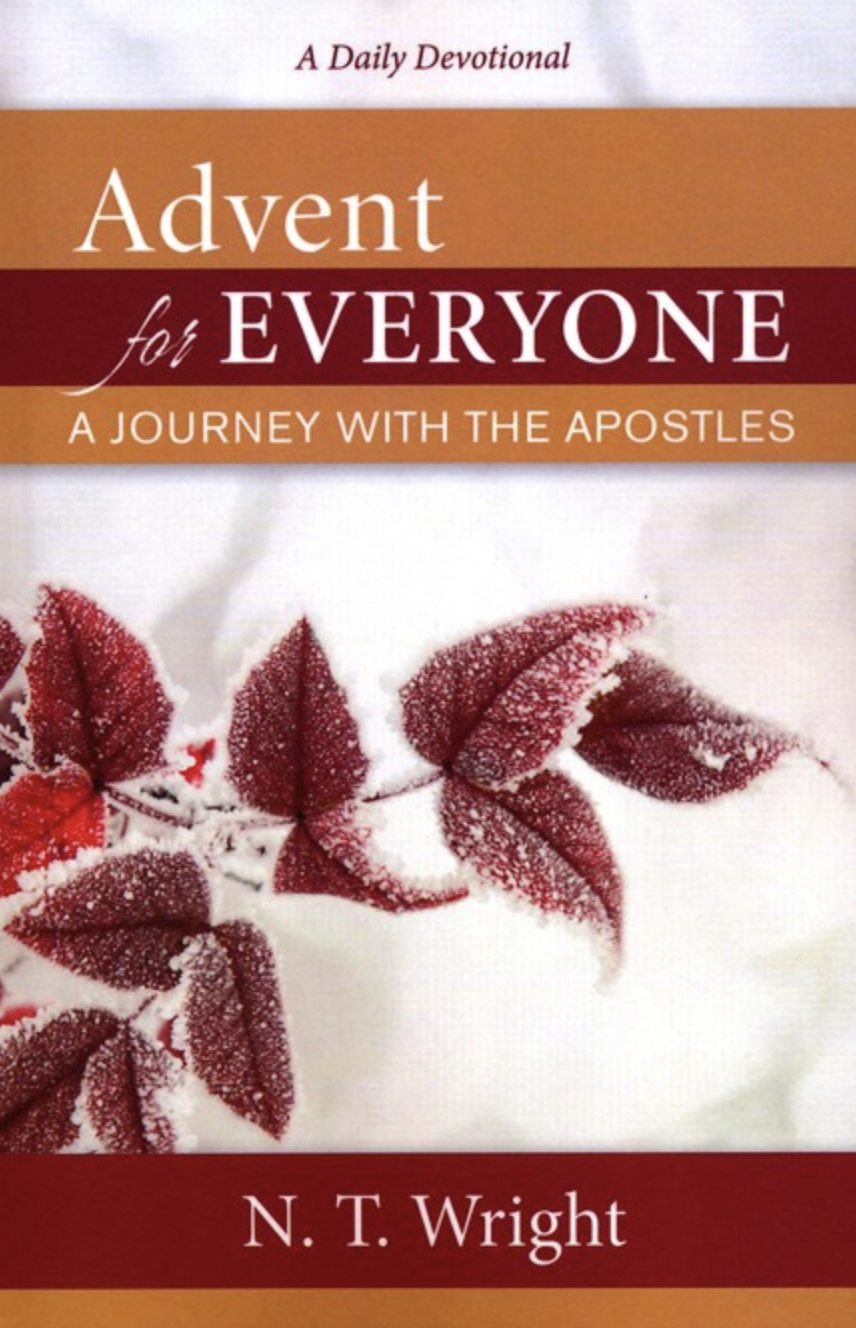
N.T. Wright. Advent for Everyone: A Journey with the Apostles: A Daily Devotional Paperback. 2017 | |
Guardini Excerpt on Son of Man Must Suffer | |
|
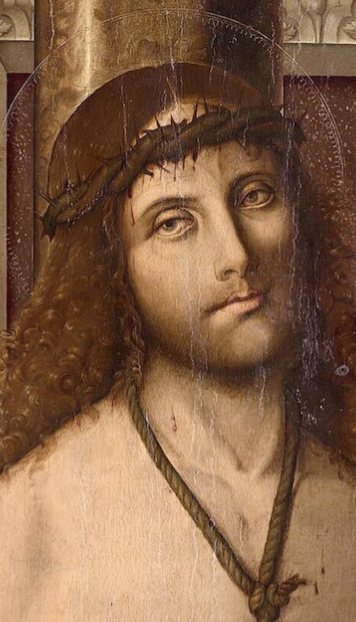
Christ at the Column by Francesco Zaganelli (c. 1470-1532) Royal Collection.
The Son of man must suffer many things... (Luke 9.22)
For Him, the meaning of suffering, along with sin and estrangement from God, was to be found at the very roots of Being. In the last analysis, suffering for Him represented the open road, the access back to God—at least the instrument that can serve as access. Suffering is a consequence of guilt, it is true; but at the same time, it is the means of purification and return.
We are much closer to the truth if we say: Christ took the sufferings of mankind upon Himself. He did not recoil from them, as man always does. He did not overlook suffering. He did not protect Himself from it. He let it come to Him, and took it into His heart. As far as suffering went, He accepted people as they were, in their true condition. He cast Himself in the midst of all the distress of mankind, with its guilt, want, and wretchedness. This is a tremendous thing, a love of the greatest seriousness, no enchantments or illusions—and therefore, a love of overwhelming power because it is a “deed of truth in love,” unbinding, shaking things to their roots.
From Jesus Christu, by Romano Guardini (recommended as an Advent book for 2023).
| |
 | |
The Son of Man
When you read the New Testament, you will notice that the most common title people use to describe Jesus is the Christ, or the Messiah. Jesus is also referred to as the Light, the Word, the Lamb of God, or even the Son of God. But surprisingly Jesus, called himself “The Son of Man.”
That title comes from the book of Daniel in the Old Testament:
“And behold, one like the Son of Man, coming with the clouds of heaven! He came to the Ancient of Days, and they brought him near before him. Then to him was given dominion and glory and a kingdom, that all peoples, nations, and languages should serve him. His dominion is an everlasting dominion, which shall not pass away, and his kingdom the one which shall not be destroyed.” Daniel 7:13-14.
Daniel had been exiled to Babylon and had a prophetic dream of four beasts crawling out of a dark sea hybrid monster. Each one was scarier than the next, with the fourth the most terrifying of all. Daniel is told that these beasts symbolize the violent pride of kings and their empires, and the fourth would try to overthrow God’s Kingdom.
In this dream God makes Daniel the promise that one day a human (the Son of Man is an old Jewish reference to humanity) will be born who will not fail. He will overcome the temptations of the kings and empires and sin and death. Further, in his dream, Daniel sees that there is an empty divine throne. This is the throne that Jesus will speak of in the Book of Matthew when He tells the disciples:
"Truly I say to you, that you who have followed Me, in the regeneration when the Son of Man will sit on His glorious throne, you also shall sit upon twelve thrones, judging the twelve tribes of Israel." (Matt 19:28).
By claiming to be the Son of Man, Jesus will reveal His true self to us and verify Daniel’s vision. Centuries later the Jewish leaders would rend their clothes at Jesus’s trial because he would say:
“The high priest said to him, “I charge you under oath by the living God: Tell us if you are the Messiah, the Son of God.” “You have said so,” Jesus replied. “But I say to all of you: From now on you will see the Son of Man sitting at the right hand of the Mighty One and coming on the clouds of heaven. (Matt 26:63-64).
The Jewish leaders knew the power of Daniel’s vision.
Surprisingly, The Son of Man is a title that Jesus’s disciples never addressed Him as. However, Jesus told the disciples who He was, “and he began to teach them that the son of man must suffer many things and be rejected by the elders and the chief priest and scribes and be killed and after three days rise again.” (Mark 8:31).
Jesus chose the title to assure us who He is and why He came in human form, for the son of man has come to seek and to save that which was lost (Luke 19:10). Further, Jesus came not for Himself but rather “…the son of man came not to be served but to serve and to give his life as a ransom for many.” (Mark 10:45).
And, that by giving His life as a ransom for many, Jesus, reminds us, “that you may know that the Son of Man has authority on earth to forgive sins”—he said to the paralytic— 11 “I say to you, stand up, take your mat, and go to your home.” (Mark 2:10-11).
Jesus is the one who, while tempted, did not sin. He is the one who, by giving his life, defeated death, and offered to each of us through His sacrifice of eternal life. Truly, Jesus is the Christ, the Messiah, the Word, the Lamb of God, and the Light of the world, but He revealed Himself to us as, Daniel knew Him, the Son of Man.
Praying that our Lord finds you and yours well.
The Ven. Mark Richardson,
Archdeacon
| | | | |